

Yemen: The Mecca Pact Moves from Theory to Military Action

An alliance activated for the first time
The geopolitical landscape of the Middle East is undergoing a profound transformation as the Yemen issue within the Mecca Pact officially shifts from a theoretical security agreement to an active military operational plan.
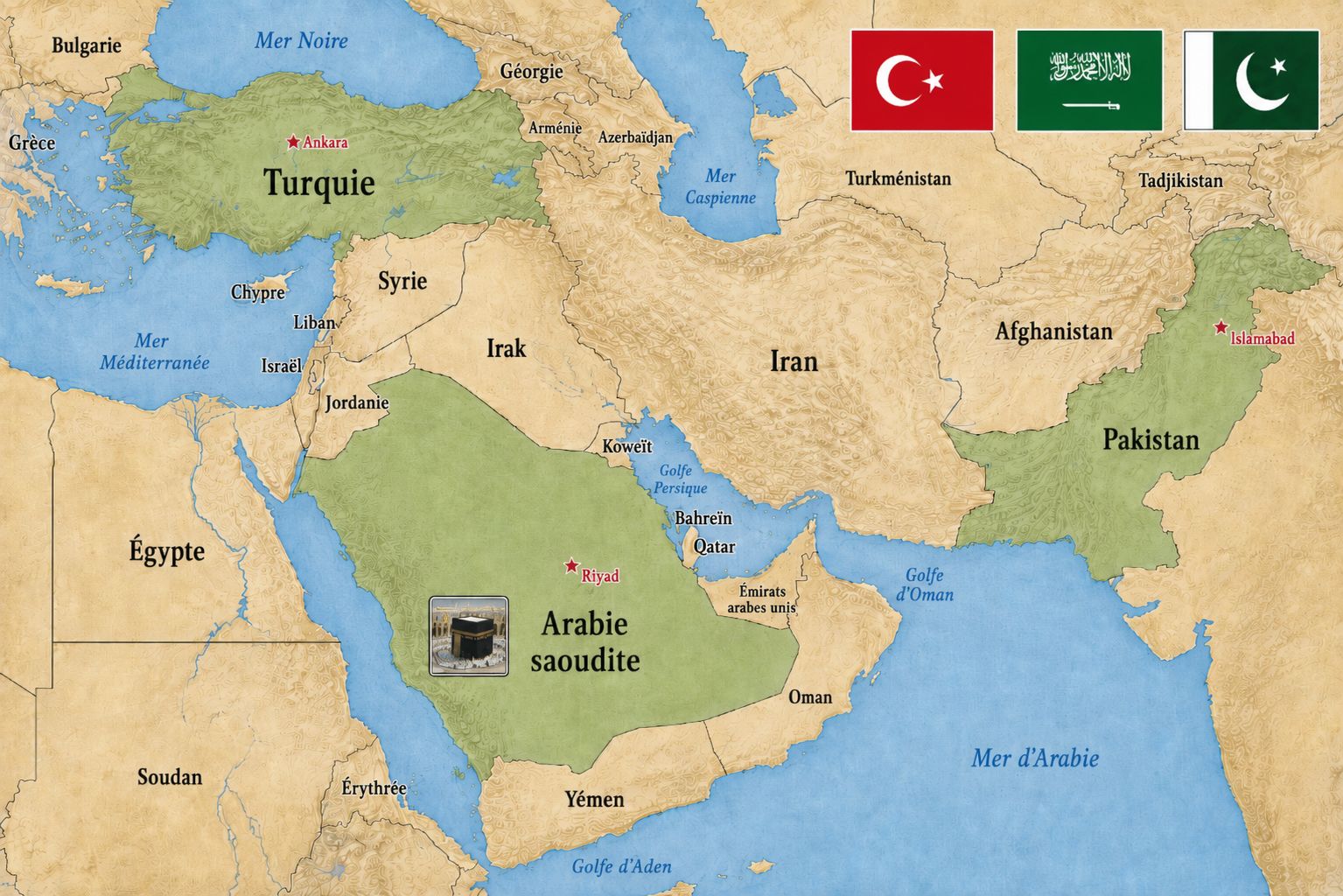
Following a major Houthi strike near the holy city of Medina and aggressive advances by the group along the strategically vital Red Sea coast—advances that have been reversed in recent days—Saudi Arabia, Turkey, and Pakistan convened an emergency meeting in Riyadh on October 5, 2026. This critical gathering triggered the first-ever invocation of the alliance's mutual defense pact since its initial signing in August 2026, marking the start of concrete military coordination and a series of military deployments: Pakistani forces, long deployed on Saudi soil, are set to reinforce their presence, while Turkey, whose involvement had been limited to military advisers, is preparing to send troops.
After a hesitant start, concrete commitment
This immediate activation marks a decisive turning point, as Turkey and Pakistan had initially been especially hesitant.
When it was signed on August 7, 2026, the original text provided very little detail on the actual military obligations of each signatory, initially fueling skepticism among international observers.
In the face of the first Houthi missile barrages in September, Ankara and Islamabad had been reluctant to intervene militarily or respond to requests for assistance, preferring not to jeopardize their respective roles as potential mediators in the broader conflict between the United States and Israel on one side and Iran on the other.
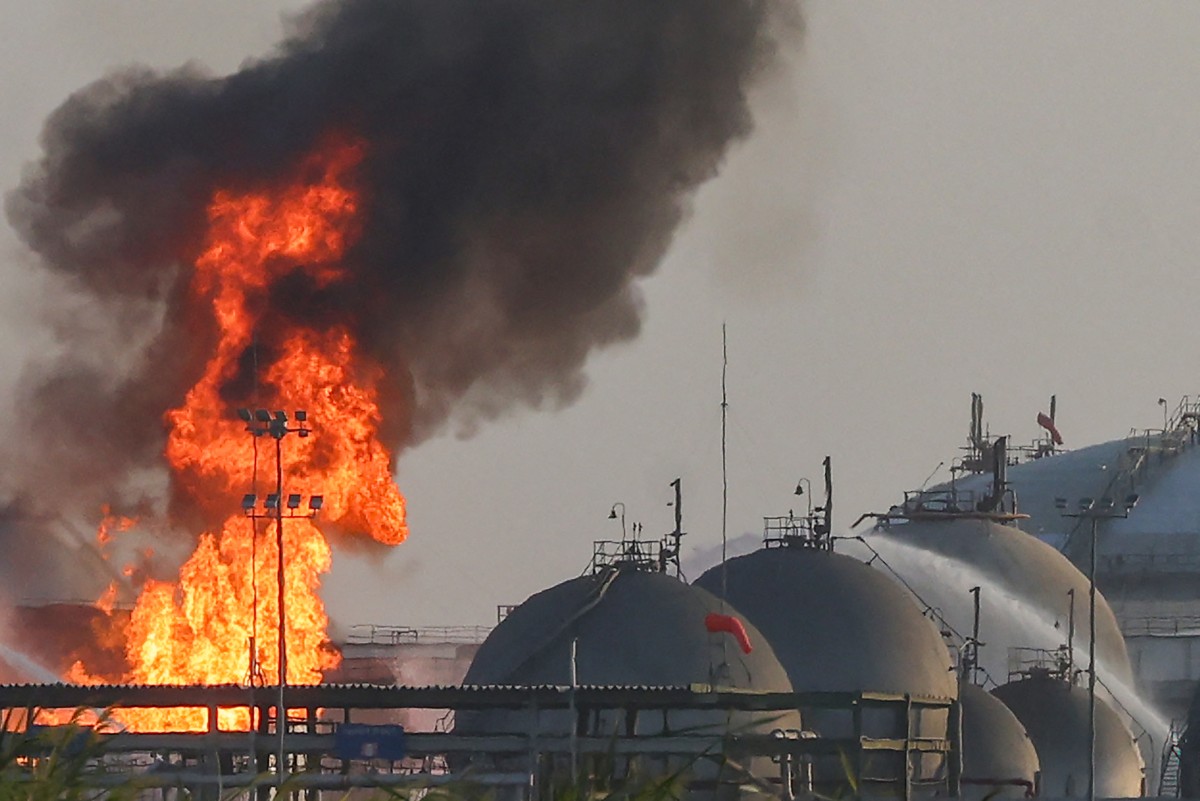
Saudi Aramco facilities ablaze after Houthi strikes near Riyadh. (AFP)
Many experts noted at the time that Pakistan favored mediation over intervention, while Turkey chose to showcase its technological capabilities without formally committing to an open conflict.
Furthermore, the lack of a unified military command and the time needed to develop operational interoperability, as with NATO's historical processes, cast doubt on the short-term credibility of this security architecture.
Pakistan, the alliance’s manpower pillar
However, the severity of the recent direct attacks on Saudi territorial integrity forced both nations to overcome their initial reservations.
Already maintaining a permanent presence of more than 15,000 military personnel assigned to training and operational support missions in Saudi Arabia, Pakistan is preparing to deploy a substantial reinforcement of as many as 20,000 to 25,000 additional soldiers, backed by air-defense systems and advanced drone technology.
In response to the activation of the Mecca Alliance, these strategic forces are being deployed across several critical areas of the Kingdom: a major component is being stationed at air bases and near infrastructure along the Saudi-Yemeni border, while reinforced security arrangements are protecting energy facilities and the holy cities of Mecca and Medina against the threat of Houthi strikes.
At the same time, although Islamabad's official position strictly favors protecting Saudi territory in order to avoid a direct conflict with Iran, Pakistani personnel and advisers operating under contract have also reportedly been present more discreetly in southern Yemen, particularly in Aden, illustrating Pakistan's growing integration into the peninsula's security architecture.
Turkey, the technological shield for energy infrastructure
For its part, Turkey, which has maintained a contingent of more than 200 military advisers and electronic warfare experts on Saudi soil since 2025, is preparing to significantly expand its presence.
Although the exact size of this new military contingent is still to be determined and must be approved by the Turkish Parliament in October 2026, the deployment plans could include the establishment of a permanent Turkish military base in Saudi Arabia. The Turkish armed forces' main mission will be highly strategic and strictly defensive: they will be responsible for protecting and securing four of the Kingdom's most important energy facilities, including major gas and electricity production sites.
To this end, Ankara will deploy its own short- and medium-range air defense systems, as well as its most advanced electronic warfare technologies, in order to create a protective denial bubble against the threat posed by Houthi missiles and drones targeting the Saudi economy.
A NATO-inspired model and unified command in Riyadh
Under this now-activated pact, which will operate according to a collective deterrence model resembling that of NATO—whereby an attack on one member is considered an attack on all—Turkey and Pakistan are deploying forces directly on Saudi soil.
To manage this influx of troops and oversee the complex strategic and political coordination required by the crisis, the alliance has formalized its command structure by appointing former Pakistani Army general Lieutenant General Nauman Mahmood as secretary-general. He will direct operations from the alliance headquarters in Riyadh.
Objective: break the Houthis' warfighting capacity
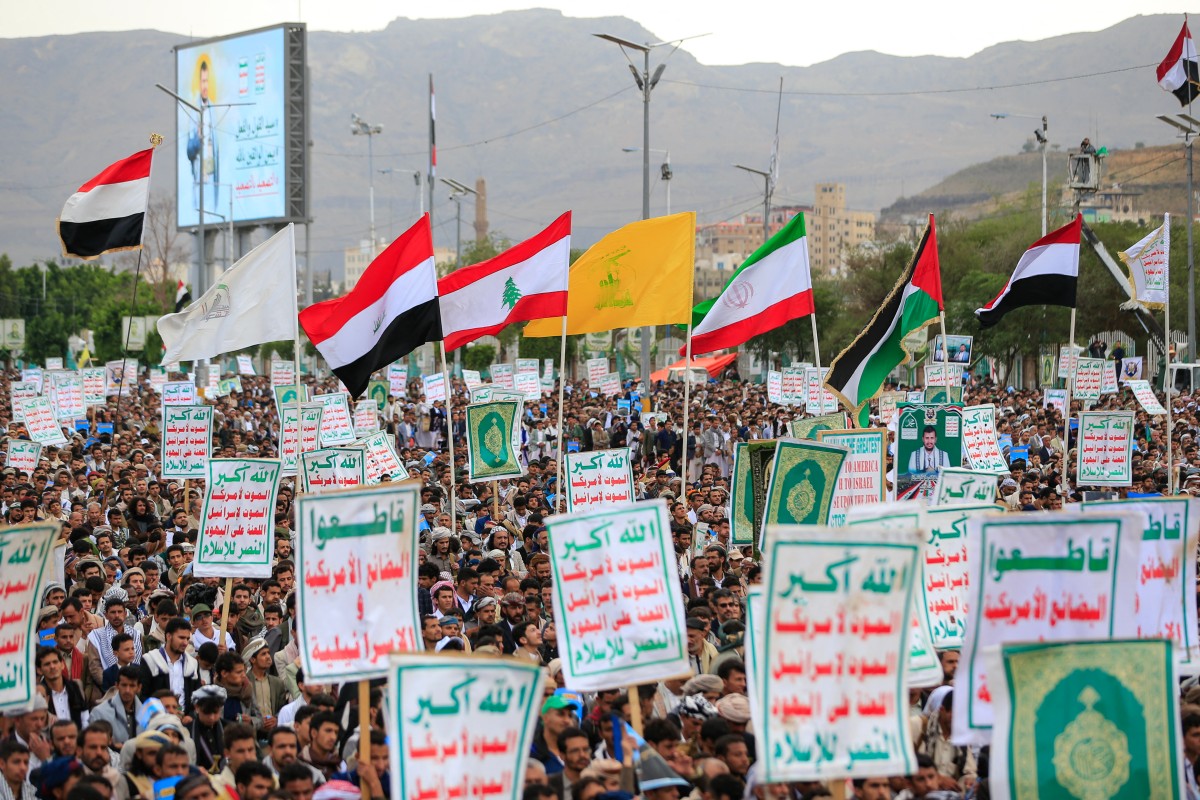
The Mecca Alliance's immediate operational objective is to systematically degrade and eliminate the Houthis' capacity to wage war, an effort that has already triggered major aerial and technological escalation across the region.
The Saudi-led coalition has significantly increased its air support for the internationally recognized Yemeni government's troops, mobilizing an armada of more than one hundred modern fighter jets meeting the most advanced U.S. standards to carry out large-scale offensives that, according to government forces, have already destroyed hundreds of Houthi military targets.
Turkey's formal entry, alongside Pakistan, brings NATO's second-largest standing army into this theater of operations, introducing an overwhelming force combining advanced electronic warfare capabilities, cutting-edge drone technology, and formidable defensive power, thereby profoundly altering the balance of power.
Limits of the engagement: no ground troops in Yemen
Despite this display of overwhelming strength, the alliance still faces deep structural frictions and the long-term complexities of the Yemeni issue.
Although the current activation is based on defensive troop deployments within Saudi borders and aggressive air support over Yemen, carried out by the Royal Saudi Air Force, direct air or ground intervention by Turkish or Pakistani infantry in Yemen's mountains remains highly unlikely.
Such a move would entail massive domestic political risks for Ankara and Islamabad, while also risking a regional expansion of the conflict involving Iran.
The Red Sea: the next front
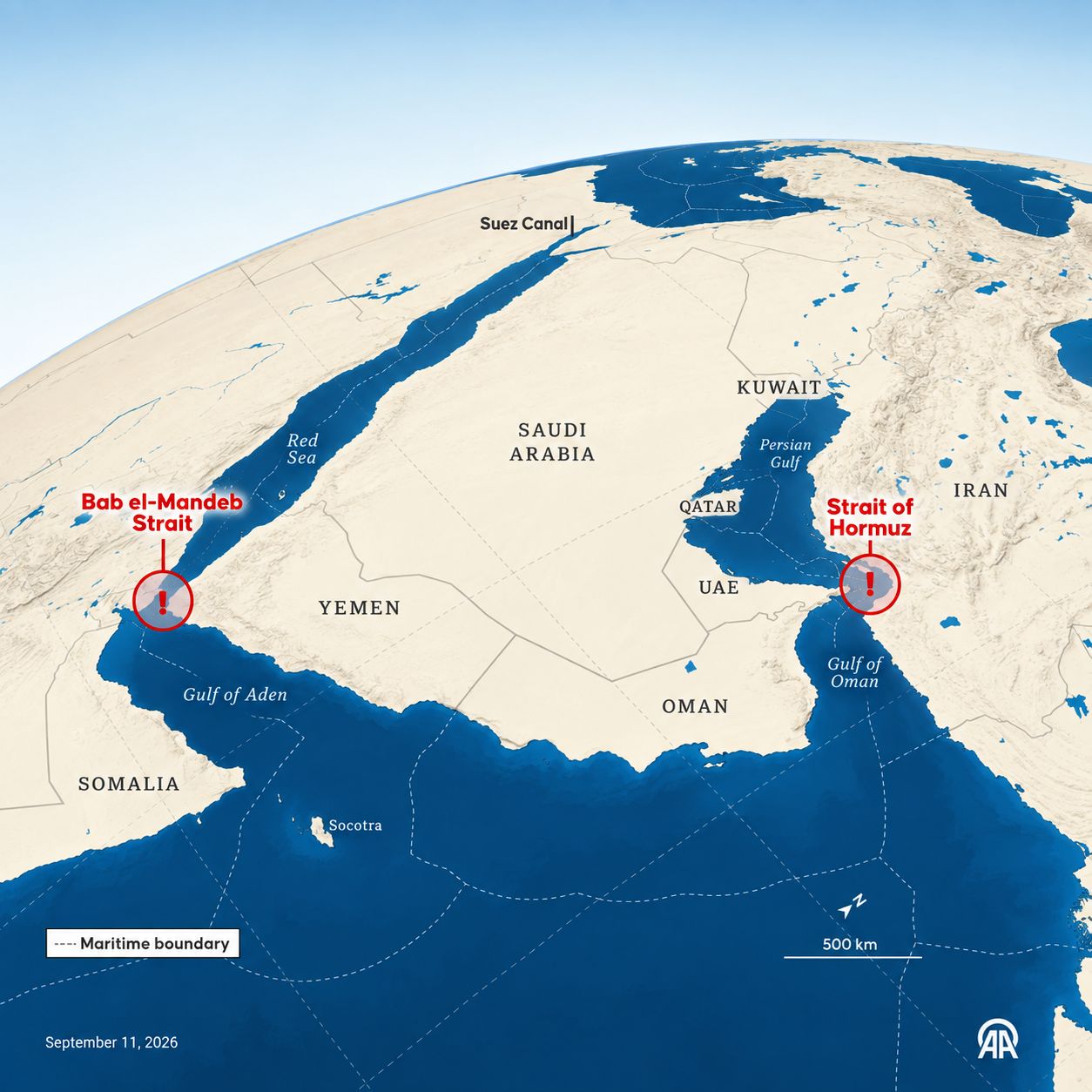
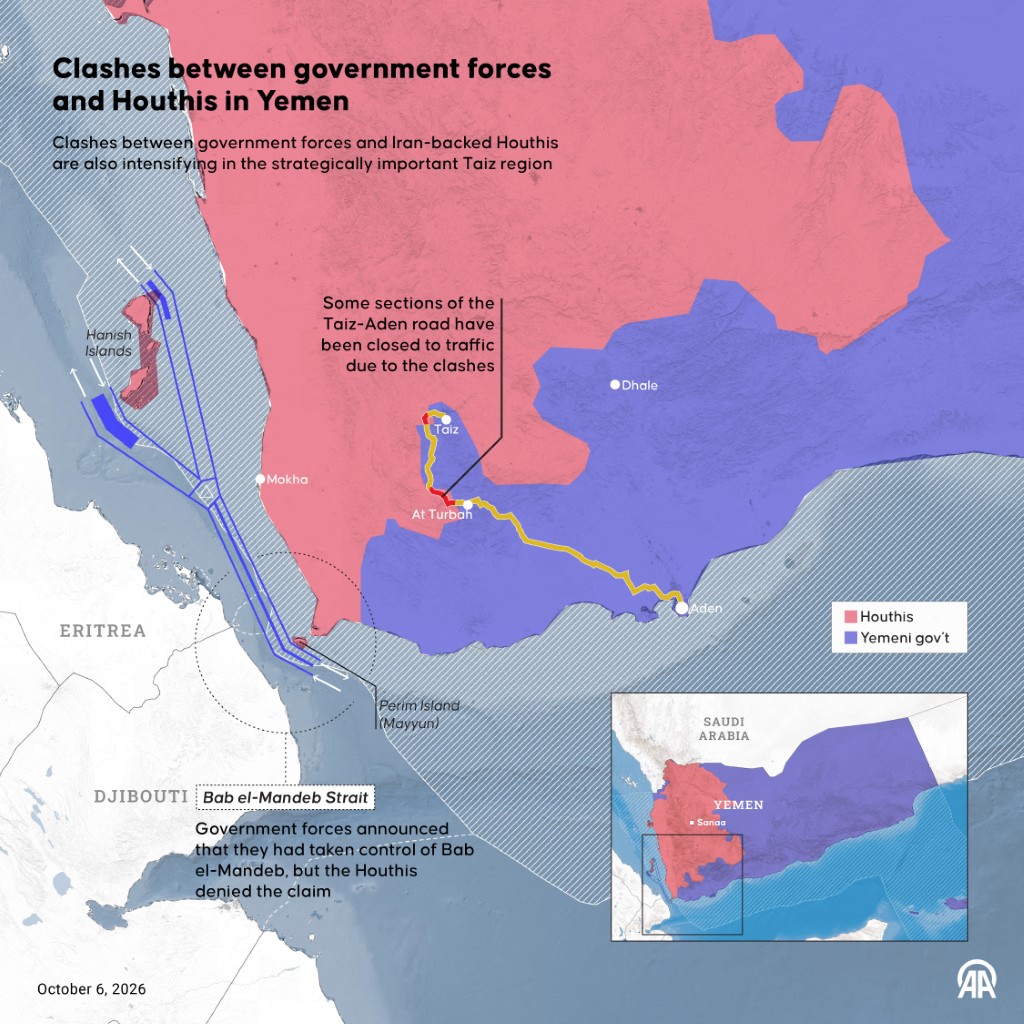
By contrast, the maritime front along the Red Sea is likely to become an extremely active theater of operations; Houthi forces are aggressively pressing toward Taiz in an effort to encircle it, and their return to the vicinity of the Bab al-Mandab Strait remains a possibility if they manage to mount a counteroffensive.
Consequently, a coordinated naval effort involving the alliance is highly likely to secure these vital global shipping lanes, especially since the Turkish and Saudi navies are active in the Red Sea and off the Horn of Africa.
Shadow diplomacy: the delicate Iranian issue
At the same time, the alliance's diplomatic strategy will likely focus on further isolating the Houthis and choking off their logistics.
This will require delicate handling, as Pakistan and Turkey must carefully preserve the balance of their diplomatic relations and their shared borders with Iran. This means the alliance will rely heavily on intense behind-the-scenes diplomatic pressure on Tehran to withdraw or reduce its support for Houthi advances. However, Tehran will undoubtedly demand a price, complicating the backchannel process.
Toward a controlled military stalemate
Recent developments suggest that the Yemen issue will take the form of a massive air and air-defense campaign designed to block Houthi movements and protect Saudi Arabia from reprisals, thereby imposing a stalemate on the ground without becoming bogged down in a prolonged war of attrition.