

The Red Sea and the Horn of Africa: Converging Interests and Regional Rivalries (5/6)


Maritime security in the Red Sea and the Bab el-Mandeb Strait, and by extension in the Horn of Africa, is a shared interest among regional powers, notably Egypt, Saudi Arabia, the United Arab Emirates, Turkey, and Israel.
But these powers disagree on which local actors should secure maritime routes, how to respond to attacks, and what role each country should play. A military operation deemed necessary by some may therefore be seen by others as an escalation. Freedom of navigation is thus a shared goal, but how to achieve it remains contested.
Brought together by their economic interests, but still divided by political rivalries, these states can cooperate in response to a specific threat while backing rival partners along the shores of the Red Sea, in the Horn of Africa, and in Yemen.
Riyadh and Abu Dhabi: diverging approaches rather than a rupture
The Saudi-Emirati relationship is one of the main forces shaping the shifting regional balance. The two countries share many security and economic interests, but their approaches to exerting influence differ.
Riyadh seeks stability based on recognized central governments, while Abu Dhabi places greater emphasis on flexible, structured partnerships with state and non-state actors that possess specific infrastructure and capabilities.
However, this divergence is not an absolute rule. Saudi and Emirati policies vary with circumstances and involve pragmatic adjustments, with neither country favoring the same tools across every theater.

This screenshot from CCTV footage shows a Houthi attack on Abha International Airport in Saudi Arabia on October 7, 2026. The kingdom has been the target of repeated Houthi attacks, shifting the center of gravity of the war in the Middle East, which began in February with US-Israeli strikes on Iran. (AFP)
Their competition nevertheless becomes apparent when their local partners pursue conflicting objectives. In Sudan, for example, their differences concern the respective roles of the Sudanese Armed Forces (SAF) and the Rapid Support Forces (RSF) in the country's political future.
In Somalia, their differences center on the relationship between the sovereignty of the federal government in Mogadishu, which Saudi Arabia supports, and the UAE's direct ties with the separatist authorities in Somaliland.
In Yemen, the differences between Riyadh and Abu Dhabi concerned the distribution of power within the anti-Houthi camp and the southern question, during the 2015–2022 war. This southern question is a political conflict distinct from the fight against the Houthis. Its roots lie in the forcible unification of North and South Yemen in 1990, the outcome of which fostered a lasting sense of marginalization among southerners. They seek better political representation, a fairer share of resources and, in the case of some movements, the restoration of an independent southern state.
Established in 2017 amid the war and backed by the United Arab Emirates, the Southern Transitional Council (STC) has been a major force in the independence movement, without representing the full range of southern aspirations.
Despite their shared opposition to the Houthis, the STC and the internationally recognized, Saudi-backed government remained divided over the country's future.
The dissolution of the STC was formalized in early 2026 following the use of military force by the legitimate government and Riyadh’s air force. However, the STC continues to exist in practice, and aspirations for autonomy have not disappeared, nor have Saudi-Emirati differences: Riyadh favors keeping Yemen united, while Abu Dhabi supports influential southern forces in strategically important coastal areas in the country’s southeast.
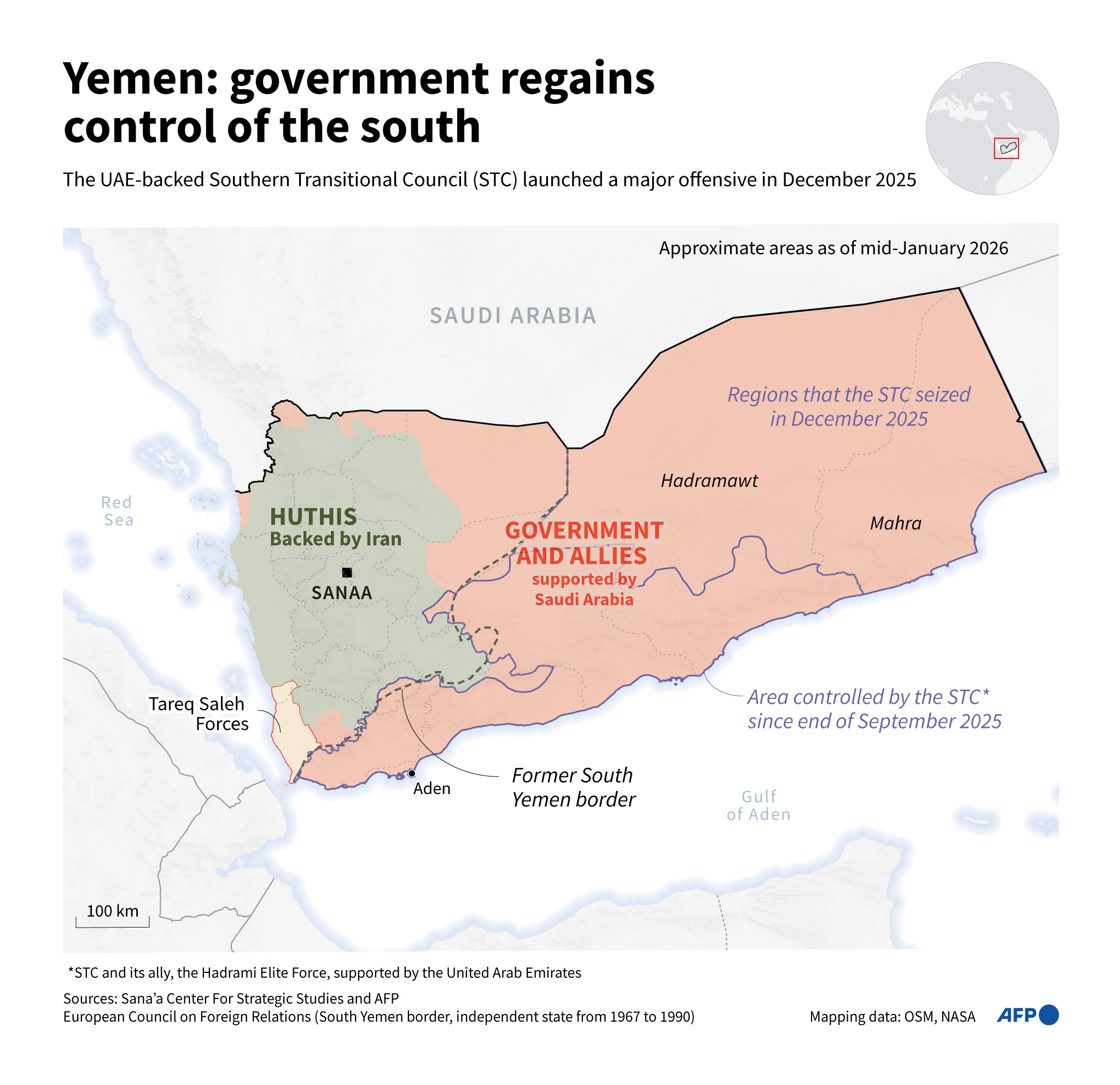
The future of the South thus remains a fundamental issue: a settlement with the Houthis cannot guarantee lasting peace without an inclusive political solution addressing the status and role of the southern territories.
These differences do not rule out cooperation between Saudi Arabia and the United Arab Emirates against the Houthis and across the region, but they change its terms: their partnership rests less on a shared regional vision than on the ongoing management of disagreements.
Sudan: Internationalization and Local Actors
The war in Sudan brings together several regional rivalries, but cannot be explained through that lens alone. Local belligerents have their own power structures, economic resources, and military strategies. External support sustains or reshapes their capabilities without eliminating their autonomy.
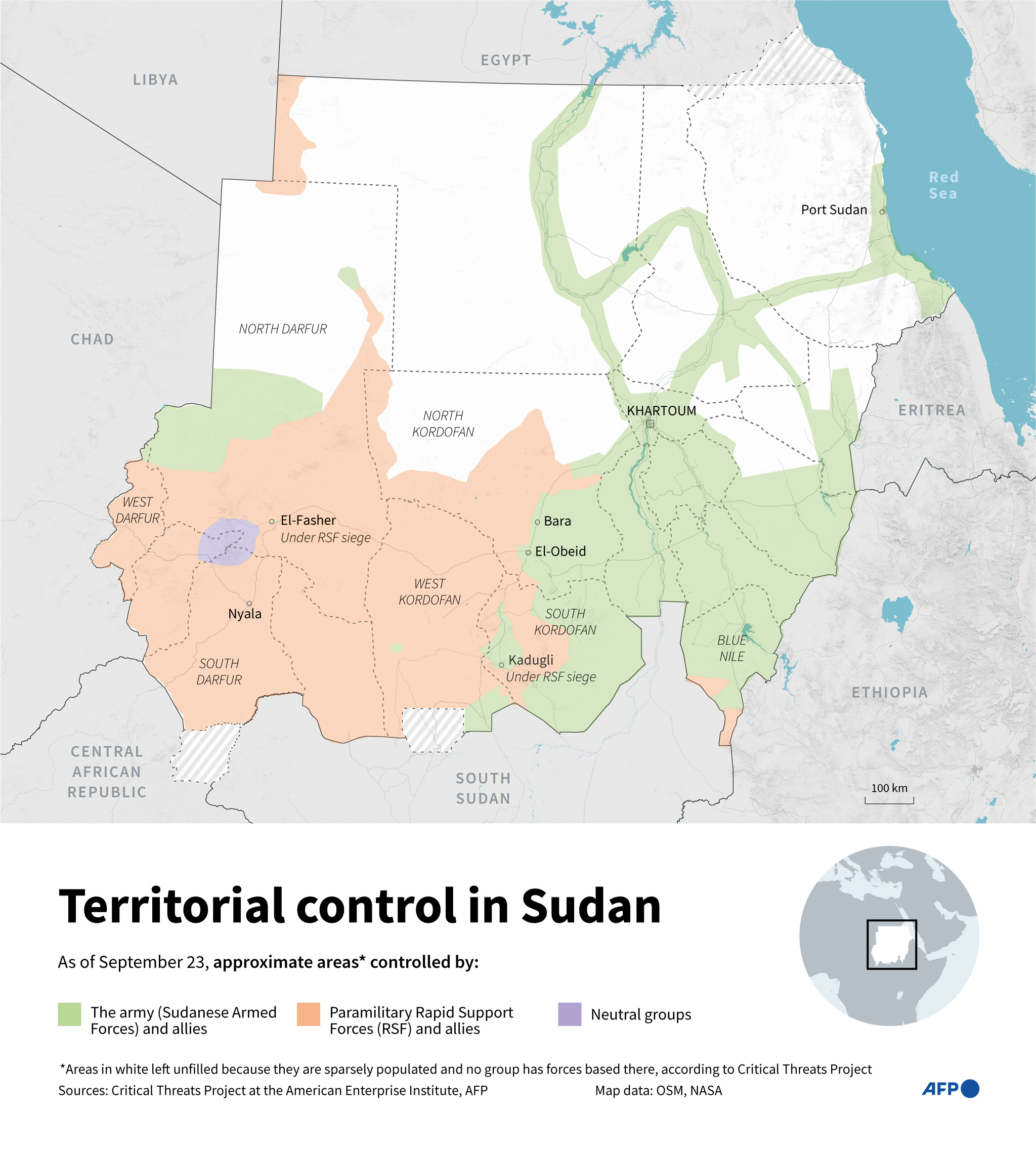
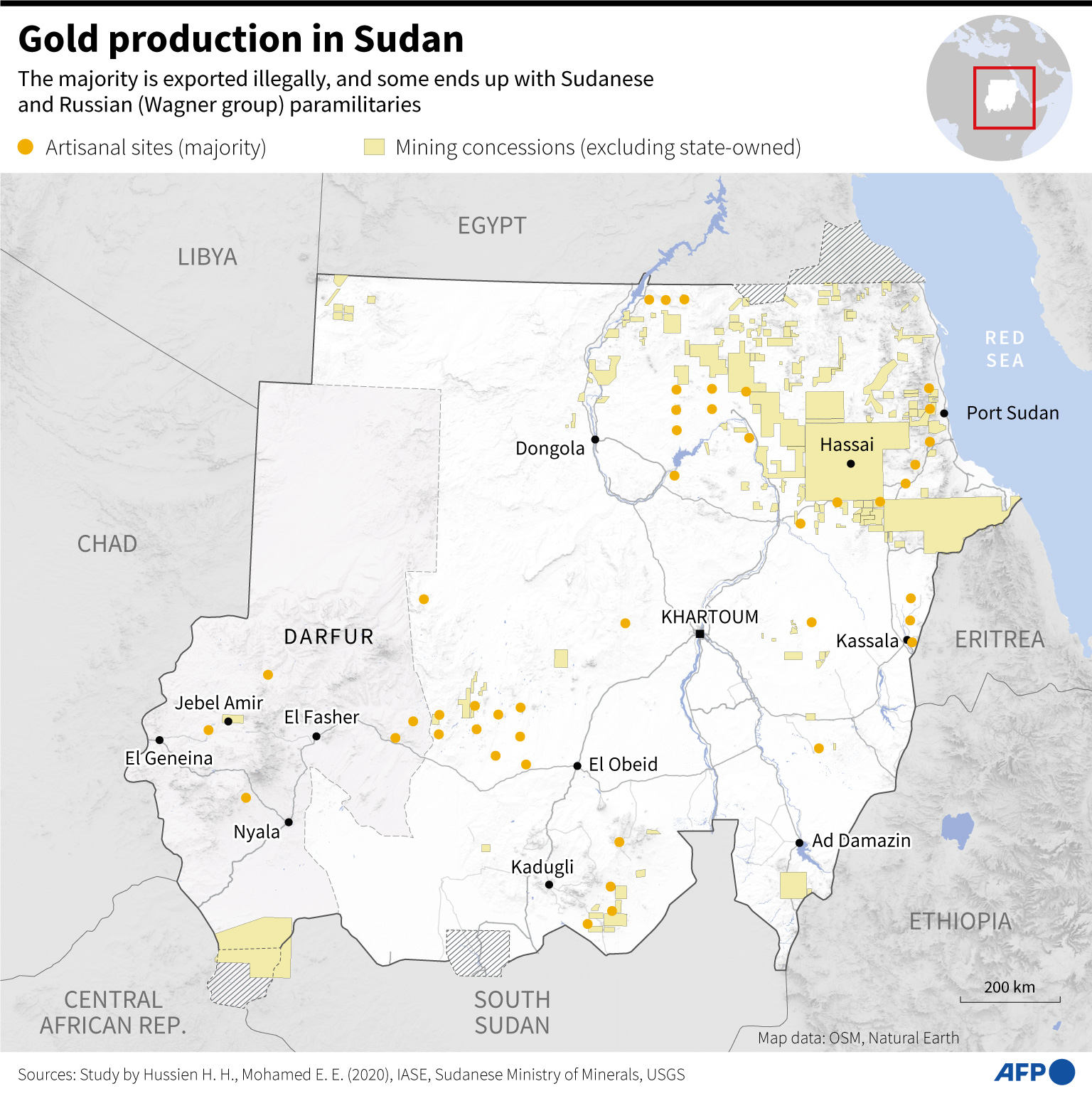
The main risk is the entrenchment of a war economy fueled by the extraction and smuggling of Sudanese gold, as well as cross-border supply networks for weapons, ammunition, and fuel.
Control over gold mines, trade routes, and border crossings provides the Sudanese Armed Forces (SAF) and the Rapid Support Forces (RSF) with the revenue and logistical resources needed to continue fighting, despite the human cost.
Diplomatic initiatives remain limited in their impact if the regional powers publicly calling for peace continue, directly or indirectly, to finance, arm, or supply the belligerents.
Likewise, a stated commitment to Sudan’s unity does not imply agreement on its political future: preserving its borders resolves neither the division of power among the SAF, armed groups (1) and civilian representatives, nor the question of integrating or dismantling the RSF, nor that of civilian control over the security forces.
A lasting settlement therefore requires far more than a compromise between the two sides’ regional backers: it must dismantle the economic networks that sustain the war, address the political causes of the conflict, and give Sudanese society a genuine say in shaping its future.
Somaliland: The Convergence of Multiple Disputes
Breakaway Somaliland brings several distinct issues into focus: first, its demand for recognition, which conflicts with Somalia’s territorial integrity; second, Addis Ababa’s pursuit of access to the sea; and third, the interests of port investors. The overlap between these issues makes any diplomatic initiative more sensitive.
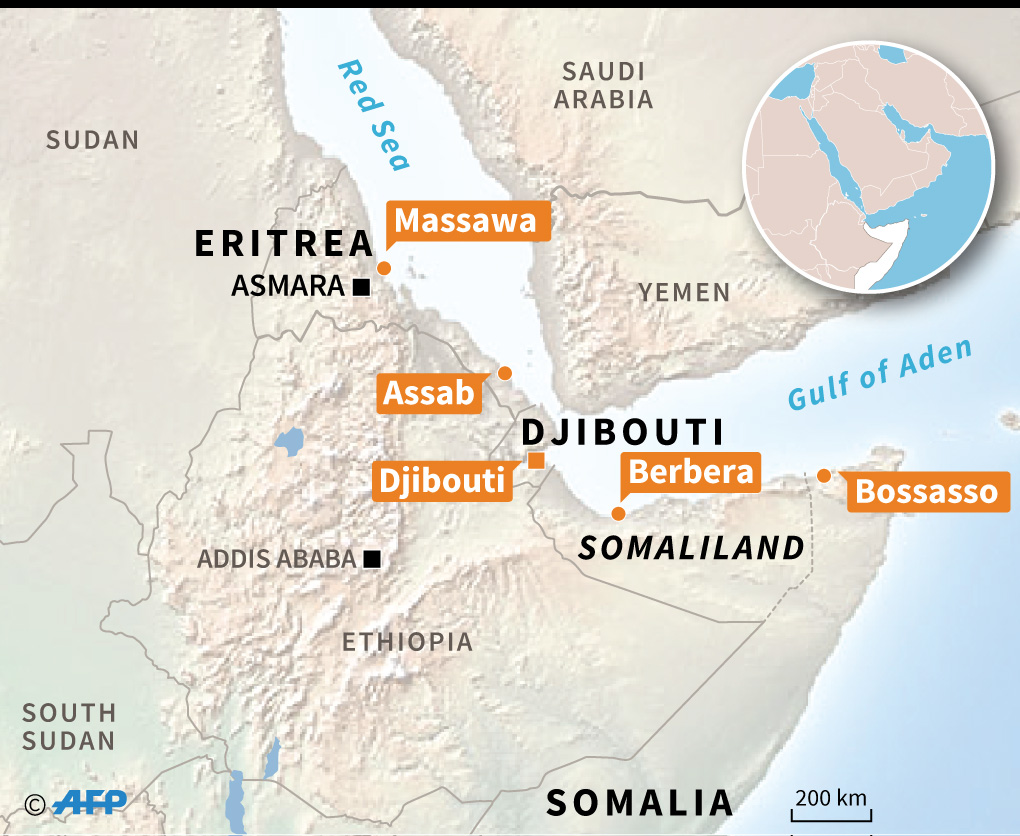
The port of Berbera, developed by the Emirati company DP World, provides Somaliland with revenue and Ethiopia with an alternative to the port of Djibouti. For the UAE, Berbera serves as a logistics hub and a source of regional influence.
Tensions intensify when agreements with Ethiopia effectively recognize Somaliland as an independent state or provide for military access to the port of Berbera.
Mogadishu sees this as a violation of its sovereignty. Egypt is primarily concerned about Ethiopia’s ambitions to secure access to the sea through Berbera, while Turkey supports Somalia’s territorial integrity and at the same time maintains excellent relations with Ethiopia.
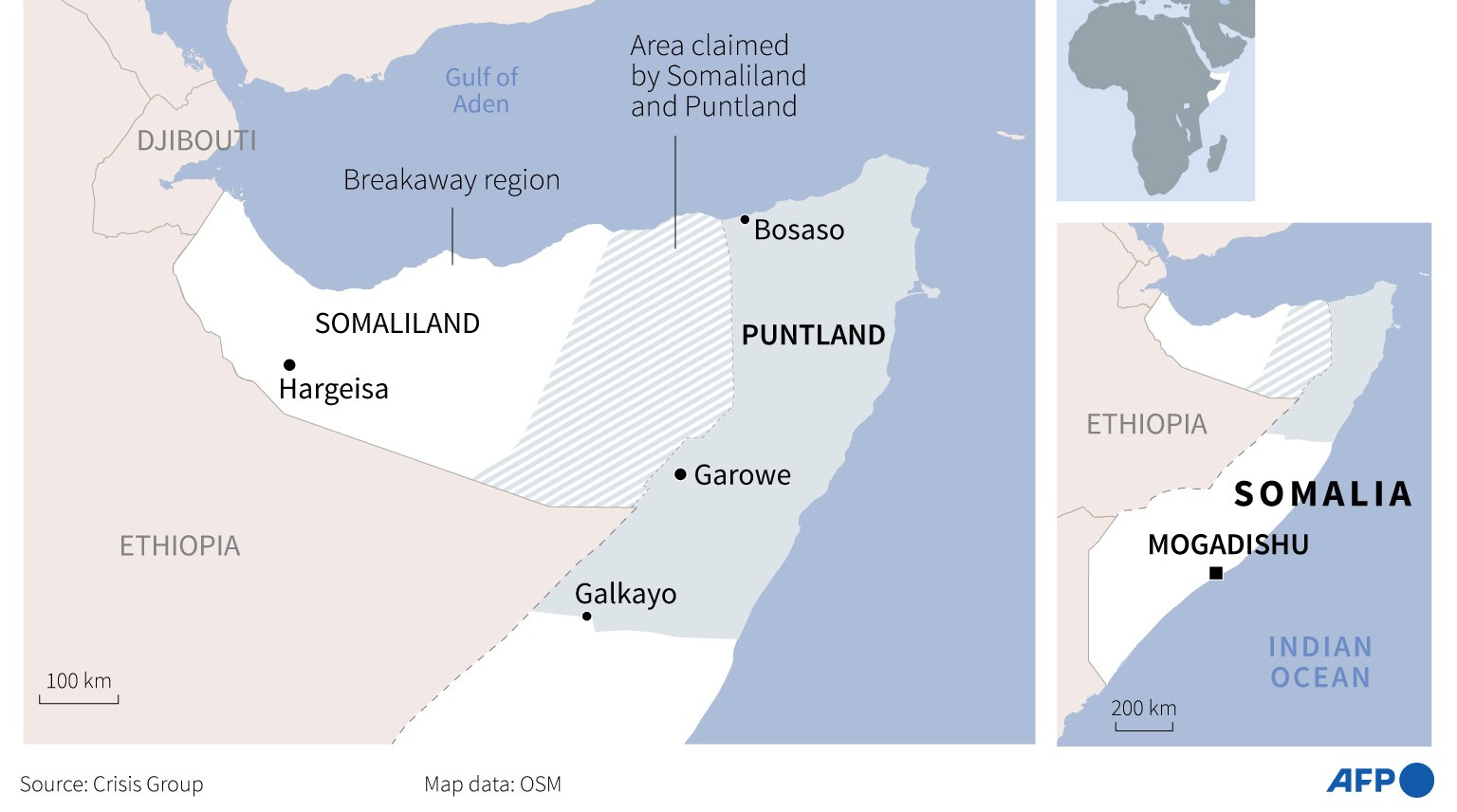
Nevertheless, efforts to ease tensions must distinguish between port concessions, security cooperation and military deployments, since commercial arrangements, security commitments and questions of recognition do not have the same legal and political implications.
Overlapping partnerships that prevent polarization into two blocs
The region is not neatly divided into two blocs. Indeed, as noted above, Turkey maintains excellent relations with both Mogadishu and Addis Ababa.
The UAE maintains substantial economic ties with Egypt while developing its partnership with Ethiopia. Riyadh may compete with Abu Dhabi on some issues while seeking to coordinate with it on others.
These overlapping relationships act as checks on escalation. They raise the cost of open confrontation and keep avenues for mediation open. They can also create misunderstandings when actors interpret an economic partnership as a guarantee of strategic alignment.
The United States, Europe, Japan and China are involved in this web of relationships without controlling all its dynamics. Washington seeks to coordinate efforts among its partners and contain crises.
European and Asian initiatives likewise serve their own interests. The immediate danger, therefore, is not necessarily the formation of rigid blocs. Rather, it lies in a chain reaction of local initiatives, perceived threats and military responses.
A border incident, a maritime attack or a misinterpreted agreement could, for example, link crises that had previously been separate. Managing perceptions thus becomes just as important as managing capabilities.
(to be continued)
(1) Sudan’s political and military landscape is extremely complex, and the war is not simply a conflict between the Sudanese Armed Forces (SAF) and the Rapid Support Forces (RSF); it also involves militias allied with both sides, as well as others that remain neutral. Militias allied with the SAF include the Darfur Joint Force, which brings together three allied militias, the Sudan Liberation Movement, the Islamist Al-Baraa Bin Malik Brigade and the Sudan People’s Liberation Movement–North. Militias allied with the RSF, meanwhile, include the Third Front (Tamazuj) and various Arab militias (former Janjaweed from Darfur). Finally, powerful, long-established rebel factions retain their territorial autonomy and remain neutral, notably Abdelaziz al-Hilu’s branch of the Sudan People’s Liberation Movement–North in the Nuba Mountains and the Sudan Liberation Movement–Abdul Wahid, firmly entrenched in Jebel Marra.
Red Sea and the Horn of Africa: Türkiye’s Role (4/6)
The Red Sea and the Horn of Africa: Gulf Rivalries, African Vulnerabilities (3/6)
The Red Sea and the Horn of Africa: the cases of Sudan and Ethiopia (2/6)
The Red Sea and the Horn of Africa: The Shifting Balance of Power in the Middle East (1/6)
Hezbollah-Israel: An Endless War in Whose Interests? (20)
More from Khalil Helou
View All


More in Strategia
View All


Latest from Levant Time
View All


