



The geopolitics of oil and gas is shaped by the uneven geographical distribution of resources, which gives producing countries disproportionate influence. The year 2026 has emerged as a critical turning point for global energy security. Persistent regional conflicts, heightened geopolitical tensions and climate-related disruptions affecting vital shipping routes have profoundly shaken confidence in hydrocarbon supplies. An analysis is therefore needed to understand the mechanisms behind an unprecedented shock that is undermining supplies of oil and gas—the foundations of industrial power—even as coal remains in use and solar and nuclear energy continue to expand. Faced with this situation, the world is being forced to look beyond emergency measures and rethink its resilience strategies.
Infrastructure vulnerability to geopolitical shocks: the Middle East and Eurasia
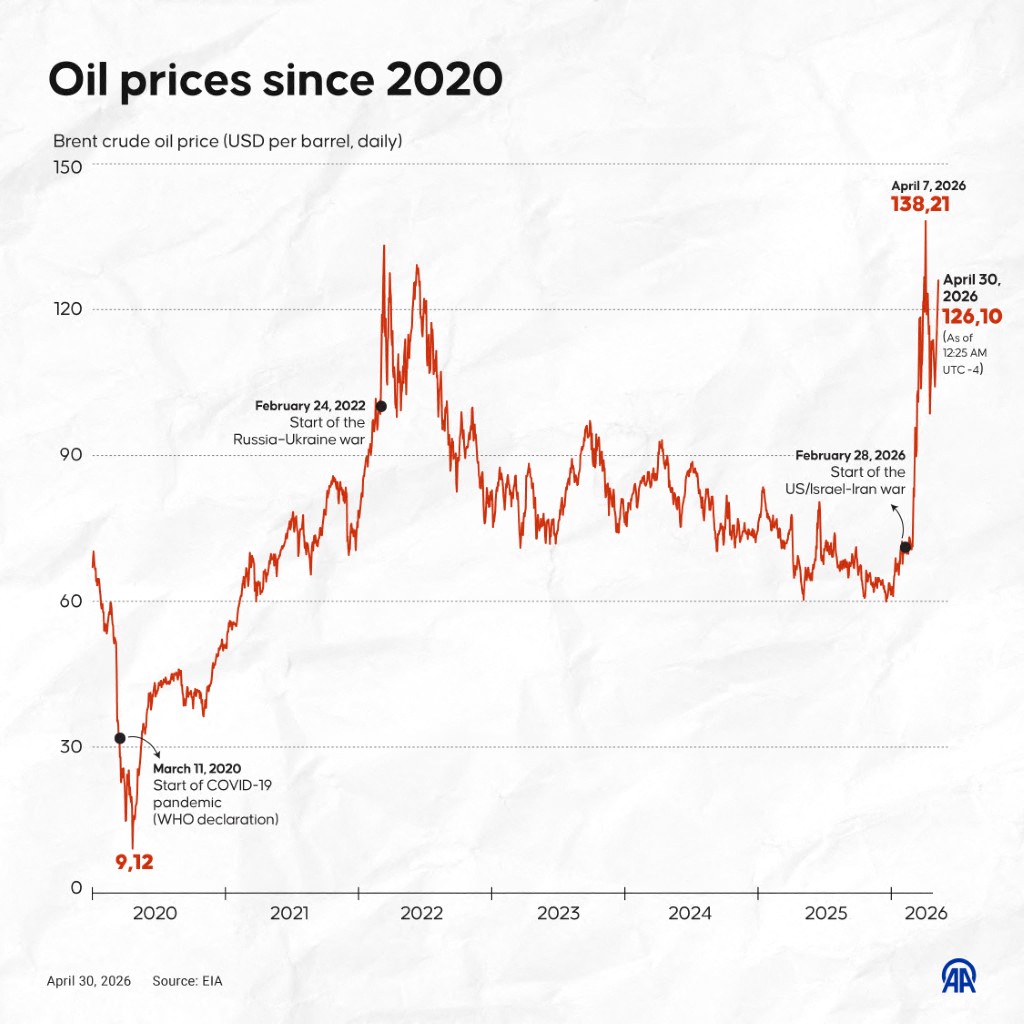
The regional conflict in the Middle East, which began in late February 2026, triggered a hydrocarbon supply shock, primarily because of the closure of the Strait of Hormuz.
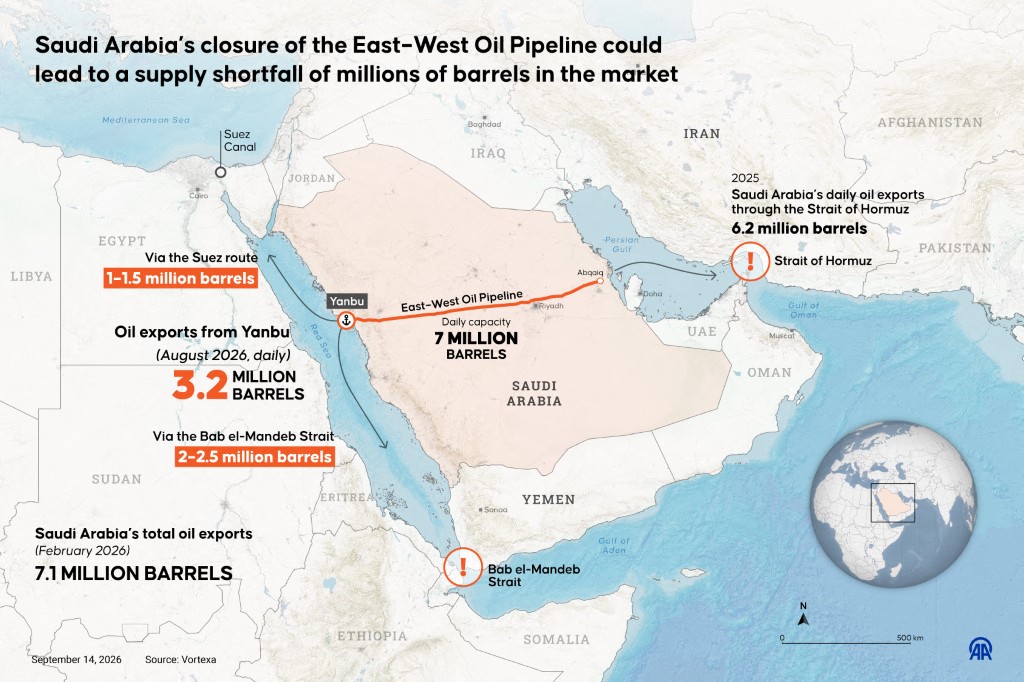
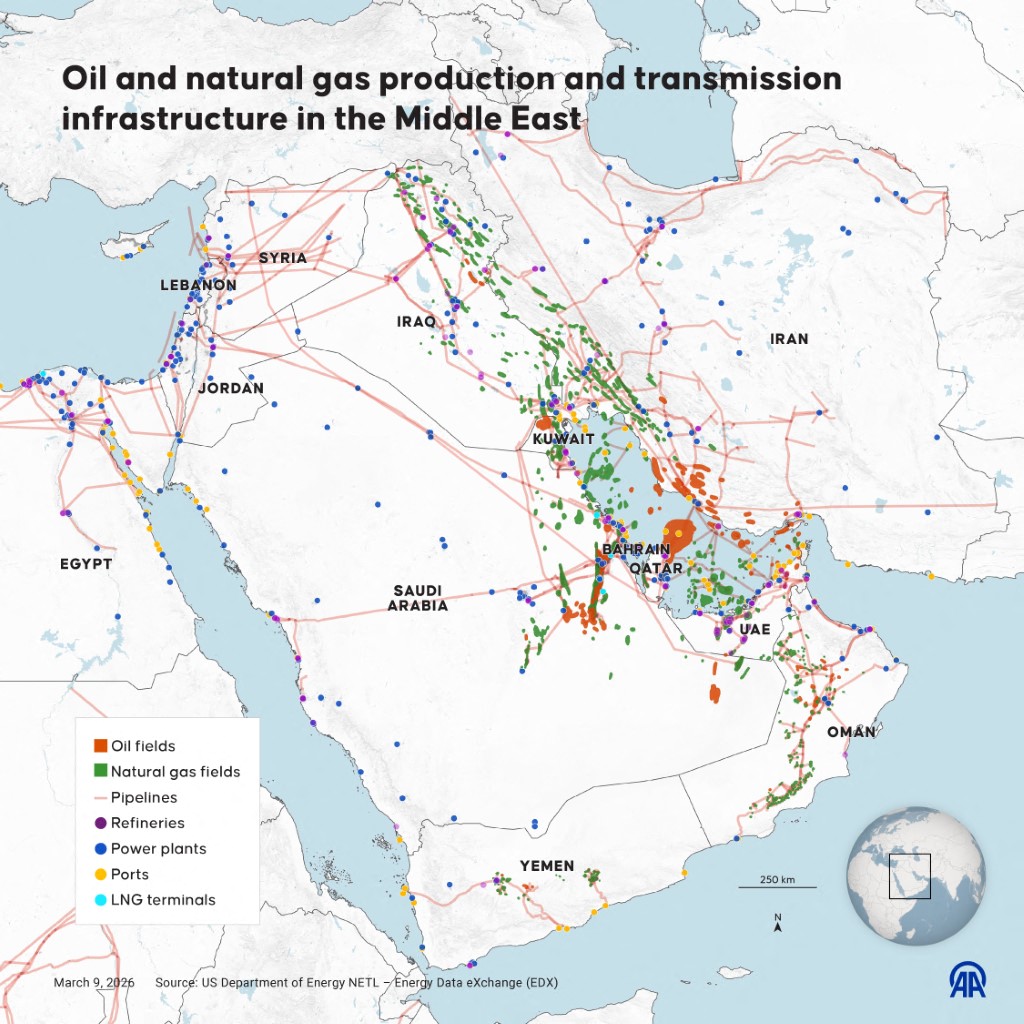
In addition, attacks by the warring parties on oil infrastructure in the Gulf states caused global refinery feedstock supplies to fall by 6% in the second quarter of 2026. In Saudi Arabia, the Ras Tanura refinery, which had an initial capacity of 550,000 barrels per day, was targeted by an Iranian drone attack on March 2, 2026, followed by another attack by Yemen’s Houthis in September 2026.
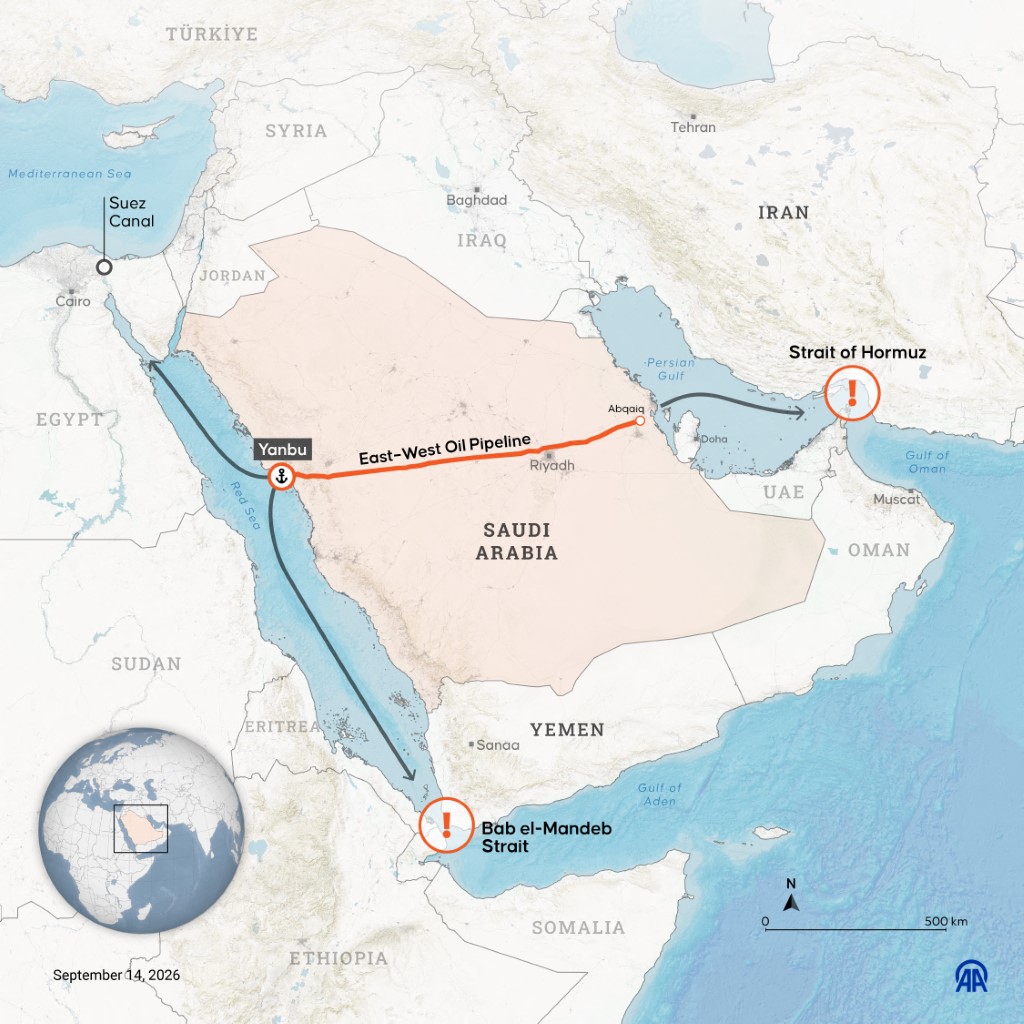
The Houthis also targeted Saudi Arabia’s strategic East–West oil pipeline, which links the refineries in Abqaiq, in the east, to the Yanbu export terminal on the Red Sea coast. Meanwhile, Iranian drones damaged Qatar’s Ras Laffan complex, forcing it to suspend liquefied natural gas (LNG) production as early as March 2026.
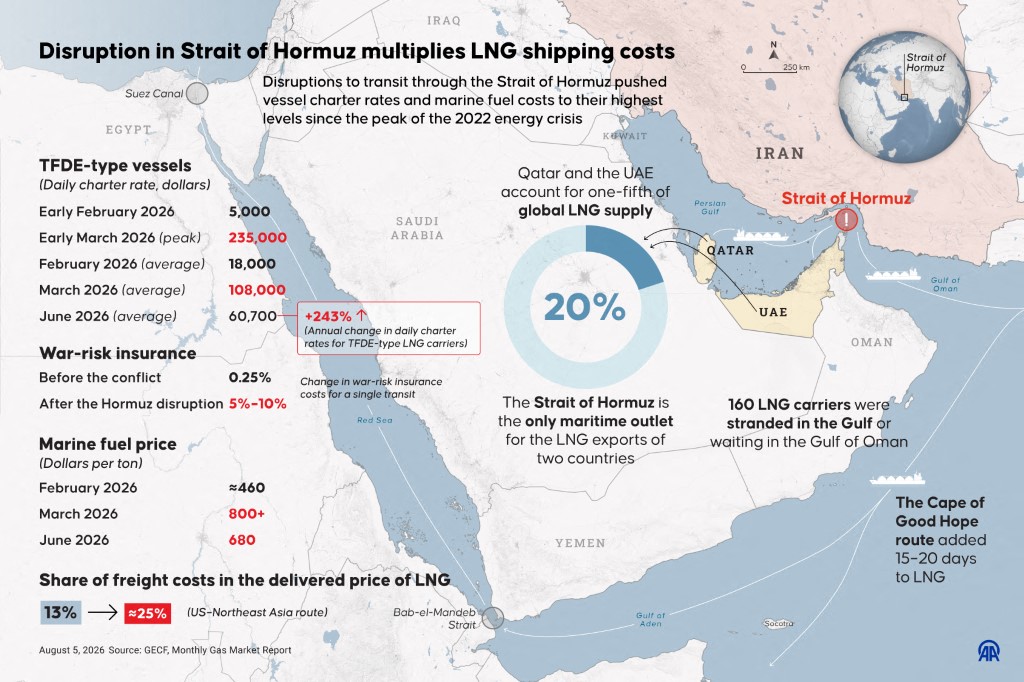
Critical facilities in Kuwait and the United Arab Emirates were also severely damaged. Finally, unable to retaliate effectively against US military targets, Iran is waging economic warfare against the West by attacking ships in the Strait of Hormuz, further tightening regional supply. Refinery feedstock supplies consequently fell by 0.7 million barrels per day in Kuwait and the UAE, and by 0.3 million barrels per day in Saudi Arabia during the second quarter of 2026.
At the same time, the Russia–Ukraine war is taking a heavy toll on Russia’s refining and extraction capacity, with its facilities becoming prime strategic targets for Ukraine, thereby reducing supply on international markets. Over the course of the year, attacks on Russian refineries had hit facilities accounting for up to 80% of the country’s refining capacity, although not all of that capacity was offline at the same time. From May 2026 onward, the resulting production declines were about 20% for gasoline and nearly 30% for diesel compared with 2025. During the summer, crude throughput reportedly fell further, bringing the total decline to around 33%.
Supply routes: blockades, security risks and drought
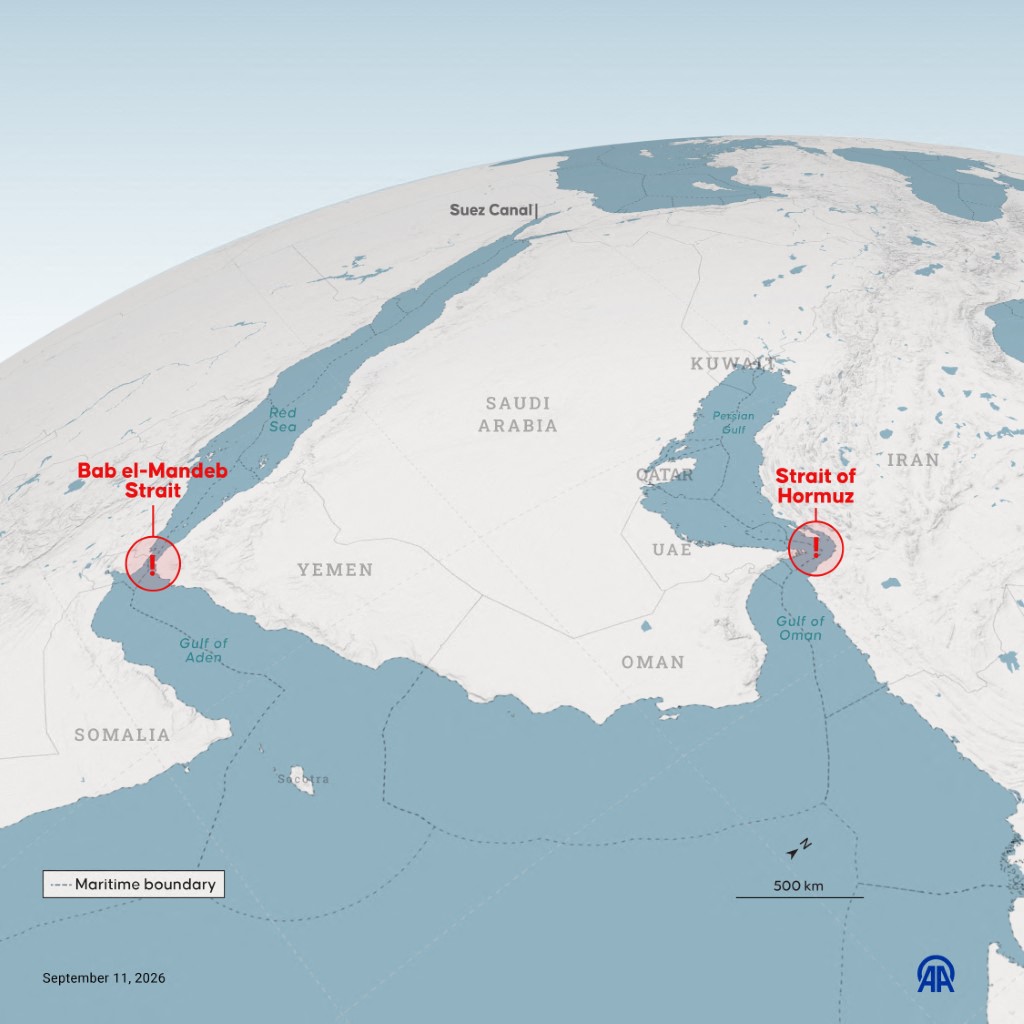
Before February 2026, roughly 20 million barrels of oil per day—nearly one-fifth of global consumption—passed through the Strait of Hormuz, along with some 85 ships daily. After war broke out on February 28, 2026, the risks of crossing the strait caused shipping traffic to collapse to seven vessels per day.
War-risk insurance premiums, previously around US$100,000 for a tanker worth US$100 million, rose to US$6–10 million. This increase drove up costs and deterred shipowners, further exacerbating the decline in oil and gas flows.
Moreover, chronic instability in the Red Sea, stemming from conflicts in Yemen, Sudan and the Horn of Africa, is forcing oil tankers to take costly detours.
This instability is compounded by another maritime chokepoint disrupting the smooth flow of trade: the Panama Canal.
The canal is prone to disruptions caused by drought[1]. Falling water levels in Lake Gatún have forced the Panama Canal Authority to limit daily transits and reduce the maximum permitted draft[2] for vessels, resulting in long queues and higher costs for shippers.
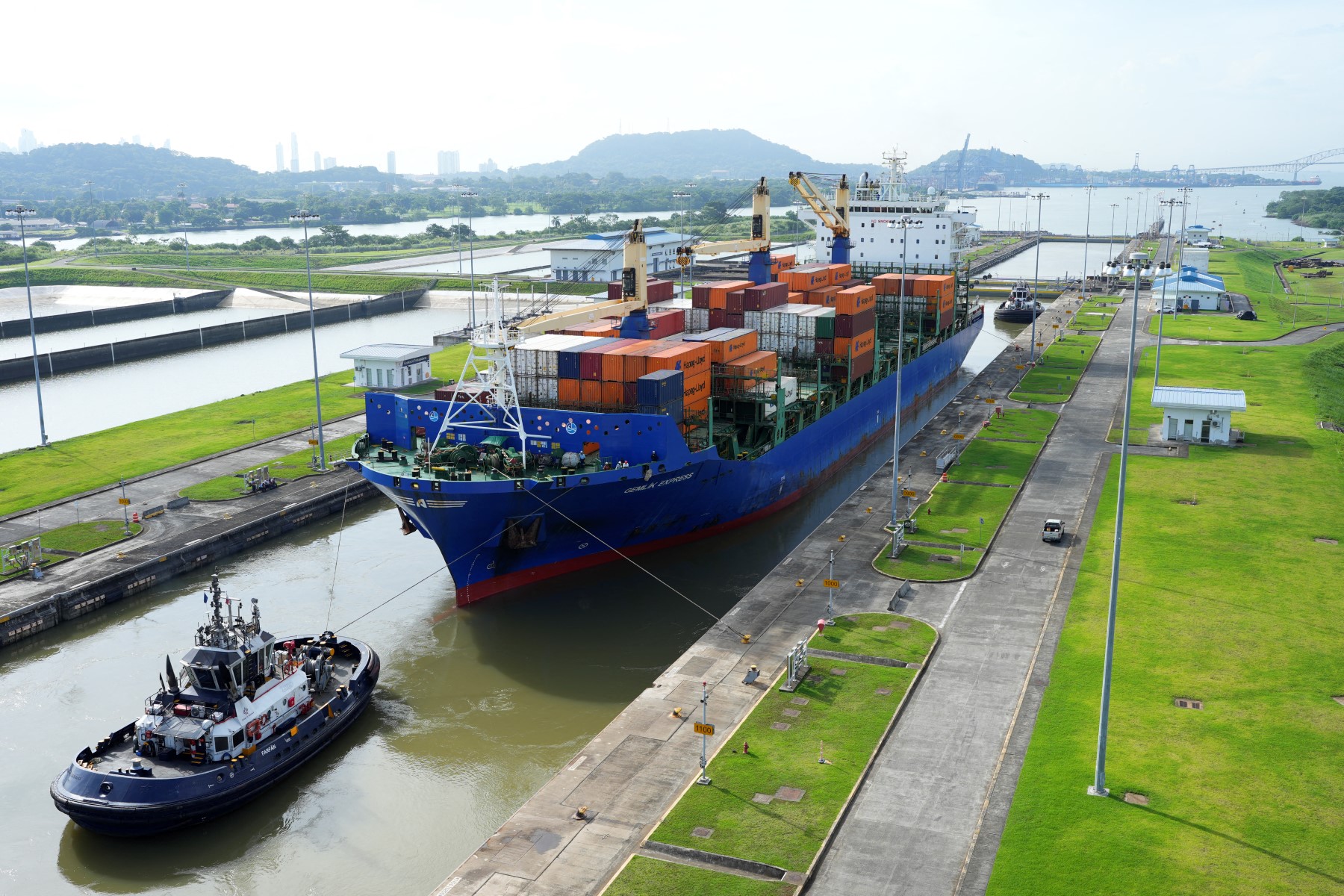
A section of the Panama Canal near the Cocolí locks. (AFP)
The canal is a crucial route for oil and LNG shipments connecting the U.S. Gulf Coast with Asian markets. Faced with these restrictions and uncertainty, many carriers have had to either reduce their loads to comply with the new draft limits or choose much longer alternative routes, such as through the Strait of Magellan, significantly increasing journey times and shipping costs.
Reshaping trade flows: the new pillars of supply
To overcome bottlenecks caused by conflicts affecting critical energy infrastructure, several resilience and adaptation strategies are being implemented, including diversifying sources of supply, notably by turning to the United States. In 2026, the U.S. increased its crude oil and LNG exports to help offset supply disruptions in the Middle East and Russia.
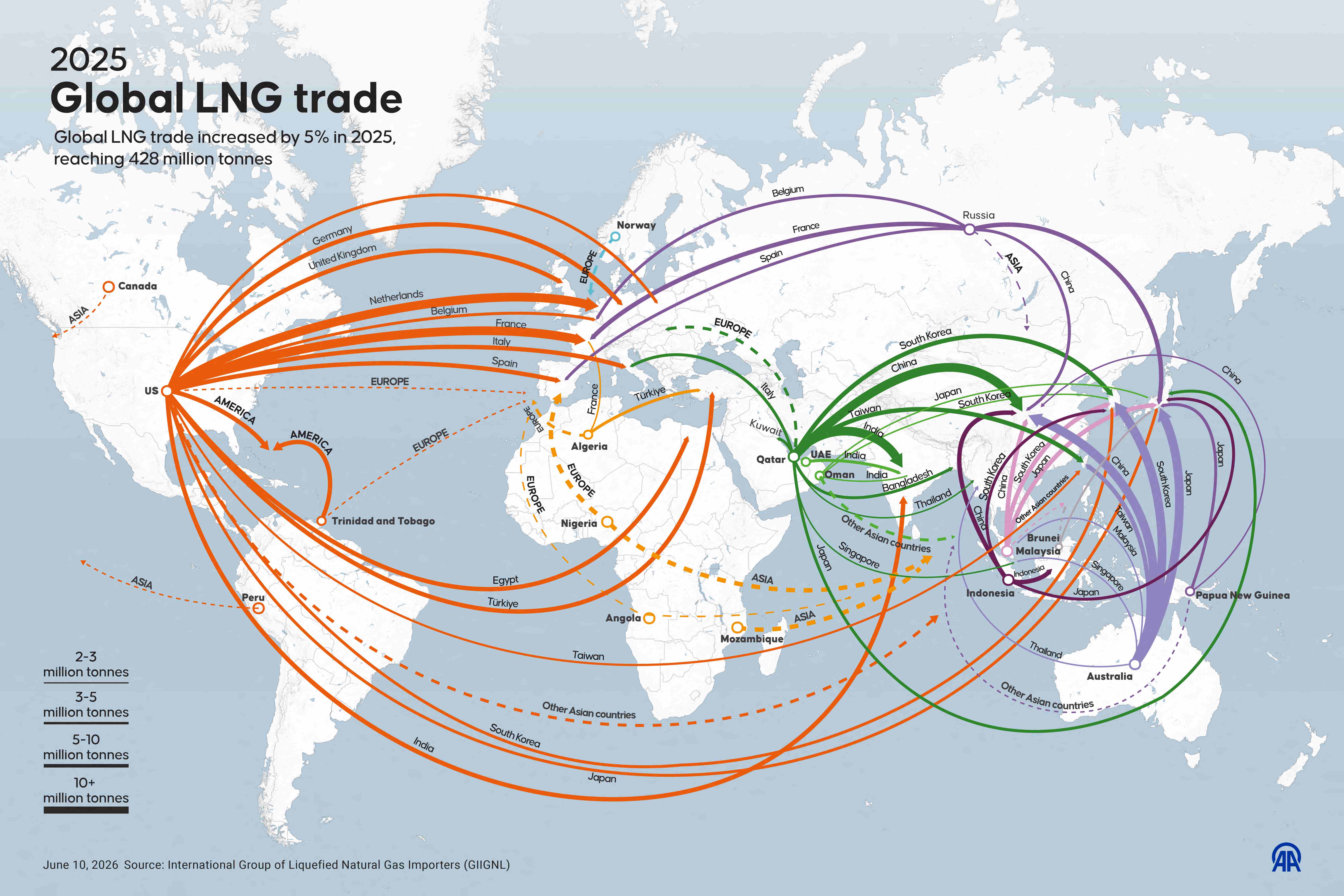
U.S. crude oil exports reached a monthly record of 5.6 million barrels per day this past May, as Asia and Europe increasingly turned to American crude. U.S. LNG exports will reach 17 billion cubic feet per day in 2026, up from 15 billion in 2025, while pipeline exports, mainly to Mexico, will reach approximately 9.8 billion cubic feet per day, strengthening the country's role as a gas supplier to global markets. Algeria has also played a key role and plans to continue doing so. Leveraging its strategic geographical position outside direct conflict zones, it has established itself as a pillar of gas supply security for Italy, Spain and Germany.
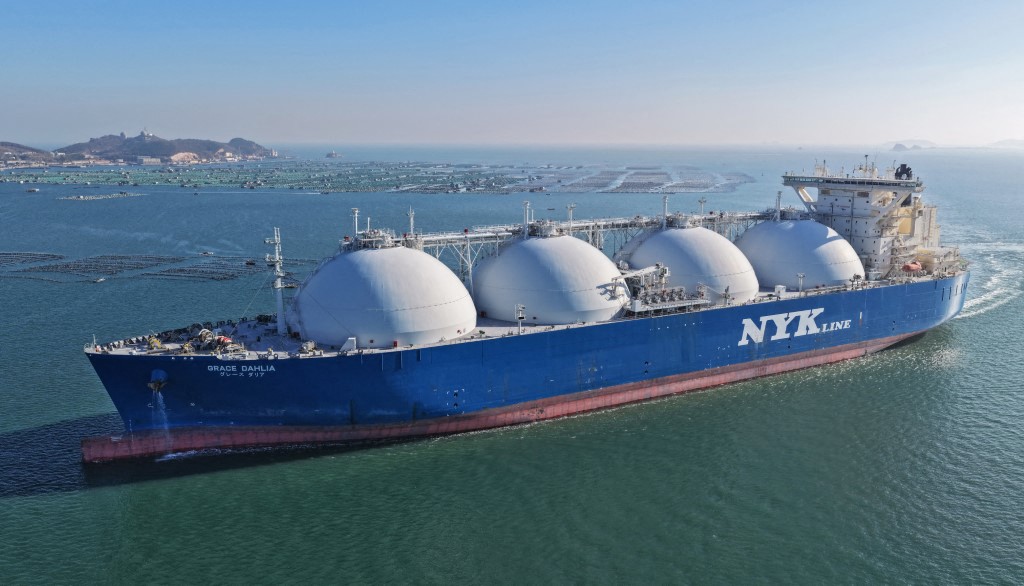
An LNG carrier, a vessel used to transport liquefied natural gas. (AFP)
Algeria's national oil and gas company, Sonatrach, plans to invest $60 billion over the next five years to boost gas production, which already rose by 4.2% in the first half of 2026. Algeria offers a reliable alternative for meeting European demand, although its capacity is constrained by growing domestic consumption. Libya, by contrast, is struggling to maintain its export volumes to Europe for several reasons, including political instability and insecurity. Libyan gas exports to Italy fell sharply, from 2.5 billion cubic meters in 2023 to around 1 billion in 2025. This trend continued in 2026, marking a significant decline.
Strengthening energy resilience through cooperation
Strikes targeting gas facilities, refineries and oil pipelines in the Middle East, Russia and Ukraine, combined with threats to major shipping routes, are increasing market volatility. These factors make energy security a lasting concern and call for a fundamental restructuring of supply chains. Resilience must now be at the heart of these supply chains, especially as forecasts suggest that markets will remain tight in 2027. Strengthening energy security therefore requires simultaneous action on infrastructure, crisis preparedness and international cooperation.
For energy-consuming countries, resilience depends on diversifying their mix of fossil fuels, renewables and nuclear energy, broadening their range of supplier countries, modernizing facilities, expanding strategic and operational storage capacity, and increasing decentralized renewable energy generation.
Tensions in the Middle East have severely affected Gulf energy producers and had repercussions on international markets. Against this backdrop, closer coordination between the European Union and the United States could help stabilize markets and limit shortages, despite their disagreements, particularly over the war in Ukraine. The limitations of cooperation among Gulf Cooperation Council (GCC) countries also highlight the need for stronger multilateral engagement. Coherent regional planning should link production, storage and distribution policies with defense, security and diplomacy. Such an approach is essential to the credibility of Gulf countries and to preserving their international influence.
[1] The Panama Canal uses a series of locks to raise ships from the Atlantic to the elevated Gatún Lake, then lower them toward the Pacific, and vice versa. These locks work by filling and emptying chambers with fresh water supplied by rainfall that feeds the region’s lakes. During droughts, the lake level falls, leaving less water available for the locks, which lose some water with each transit. To keep the canal operating, authorities reduce the number of ships allowed to pass through or lower the permitted draft, sometimes forcing ships to carry less cargo and causing delays.
[2] Draft is the depth of the submerged part of a ship, measured from the water’s surface to the lowest point of its hull. The more heavily a ship is loaded, the deeper it sits in the water and the greater its draft. If the canal restricts the permitted draft, the ship must reduce its cargo to pass through without hitting the bottom.
Red Sea and Horn of Africa: Four Possible Scenarios (6/6)
The Red Sea and the Horn of Africa: Converging Interests and Regional Rivalries (5/6)
Red Sea and the Horn of Africa: Türkiye’s Role (4/6)
The Red Sea and the Horn of Africa: Gulf Rivalries, African Vulnerabilities (3/6)
The Red Sea and the Horn of Africa: the cases of Sudan and Ethiopia (2/6)
More from Khalil Helou
View All


More in Strategia
View All


Latest from Levant Time
View All


