شعار Levant Time
Khalil Helou

Khalil Helou

The Conflict in Yemen: Geopolitical and Strategic Considerations
بقلم
Khalil Helou
نُشر
Oct 10, 2026 - 10:23

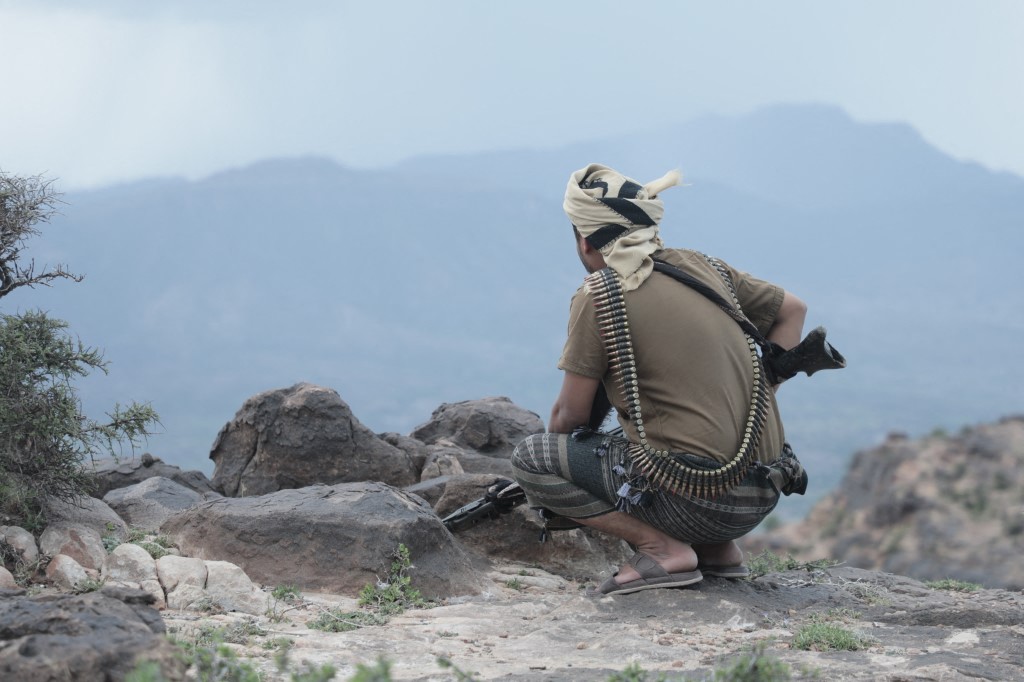
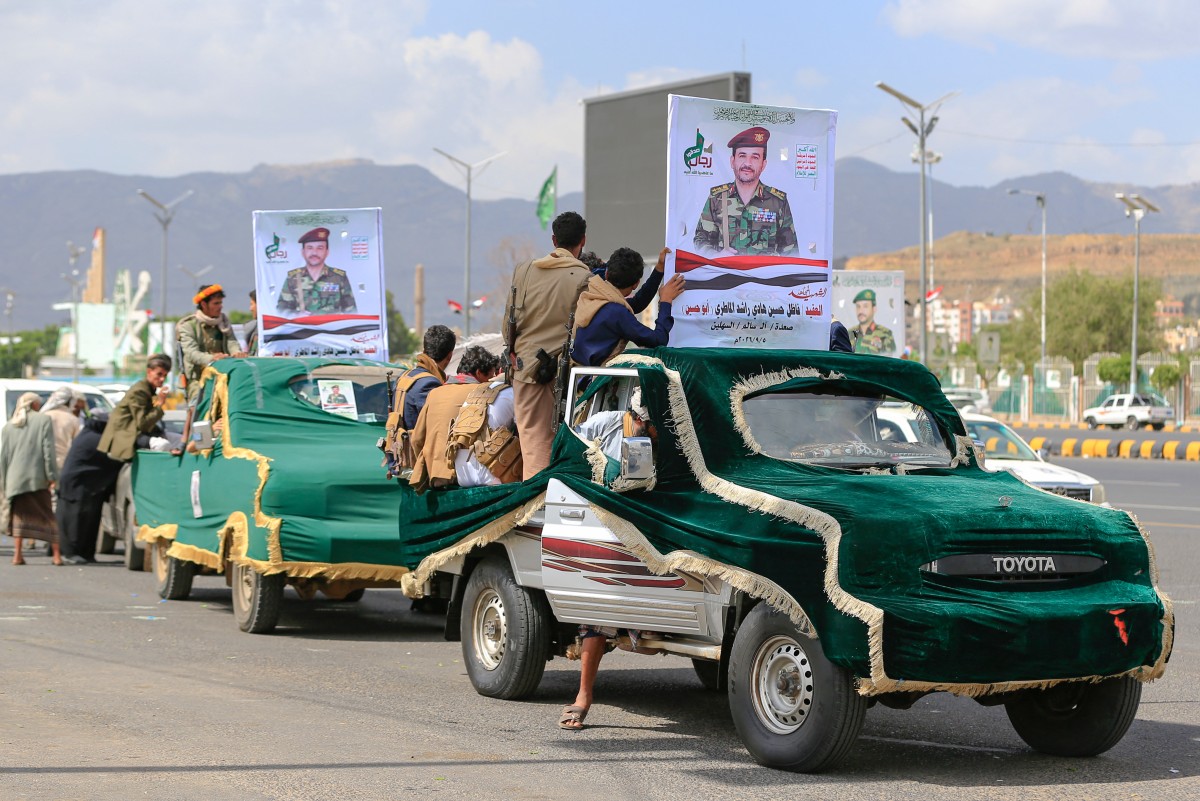
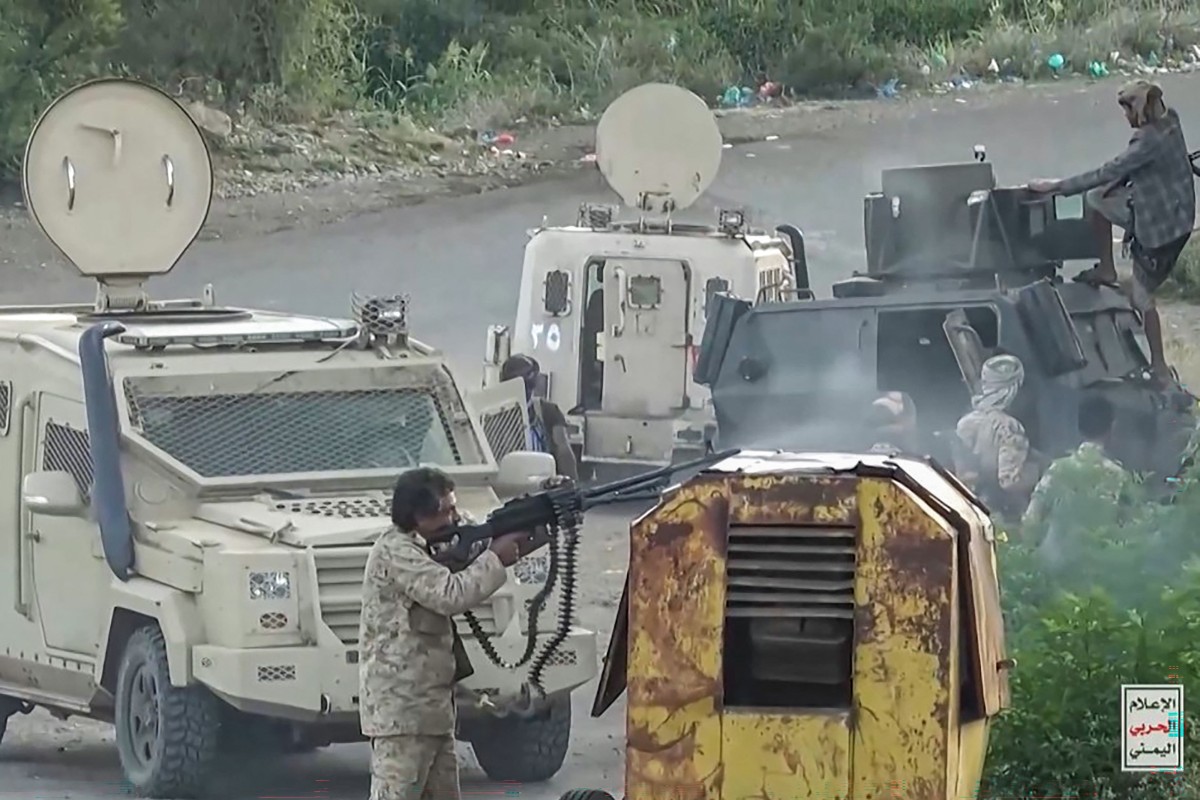
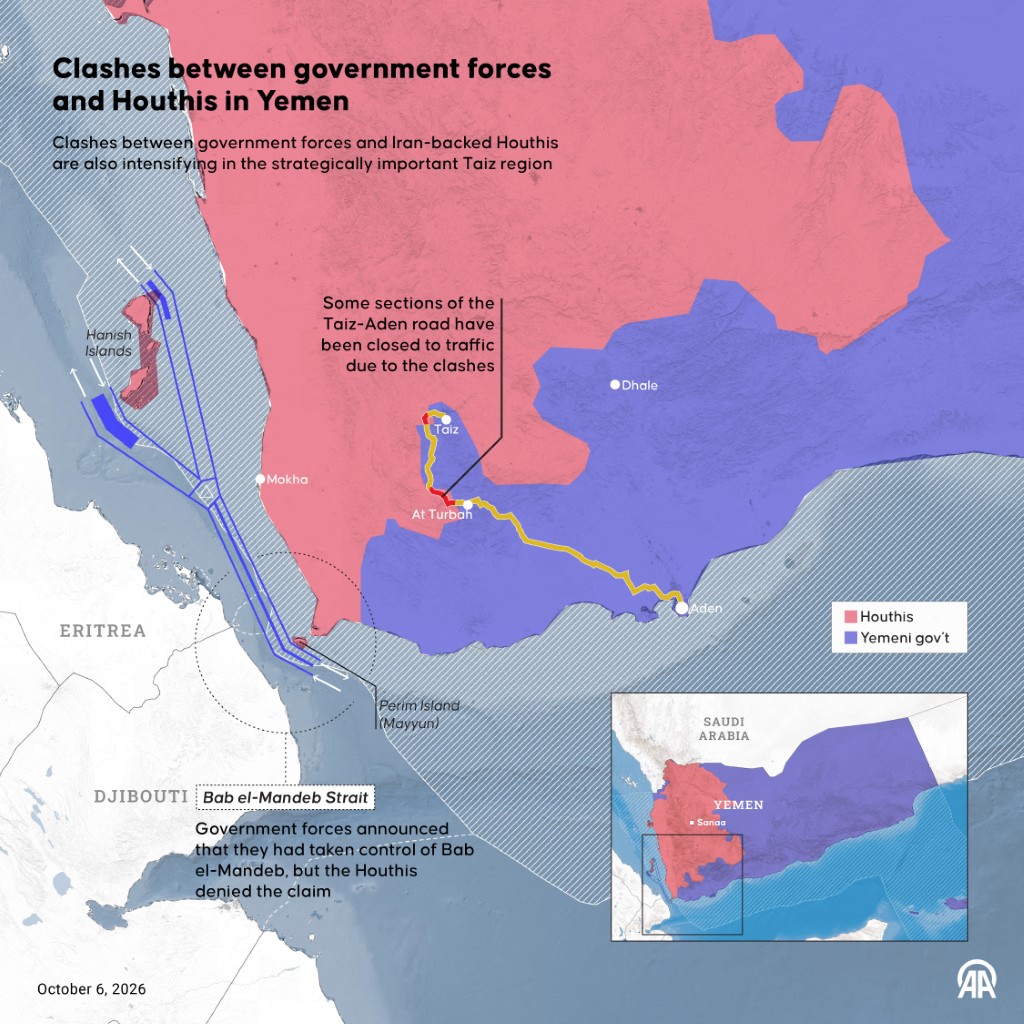
I. Executive Summary The collapse of the 2022 truce transformed the Yemeni conflict into a high-intensity conventional war. The launch of “Operation Dawn of Yemen” by the internationally recognized Yemeni government and its allied forces, backed by Riyadh, aims to break the dual threat posed by the Iranian-backed Houthi militia: to the Bab el-Mandeb–Red Sea maritime corridor, and to oil infrastructure in Yemen itself (Ma’rib) and Saudi Arabia. The conflict now revolves around three major dynamics: securing the western flank (Yemen’s Red Sea coast), strangling urban centers (Taiz), and the direct internationalization of the conflict through the activation of third-party military alliances (Turkey, Pakistan).
Yemen: The Mecca Pact Moves from Theory to Military Action
بقلم
Khalil Helou
نُشر
Oct 7, 2026 - 19:49

An alliance activated for the first time The geopolitical landscape of the Middle East is undergoing a profound transformation as the Yemen issue within the Mecca Pact officially shifts from a theoretical security agreement to an active military operational plan. Following a major Houthi strike near the holy city of Medina and aggressive advances by the group along the strategically vital Red Sea coast—advances that have been reversed in recent days—Saudi Arabia, Turkey, and Pakistan convened an emergency meeting in Riyadh on October 5, 2026. This critical gathering triggered the first-ever invocation of the alliance's mutual defense pact since its initial signing in August 2026, marking the start of concrete military coordination and a series of military deployments: Pakistani forces, long deployed on Saudi soil, are set to reinforce their presence, while Turkey, whose involvement had been limited to military advisers, is preparing to send troops.

Hezbollah-Israel: An Endless War in Whose Interests? (19)
بقلم
Khalil Helou
نُشر
Oct 5, 2026 - 14:30

This series of articles offers a clearer understanding of the current situation on the Lebanese scene in light of the recent past, steering clear of the impassioned, ideological, or romantic narratives that overlook realities and leaving readers to draw the necessary conclusions. The previous eighteen installments revisited the events surrounding Hezbollah’s rise to power, from the Taif Agreement to the beginning of its military intervention in Syria alongside Bashar al-Assad’s regime. Adopted unanimously on June 11, 2012, at a meeting of political leaders held at the Presidential Palace, the Baabda Declaration was intended to preserve Lebanon’s stability and shield it from the spillover of the Syrian civil war onto its territory.

Mecca Pact: Anatomy of the Islamabad–Riyadh–Ankara Axis (4/4)
بقلم
Khalil Helou
نُشر
Oct 2, 2026 - 12:19

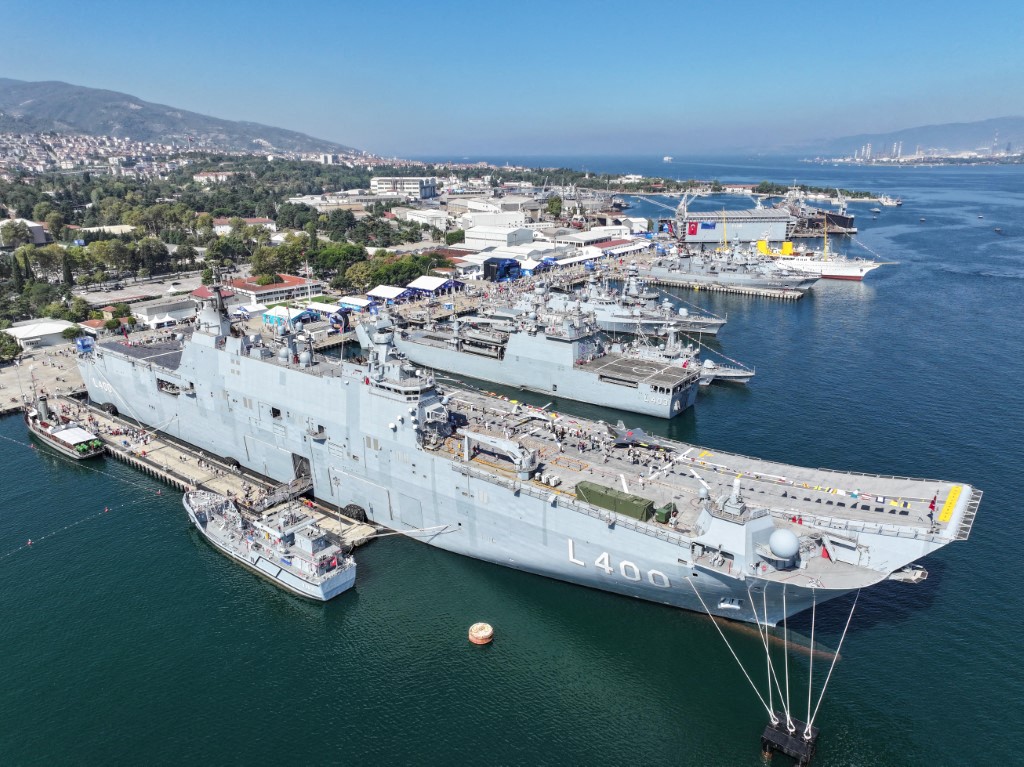
This fourth and final article in the series examines Turkey’s strategic role in the Mecca Pact, with a focus on the strength of its military industries. It also outlines the specific motivations of Saudi Arabia (strategic autonomy), Turkey (expanding its influence), and Pakistan (economic support). Turkey has officially stated that it strongly condemns Houthi attacks on Saudi Arabia, affirming its unwavering support for the Kingdom. At the same time, it is using its geopolitical clout to ease tensions between Iran and Saudi Arabia, and between Iran and Iraq, from where the drones that targeted Saudi Arabia’s East-West pipeline were launched. Finally, Ankara is seeking to persuade Tehran, with which it has significant economic ties, to pressure the Houthis to stop firing on Saudi territory.

Hezbollah-Israel: An Endless War in Whose Interests? (18)
بقلم
Khalil Helou
نُشر
Sep 29, 2026 - 01:26

This series of articles provides a better understanding of the current situation in light of the past, steering clear of impassioned, ideological, or romantic narratives that overlook the facts and leave readers to draw the necessary conclusions. The previous 17 installments revisited the events surrounding Hezbollah’s rise to power from the Taif Agreement through the first half of President Michel Sleiman’s term. Between 2008 and 2011, before the Syrian war, Hezbollah still had no military training base or combat deployment in Syria. Bashar al-Assad’s regime, then backed by its police institutions and army, tolerated no foreign armed presence on its territory.

Mecca Pact: Anatomy of the Islamabad–Riyadh–Ankara Axis (3/4)
بقلم
Khalil Helou
نُشر
Sep 24, 2026 - 12:42

This third article in the series examines Saudi Arabia’s development, driven by the Saudi Public Investment Fund (PIF) and Vision 2030, of a vast logistics network linking ports, airports, roads, and railways. Initially economic in nature, this infrastructure could facilitate the deployment of Turkish and Pakistani forces under the Mecca Pact. However, the resumption of the war in Yemen highlights the limits of the Riyadh-Ankara-Islamabad trilateral alliance, which faces the risk of escalation with Iran. Saudi economic and military logistics The Saudi Public Investment Fund (PIF), created in 1971 by King Faisal bin Abdulaziz, was transformed in 2015 by Crown Prince Mohammed bin Salman to diversify the Saudi economy and reduce its dependence on hydrocarbons.

Hezbollah-Israel: An Endless War in Whose Interests? (17)
بقلم
Khalil Helou
نُشر
Sep 20, 2026 - 15:58

This series of articles offers a clearer understanding of the current situation in Lebanon through the lens of the past, steering clear of impassioned, ideological, or romantic narratives that overlook the realities on the ground. Readers are free to draw their own conclusions. The previous sixteen installments revisited the events surrounding Hezbollah’s rise to power, from the Taif Agreement through the first half of President Michel Sleiman’s term. (See the previous 16 installments) Saudi Arabia’s outreach to Syria took the form of two visits to Damascus by newly appointed Prime Minister Saad Hariri. The first took place on December 19, 2009, at the personal request of Saudi King Abdullah, for talks with Bashar al-Assad. Supporters of the Future Movement, led by the prime minister, viewed the visit as a major political sacrifice. Hariri’s second visit to Damascus took place six months later, on July 18, 2010. This time, he was accompanied by 17 ministers to sign bilateral cooperation agreements.

Escalation in Yemen: A Strategic Challenge for Riyadh
بقلم
Khalil Helou
نُشر
Sep 18, 2026 - 01:03

The conflict between Saudi Arabia and Yemen’s Houthi rebels exposes a persistent strategic weakness in the Arab world. Iran is exploiting this crisis to disrupt maritime traffic in the Red Sea, strengthen its position at the negotiating table with the United States, and retain leverage over the global economy. For their part, the Houthis are doing everything they can to consolidate their power in Yemen and strengthen their position ahead of any future settlement. Meanwhile, Washington is pursuing its broader strategy (1) of focusing more heavily on the Americas while leaving allied regional actors to shoulder greater responsibility for managing crises in the Middle East.

Hezbollah-Israel: An Endless War in Whose Interests? (16)
بقلم
Khalil Helou
نُشر
Sep 14, 2026 - 14:45

This series of articles offers a deeper understanding of the current situation in light of the past, steering clear of impassioned, ideological or romanticized narratives that miss the mark on reality. In this context, we leave it to the reader to draw the appropriate conclusions. The previous fifteen installments retraced the events surrounding Hezbollah’s rise to power from the Taif Agreement through to its show of force on May 7, 2008. The positions of the Gulf Arab states converged toward détente with Iran following Hezbollah’s show of force in Beirut on May 7, 2008, after years of strained relations with Tehran. However, this détente lasted only three years and came to an end following the outbreak of the war in Syria in 2011.

Mecca Pact: Anatomy of the Islamabad–Riyadh–Ankara Alliance
بقلم
Khalil Helou
نُشر
Sep 9, 2026 - 00:53

This second installment in a four-part series examines the formation and early implications of the Mecca Pact, a trilateral alliance between Saudi Arabia, Turkey, and Pakistan. From the Saudi-Pakistani “Strategic Mutual Defense Agreement” (SMDA) to the Istanbul summit, the analysis traces the gradual development of a collective security framework in the face of Iranian ambitions, regional realignments, and the limits of U.S. leadership. The article also explores how Saudi financial, technological, and military resources complement those of the other two members, as well as the challenges of institutionalizing the alliance.

/