

Red Sea and Horn of Africa: Four Possible Scenarios (6/6)


The future of the Red Sea–Horn of Africa region will depend less on any single event than on the interplay of several developments, notably the intensity of local conflicts, the cohesion of partnerships, maritime security, and the ability of the actors involved to negotiate.
The possible scenarios outlined below are therefore not mutually exclusive forecasts. They may unfold in succession or overlap, with limited cooperation at sea coexisting with worsening clashes on land.
It would also be premature to assign precise probabilities to them without an explicit methodology and up-to-date data. The value of these projections lies elsewhere: in identifying the mechanisms that could strengthen stability or, conversely, accelerate confrontation. Indicators should help track these mechanisms rather than confirm a predetermined interpretation.
Scenario One: Contained Rivalry Without a Resolution to the Crises
In this scenario, regional powers continue to compete while avoiding direct confrontation. Disputes over ports, investments, and local partners persist, but diplomatic mechanisms prevent them from developing into a broader crisis. Shipping remains vulnerable to incidents, but without lasting disruption across the Red Sea corridor.
This situation rests on a shared awareness of the costs of escalation. Riyadh and Abu Dhabi maintain their exchanges despite their disagreements. Ankara keeps its channels open with Mogadishu and Addis Ababa. Cairo pursues its partnerships without crossing a military threshold in Sudan or in its relations with Ethiopia beyond which escalation could become uncontrollable. External actors help deter escalation and manage incidents.
This is, however, a limited form of stability. Wars may drag on, populations may continue to suffer their effects, and state institutions may remain fragile. The absence of a wider conflagration does not mean that conflicts have been resolved. The main indicators would be sustained diplomatic contacts, the relative continuity of maritime traffic, restraint in military deployments, and the ability to contain incidents quickly. This trajectory is primarily about managing risks, not building a lasting regional order.
Scenario Two: Escalation Through Spillover
In this scenario, a local crisis would trigger reactions extending beyond its original theater. For example, a major maritime attack by the Houthis could prompt wider reprisals.
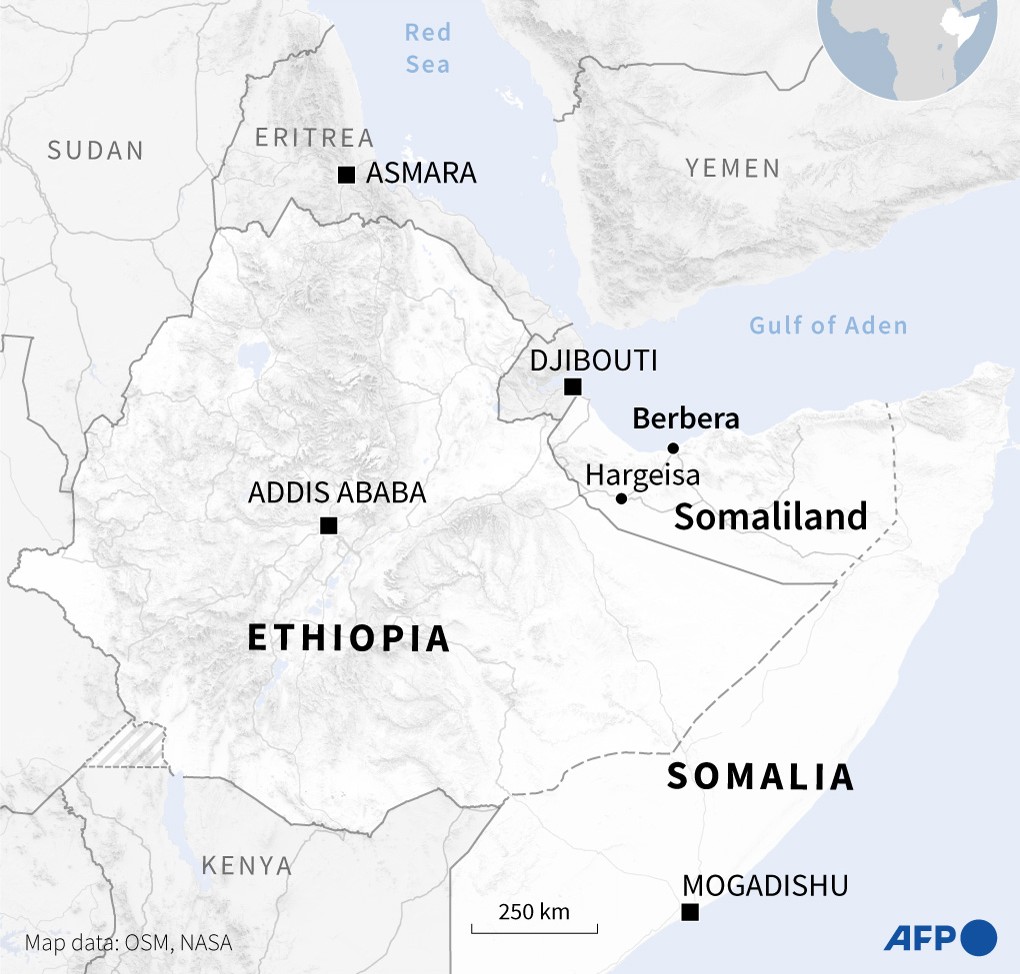
Another example would be a confrontation over Ethiopian access to the sea, which could draw Eritrea into action against Addis Ababa and Somaliland against Somalia. Alternatively, a worsening of the Sudanese conflict could heighten border tensions with Ethiopia.
These possibilities do not even account for external intervention in any of these situations.
The central mechanism would be a cycle of mutually perceived threats. One state strengthens its presence to protect itself, while its neighbor sees this as preparation for an offensive and responds in turn.
This was the case, allowing for differences in scale and context, with the outbreak of the First World War, which none of the belligerents wanted. In the Red Sea and the Horn of Africa, commitments made by foreign powers to local partners subsequently leave less room for diplomatic retreat.
The spillover would not be confined to military affairs. It could affect insurance premiums, supplies, port revenues, and public finances.
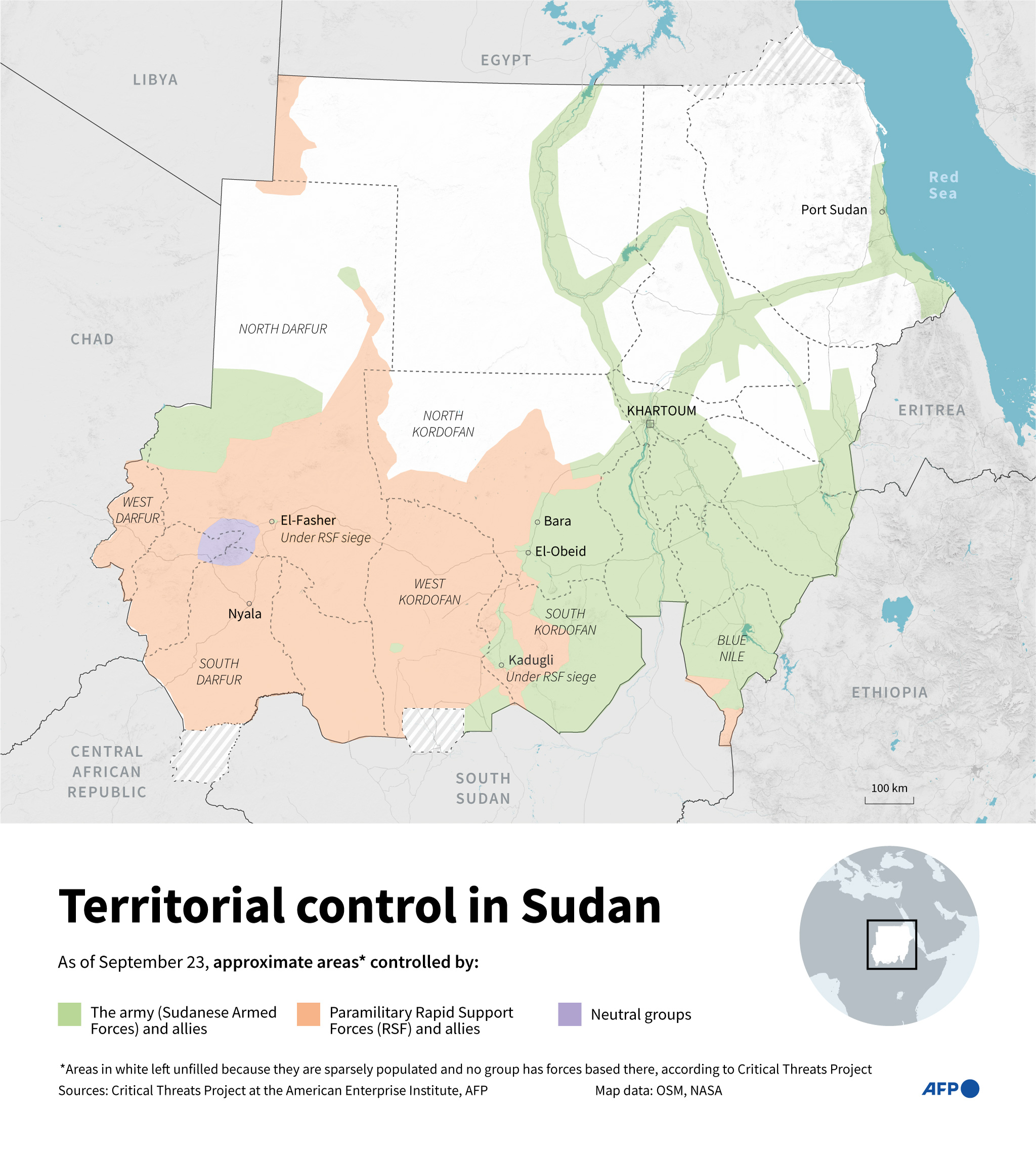
Population displacement and obstacles to humanitarian aid would put additional pressure on fragile states. Warning signs would include intensified fighting in Sudan or Ethiopia, unusual troop mobilizations along the Eritrea–Ethiopia border, and the breakdown of regional and international mediation efforts.
None of these factors alone would be enough to signal a regional war. Their combination would be more worrying.
Third scenario: hardening alignments
In this scenario, existing partnerships become more exclusive. Ad hoc cooperation turns into lasting commitments, while mediators have less freedom to maintain relations with multiple camps. Trade and territorial disputes are increasingly viewed through the lens of a broader strategic confrontation.
For example, closer ties between Riyadh, Cairo and Ankara could solidify around certain principles of territorial sovereignty and security.
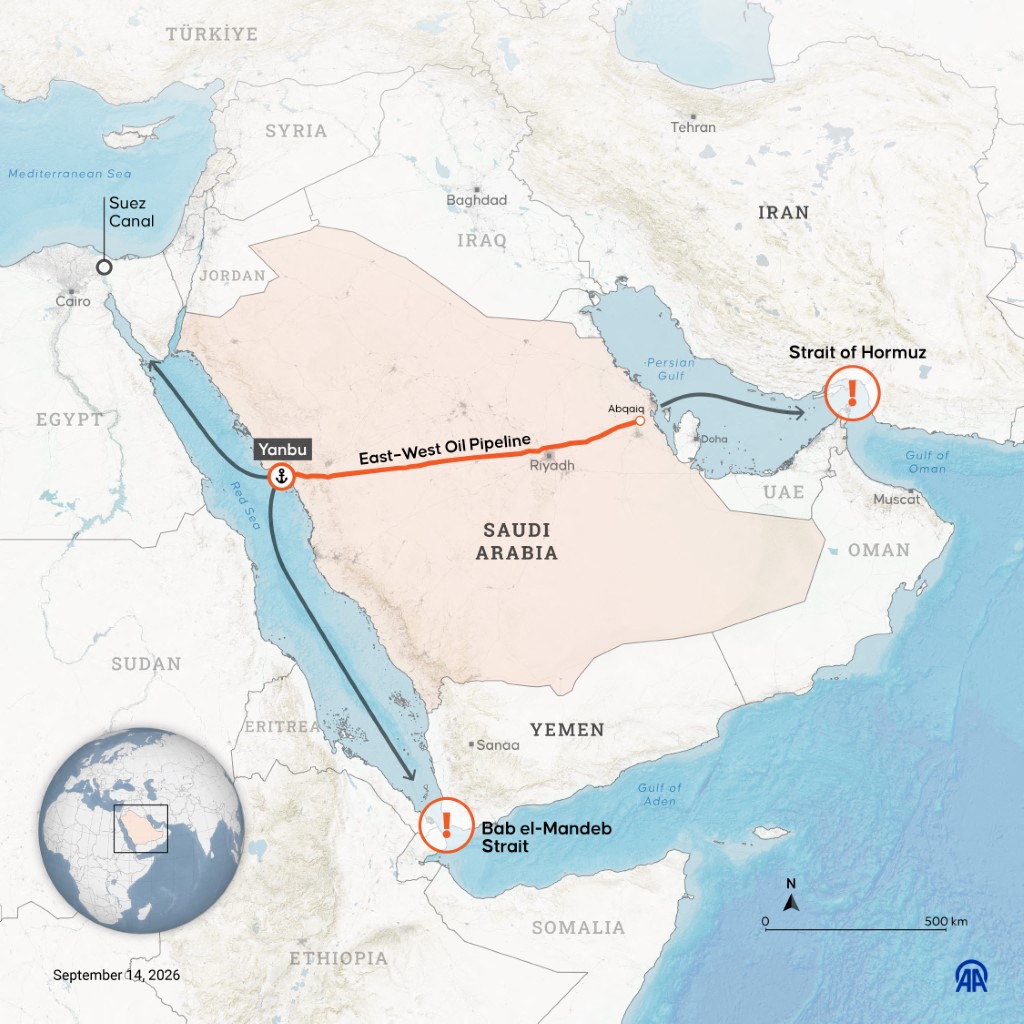
At the same time, relations between Abu Dhabi, Addis Ababa and the Somaliland authorities could take on a more pronounced strategic dimension. These potential groupings should not, however, be treated as already cohesive alliances.
Consolidating them would require overcoming significant internal differences. It could even provoke resistance from partners keen to preserve their autonomy.
Iran would likely seek to exploit these divisions without necessarily joining any of these groupings, apart from the Houthis.
Relevant indicators would include explicit defense commitments and systematic diplomatic coordination.
Polarization would become particularly dangerous if it eliminated the channels that had previously helped defuse crises.
Fourth scenario: gradual security cooperation
A more favorable path would rest on limited, verifiable agreements compatible with the parties’ core interests. Rather than immediately seeking a sweeping regional settlement, the actors could address issues separately and make progress where their interests converge.
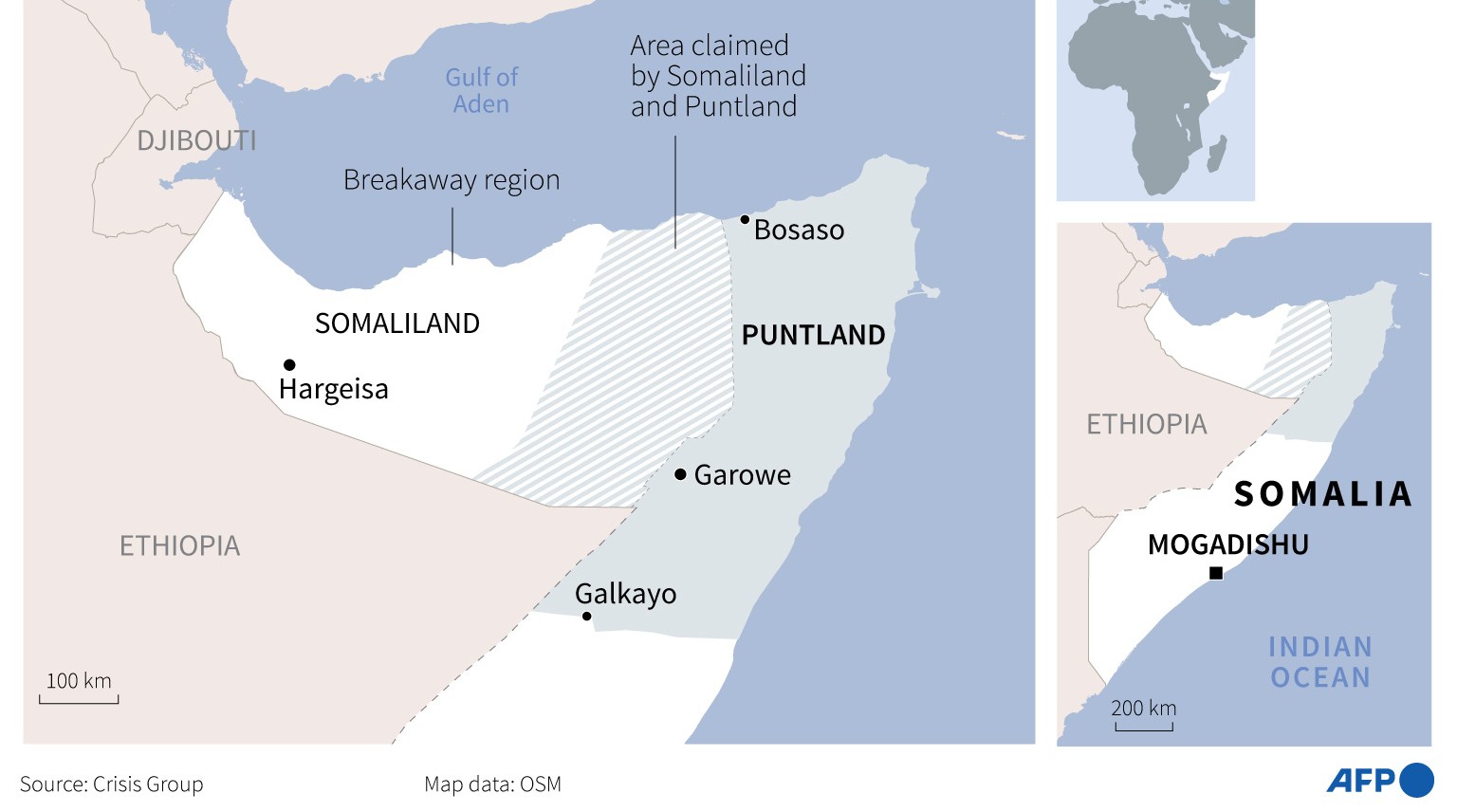
On maritime issues, mechanisms for early warning, communication and incident prevention would provide an initial foundation. In the dispute between Ethiopia and Somalia, commercial access for Addis Ababa to the port of Mogadishu, negotiated with respect for recognized sovereignty, would address landlocked Ethiopia’s need for access to the sea without prejudging the status of the territories. On the Nile, data sharing and coordination procedures between Cairo and Addis Ababa during droughts could reduce uncertainty.
In Sudan, no credible regional framework could guarantee civilian protection, humanitarian access and an inclusive political process. Limiting the external support fueling the war would therefore be just as important as diplomatic statements.
Progress would therefore be measured by the implementation of agreements: the actual movement of goods, functioning technical mechanisms, fewer incidents and improved humanitarian access. Signing a document would be only a starting point.
Conclusion: from protecting interests to organizing security
The Red Sea, on both its shores, and the Horn of Africa reveal a major shift in the balance of power: regional powers are taking on growing roles, but without a shared vision of the order they seek to build.
Their economic, diplomatic and military tools reinforce one another, while sometimes producing contradictory effects. The challenge is not to eliminate competition, but to prevent it from destroying the very conditions needed for the prosperity they seek.
This requires recognizing the agency of African actors, avoiding the reduction of local conflicts to external rivalries, and distinguishing maritime protection from political settlements.
Lasting stability will not come simply from building more military bases or controlling ports. It will depend on agreed rules, verifiable commitments, and institutions capable of putting them into practice. Without these, the parties will continue to shore up their respective positions amid chronic instability.
(End)
Energy Geopolitics 2026: Oil and Gas
The Red Sea and the Horn of Africa: Converging Interests and Regional Rivalries (5/6)
Red Sea and the Horn of Africa: Türkiye’s Role (4/6)
The Red Sea and the Horn of Africa: Gulf Rivalries, African Vulnerabilities (3/6)
The Red Sea and the Horn of Africa: the cases of Sudan and Ethiopia (2/6)
More from Khalil Helou
View All


More in Strategia
View All


Latest from Levant Time
View All


