

The Red Sea and the Horn of Africa: Gulf Rivalries, African Vulnerabilities (3/6)


Saudi policy is shaped by a fundamental tension between MBS’s Vision 2030 and regional instability. The domestic transformation envisioned under Vision 2030 requires a stable and sufficiently predictable environment to attract investment, develop infrastructure and diversify the economy, while regional tensions directly affect the timeline and funding for national ambitions.
Against this backdrop, Riyadh seeks to limit the risk of escalation in the Gulf and find a solution in Yemen, safeguard its maritime and air supply and export routes, and prevent threats from becoming entrenched near its borders.
The Red Sea is central to this approach, as it brings together development projects, port facilities and vital trade routes. The security of Saudi Arabia’s coastline is therefore inseparable from that of the African shore.
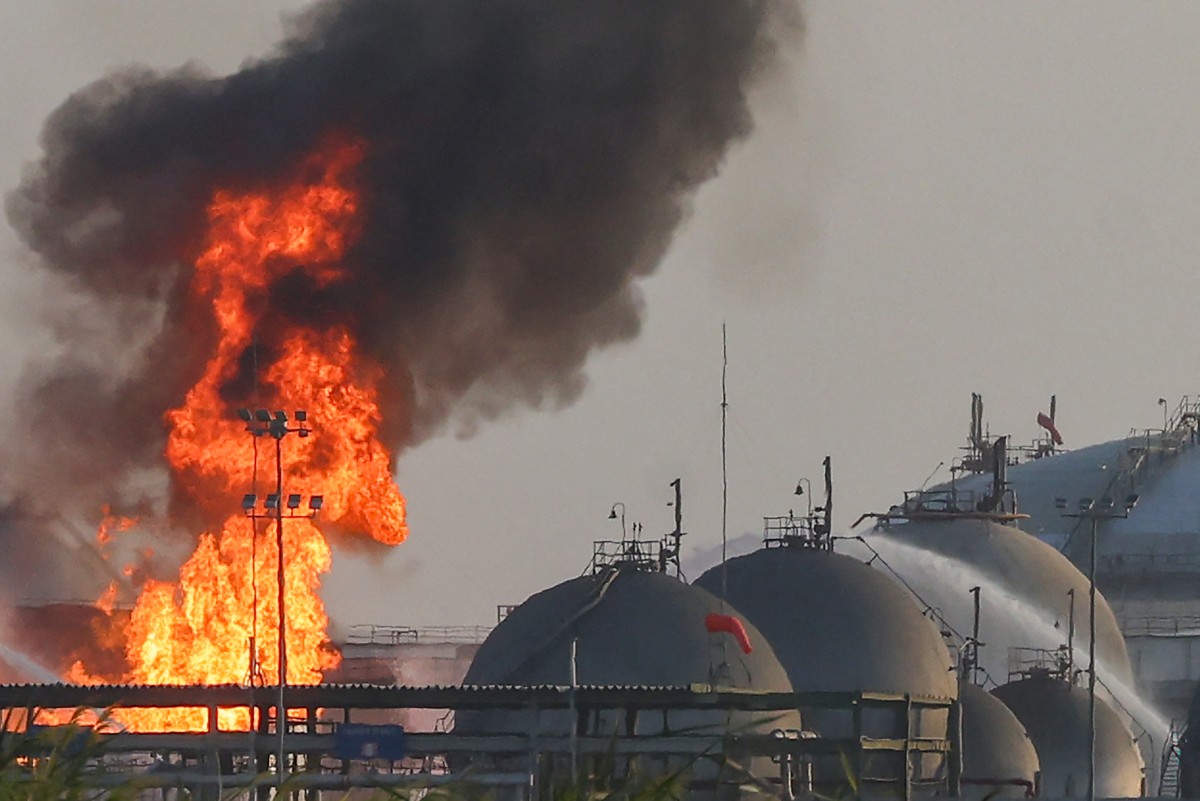
An Aramco oil facility south of Riyadh targeted by Houthi strikes. (AFP)
Saudi Arabia generally prioritizes relations with recognized governments and institutional frameworks. Its support for Somalia’s territorial integrity and its commitment to preserving a unified Sudanese state reflect this approach.
This preference does not rule out power politics or military intervention, but above all reflects a search for partners capable of honoring commitments over the long term.
The resumption of the conflict in Yemen in 2026 radically changed the equation for Riyadh, rendering its previous strategy of easing regional tensions obsolete. The collapse of the four-year truce (2022–2026) gave way to a war in which the Houthis, now better equipped and enjoying greater Iranian support, are stepping up strikes against critical infrastructure inside Saudi territory.
For Riyadh, the challenge is no longer simply to support Yemen’s legitimate government or seek a low-risk political settlement, but to manage a direct, systemic security threat.
The situation forces Saudi Arabia to respond rapidly and commit costly military resources, despite its initial desire to scale back its involvement in Yemen. This war is no longer merely a local conflict but a major flashpoint for regional rivalries, and the Kingdom’s security depends on its ability to contain a confrontation that Iran uses as leverage.
The United Arab Emirates: Connecting Ports to Expand Influence
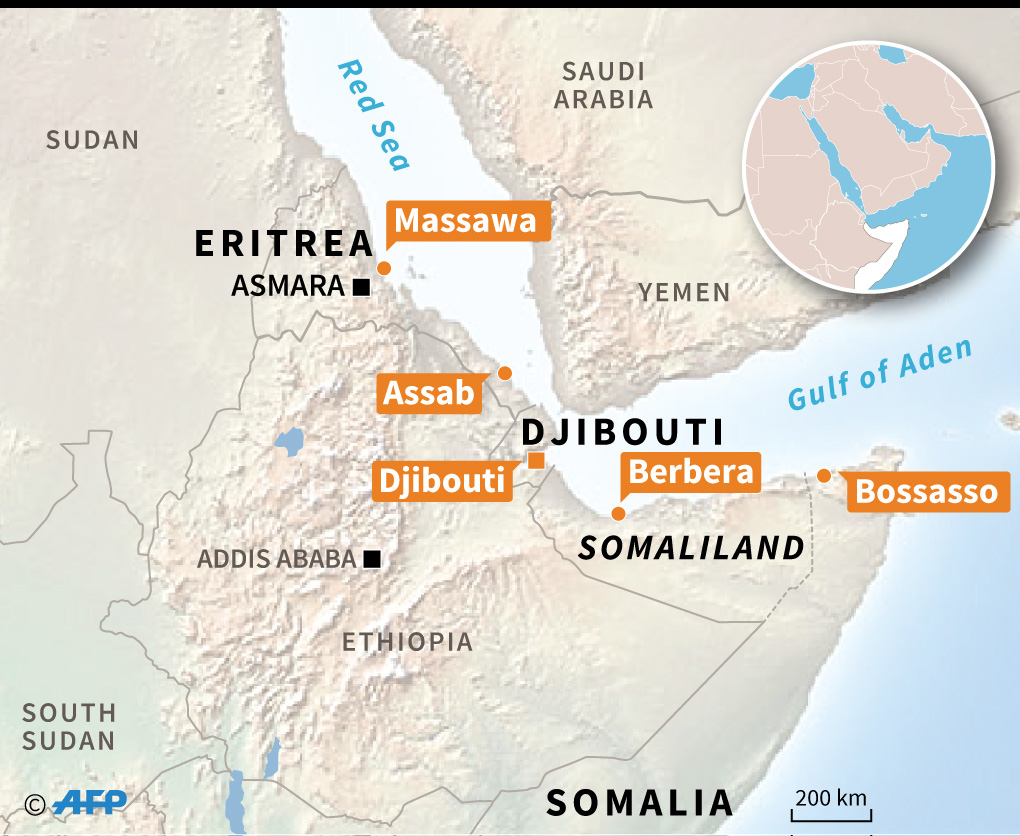
The Emirati strategy rests on building a network of mutually reinforcing footholds (1), with the aim of making Abu Dhabi an indispensable intermediary in trade between Asia, the Middle East and Africa. This approach prioritizes adaptability: rather than relying solely on central governments, the UAE pursues investments, security partnerships and port management agreements with non-state actors, building durable influence in a fragmented environment, as outlined below:
Somaliland and the Berbera Hub.Located on Somaliland’s coast, on the southern shore of the Gulf of Aden, east of Djibouti and opposite Yemen, the port of Berbera is the cornerstone of the UAE’s regional network. It is managed and operated by Dubai-based port operator DP World, which holds a 51% stake, under a 30-year concession signed in 2016. It serves as a strategic logistics hub, allowing the United Arab Emirates to establish a lasting foothold in the Gulf of Aden and maintain a military presence through a naval base, without necessarily stationing forces there permanently.
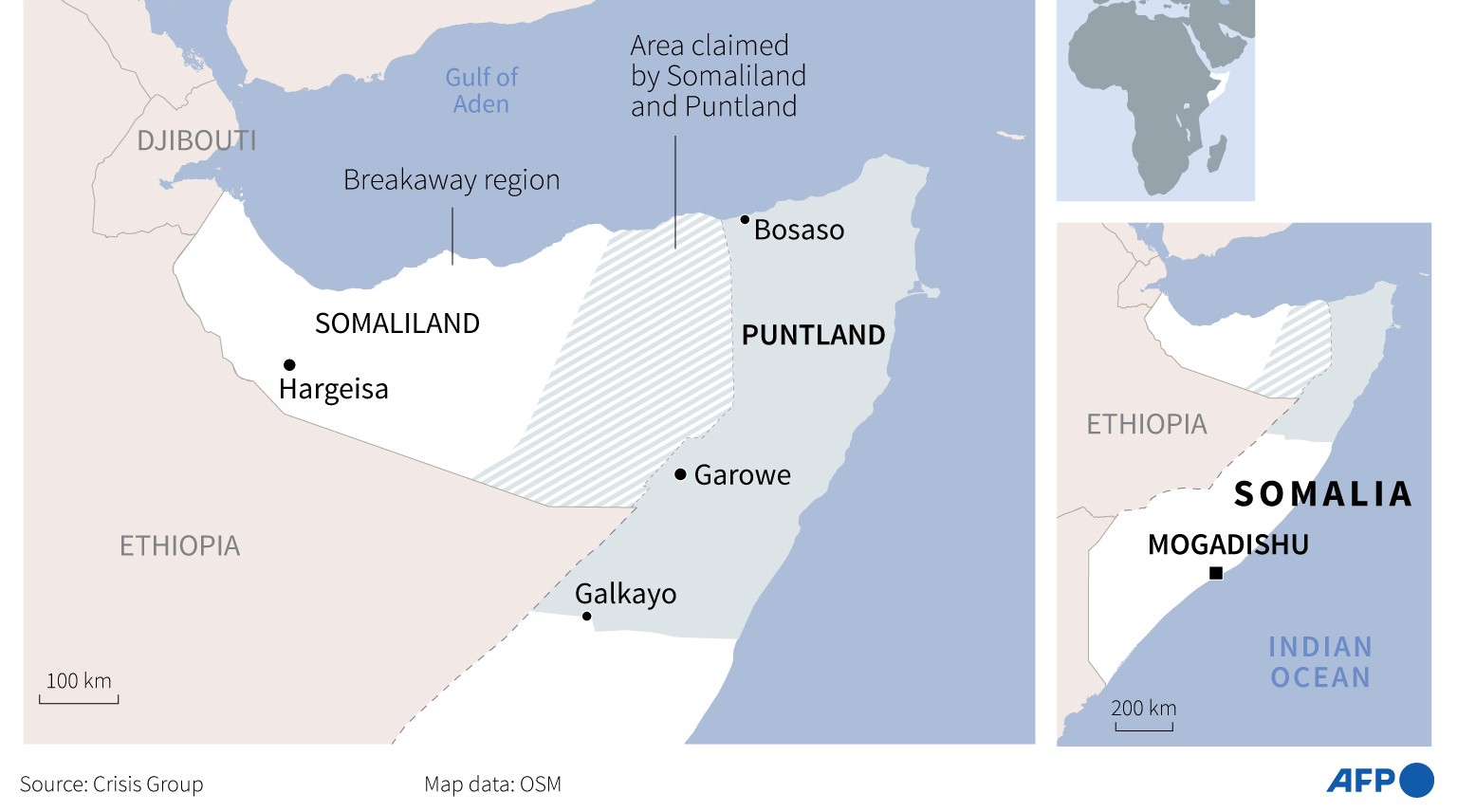
This partnership also has a security dimension: the Somaliland authorities see Abu Dhabi as an important source of support in consolidating their de facto autonomy. Any alignment with Israeli interests—Israel having recognized Somaliland as independent in 2025—would add a strategic dimension to this arrangement, particularly in monitoring Houthi and Iranian activities in the region.
Ethiopia: an economic foothold and the Egyptian challenge.Relations with Ethiopia form the second pillar of the UAE's engagement in Africa. Abu Dhabi has invested heavily in Ethiopian agriculture and infrastructure, cementing Addis Ababa's position as a strategic partner. While these investments boost the local economy, they exacerbate tensions with Egypt, which views this rapprochement as an existential threat. The issue of the Renaissance Dam (Grand
Ethiopian Renaissance Dam, or GERD) (2), which deprives Egypt of some of the Nile's waters, remains a major source of tension: although there is no conclusive evidence of direct Emirati financing for the dam, Cairo interprets the scale of Emirati financial flows to Addis Ababa as indirect support that strengthens Ethiopia's bargaining position in the dispute over the Nile's waters.
Sudan and Eritrea: the contradictions of security engagement.The UAE's stance on Sudan is more controversial. Abu Dhabi is widely regarded as a key supporter of the Rapid Support Forces (RSF) in their conflict with the Sudanese Armed Forces (SAF), seeking to secure economic and geopolitical interests across the country. This involvement puts the UAE in direct opposition to Eritrea, which supports the SAF and denounces a form of port imperialism by the UAE, given its ambitions for the region's ports, such as Assab (3). This has pushed Eritrea closer to Egypt and Saudi Arabia in an effort to counter Abu Dhabi's influence.
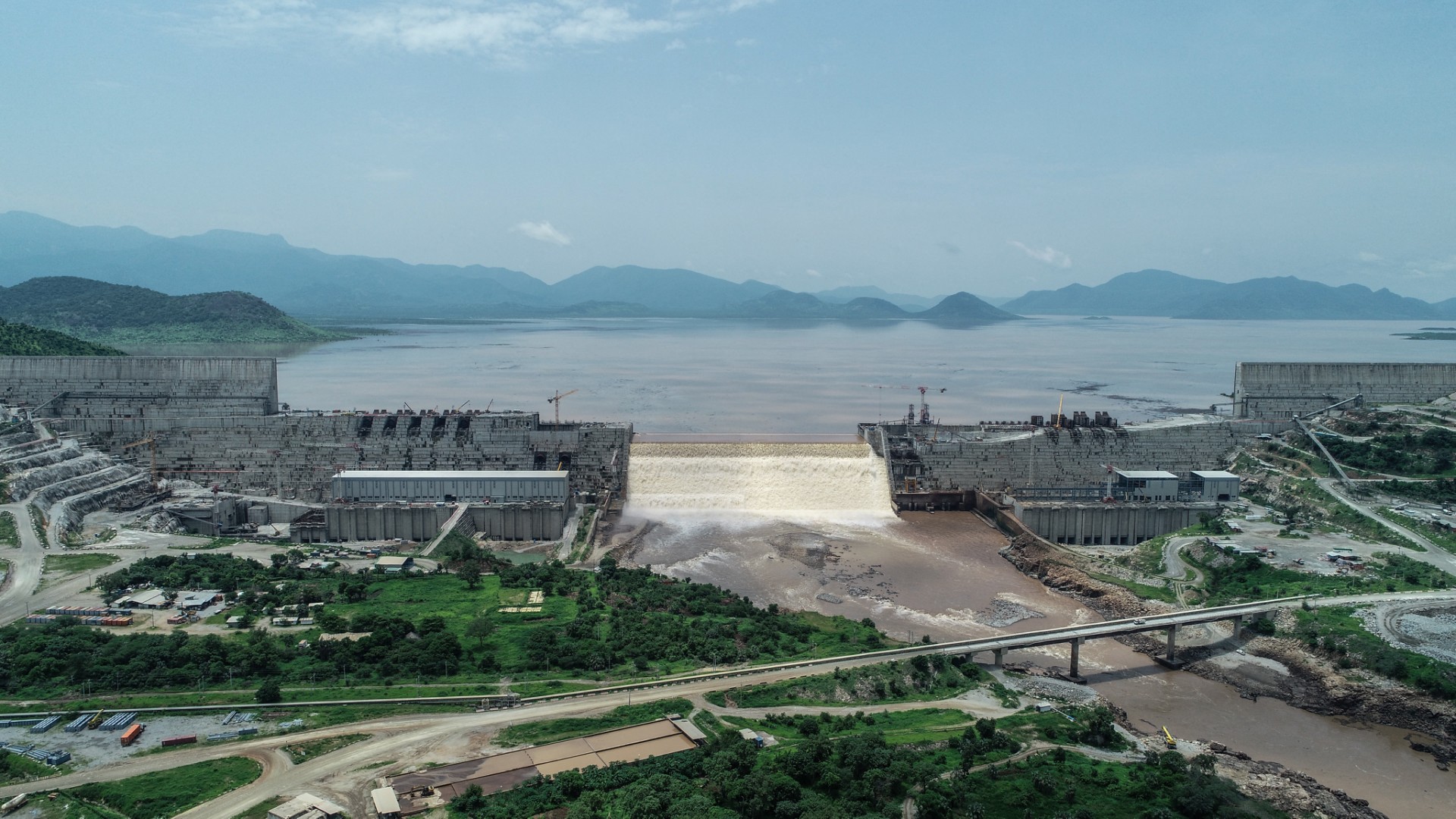
The Grand Ethiopian Renaissance Dam, built by Ethiopia on the Blue Nile, is a major source of concern for Egypt. (AFP)
In short, Emirati influence in the Red Sea rests on a complex combination of economic and security instruments that varies from place to place. This strategy allows Abu Dhabi to navigate between state and non-state actors, but it also fuels deep regional mistrust, as the boundary between economic development and the projection of military power becomes increasingly blurred.
Egypt: linking water security and maritime security
Egypt approaches the region with two vital concerns in mind: the waters of the Nile and the Suez Canal. The first concerns its water and agricultural security; the second, its revenues and its place in global trade. The Horn of Africa lies at the intersection of these two issues. In response to the Renaissance Dam, Cairo is seeking guarantees on how the river will be managed, particularly during droughts. However, it would be an overstatement to portray every change in flow as a permanent effect automatically attributable to the dam. The consequences depend on hydrological conditions—rainfall, drought and evaporation, among others, in both Ethiopia and Egypt—as well as operating rules and coordination between Ethiopia, Sudan and Egypt.
Egypt’s response to these challenges combines domestic adaptation with diplomatic engagement. At home, this involves more efficient water management, wastewater treatment and changes in agricultural practices. Abroad, it relies on strengthening ties with Sudan, particularly the SAF, as well as Somalia, Eritrea and Djibouti. Addis Ababa views these closer ties as an attempt to “encircle” Ethiopia. Yet Egypt’s objectives are clear and serve Cairo’s own interests, including upholding Somali sovereignty, preserving Sudanese institutions and safeguarding shipping, rather than simply putting pressure on Ethiopia.
(to be continued)
(1) Abu Dhabi is seeking to acquire or control strategic footholds abroad—ports, airports, logistics bases and free trade zones—to become the indispensable hub of global trade.
(2) The Grand Ethiopian Renaissance Dam (GERD), built by Ethiopia on the Blue Nile, has sparked tensions with Egypt and Sudan, whose economies depend heavily on the river. Filling and operating the dam without coordination with Cairo and Khartoum temporarily reduces river flows, particularly during droughts, threatening Egyptian and Sudanese water supplies.
(3) The port of Assab is a highly strategic port on the Red Sea in southern Eritrea, very close to the Bab el-Mandeb Strait. In 2015, the United Arab Emirates leased and modernized Assab’s port and airport, turning them into a major naval and air base for its military operations in Yemen. However, its military presence in Assab declined sharply following the withdrawal of its troops from Yemen beginning in 2019. The UAE then dismantled its infrastructure and shifted its focus to the port of Berbera in Somaliland and the Yemeni island of Socotra, amid political friction with the Eritrean regime.
The Red Sea and the Horn of Africa: the cases of Sudan and Ethiopia (2/6)
The Red Sea and the Horn of Africa: The Shifting Balance of Power in the Middle East (1/6)
Hezbollah-Israel: An Endless War in Whose Interests? (20)
The Trump-Xi Summit: Between Pragmatism and Necessity
The Conflict in Yemen: Geopolitical and Strategic Considerations
Plus de Khalil Helou
Voir tout


À lire aussi dans Strategia
Voir tout


Les derniers articles de Levant Time
Voir tout


