

The Conflict in Yemen: Geopolitical and Strategic Considerations

I. Executive Summary
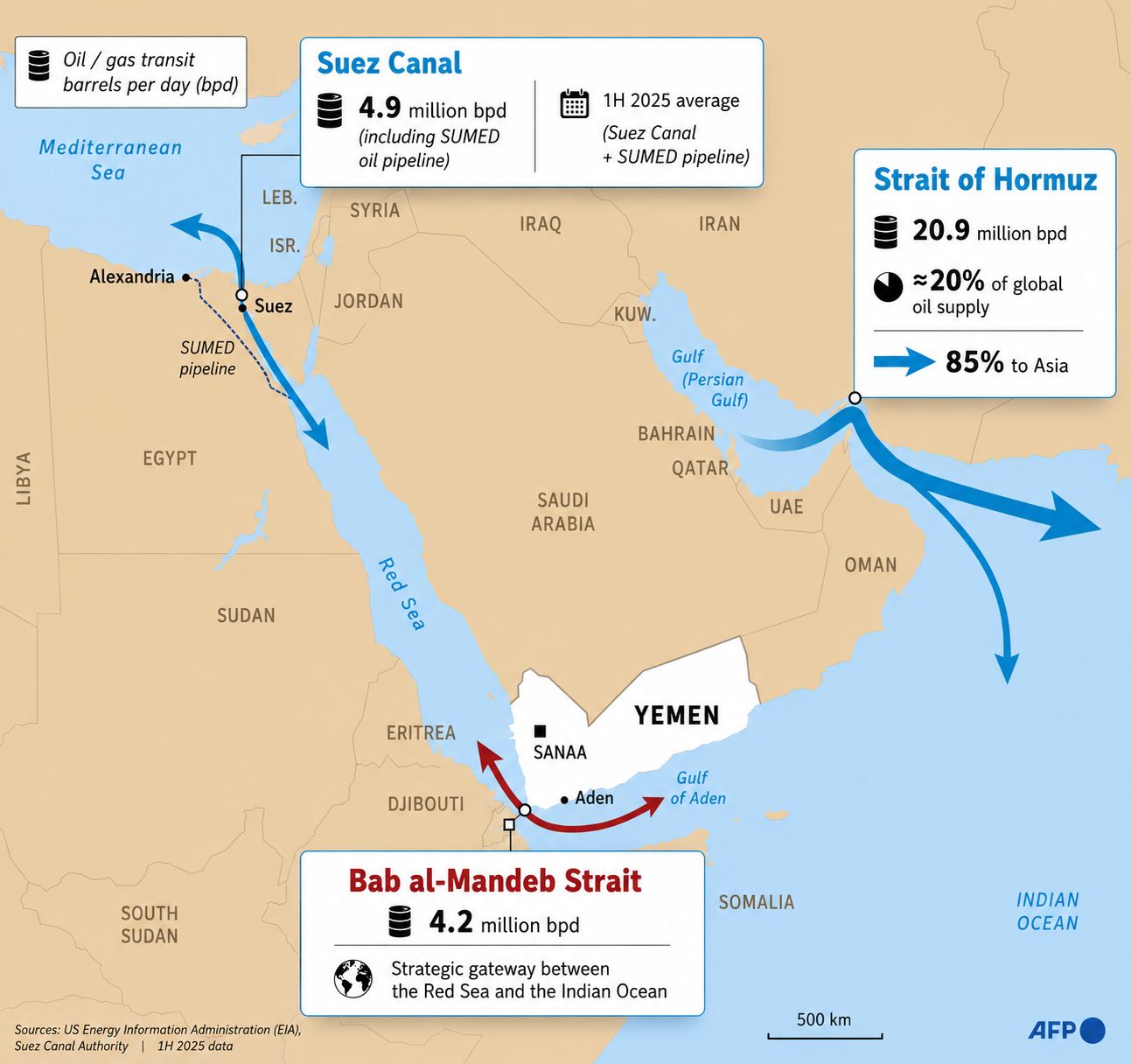
The collapse of the 2022 truce transformed the Yemeni conflict into a high-intensity conventional war. The launch of “Operation Dawn of Yemen” by the internationally recognized Yemeni government and its allied forces, backed by Riyadh, aims to break the dual threat posed by the Iranian-backed Houthi militia: to the Bab el-Mandeb–Red Sea maritime corridor, and to oil infrastructure in Yemen itself (Ma’rib) and Saudi Arabia.
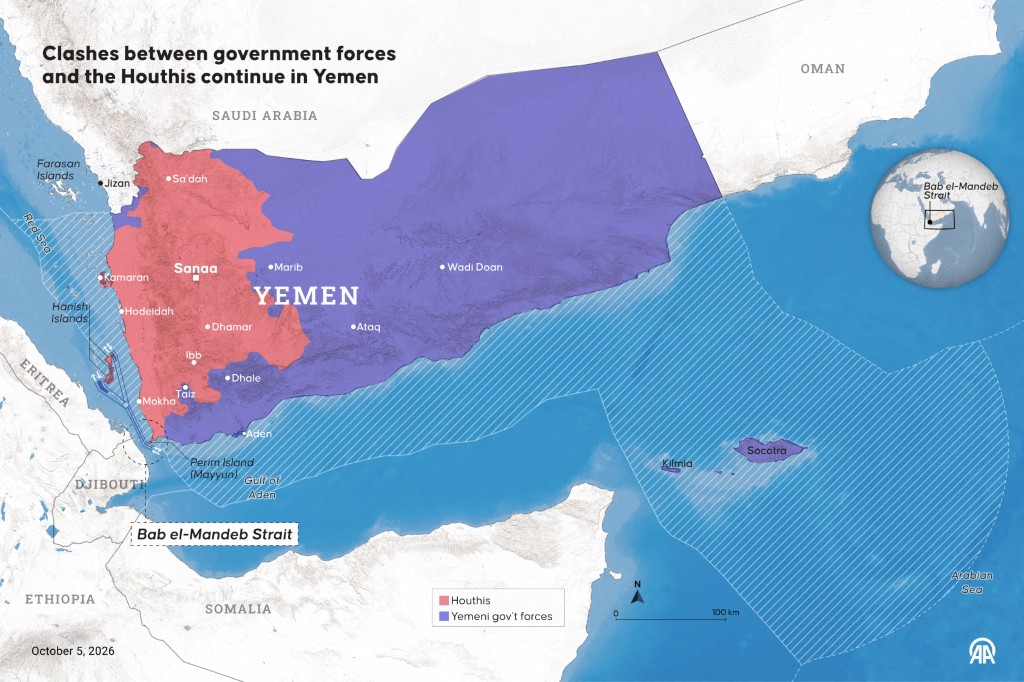
The conflict now revolves around three major dynamics: securing the western flank (Yemen’s Red Sea coast), strangling urban centers (Taiz), and the direct internationalization of the conflict through the activation of third-party military alliances (Turkey, Pakistan).
II. Analysis of the Coastal Theater of Operations and Topography
The coalition’s strategy is based on a methodical approach to retaking territory and securing international waterways. It entails securing the Bab al-Mandeb Strait and the port city of Mokha. Pro-government joint forces—the Giants Brigades, Nation Shield, and Tihama Resistance—have already secured the Dhubab military airfield south of Mokha, potentially opening an air logistics route, as well as the city of Mokha itself.
The immediate objective is to deny the Houthis bases from which to deploy maritime surface drones—known in military terms as Improvised Maritime Explosive Devices (IMEDs)—and naval mines. IMEDs have already been used to devastating effect in Ukraine, sinking prominent Russian naval vessels, and by the Americans against Iranian ports housing the Islamic Republic’s fast boats.
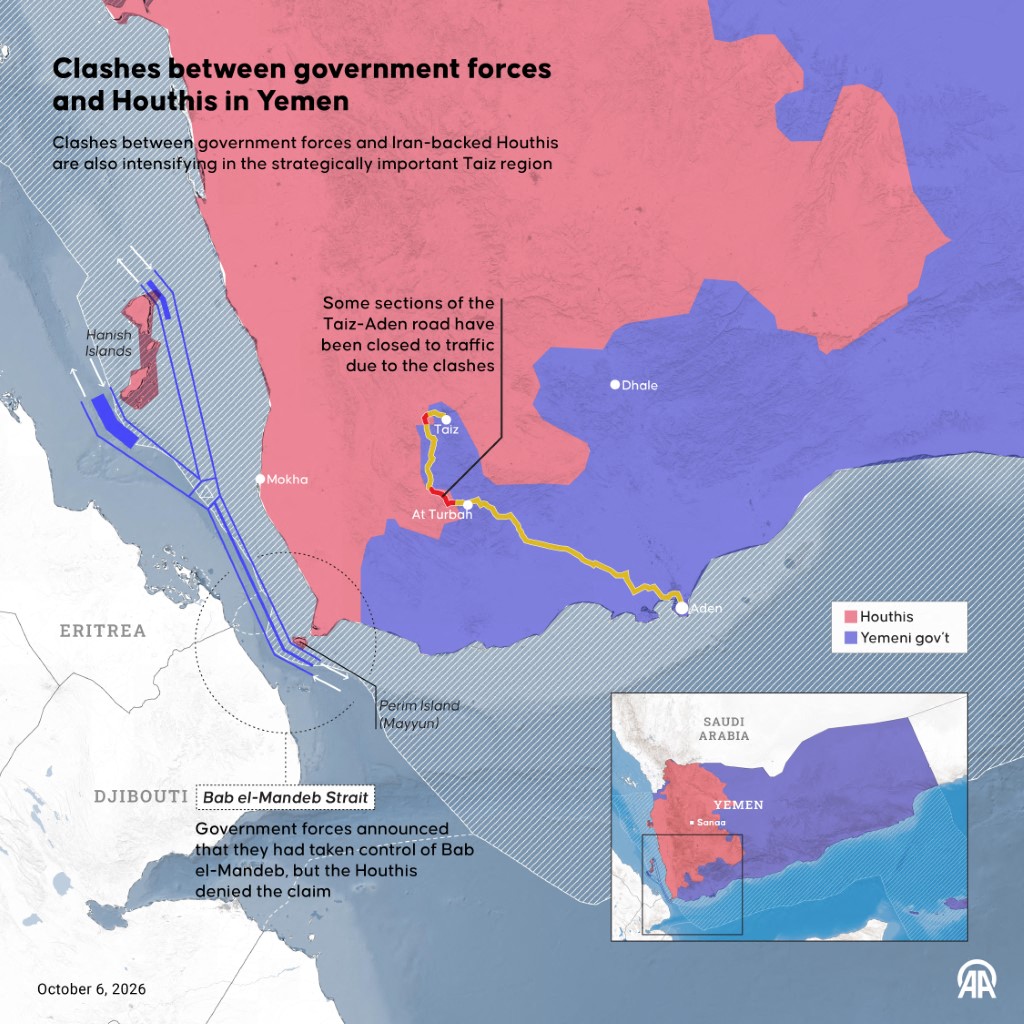
The topography is as follows: Taiz Governorate is both coastal and mountainous. Located in southwestern Yemen, it includes the cities of Dhubab—whose name refers to Bab el-Mandeb—and Mokha. The governorate contains numerous peaks, some of which overlook the coastal plain stretching from Bab el-Mandeb to Hodeidah—an important port still in Houthi hands—via Dhubab and Mokha. The dominant high ground in the governorate, particularly the Hayfan and Kahbub heights, is now significant because it overlooks not only Yemen’s western coastal plain but also the government forces’ logistical routes running from Aden to Bab el-Mandeb.
Government forces have consolidated their positions on Mounts al-Manzara, al-Ashari, and Dhiban in the Hayfan sector, at elevations of 1,000 to 1,500 meters and 50–60 km from the coast. Most importantly, they have occupied the strategic Kahbub mountain range, 40 km from the coast, meaning that long-range artillery or conventional missiles positioned there can reach the east coast, making it difficult for the Houthis to mount counteroffensives.
Moreover, control of these peaks, along with Jabal Zalat (since September 22), deprives the Houthis of visual fire control over the coastal road. It secures the eastern flank of the coalition’s logistical axis, a prerequisite for subsequent operations along the south-to-north coastal axis toward Hodeidah.

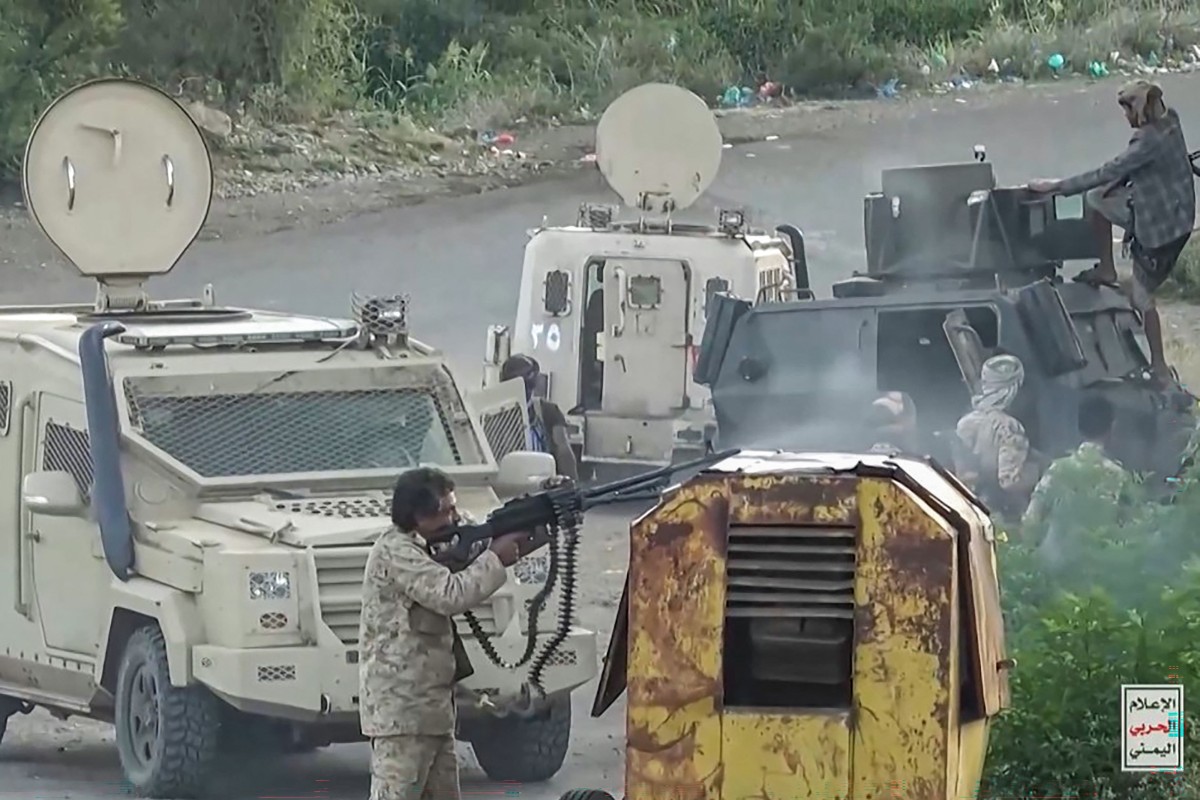
A Houthi militiaman in the Taiz highlands.
Everything described above could be understood as preparation for an offensive combat posture against Hodeidah. This is a geopolitical imperative around which multiple interests converge, including American, European, Arab, Asian, and African interests.
The Red Sea’s eastern shore, with a port controlled by the Houthis, is a card in Tehran’s hand that must be taken away. An operation against Hodeidah would be costly, as the Houthis are strengthening their defenses south of the city and across the surrounding Tihama plain, prompting an evacuation alert for civilians issued by the head of the Presidential Leadership Council, Rashad al-Alimi.
Loyalist forces are carrying out a pincer maneuver from road junctions, particularly those of Hays and Al-Khawkha. The Saudi navy has already shelled the city’s port to destroy stockpiles of naval mines and drones. Loyalist forces will certainly be supported by the Saudi air force, the most powerful in the region, and above all by intelligence support from U.S. CENTCOM, which provides real-time tactical intelligence.
The assault on the port of Hodeidah is therefore being prepared. Any delay in the Hodeidah operation, or its cancellation, will give the Houthis time to establish a solid defensive combat posture and the opportunity to strike soft targets in Aden and Saudi Arabia, notably airports, oil facilities, and seawater desalination plants.
III. Internal Security and Strategic Stalemate: Taiz and Ma’rib
If the coalition advances along the coast, the interior lines will certainly come under immense pressure. The city of Taiz is defended by 15,000 to 20,000 soldiers from the regular Yemeni army (the 22nd, 17th, and 35th Brigades), supported by local resistance fighters and outside reinforcements (Nation’s Shield, Giants). Strongly entrenched on urban high ground around the city, they are putting up fierce resistance to the Houthis.
These forces have light artillery and modern anti-drone systems. Their defensive potential in urban combat is excellent. For the past few days, the city has been under a complete operational encirclement. Houthi forces have cut the Heyjat al-Abd road, a mountain pass linking the city to Aden, completely severing the supply route.
The Houthi rebels besieging the city are supplied continuously from the north via the Sanaa–Dhamar–Ibb highway corridor, which is under constant Saudi and Yemeni airstrikes. In response, the Houthis are using secondary valley networks to bypass the coalition’s air interdiction. The government is trying to break the siege through fierce fighting over the mountain chokepoints still held by the rebels.
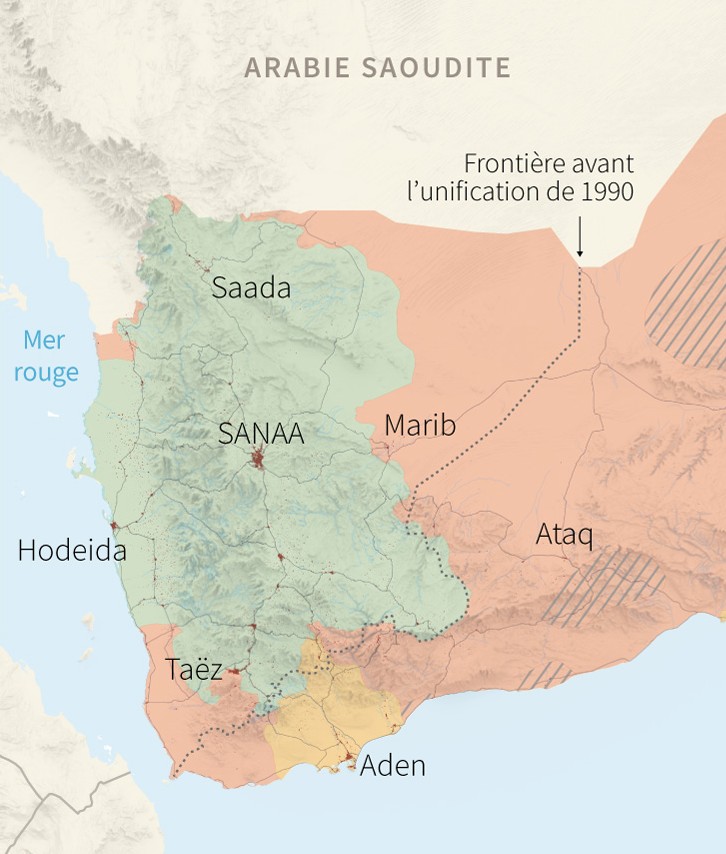
Ma’rib, held by loyalist forces in northeastern Yemen, is of major strategic importance because the region contains oil and gas infrastructure, which constitutes the Yemeni government’s main source of revenue. A two-pronged government offensive in this sector is targeting the Raghwan front, north of the Ma’rib front, and southern areas in order to protect these facilities, which are priority soft targets for Houthi counterattacks.
Losses are heavy on both sides, including a loyalist general. Moreover, the government has opened a direct offensive axis toward the capital, Sanaa, and is advancing in the north, from Haradh in Hajjah/Saada toward the Houthi stronghold of Haydan.
However, a stalemate and a war of attrition should be expected, as the balance of ground forces still favors the Houthis. The government forces’ strength lies in their air and technological superiority, thanks to the Saudis and Americans, whereas the Houthis, who have a numerical advantage, possess significant asymmetric capabilities, notably drones, in addition to ballistic missiles that they do not hesitate to use against civilian targets.
IV. Realignment of Alliances and Regional Projection
The internationalization of the conflict marks a major geopolitical turning point. Under the Mecca Pact, Islamabad has already deployed military support capabilities on Saudi territory. This deployment provides airspace defense, reconnaissance, and technological coordination, freeing up Saudi forces for offensive operations in Yemen. Ankara is awaiting parliamentary approval before doing the same, and while the nature of the troops to be deployed remains unclear, they will certainly include advanced technologies.
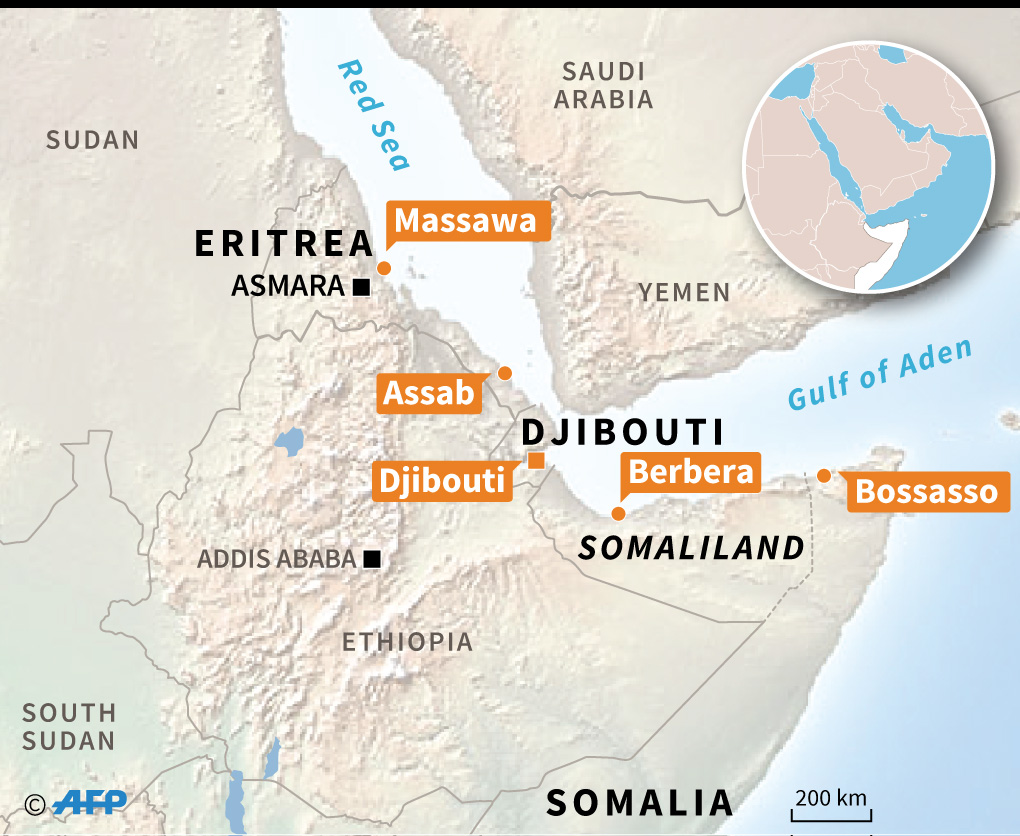
The United Arab Emirates has withdrawn its direct backing in Yemen. Abu Dhabi is refocusing its strategy on controlling port infrastructure in the Horn of Africa, particularly in Somaliland and Ethiopia, as well as on supporting the Rapid Support Forces (RSF) in Sudan. However, the Emirati navy is determined to keep the Red Sea passage open despite its disagreements with Saudi Arabia in the Horn of Africa. The Yemeni conflict could therefore spill over onto the African shore. Eritrea and Saudi Arabia continue to support Abdel Fattah al-Burhan's Sudanese army against the RSF. Meanwhile, Riyadh is closely monitoring Ethiopia's ambitions to gain access to the Red Sea, backed by the UAE, which could destabilize its Eritrean ally.
V. Outlook and Risk Assessment
The Yemeni conflict risks becoming the epicenter of a multi-actor confrontation over control of maritime security and global energy flows. Since a swift victory by either side is unlikely, the most probable scenario is a violent and destructive war of attrition in the coming months.