

Mecca Pact: Anatomy of the Islamabad–Riyadh–Ankara Axis (3/4)
Saudi logistics and the war in Yemen: the limits of the tripartite alliance
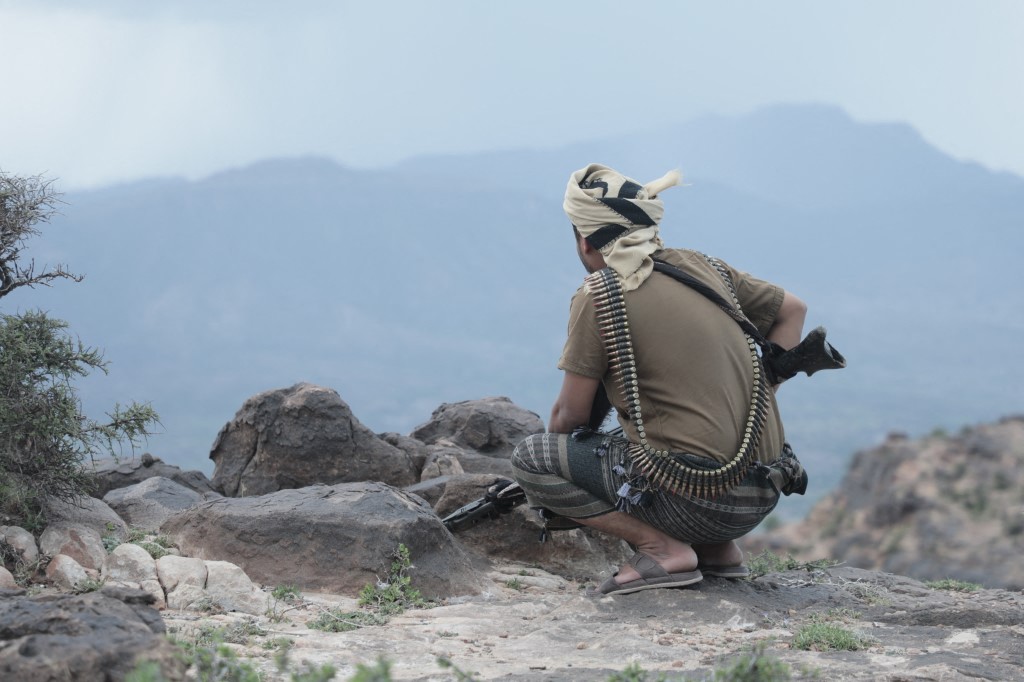

This third article in the series examines Saudi Arabia’s development, driven by the Saudi Public Investment Fund (PIF) and Vision 2030, of a vast logistics network linking ports, airports, roads, and railways. Initially economic in nature, this infrastructure could facilitate the deployment of Turkish and Pakistani forces under the Mecca Pact. However, the resumption of the war in Yemen highlights the limits of the Riyadh-Ankara-Islamabad trilateral alliance, which faces the risk of escalation with Iran.
Saudi economic and military logistics
The Saudi Public Investment Fund (PIF), created in 1971 by King Faisal bin Abdulaziz, was transformed in 2015 by Crown Prince Mohammed bin Salman to diversify the Saudi economy and reduce its dependence on hydrocarbons.
Funded by oil revenues and borrowing, the PIF manages $910 billion in 2026 (ranking fifth worldwide), financing global investments and domestic megaprojects such as NEOM (1).
In this context, the PIF began in 2026 to consolidate and streamline its holdings in the transport sector in order to create a vast integrated conglomerate with logistical and economic objectives.
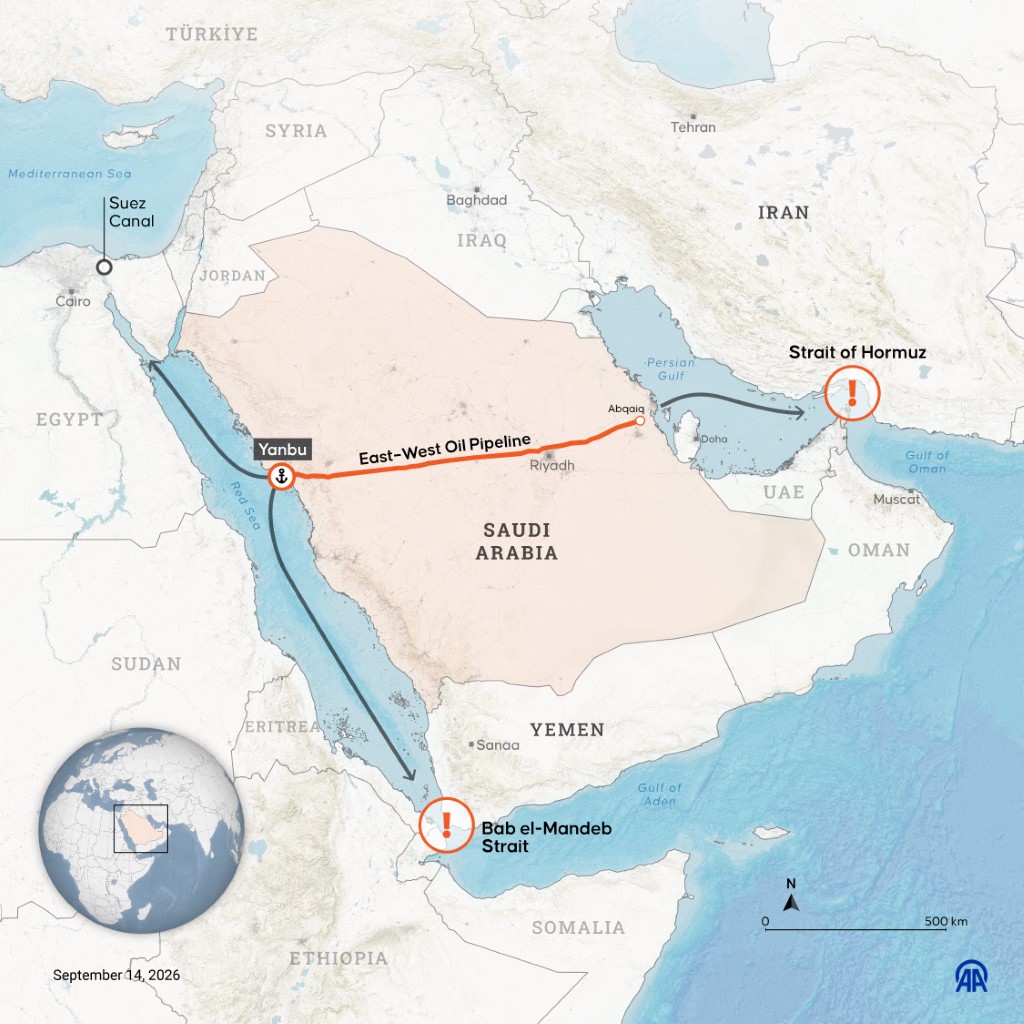
However, this conglomerate could have a military use in the event of conflict, as it is expected to link maritime, air, road, and rail infrastructure, including the Saudi Landbridge, a rail network linking the Red Sea to the Persian Gulf.
The development and modernization of this transport infrastructure could be absolutely necessary in the event of conflict, enabling the large-scale deployment of forces from the signatory countries of the Mecca Pact (2) in a country spanning two million km² and with extensive vulnerable borders—notably those with Yemen and Iraq—as well as close proximity to Iran across the Arabian Gulf.
Redevelopment of the Hejaz Railway
Another rail project between Turkey and Saudi Arabia is taking shape as a major logistics corridor aimed at reviving and modernizing the historic Hejaz Railway.
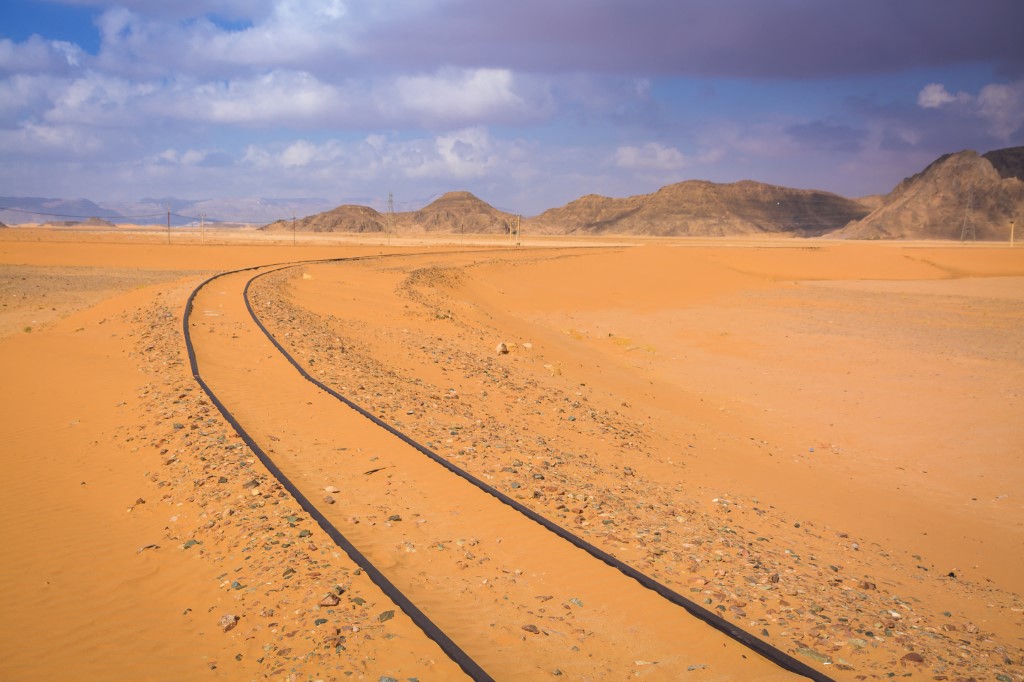
A section of the old Hejaz Railway in Wadi Rum, southern Jordan. (AFP)
In June 2026, the two countries signed agreements to speed up its development.
In peacetime, this line would provide an alternative to the maritime trade route through Bab el-Mandeb, the Red Sea, the Suez Canal, and the eastern Mediterranean basin; in the event of a major regional conflict, it would offer a direct continental artery for rapidly transporting heavy military equipment, armored vehicles, ammunition, and troops from Turkey to the Arabian Peninsula.
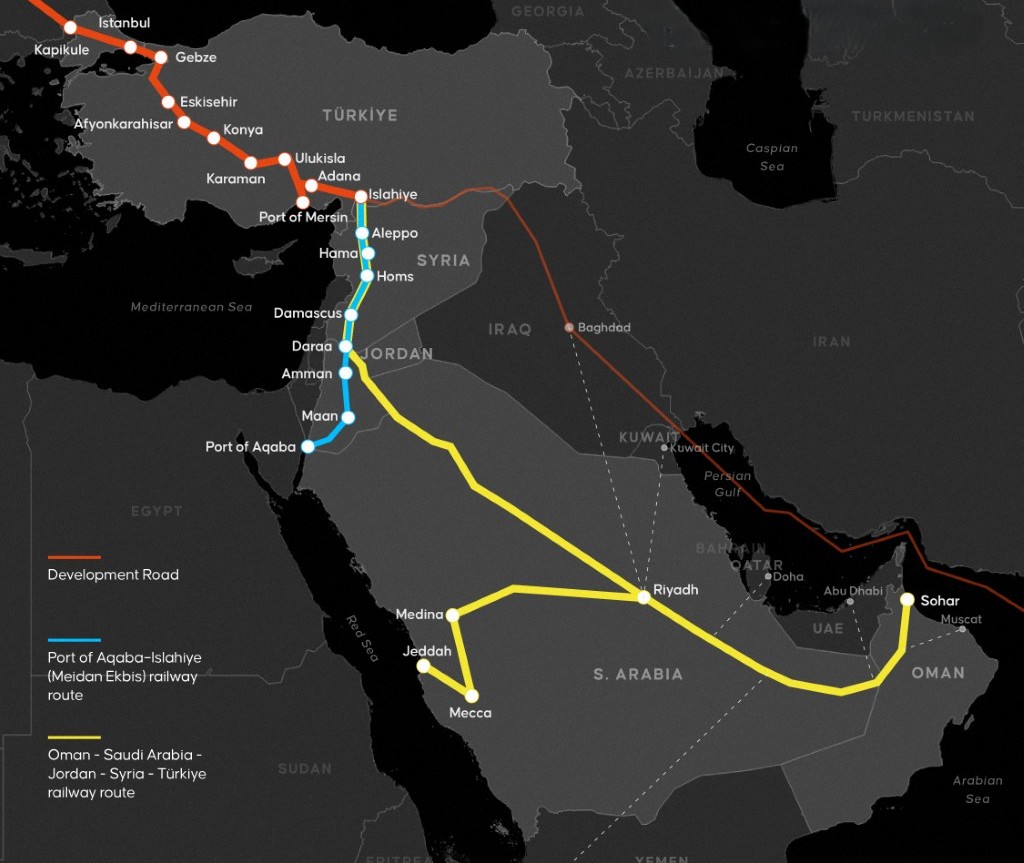
This transport logistics network strategy was primarily part of Vision 2030, whose objective is to strengthen Saudi Arabia’s position as a regional hub for trade and logistics.
The crisis with Iran, followed by the crisis with Yemen, has turned this strategy into an opportunity that meets the need to secure and diversify transport routes linking the Kingdom to Turkey and vice versa.
Initial discussions to put military cooperation into practice
At the first follow-up meeting in Istanbul on August 31, 2026, discussions reportedly did address military cooperation in logistical terms, particularly the transport of units and ammunition depots.
Consequently, this military cooperation, currently being developed, would benefit from the strategy of consolidating Saudi transport networks.
In summary, Saudi Arabia is developing its logistics capabilities under the impetus of the PIF alongside its alliance with Ankara and Islamabad, but it is still too early to establish a direct link between the PIF's logistics project and a military deployment arrangement for members of the Mecca Pact. For now, the pact is seen more as a message of collective deterrence than as a logistics structure already active for real-time arms transfers.
However, if the three allies decide to do so, the rapid deployment of Turkish and/or Pakistani troops on Saudi soil could be significantly facilitated by the PIF's logistics project.
Finally, in practical terms, nothing prevents the Kingdom and Pakistan—whose air-ground units comprising more than 12,000 soldiers are already deployed on Saudi soil—from conducting joint military exercises that make use of the existing “civilian” logistics infrastructure.
The Mecca Pact Put to the Test
The tripartite pact, and more specifically the Saudi-Pakistani alliance that preceded it, is facing an early test with the resumption of the war in Yemen, even before any potential joint operational logistics maneuvers have been implemented.
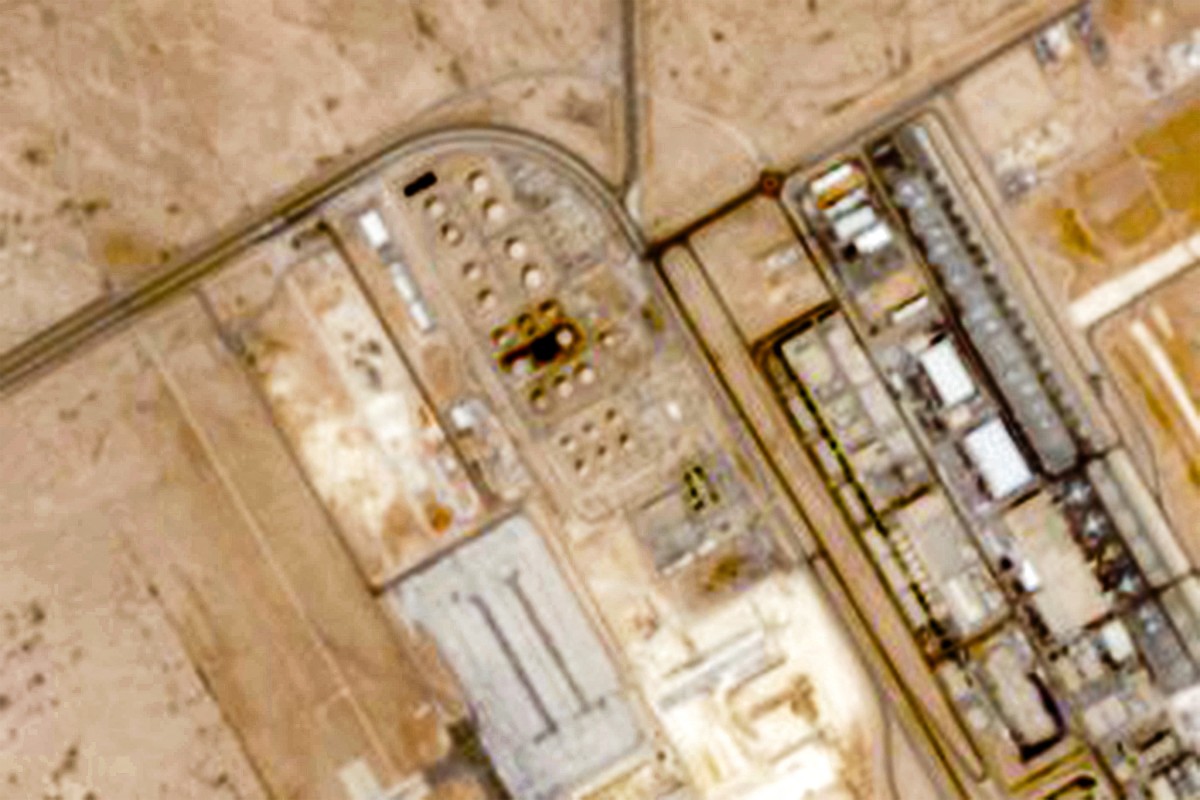
This satellite image provided by Copernicus Sentinel Data, taken on September 21, 2026, shows Saudi Aramco fuel depots at Riyadh's King Khalid International Airport following a Houthi attack. (AFP)
Under the weight of sanctions, Iran is using the Houthis in Yemen to regionalize the conflict and destabilize Saudi interests.
Having broken the 2022 truce, the Houthis now occupy strategic positions, threaten the Bab el-Mandeb Strait, and target Aramco's oil infrastructure, thereby strangling the Saudi economy.
Although Riyadh sought support from Ankara and Islamabad in response to this escalation, these allies declined any direct military intervention on Yemeni territory.
Pakistani Concerns
Pakistan's military leadership has theoretically considered retaliatory airstrikes against Houthi positions, given that its armed forces are already on Saudi soil.
However, Islamabad has shown restraint, although it has said it is ready to honor its commitments, opening the way to potential supportive airstrikes if Riyadh makes an official request.
Pakistan's defense minister, Khawaja Asif, explicitly stated that the mutual defense agreement would become operational in the event of prolonged aggression or a spillover of the Yemeni conflict onto Saudi soil; however, Pakistan's Foreign Ministry had stated that no military operation inside Yemen was on the agenda.
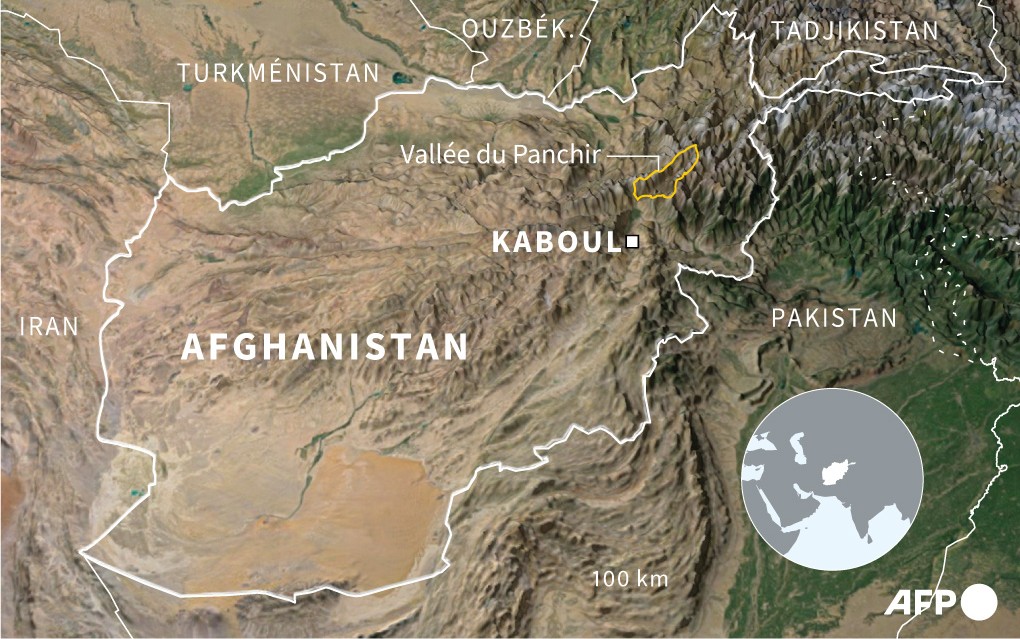
Pakistan's concerns are justified, as it shares a 900-kilometer border with Iran, and direct strikes by Pakistani aircraft against Yemen's Iran-allied Houthis could destabilize this border, particularly the section separating Pakistani Balochistan from Iranian Balochistan.
Armed insurgent groups are positioned on both sides of this border, notably the Balochistan Liberation Army (BLA – Balochistan Liberation Army) and the Balochistan Liberation Front (BLF – Balochistan Liberation Front) (3); the Pakistani army is conducting counterinsurgency operations against them.
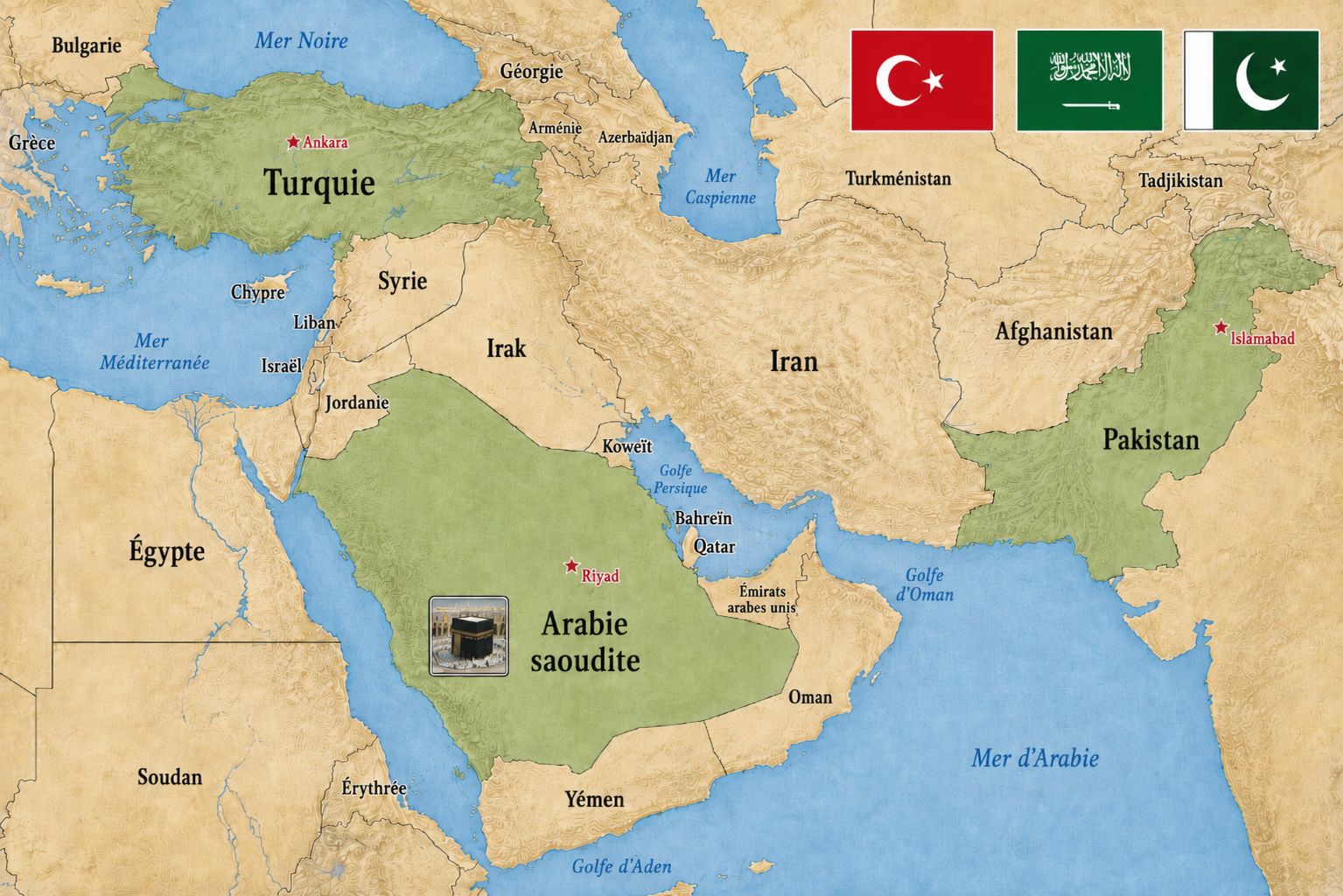
The Islamic Revolutionary Guard Corps could theoretically easily mobilize these two organizations to put pressure on Islamabad should the Pakistani contingent stationed in Saudi Arabia intervene against the Houthis in Yemen.
This is one reason why Shehbaz Sharif's government prefers behind-the-scenes mediation between Iran and Riyadh to escalation.
The Turkish Position
Turkey, for its part, is reluctant to intervene militarily in Yemen. This is due to its desire to avoid a direct confrontation with Iran, its economic and regional partner. Ankara favors a diplomatic approach to stabilize the region while rebalancing its relations with Saudi Arabia.
Moreover, Turkey fears that military involvement would bog down its forces in a costly conflict with no clear outcome, preferring to focus its resources on its own security and diplomatic priorities in the Middle East.
Next article: Turkish power and its limits
(1) NEOM is a high-tech megacity project in the Tabuk Province of northwestern Saudi Arabia. Initially launched in 2017 by Crown Prince Mohammed bin Salman as the centerpiece of the Kingdom's Vision 2030 program, the city spans more than 26,500 square kilometers along the Red Sea and the Gulf of Aqaba.
(2) However, having only just been formalized and already put to the test by the resumption of hostilities in Yemen, the Mecca Pact is still struggling to turn its political ambitions into concrete operational reality.
(3) In January 2024, the Pakistani army officially bombed positions held by the BLF, which it described as terrorist, located within Iran's borders.