



The Salam government’s decision to outlaw Hezbollah’s military and security activities – and to prosecute those behind them – is undoubtedly historic. Yet, it remains insufficient given the sheer scale of the “descent into hell” that this Iranian proxy has, once again, forced upon Lebanon.
It is historic because it shatters a long-standing Lebanese tradition of political self-effacement and complacency – a stance long dictated at times by a fear of an internal strife and at others by political opportunism toward a group that has, over the years, successfully imposed its grip on the country and built a security and military apparatus that surpasses the capabilities of the Lebanese state.
It is insufficient because it does not empower the authorities to shield the country and its population from the danger posed by an organization whose leaders and members consistently prove that their Lebanese identity is a mere administrative formality. For Hezbollah is, and remains, one of the primary transborder paramilitary instruments of the Iranian clerical regime.
The proof – as if any more were needed – lies in its predictable involvement in the war between Iran and the Israel-US coalition, as well as its reaction to the government’s decisions to outlaw its military activities. Its leaders were quick to go on the offensive. The group’s deputy leader, MP Mohammad Raad, denounced “intimidation measures” and “reckless decisions.” While he conceded the state’s right to decide on war and peace, he accused the Salam government of “attacking those who reject the Israeli occupation.” The deputy head of Hezbollah’s political council, Mahmoud Qomati, blasted the government for “remaining silent in the face of occupation,” for “seeking to weaken Hezbollah – Lebanon’s true strength,” and for “violating international law, which grants peoples the right to fight against occupation.”
Yet this rhetoric no longer fools anyone. Neither do Hezbollah’s motivations and objectives. The suicide war in which the group is currently engaged – and from which it cannot emerge unscathed – falls strictly within the framework of the reprisals promised by the Pasdaran following the confirmation, on March 1st, of the death of the Iranian Supreme Leader, Ali Khamenei, who was killed during the large-scale Israeli-American raids on his Tehran headquarters on February 28th.
It also aligns with Iran’s repeated warnings to the United States that any attack on the Islamic Republic would set the region ablaze. Tehran has made good on that threat, mobilizing its regional proxies to open multiple indirect fronts and transform a targeted operation into a generalized confrontation. How else can one explain the drone attack on a British military base in Cyprus during the night between Sunday and Monday? According to Western media outlets citing Cypriot officials, the two Iranian-manufactured drones were reportedly launched from Lebanon – striking just as London had authorized Washington to use its bases on the Mediterranean island as part of its offensive against Iran.
It must be noted that this is indeed the first time Hezbollah – which has neither confirmed nor denied these accusations – has attacked Cyprus. Yet, it’s not the first time it has threatened the island. In June 2024, the group’s former Secretary-General, Hassan Nasrallah – assassinated by Israel in September of that year – had warned Nicosia of reprisals if the island allowed Tel Aviv to use its airports or military bases to attack Lebanon. Today, Israel has not attacked Lebanon from Cyprus, nor has Nicosia opened its bases to the Jewish state. In doing so, Hezbollah has once again confirmed its status as an Iranian vassal.
Reinforcing Monday’s decisions
Can the state realistically prevent Hezbollah from conducting its military operations? The answer is no. It can obstruct them – for instance by arresting those launching rockets, but it cannot halt them entirely, given the massive resources Iran has poured into its protégé and the very structure of the organization, which commands a significant fighting force. Above all, Lebanon is not yet prepared to launch a large-scale operation to dismantle Hezbollah’s entire paramilitary infrastructure.
It can, however, bolster Monday’s decisions with further political measures. These would grant the government greater credibility in the eyes of skeptical Lebanese citizens and the international community, which is still waiting for Beirut to honor its commitment to asserting sovereignty over its entirety territory.
To achieve this, however, the government must have the courage of its convictions and cease tolerating the terrorism – even in its verbal form – practiced by Hezbollah against the State and those Lebanese who do not share its agenda. Hezbollah’s activities and the bellicose rhetoric of its officials, under the pretext of defending Lebanon against an occupation they themselves provoked, are illegal because they lack State authorization. The State’s primary responsibility is to protect its citizens, not a paramilitary group that continues to arrogate to itself the right to drag Lebanon and its people into destructive wars, and which has long considered itself above the law while enjoying a galling level of impunity.
Shifting the Balance
The Lebanese authorities have a range of means at their disposal to shift the balance:
– Legal recourse, first: What is to prevent the initiation of legal proceedings in response to the threats regularly issued by Hezbollah’s Secretary-General, Naim Qassem, or by the group’s senior cadres in opposition to its disarmament? In Lebanon, the Judicial Council – an exceptional tribunal whose decisions are final and not subject to appeal – was established to handle cases involving crimes against state security. Is there any assault more grave than which has been inflicted for years upon the Lebanese people by a militia whose sole purpose is to serve the interests of Iran? Is it acceptable for a country to be dragged into destructive wars it rejects by a group pledging its allegiance to a foreign state?
– Political, next. It is paramount today that the Lebanese state does not repeat the monumental error of 2005. At the time, following the assassination of former Prime Minister Rafic Hariri and the withdrawal of Syrian forces, the pro-Syrian political-security apparatus – of which Hezbollah was a core part – was not dismantled. The opposition, encouraged by the international community. had instead prioritized the legislative elections, scheduled for just a few months later. In doing so, Lebanon had just missed a momentum.
The consequences of this miscalculation were devastating. A wave of bombings and political assassinations – the investigations into which stalled and in which Hezbollah was implicated – targeted opposition figures. Under the pretext of ensuring stability, an ill-fated electoral alliance known as the “quadripartite agreement” was struck between the Future Movement of Sunni leader Saad Hariri, the PSP of Druze leader Walid Jumblatt, Hezbollah, and its Shiite ally, Amal.
While that alliance shattered a year later, it had in the meantime allowed Hezbollah to establish a powerful presence in Parliament and, for the first time, to enter the government.
Following the Syrian withdrawal, Hezbollah’s strategy shifted. Anxious to preserve the grip of its axis over the country, the group was no longer content with indirect representation in the government through Amal ministers. It sought to become a partner in its own right within the executive. It achieved its goal – but for Lebanon and the Lebanese, this marked the end of an era of hope and the beginning of a new descent into hell.
Today, a new regional dynamic is taking shape – one that is different and even more decisive than that of 2005. Much like then, however, it risks being costly for Hezbollah and could prove lifesaving for Lebanon. Will the authorities be able to seize this opportunity and cast off the fear of Hezbollah’s retaliations, in order to liberate the country from destructive Iranian influence? They are not being asked to declare war on a militia that would not hesitate to turn its weapons against the Lebanese people, as it did in 2008. They are simply being asked to stop stalling in the hope that the problem will resolve itself.
Over the past few months, the disappointment of the Lebanese people – who had believed in the promises of President Joseph Aoun and Prime Minister Nawaf Salam to disarm the militias and restore sovereignty under the rule of law – has been as profound as the hope they once harbored.
In Search of Lebanon, from Beirut to the Vatican
UN: Paris Wants to Replace UNIFIL With a 'Different Type' of Presence
The Abolition of the Death Penalty: Ibrahim Najjar and Élie Keyrouz’s Long Fight
The Testament of Hassan Rifai
A ceasefire... yes, but what happens next?
Más de Tilda Abou Rizk
Ver todo



Más en Politics
Ver todo


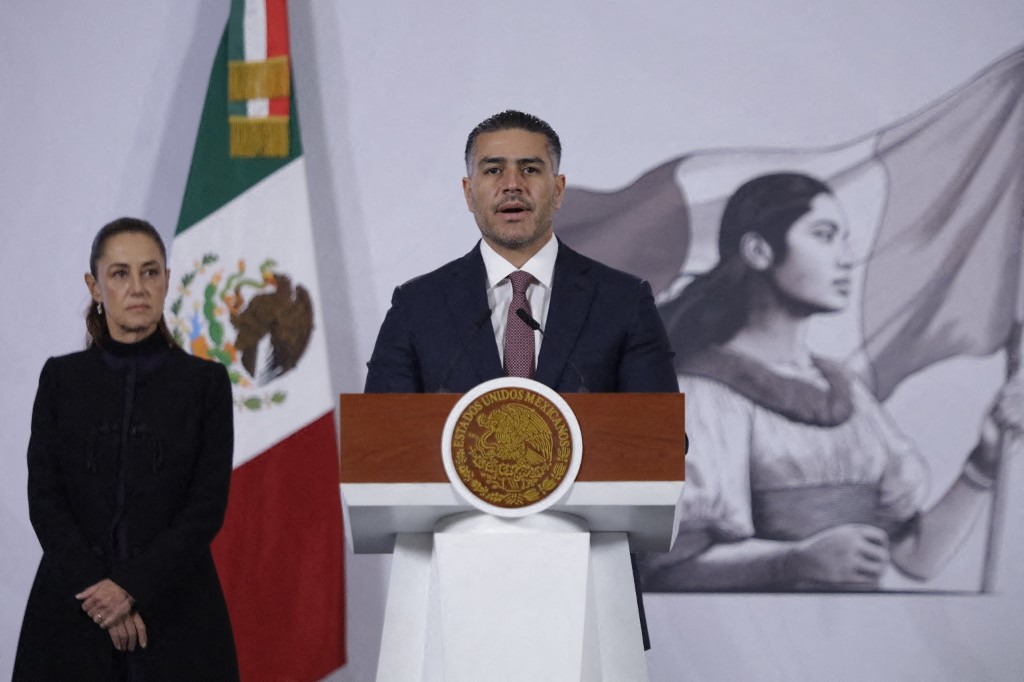

Mexico: after the Elimination of El Mencho, the Calm Before the Storm?
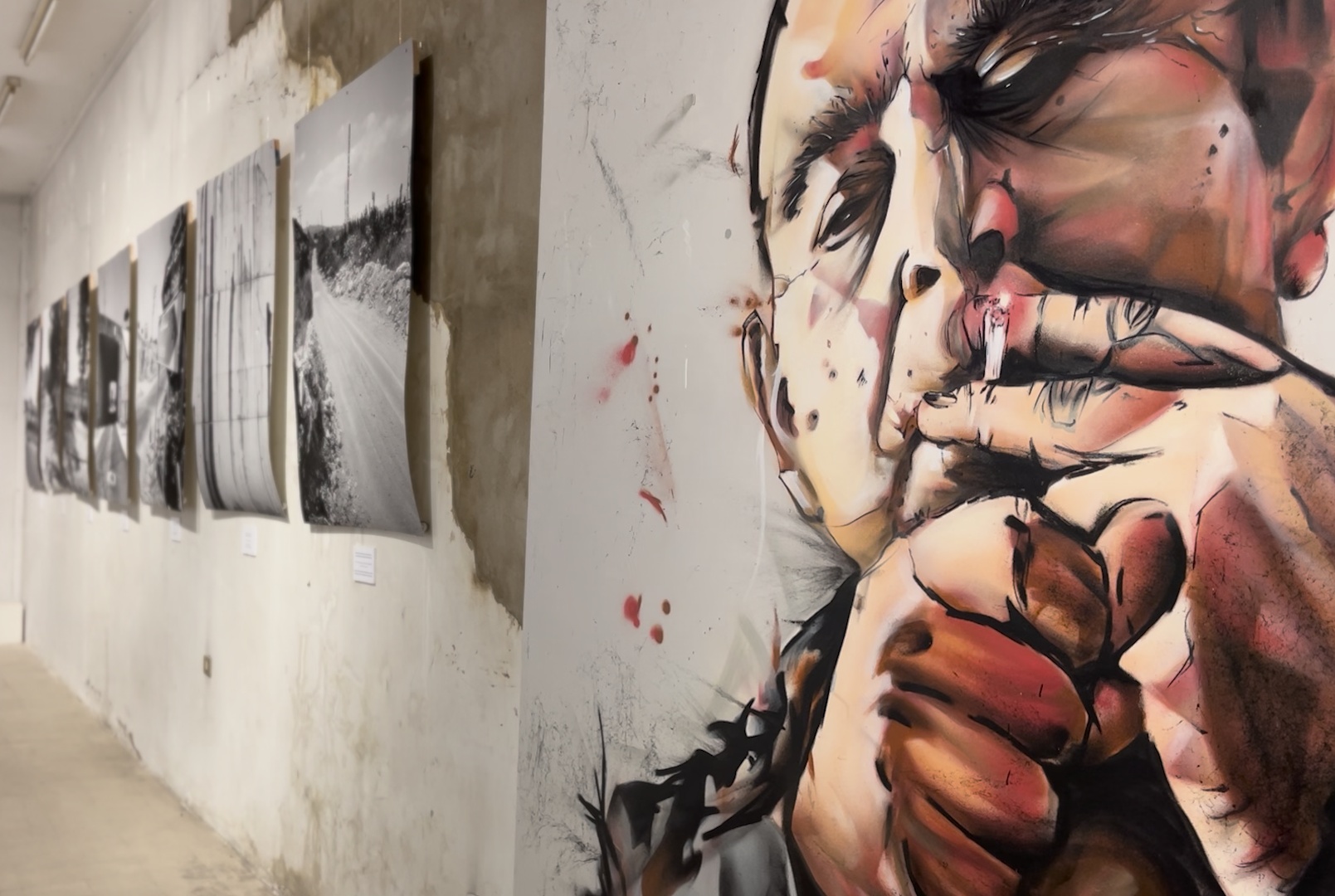
«Remaining»: Rekindle the Memory of the Victims of Political Assassinations Since 2005
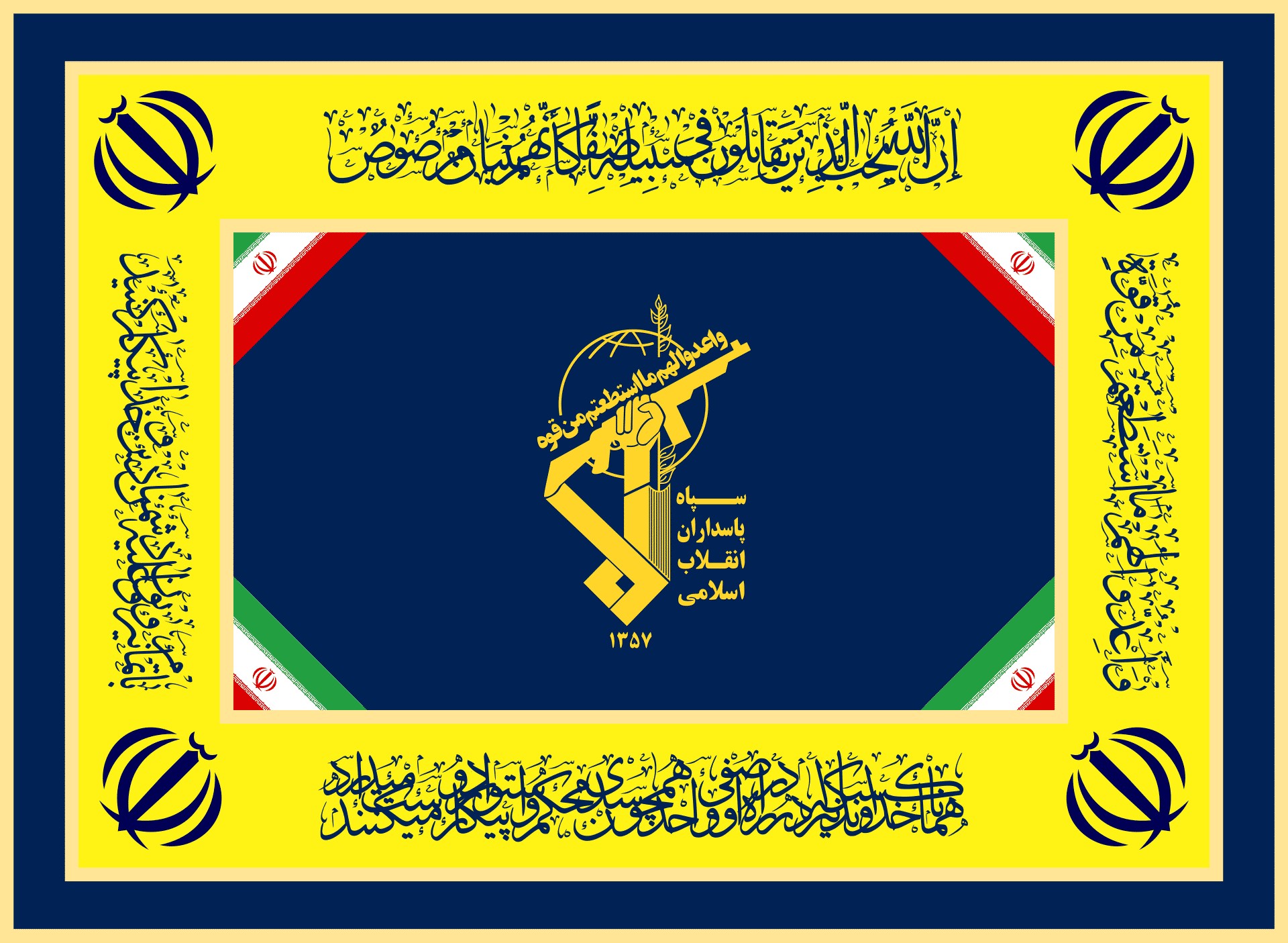
Revolutionary Guards, Supreme Organ of Repression
Tropic Thunder: Understanding US Interventionism in the Caribbean

Tropic Thunder: Understanding US Interventionism in the Caribbean
Lo último de Levant Time
Ver todo


