

Salam Defends his Policies, but Lacks a Clear Plan

The spotlight is on Lebanon’s socioeconomic and financial issues, where the Banque du Liban (BDL) announced on Thursday the opening of a special account intended to collect funds stemming from “embezzlement or illegal transactions” that may be recovered following “judicial decisions, amicable settlements, or any other proceedings initiated abroad.” According to the BDL, the aim is to return to depositors the funds that are rightfully theirs.
At the same time, Prime Minister Nawaf Salam announced, in a message addressed to the Lebanese people, a series of ongoing or planned projects in areas that directly affect their daily lives: electricity, transport, housing, and the cleanup of public finances, including through the recovery of arrears owed to the state. The speech was primarily intended to reassure, but also to defend his 2027 budget proposal, which has been sharply criticized by the Lebanese Forces.
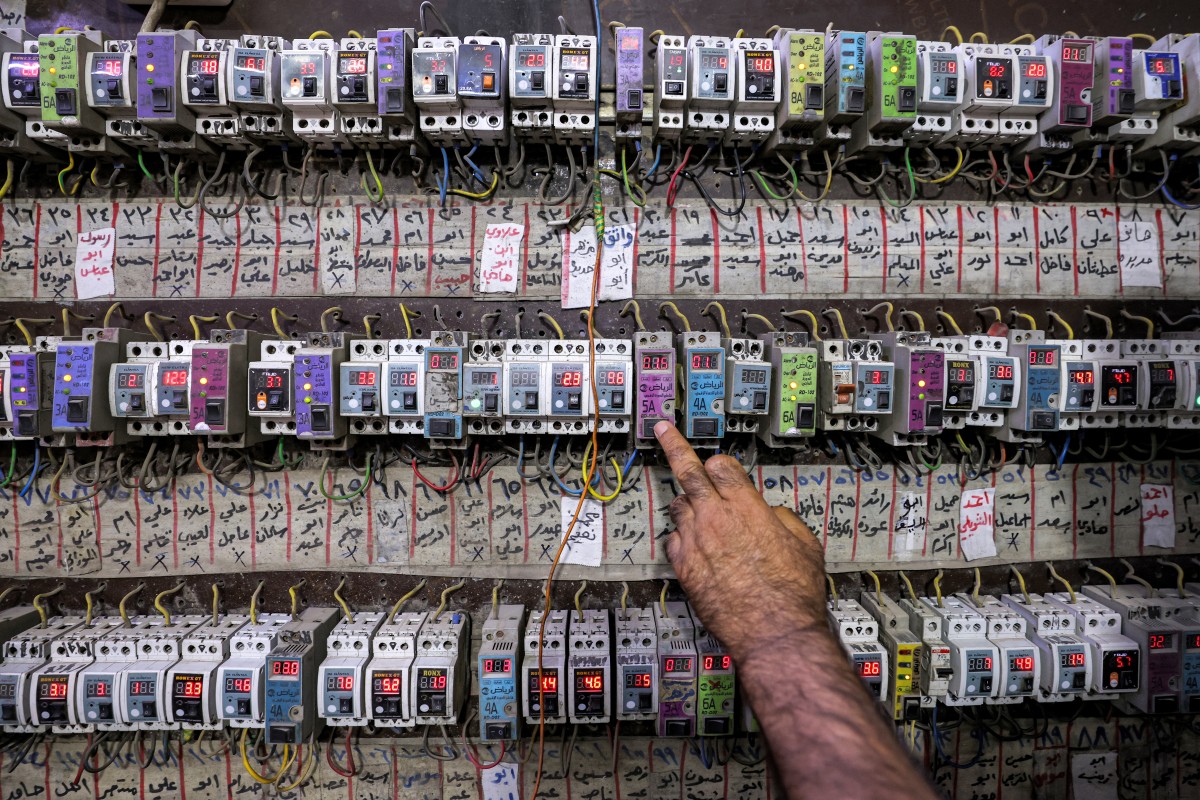
The timing of this address can be explained by two developments that have recently dominated Lebanese news: public discontent, which has intensified in recent weeks over the soaring bills charged by private generator operators, and Energy Minister Joe Saddi’s decision to suspend his participation in Cabinet meetings, accusing the Cabinet of failing to act on his requests to improve electricity supply without placing an even heavier burden on taxpayers.
Among his main demands is the settlement of amounts owed to Electricité du Liban (EDL) by ministries and public institutions, estimated at nearly $300 million. Releasing these funds would enable EDL to finance fuel purchases and thereby increase the hours of electricity supply, which would inevitably affect private generator bills.
However, while the opening of the BDL’s special account for repaying deposits is part of the policy implemented by the new governor, Karim Souaid, since his appointment to lead the institution, Nawaf Salam’s presentation is less convincing in the absence of a detailed economic recovery plan that would allow the Lebanese people to monitor its implementation.
No one doubts the government’s determination to tackle those problems that can be resolved among the heavy legacy left by its predecessors, particularly in the electricity sector, which alone is responsible for a deficit of nearly $40 billion. Within its means, Nawaf Salam’s team has launched several reform initiatives and sought to address the most urgent needs in a very difficult context marked by a war imposed on the country.
Nevertheless, Mr. Salam’s speech amounts to a statement of intentions and future plans, much like the ministerial policy statement on the basis of which he won Parliament’s confidence. He was clearly seeking to dispel rumors of tensions within the government.
Concerned about preserving his team’s cohesion, the head of government used his address to send three messages. To Minister Saddi, he assured him that the government “is working toward a lasting solution to the electricity problem,” without providing details or committing to act on the minister’s requests.
To taxpayers, he said that his team was aware of the burdens crushing them and was determined to recover the funds owed to the state. To international donors, he appeared to want to assure them that the state would not undertake new spending without having the resources needed to finance it.
How? That is where all the mystery lies. The reason is that the economic file remains closely tied to politics. And the state has so far failed to meet its obligations. It should be recalled that the international community, particularly donors, has been very clear on one point: Lebanon will receive substantial assistance to support its recovery efforts only if the authorities seriously take back control of the country by disarming Hezbollah, which has become a state within a state, and undertake substantial reforms.
On both fronts, the authorities have taken initial steps but stopped halfway. Hezbollah’s disarmament, although the subject of a government decision and a pledge in the president’s inaugural address, has remained wishful thinking.
As for reforms, significant measures have been implemented on the basis of an agenda that has expanded since 2025, including the establishment of the electricity sector regulatory authority.
But the task remains immense and is still partly dependent on a political decision.
In other words, while it is true that each ministry has an agenda in line with the commitments made under the ministerial statement, the government has yet to present the Lebanese people with a genuine national economic recovery plan, based on figures and accompanied by a precise timetable. This is particularly true of the electricity sector, where the prevailing sense is that the government is still moving forward blindly.