



The global order is entering a transitional phase marked by remodeling rather than collapse. The post-WW2 order led so far- and more so since the collapse of the Soviet Union in 1990 - by the United States is adjusting to new realities.
China’s economic weight gives it strategic leverage that extends far beyond trade and finance, positioning it as a major competitor to the United States. Although China’s form of interventionism differs from that of Western powers, its growing influence across regions such as the Middle East, Africa, and Latin America is nothing but another version of neo-colonialism, hence not less damaging to America’s global interests.
Despite the erosion of many of its strategic assets as a result of the war in Ukraine, Russia should neither be dismissed nor underestimated as a global power. It continues to wield influence across Africa, the Middle East, and other regions, maintaining a network of geopolitical reach. For the United States, Russia therefore remains a threat—diminished, but far from eliminated.
More importantly, the inconsistent engagement and mounting internal challenges of traditional powers such as the United States, the European Union, and Russia have created a strategic vacuum that enabled a new set of regional actors across the Middle East and Asia to arise as the new “power brokers”.
The emerging landscape is multipolar, but also interdependent. Competition is increasingly economic and technological. Control over supply chains, digital infrastructure, artificial intelligence, energy flows and critical minerals now shapes strategic influence more decisively than traditional territorial expansion.
In this context, corporations and financial institutions exert unprecedented transnational impact, exposing new forms of state vulnerability.
From a realist perspective, this represents a partial diffusion of power away from the state. While governments remain primary actors, their capacity to project power is increasingly undermined by private entities that control critical assets. States dependent on foreign-controlled supply chains, platforms, or capital markets face structural constraints on strategic autonomy, limiting their freedom of action even in matters traditionally associated with national security. Economic coercion, technological chokepoints, and financial leverage thus become substitutes for military force.
This new reality may look like deepening a complex mutual dependence, in which corporations function as key intermediaries linking national economies. However, this interdependence is asymmetrical. States embedded in global markets but lacking domestic control over finance, technology, or energy are more exposed to external shocks and private decision-making beyond their regulatory reach.
The scale and impact of non-state actors often rivals that of nation-states, raising important debates about governance, regulation and economic balance. For example, governance increasingly shifts from public institutions to transnational corporate networks that set standards, control data flows, and influence regulatory regimes. State authority is not eliminated, but fragmented and shared with non-state actors whose priorities are driven by profit, risk management, and shareholder interests rather than national strategy.
For the Middle East, this transition presents both risk and opportunity. Strategic geography, energy transformation initiatives and infrastructure investments position the region as a central node in evolving global networks. The question is not whether the region will be affected — but how it will shape and leverage the shift. The capacity of Middle Eastern states to shape and leverage this shift is uneven and deeply conditioned by structural fragilities.
Many of these vulnerabilities are rooted in the legacy of colonial state formation, which produced borders, institutions, and political economies poorly aligned with social realities. Post-independence governance models often relied on coercion, external rents, and patronage rather than inclusive political participation, resulting in weak or fractured social contracts. Over time, authoritarian consolidation, conflict, and economic mismanagement further eroded state legitimacy and institutional capacity.
Nonetheless, the significant transformation is taking place at the societal level.
The normalization of instability — from financial volatility to geopolitical shocks — has altered public expectations. What once triggered sustained public reaction now generates limited engagement. Information cycles accelerate, and crises overlap, compressing public attention spans.
This shift does not necessarily imply manipulation, but it does reflect a structural change in how societies absorb disruption. Adaptability has become a defining feature of contemporary populations. The risk, however, is that adaptation without participation may gradually weaken long-term civic engagement.
The emerging world order will be shaped not only by strategic competition among states, but also by how societies interpret and respond to continuous change.
Ultimately, the most significant transformation may not be geopolitical, but cognitive. As power diffuses across states, corporations, and transnational networks, citizens increasingly confront governance systems that feel distant, opaque, and difficult to influence. The central question is whether societies respond to this complexity through renewed political engagement or retreat into permanent adjustment within structures they no longer meaningfully shape.
In many contexts, prolonged exposure to instability, economic precarity, and external dependency has fostered a politics of accommodation rather than participation. Citizens recalibrate expectations downward, prioritizing survival and individual adaptation over collective agency. Governance, in turn, risks devolving into a technocratic exercise focused on managing volatility rather than articulating shared political projects. This cognitive shift—from ownership to endurance—gradually erodes the foundations of accountability and consent.
The ultimate outcome of this transition will not be determined by states, corporations, or institutions alone. It will hinge on whether citizens remain active participants in shaping governance frameworks or settle into a condition of perpetual adjustment to forces they no longer contest.
The world is being rewritten in real time. Whether public agency evolves alongside it—or erodes under the weight of complexity and fatigue—will define not only the legitimacy of future governance models, but the character of the next era itself.
In Search of Lebanon, from Beirut to the Vatican
UN: Paris Wants to Replace UNIFIL With a 'Different Type' of Presence
The Abolition of the Death Penalty: Ibrahim Najjar and Élie Keyrouz’s Long Fight
The Testament of Hassan Rifai
A ceasefire... yes, but what happens next?
المزيد في Politics
عرض الكل


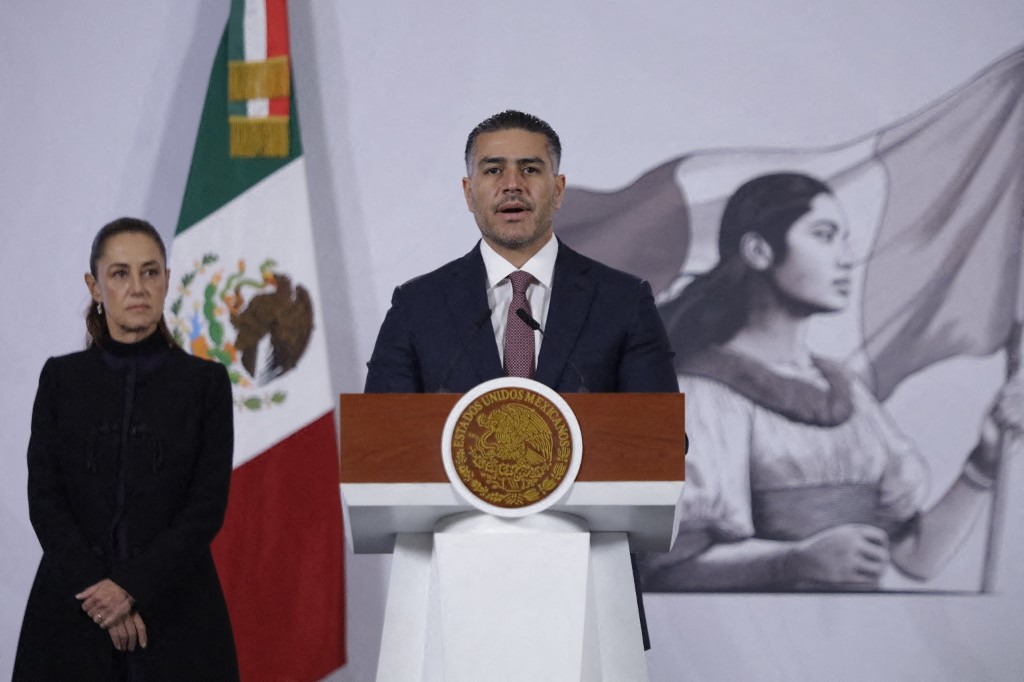

Mexico: after the Elimination of El Mencho, the Calm Before the Storm?

«Remaining»: Rekindle the Memory of the Victims of Political Assassinations Since 2005
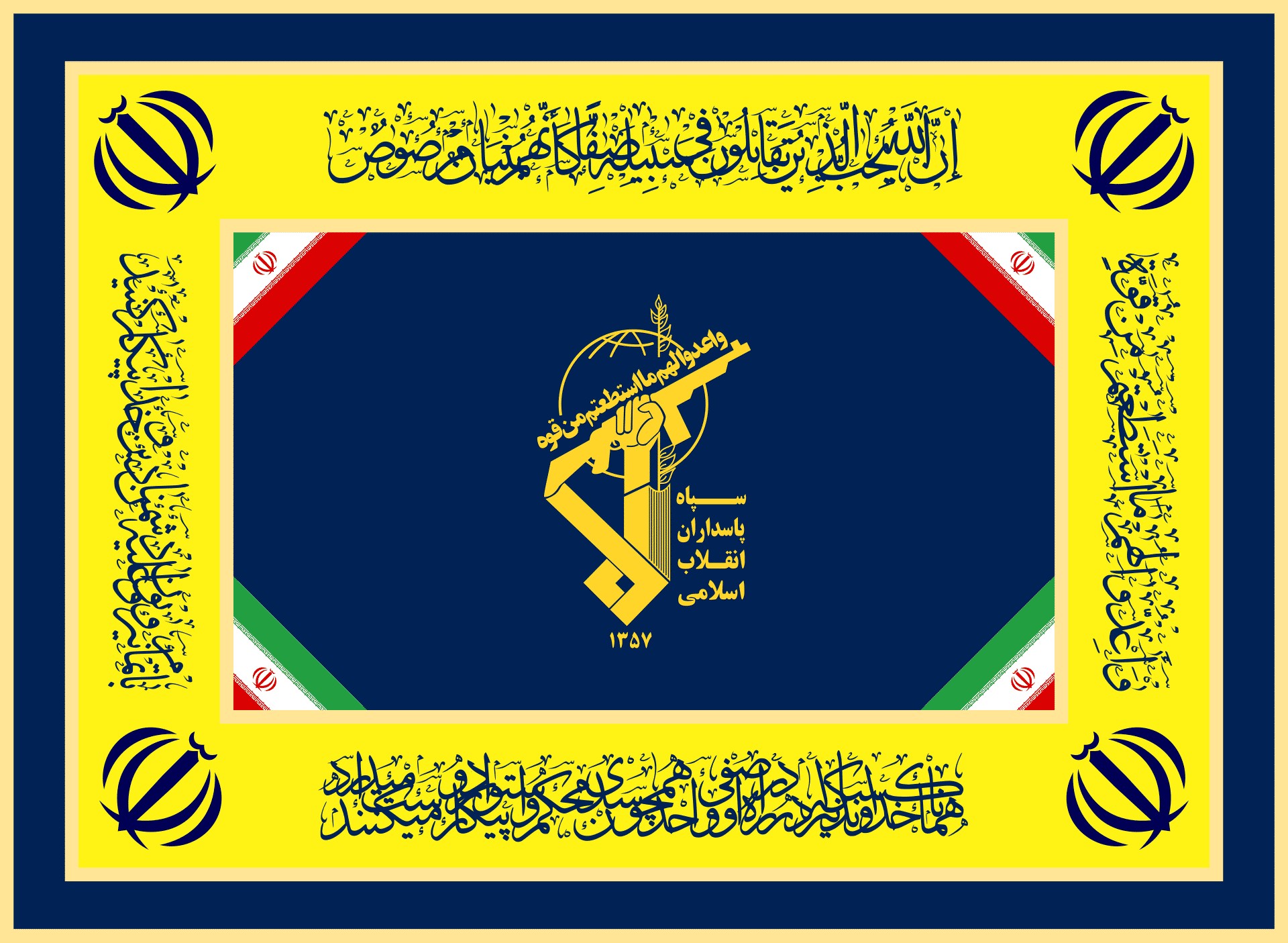
Revolutionary Guards, Supreme Organ of Repression
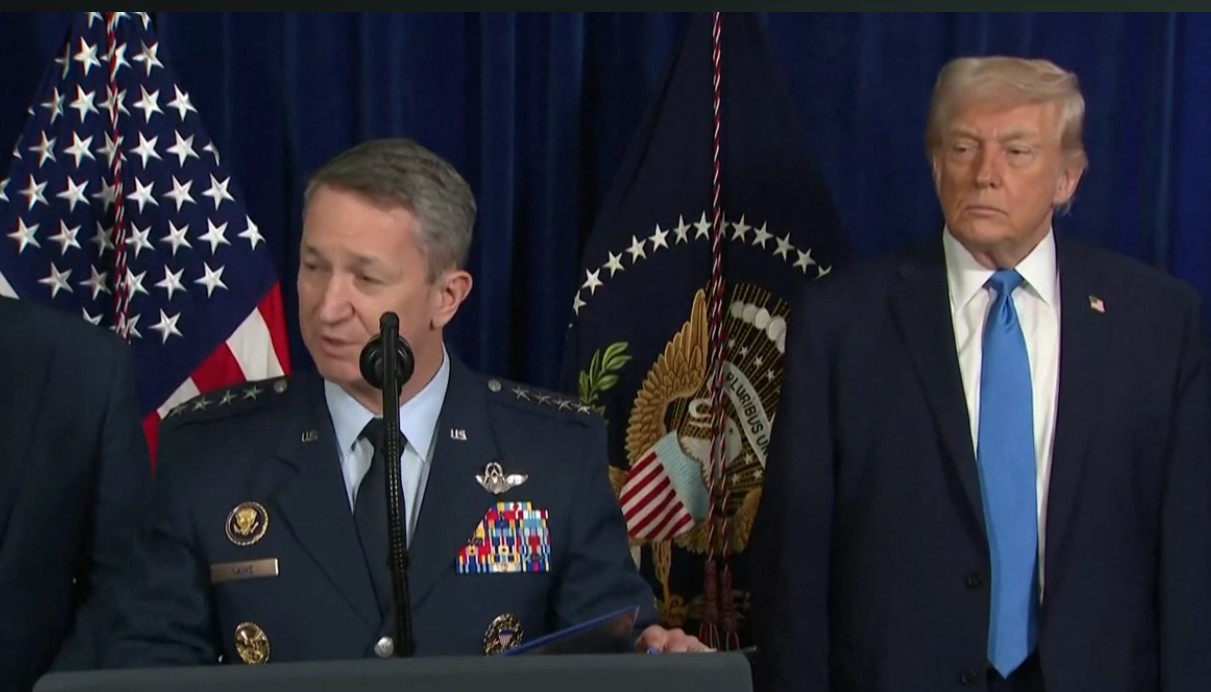
Tropic Thunder: Understanding US Interventionism in the Caribbean
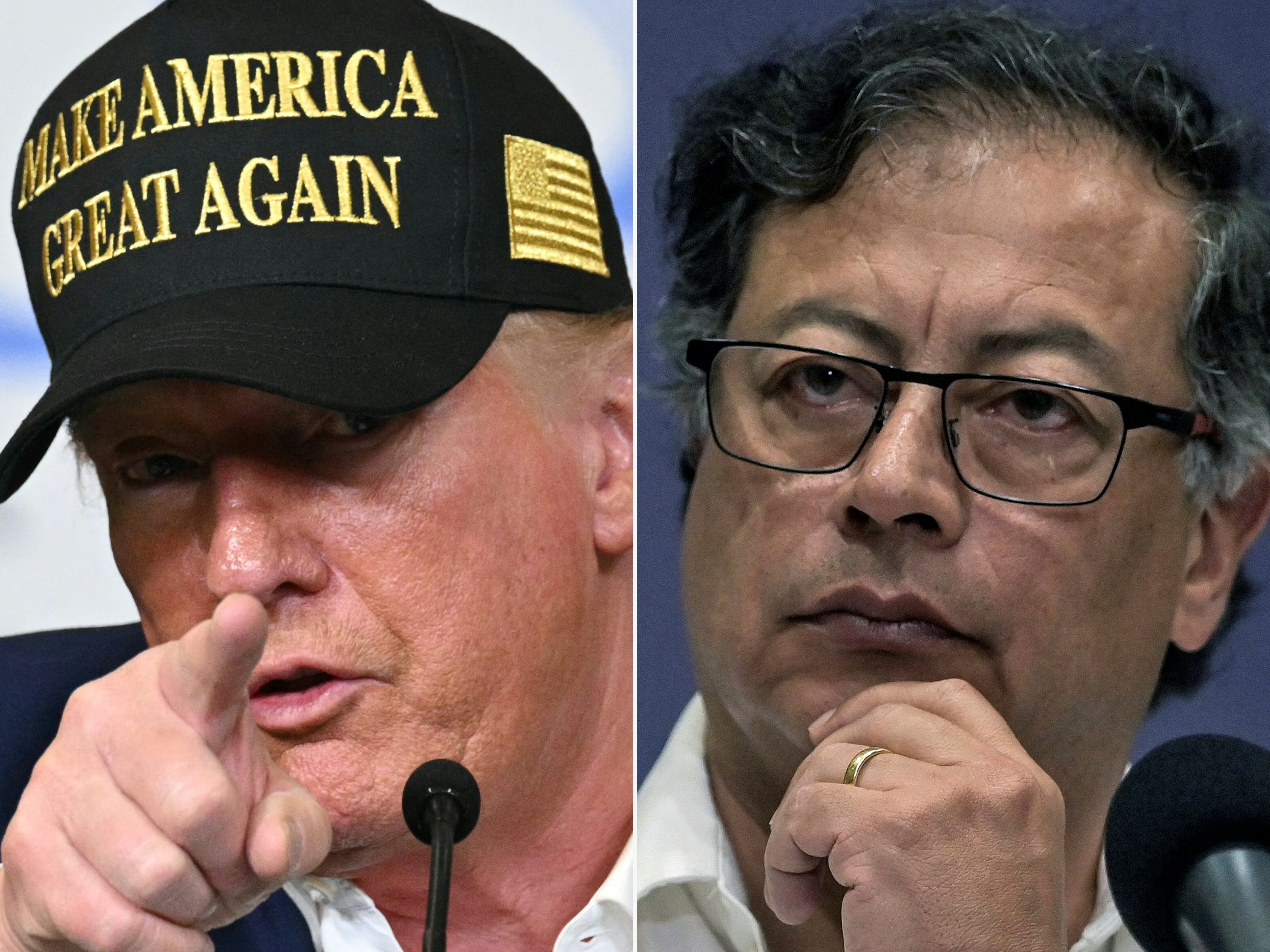
Tropic Thunder: Understanding US Interventionism in the Caribbean
الأحدث من Levant Time
عرض الكل


