Levant Time logo
Tilda Abou Rizk

Tilda Abou Rizk

Salam Defends his Policies, but Lacks a Clear Plan
By
Tilda Abou Rizk
Published
Oct 8, 2026 - 22:37

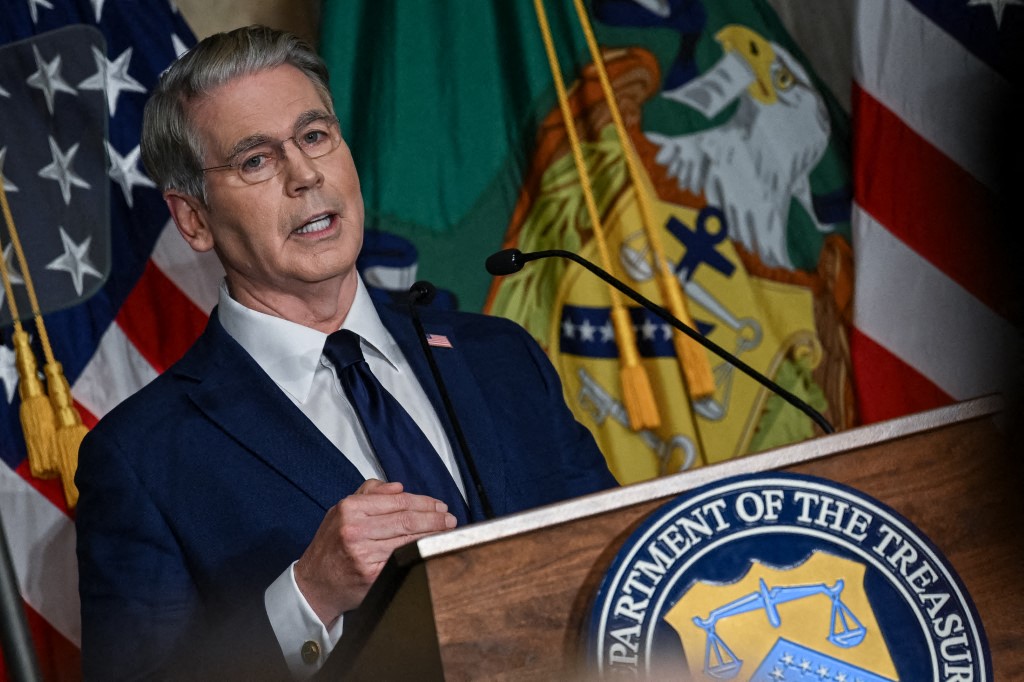
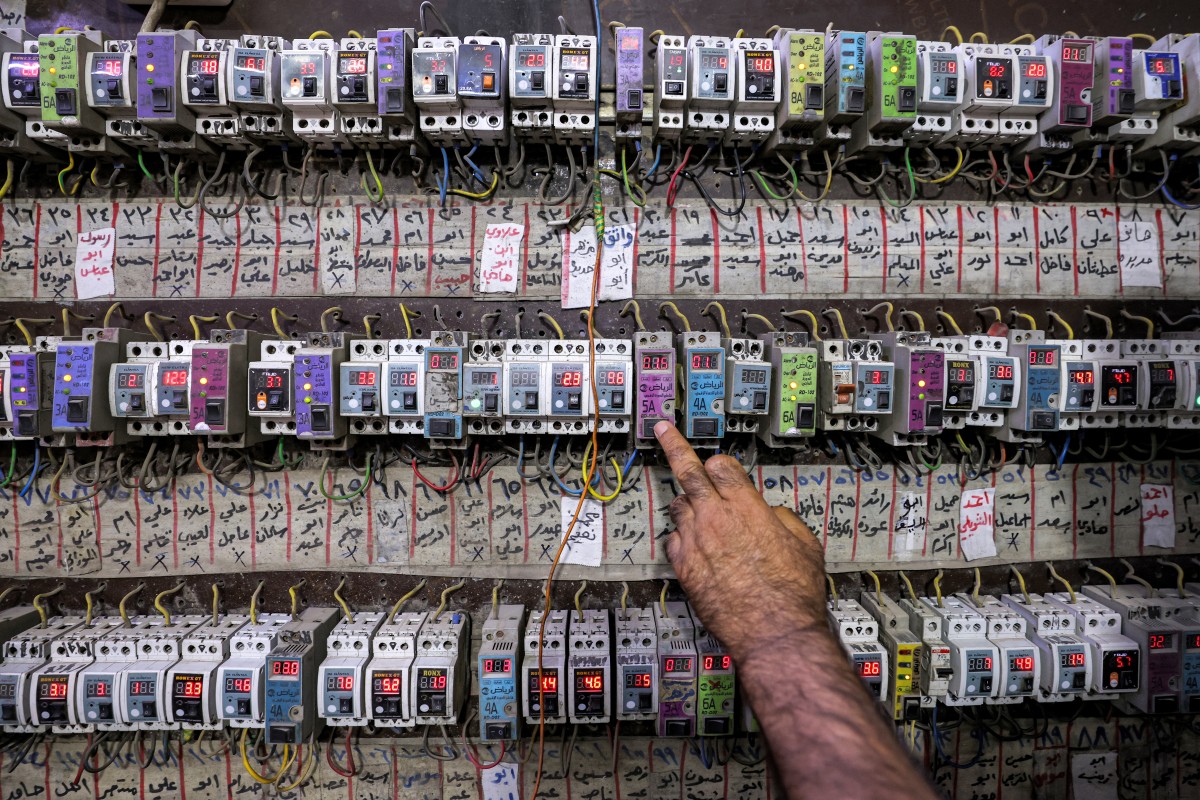
The spotlight is on Lebanon’s socioeconomic and financial issues, where the Banque du Liban (BDL) announced on Thursday the opening of a special account intended to collect funds stemming from “embezzlement or illegal transactions” that may be recovered following “judicial decisions, amicable settlements, or any other proceedings initiated abroad.” According to the BDL, the aim is to return to depositors the funds that are rightfully theirs. At the same time, Prime Minister Nawaf Salam announced, in a message addressed to the Lebanese people, a series of ongoing or planned projects in areas that directly affect their daily lives: electricity, transport, housing, and the cleanup of public finances, including through the recovery of arrears owed to the state. The speech was primarily intended to reassure, but also to defend his 2027 budget proposal, which has been sharply criticized by the Lebanese Forces.
Three Years After October 7, What New Regional Order?
By
Tilda Abou Rizk
Published
Oct 7, 2026 - 21:49

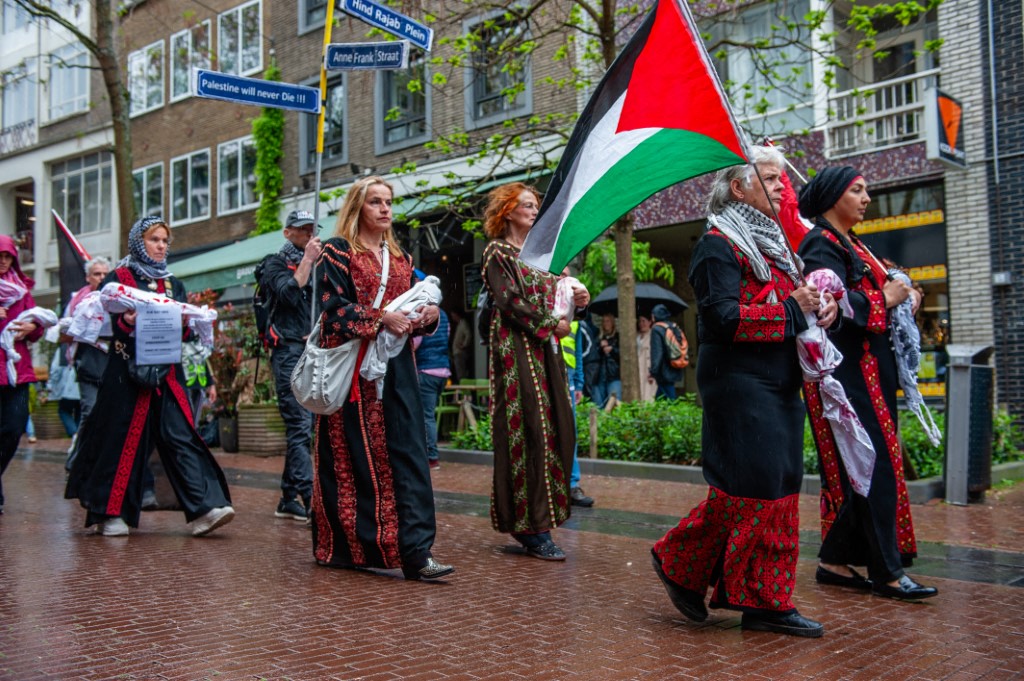
From Gaza to Yemen, via Lebanon, Syria and Iraq, the deadly attack by the Palestinian Hamas against Israel on October 7, 2023, will remain in the collective memory as the starting point of military and political upheavals all pointing toward the establishment of a new regional order. In Israel, where the memory of the attack—which killed more than 1,200 civilians—was marked by several commemorative ceremonies on Wednesday, Israeli Prime Minister Benjamin Netanyahu vowed to “complete the mission” launched on October 7, 2023, referring to Tel Aviv’s relentless war against Hamas. He spoke of a “settling of accounts that is not over,” without specifying, however, whether this “mission” is limited to Hamas or also includes its backer, Iran, which is held responsible for this large-scale operation.

Suspension of Iranian Airlines Flights: a Double Economic and Political Impact
By
Tilda Abou Rizk
Published
Sep 25, 2026 - 22:07

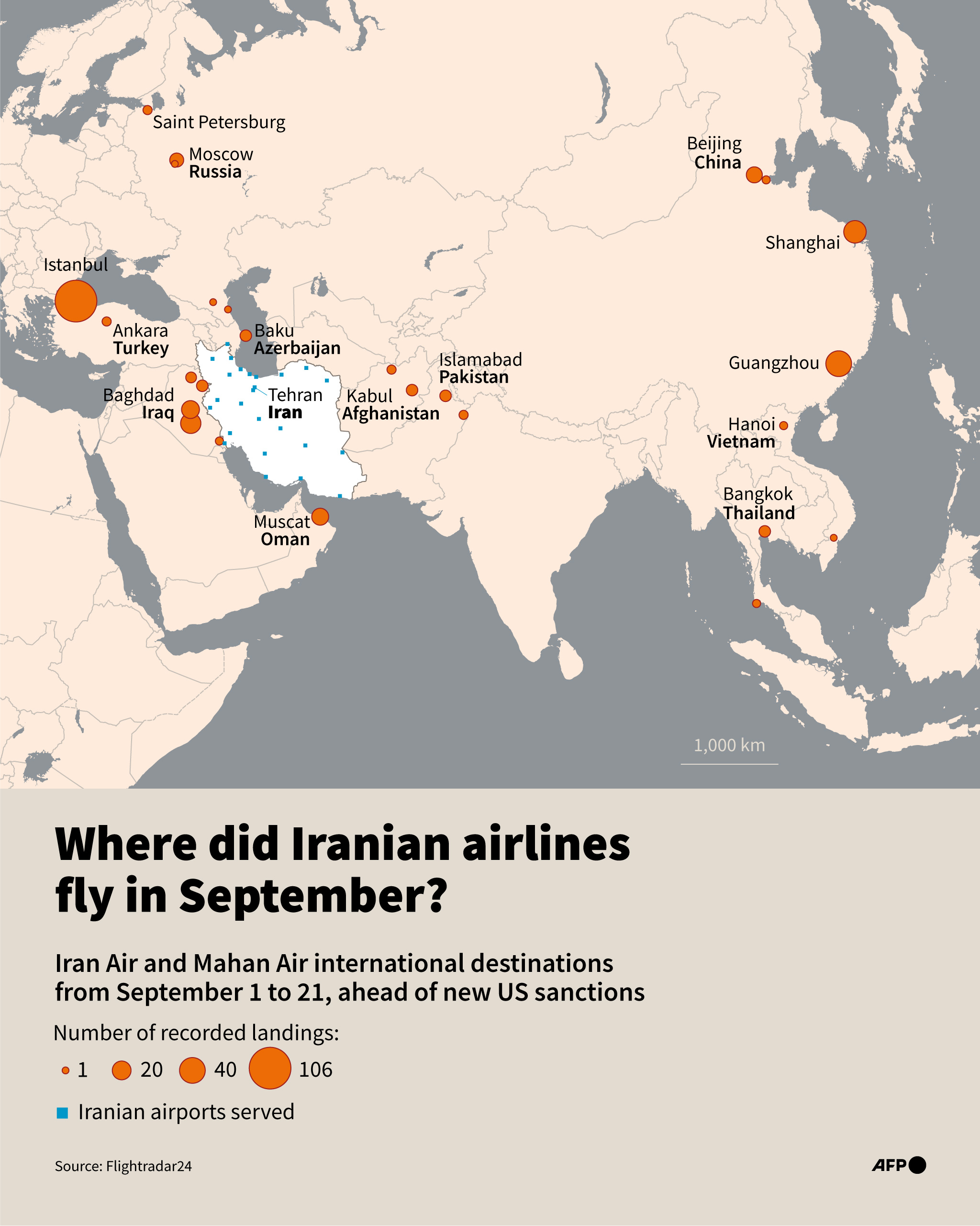
We are a long way, a very long way, from 2014, when Iranian leaders publicly boasted that they had succeeded in politically and militarily “linking” three capitals to the Iranian Revolution, explicitly naming Baghdad, Damascus and Beirut as the nuclei of an “empire” they dreamed of building. Twelve years later, the Islamic Republic finds itself resorting to all kinds of manoeuvres in an attempt to preserve a minimum of influence in two countries where its military instruments have been significantly weakened. The third, Syria, has completely slipped from its control. On Friday, Baghdad followed Beirut’s lead by closing its airspace to Iranian aviation, dealing a severe blow to Tehran, which regards Iraq as the natural extension of its “empire.”

A Lebanese-Iranian Meeting in New York, but Several Political Messages
By
Tilda Abou Rizk
Published
Sep 24, 2026 - 23:04

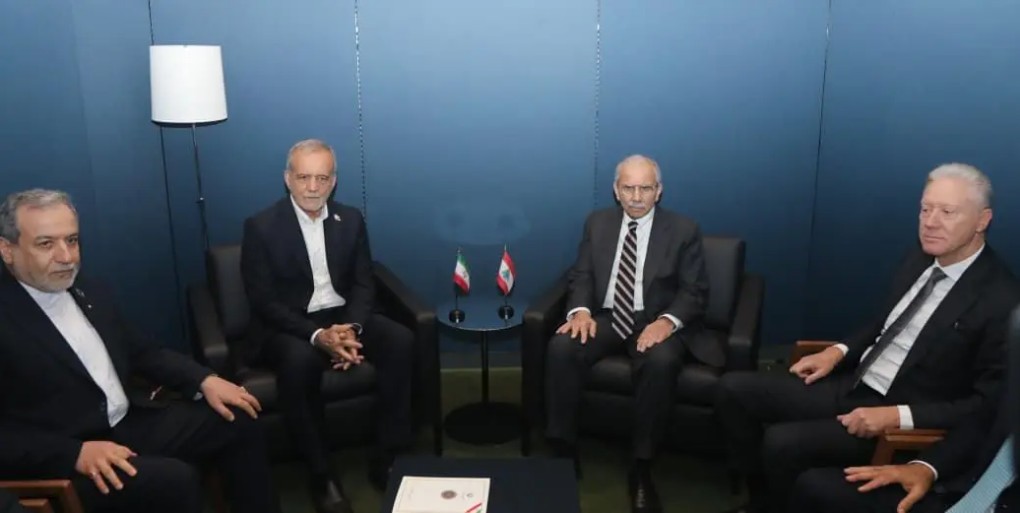
On Thursday, Lebanon bluntly asked Iran to stop meddling in its internal affairs through Hezbollah and to keep their bilateral relations on a state-to-state footing. That was the essence of the message Lebanese Prime Minister Nawaf Salam conveyed to Iranian President Massoud Pezeshkian during their meeting on the sidelines of the UN General Assembly, attended by Lebanese and Iranian foreign ministers Joe Raggi and Abbas Araghchi. Against the backdrop of the acute crisis that has persisted for more than six months between Beirut and Tehran, the Lebanese-Iranian meeting in New York would normally be considered highly significant. But divisions within Iran’s leadership—where decision-making power, as is well known, lies not with the president and his foreign minister but with the Islamic Revolutionary Guard Corps—and differing Iranian views on how to handle regional issues, diminish the scope of the exchange.

Trump-Xi: a Test Summit with Political and Economic Implications
By
Tilda Abou Rizk
Published
Sep 24, 2026 - 21:53

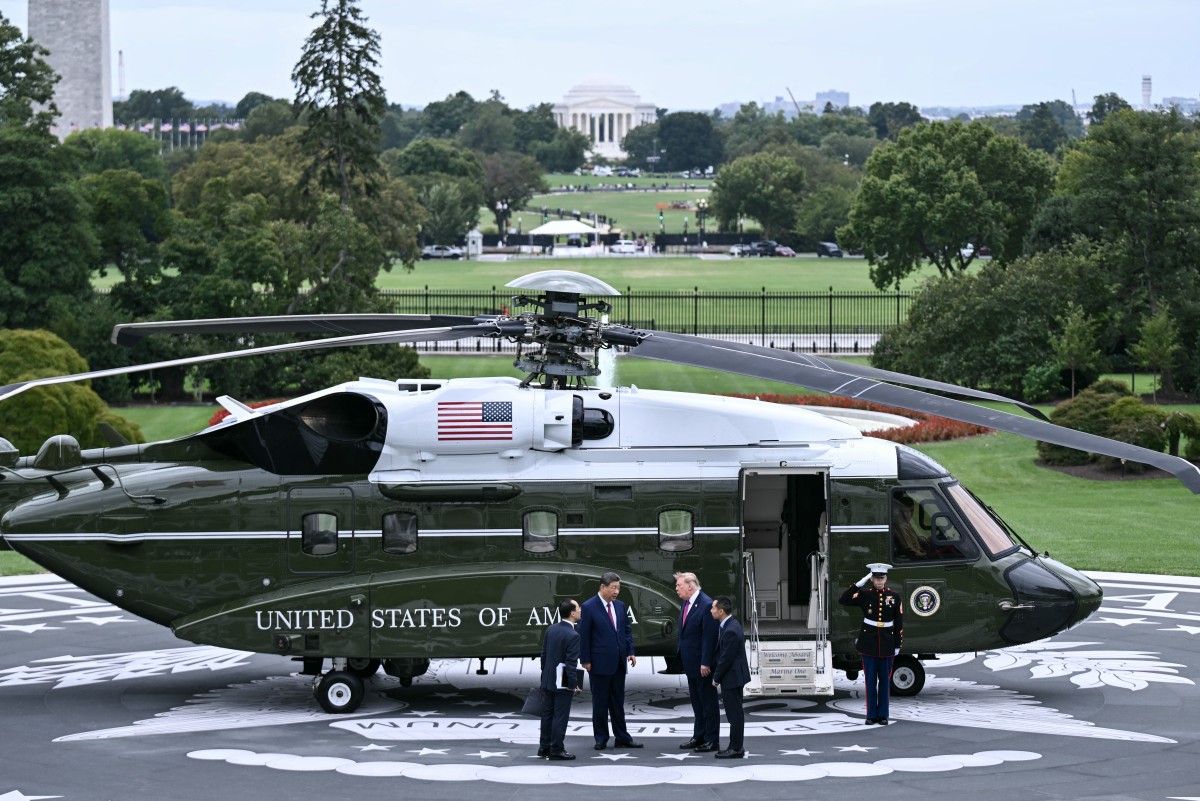
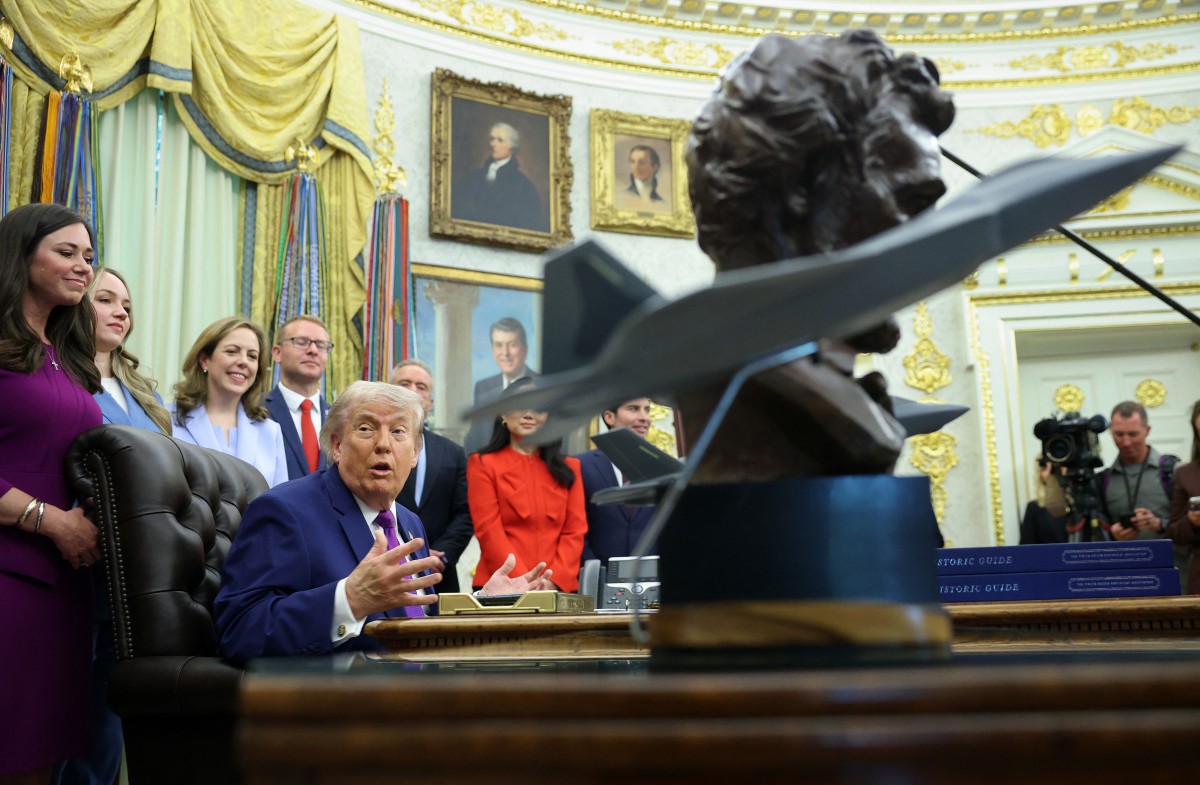
On Thursday, U.S. President Donald Trump welcomed his Chinese counterpart, Xi Jinping, to the White House for a closely watched summit with both economic and political dimensions, given its potential international repercussions. Several sensitive issues are on the agenda: trade, U.S. tariffs, U.S. access to Chinese rare earths, artificial intelligence, U.S. support for Taiwan, Iran, U.S. sanctions imposed on Tehran, and Chinese support for the Islamic Republic. These are all issues that have left many analysts skeptical about the prospect of major announcements, including those quoted by Reuters. In their view, the Xi-Trump summit should primarily enable the two leaders to “stabilize a relationship under intense strain.”

Iran: the Dangerous Game of Regional Escalation in the Face of US Sanctions
By
Tilda Abou Rizk
Published
Aug 27, 2026 - 22:56

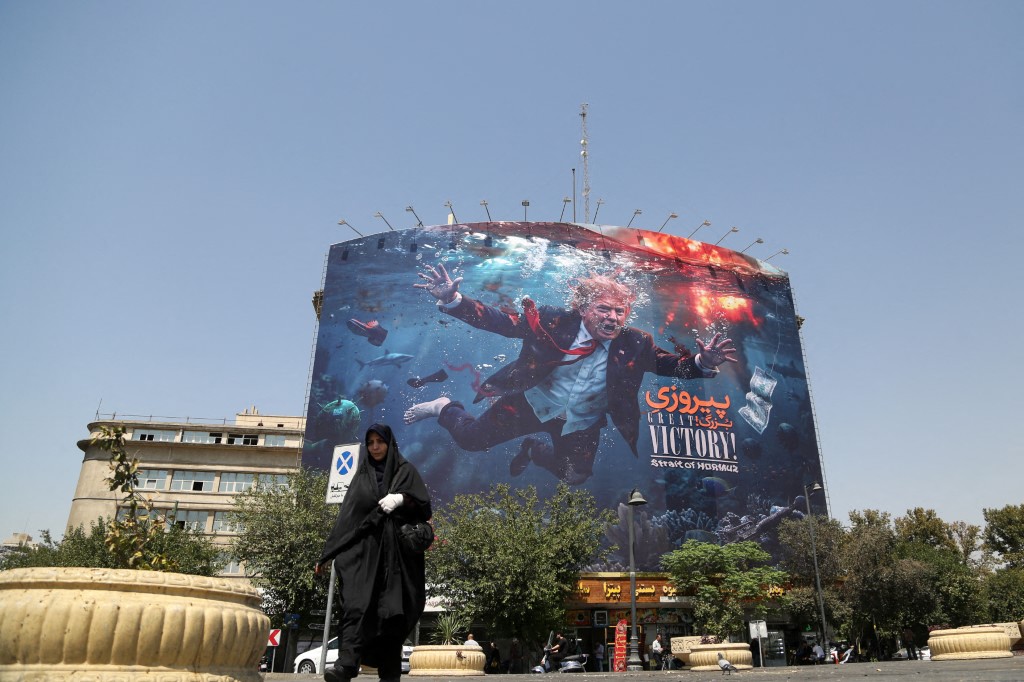
The escalating tensions in Lebanon, Gaza, the Red Sea, and the Strait of Hormuz are fueling fears of a scenario that Iran and its allies have already employed before: a series of military provocations that would gradually intensify to counter the American economic D-Day. The Israeli military says it is preparing for a possible "multi-front flare-up," on the eve of a series of Jewish holidays beginning on September 11. While Iran is careful not to provoke Israel directly—to avoid a retaliation that would cost it dearly—it would not hesitate to encourage its allies to act as troublemakers, should the American economic vice tighten further around it.

Can Iran Withstand Washington’s Economic D-Day?
By
Tilda Abou Rizk
Published
Aug 25, 2026 - 01:17

Two major developments mark the start of the week: Washington’s extraordinary economic and financial offensive against Iran – dubbed the “economic D-Day” – and, in Lebanon, the resurgence of the case of Mohammad Reza Chibani, Iran’s designated but unaccredited ambassador to Beirut. The significance of the barrage of sanctions announced by Washington on Monday lies in its direct consequences across multiple fronts, both in the short and medium term, for Iran’s economy, the survival of the mullahs’ regime, the regional balance of power and even international relations, particularly with China. The Mohammad Chibani affair, of course, is in no way comparable to the economic D-Day. Above all, however, it puts the Lebanese authorities’ ability to maintain consistency between their words and their actions to the test. It matters because it represents yet another test for a Lebanese state that has long struggled to assert its authority. On Monday, August 24, official Lebanon failed the test once again.

A ceasefire... yes, but what happens next?
By
Tilda Abou Rizk
Published
Jun 1, 2026 - 14:35

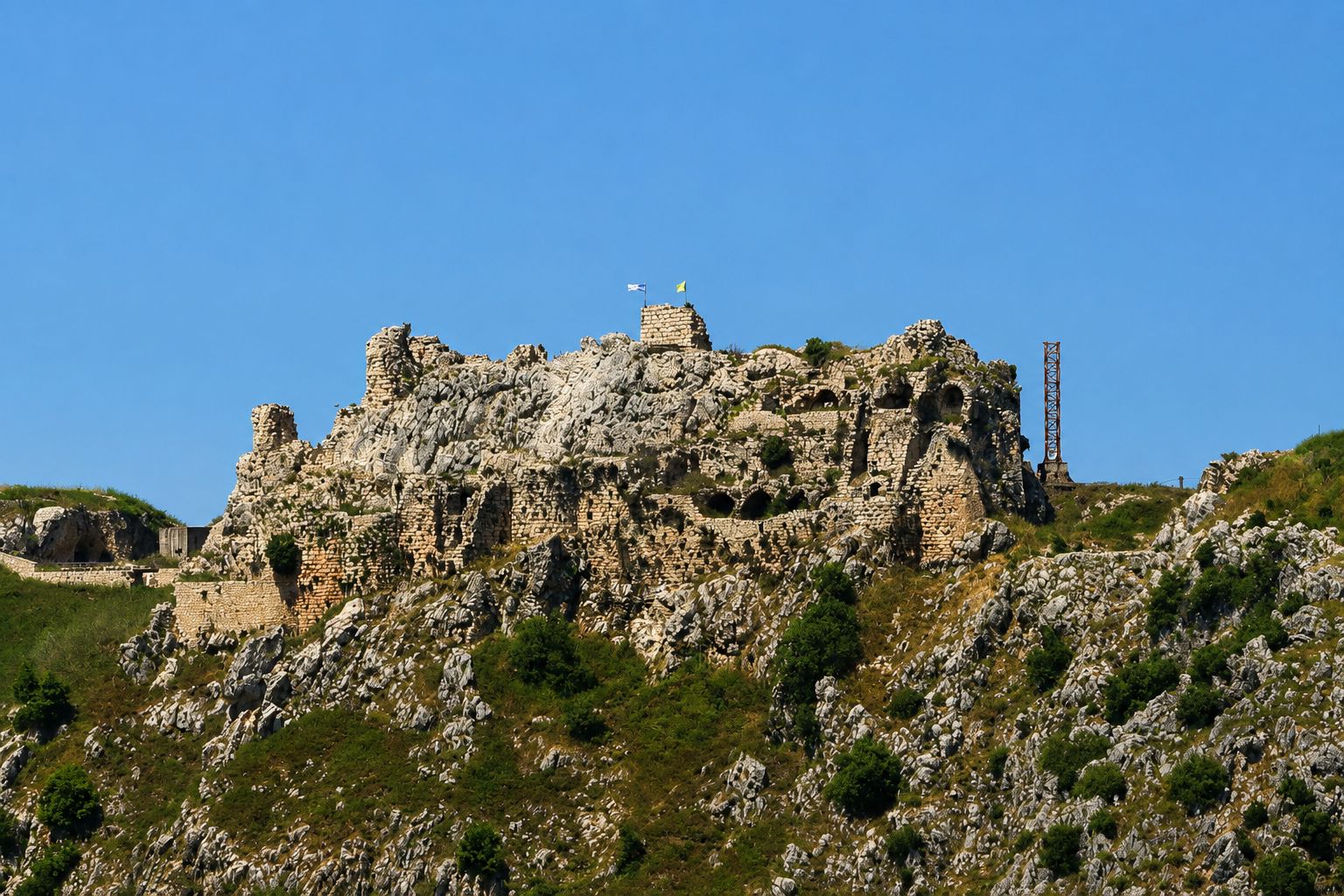
The image of Israeli flags fluttering over Beaufort Castle is painfully striking. It is as painful as those of villages completely or partially destroyed, or families decimated. It is as violent as videos of desperate Southerners trying to salvage what they can before the next merciless volley of missiles, who risk death to feed herds and pets abandoned by their owners, who cry out their anger, frustration, and despair at a war that nothing could justify. The banners on Beaufort and the unbearable Israeli triumphalism that followed the seizure of this strategic archaeological site hit like a punch. Because they recalled the machinery of pointless wars in which Lebanon has been trapped for decades, caught in a time loop of a bad movie.

Lebanon Caught in a New Spiral of Violence
By
Tilda Abou Rizk
Published
May 26, 2026 - 22:57

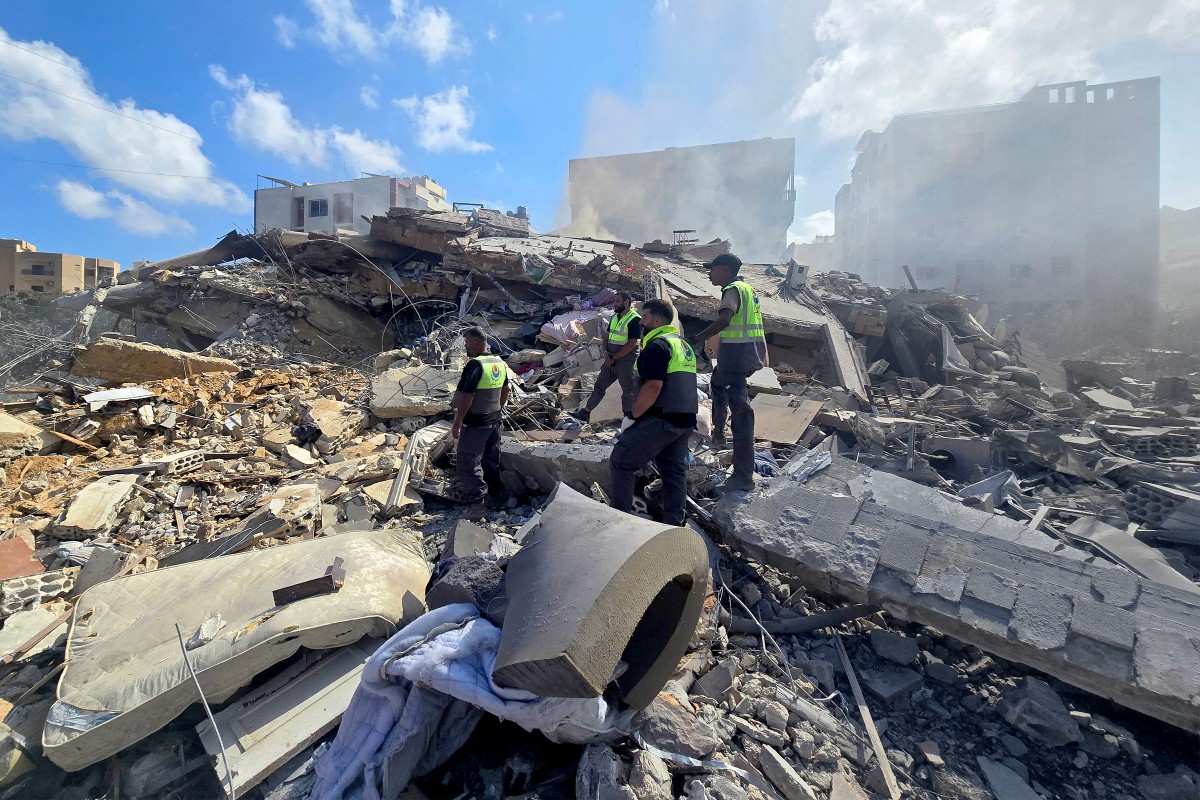
In the wake of Israeli Prime Minister Benjamin Netanyahu’s threats to “crush Hezbollah” and expand his military operation into Lebanon, the country has been swept into a fresh spiral of violence that reignited fears of a return to open confrontation. Those fears are all the more well-founded given that the Israeli army has begun extending the so-called security zone it controls in southern Lebanon. Meanwhile, the Israeli leader – who has secured American approval for a large-scale operation against Hezbollah – reaffirmed on Tuesday that he had no intention of “taking his foot off the accelerator,” stating that his army is intensifying its operations in Lebanon and “securing strategic positions.” The prime minister also pointed to a “national effort aimed at countering the threat of Hezbollah’s explosive drones.”

Iran-USA: a prolonged standoff with unpredictable consequences
By
Tilda Abou Rizk
Published
May 11, 2026 - 22:45

The world is once again holding its breath as it awaits President Donald Trump's decision in response to Iran's counter-proposal (which he deemed 'totally unacceptable' on Sunday) to his conditions for resuming negotiations over an agreement aimed at bringing the war to a lasting end. Through its Foreign Ministry spokesman Ismail Baghaei, Iran stated Monday that it had merely 'demanded an end to hostilities across the region and the unfreezing of its assets.' Ismail Baghaei, responding to Donald Trump's rejection of Iran's response, claimed that 'the only thing required is Iran's legitimate rights'—namely, 'an end to the war in the region, including Lebanon, the lifting of the American blockade on Iranian ports, and the release of Iranian assets that have been unjustly frozen for years.'

/