

Revolutionary Guards, Supreme Organ of Repression

While the 47 members of the United Nations Human Rights Council expressed alarm in a resolution at "the unprecedented scale of the violent crackdown on peaceful protests by security forces" in Iran, High Commissioner Volker Türk condemned the security forces' firing of "live ammunition" at protesters, deploring the deaths of "thousands" of people, including children.
At the heart of this repression are the Islamic Revolutionary Guard Corps (IRGC), the ideological arm of Iran's Supreme Leader, Ayatollah Ali Khamenei. The 'Pasdaran' ("guardians" in Farsi) are an extremely organized armed force, accused by Westerners of orchestrating and even participating in the crackdown on the protest movement.
Who are they?
The "Pasdaran" were created in 1979 by the Supreme Leader shortly after the Islamic Revolution "to propagate the ideals of the Islamic Revolution," recalls Clément Therme, an associate researcher at the International Institute for Iranian Studies, quoted by AFP.
A Western diplomatic source who requested anonymity suggests a number approaching 200,000 men.
Beyond ideology, "it's an armed force that functions like an elite army with land, sea, and aerospace capabilities, but it is better trained, better equipped, and better paid than the regular army," this source emphasizes.
The IRGC also acts as Tehran's liaison with its allies in the region, such as the Lebanese Hezbollah or the armed groups of the Hashed al-Shaabi in Iraq.
Constitutionally, all its leaders are appointed by the Supreme Leader.
Last June, Ali Khamenei had appointed Mohammad Pakpour as the new head to succeed Hossein Salami, who was killed in Israeli airstrikes. He is a veteran of the Iran-Iraq War.
What are their means?
"It's an empire within an empire," emphasizes David Khalfa, noting that the "Pasdaran" own or control companies in all strategic sectors of the Iranian economy.
"They have a quasi-monopolistic position," whether in infrastructure (ports, transport, dams, etc.), energy (gas and oil), technology, telecommunications, or the financial and banking sectors.
Their military budget is estimated at between 6 and 9 billion dollars per year, approximately 40% of Iran's official military budget, according to data collected by the researcher. "They de facto control the Iranian economy".
How do they operate?
The Guardians have established a vast intelligence network that is "the most extensive and efficient of the Iranian regime," explains David Khalfa, a researcher at the Jean-Jaurès Foundation, quoted by AFP.
They are capable of meticulously dismantling protest networks in record time, identifying protest leaders in a matter of minutes.
They rely on a paramilitary militia (the Basij), recruited primarily from among young people, which acts as an ideological organization integrated into all institutions and strata of society.
They are believed to number between 600,000 and 900,000 people, according to David Khalfa, based on cross-referenced data from various American think tanks.
What role do they play in the current repression?
"They play a central role in the repression because today, more than ever, they are the pillar of the Iranian regime, the pillar of its longevity, of its survival," analyzes David Khalfa.
"They have set a political and operational line regarding the protests which is: zero tolerance," he adds.
Hence a considerable number of people killed, at least 700 in two weeks, according to NGOs.
Experts believe that at the beginning of the protests, the Guardians were probably in the background, relying on local security forces and the Basij.
But "from the outset, they have been directing the repressive apparatus," "they coordinate the work of systematic repression," emphasizes David Khalfa.
As the protests did not wane, they sent in their ground forces and special units, explains the researcher. And in a "strategy of denial" of their responsibility, "they act in civilian clothes," adds Clément Therme, so as not to be "directly attributed responsibility for human rights violations".
A terrorist organization?
As early as 2019, the United States listed the Revolutionary Guards as a terrorist organization by the State Department.
European officials, including MEPs, have in recent days called on the European Union to increase pressure against Iranian authorities, demanding, among other things, that the IRGC also be included on the list of terrorist organizations.
Germany, in particular, would be in favor of this, as the Quds Force, the elite unit of the Revolutionary Guards that operates abroad, is suspected of being behind an attack against a synagogue in 2021 on German soil, according to a diplomatic source.
In Search of Lebanon, from Beirut to the Vatican
UN: Paris Wants to Replace UNIFIL With a 'Different Type' of Presence
The Abolition of the Death Penalty: Ibrahim Najjar and Élie Keyrouz’s Long Fight
The Testament of Hassan Rifai
A ceasefire... yes, but what happens next?
More from LevantTime .
View All


More in Politics
View All


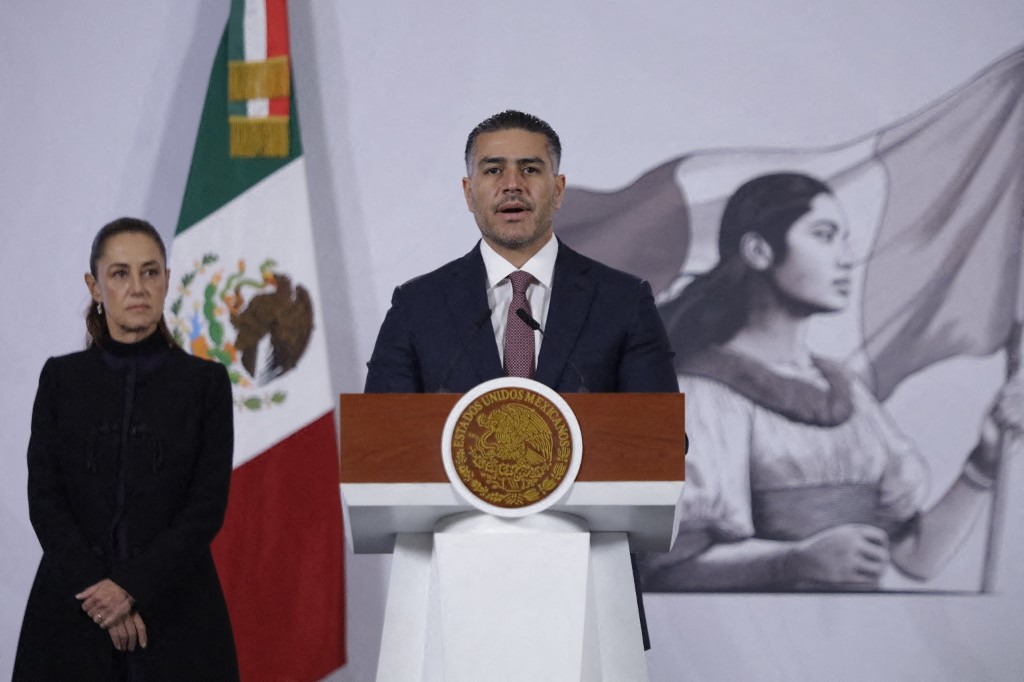

Mexico: after the Elimination of El Mencho, the Calm Before the Storm?
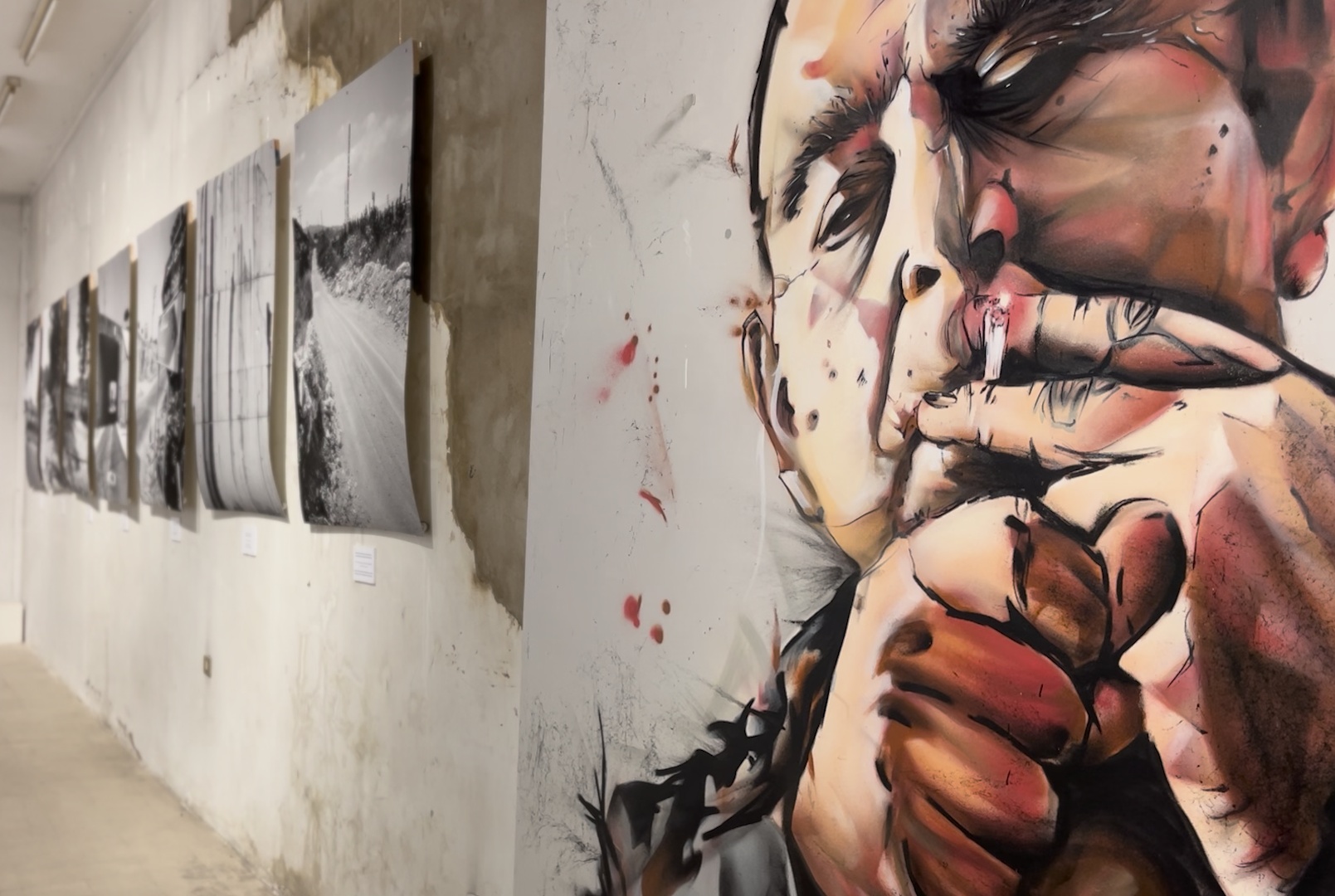
«Remaining»: Rekindle the Memory of the Victims of Political Assassinations Since 2005
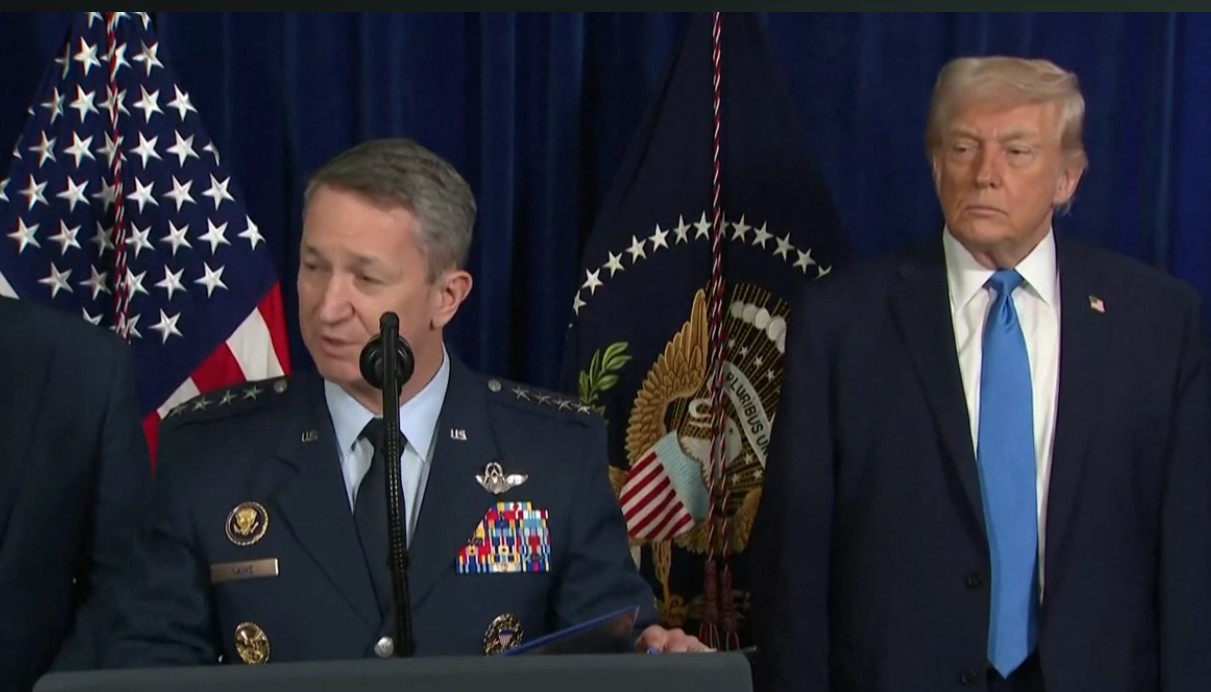
Tropic Thunder: Understanding US Interventionism in the Caribbean
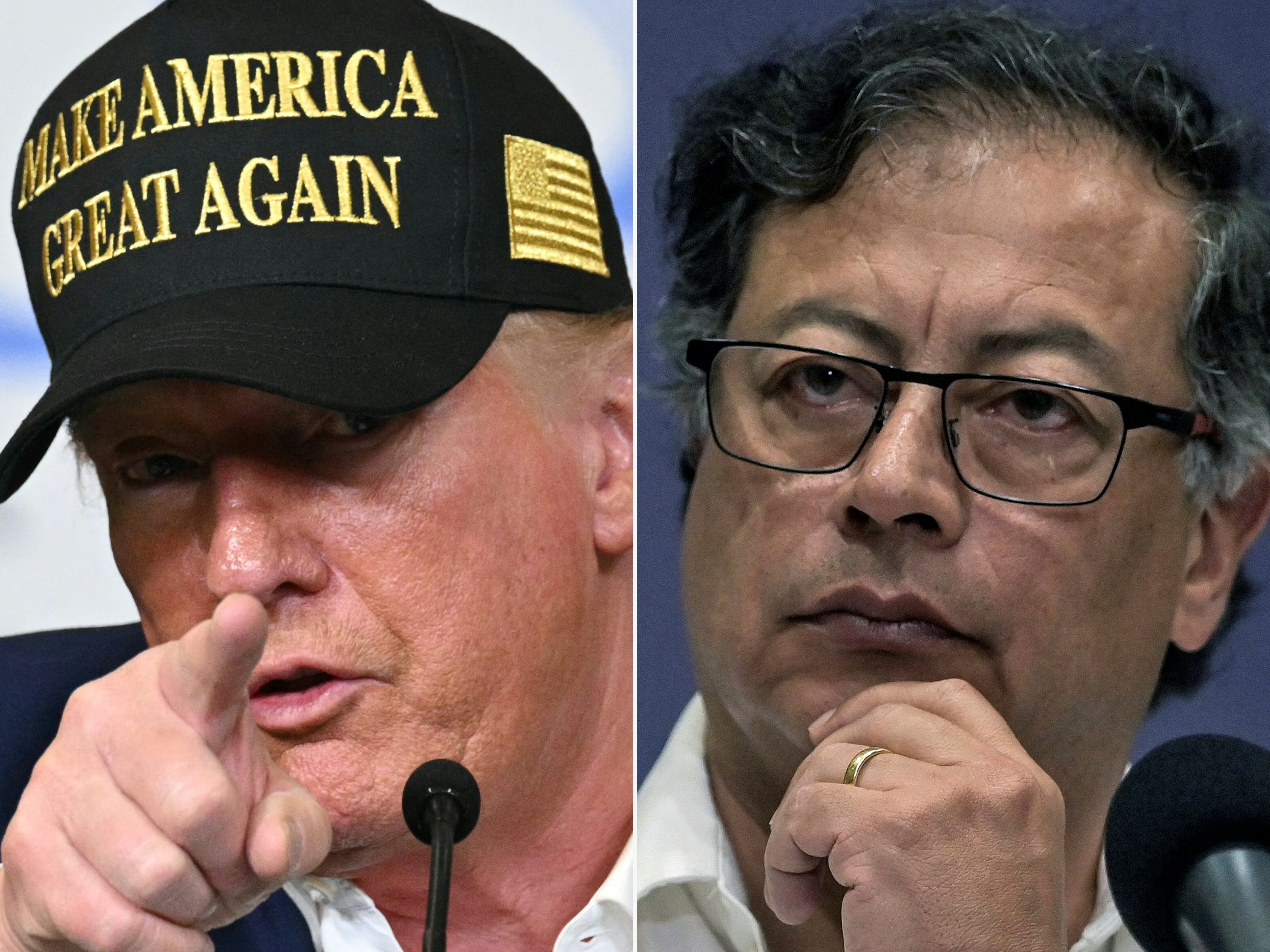
Tropic Thunder: Understanding US Interventionism in the Caribbean
For Venezuelans in Exile in Bogotá, the Hope of Return
Latest from Levant Time
View All


