

Union for the Mediterranean: an incomplete relaunch of the Barcelona dream (4/5)


Having covered the birth of the Barcelona Process and its development into the Union for the Mediterranean, which marked its expansion, it is worth asking: where does the Union stand today? What has it achieved, and what challenges remain? This article takes stock and offers a snapshot of the situation, along with prospects for 2026.
The Barcelona Process is known by three main terms: “process,” “partnership,” and the “Med” in Euromed. These labels reflect the initiative’s goal of fostering cooperation, dialogue, and exchanges between countries forming a Mediterranean community, as well as those closely connected geographically. Later, neighboring countries joined, along with organizations representing sub-regions, such as the EU and the Arab Maghreb Union. Thirty years on, the initiative is far from defunct. Yet, tested by time and events, it had to evolve within a new framework: less ambitious, but more pragmatic and realistic.
Euromed was a long-term strategy, ambitious in scope, driven by political dialogue and encompassing cooperation across three pillars. Institutionalization was a success, but results – particularly economic ones – fell short. It became clear that projects should be redirected towards regional initiatives, supported by a more agile and operational institutional structure. While the ambition seemed to have softened, the potential for impact was greater: easier to implement, more effective, and – crucially – more visible to the people. The 2005 Barcelona Summit marked a political turning point: ten years after the partnership’s launch, it aimed to revive it, enhance its visibility and effectiveness, and set a five-year program.
The Barcelona Process aimed to involve southern Mediterranean countries in European integration. Yet the ideal scenario – creating a virtuous cycle similar to that seen in Central and Eastern Europe, where trade liberalization spurred institutional reforms beneficial to development – never materialized. The verdict was harsh: the process had stalled. By the mid-2000s, political cooperation among Mediterranean countries was hindered by the Israeli-Palestinian conflict, while signs of institutional fatigue appeared in the EU.
In 2007, Nicolas Sarkozy, then a candidate for the French presidency, proposed a Mediterranean Union limited to coastal states. With strong German backing and support from the European Commission, the plan was widened to avoid alienating non-Mediterranean countries. The initiative became the Union for the Mediterranean (UfM), formally adopted at the Paris Summit on 13 July 2008. Its purpose was to rekindle the momentum initiated in 1995 and revive Euromed. This transition effectively extended and revitalized the Barcelona Process, in a pragmatic, operational form with shared governance. Projects, now regional and concrete, cover transport, energy, the environment, education and youth, and gender equality. Since 2010, the UfM, comprising 43 members, has maintained a permanent secretariat in Barcelona.
2025 Review
Technical progress and concrete projects – investment pipelines, sectoral initiatives, and academic and youth cooperation – have been achieved. Nevertheless, regional economic integration remains limited. Recurring geopolitical crises – regional conflicts, the fallout from the war in Ukraine, and instability in the Sahel and the Middle East – along with multiple tensions, constitute persistent political and structural challenges. A political relaunch is underway, supported by the New Pact for the Mediterranean, which focuses on three pillars: education, mobility and employment; more integrated and sustainable economies; and security and migration.
The OECD and the UfM recognize these advances but stress the need for a more targeted approach and stronger integration. Critics argue that European priorities are overemphasized and that political and financial resources –particularly private investment – remain insufficient to achieve the anticipated transformation, especially for major cross-border projects. Local ownership, civil society involvement, and guarantees for rights are essential to turn initiatives into tangible outcomes.
Prospects and Recommendations for 2026
Develop major regional programs in renewable energy, logistics corridors, and technical training; support practical reforms, including trade facilitation, port governance, and recognition of professional qualifications; increase participation from civil society and the local private sector to legitimatize projects and ensure social impact, including employment and rights; implement cooperative resilience measures to prepare for climate, food, and migration risks.
The Assessment
The Barcelona Process has created a space for dialogue between the two shores of the Mediterranean and facilitated cooperation programs. Projects with social and cultural dimensions, along with the involvement of civil society, are important assets for meeting future challenges. However, the free-trade zone has not been fully realized. Funding remains a major hurdle, as do regional conflicts and the wider Mediterranean context, characterized by migration and instability.
In conclusion, the Barcelona Process continues today in a modern form, combining pragmatism, realism, and regional dialogue to deliver concrete projects. The UfM – the Process’s successor –now includes 43 states, which is a success in itself. Future efforts will remain primarily political and financial, focusing on selecting sectoral initiatives and implementing tangible, visible regional integration.
Next and final article: an assessment of Lebanon since 1995 and the specific role the country could play in the Union: acting as an initiator and unifying force that would bring together all Lebanese communities in this process.
Previous articles:
1/5 Mediterranean Union: what has become of the Barcelona process?
2/5 The Mediterranean idea put to the test of European balances
3/5 A cooperation rich in promises, the Barcelona Process
In Search of Lebanon, from Beirut to the Vatican
UN: Paris Wants to Replace UNIFIL With a 'Different Type' of Presence
The Abolition of the Death Penalty: Ibrahim Najjar and Élie Keyrouz’s Long Fight
The Testament of Hassan Rifai
A ceasefire... yes, but what happens next?
Mais de Jean-Patrick Dayras
Ver tudo


Mais em Politics
Ver tudo


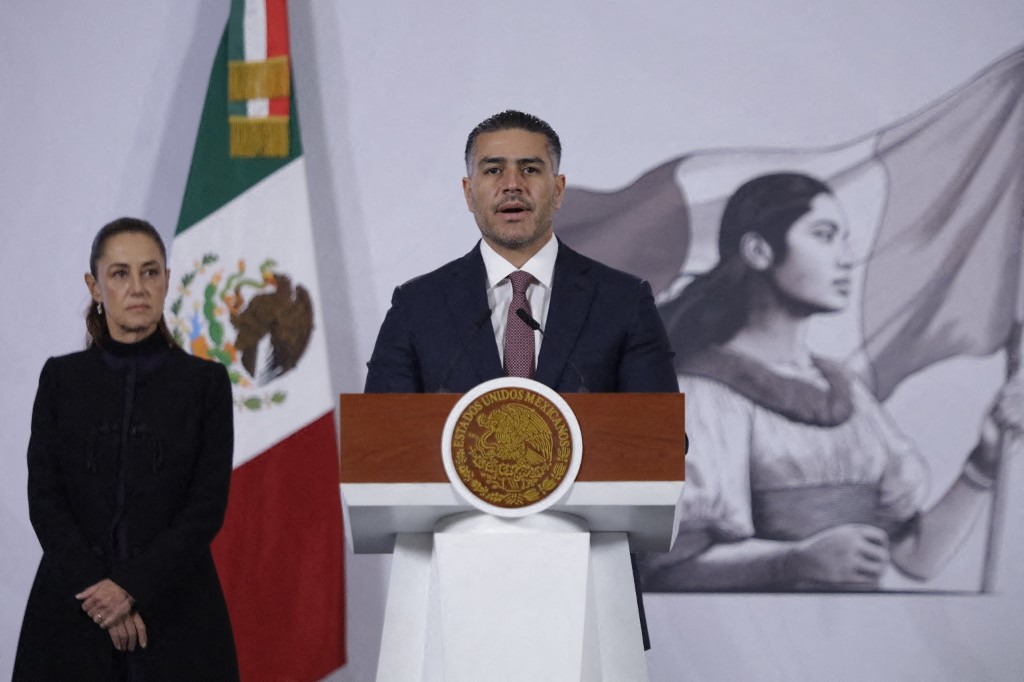

Mexico: after the Elimination of El Mencho, the Calm Before the Storm?
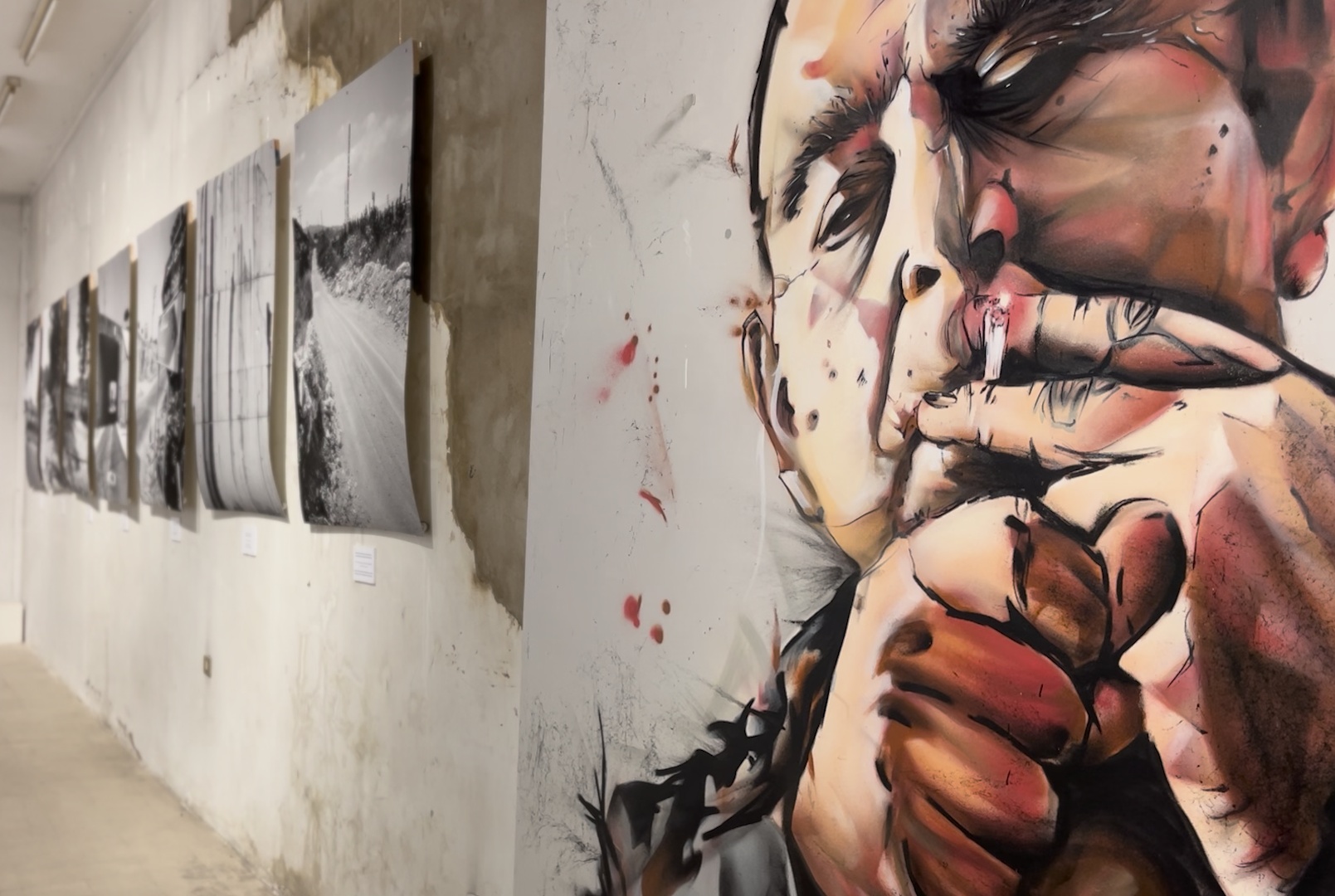
«Remaining»: Rekindle the Memory of the Victims of Political Assassinations Since 2005
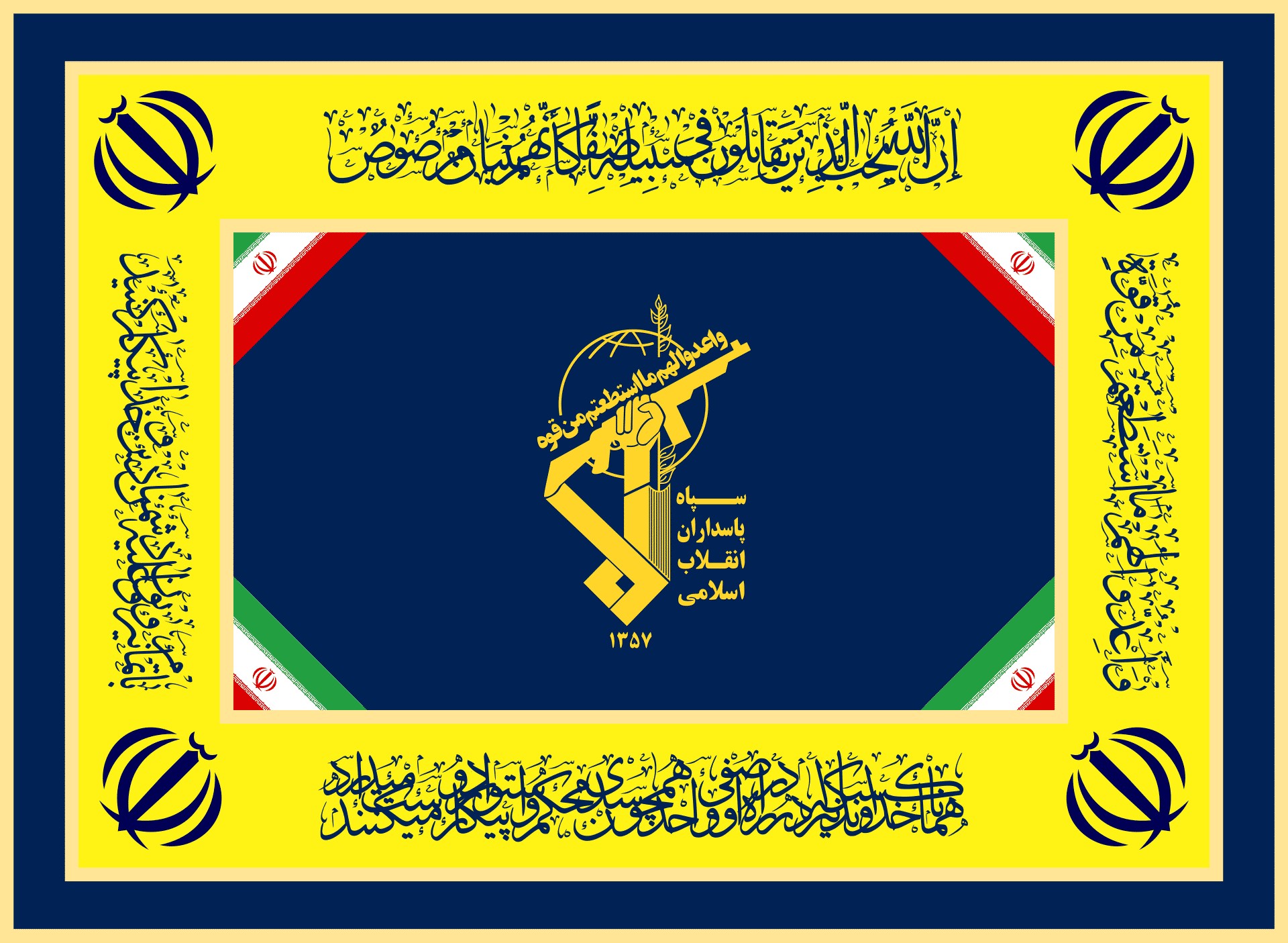
Revolutionary Guards, Supreme Organ of Repression
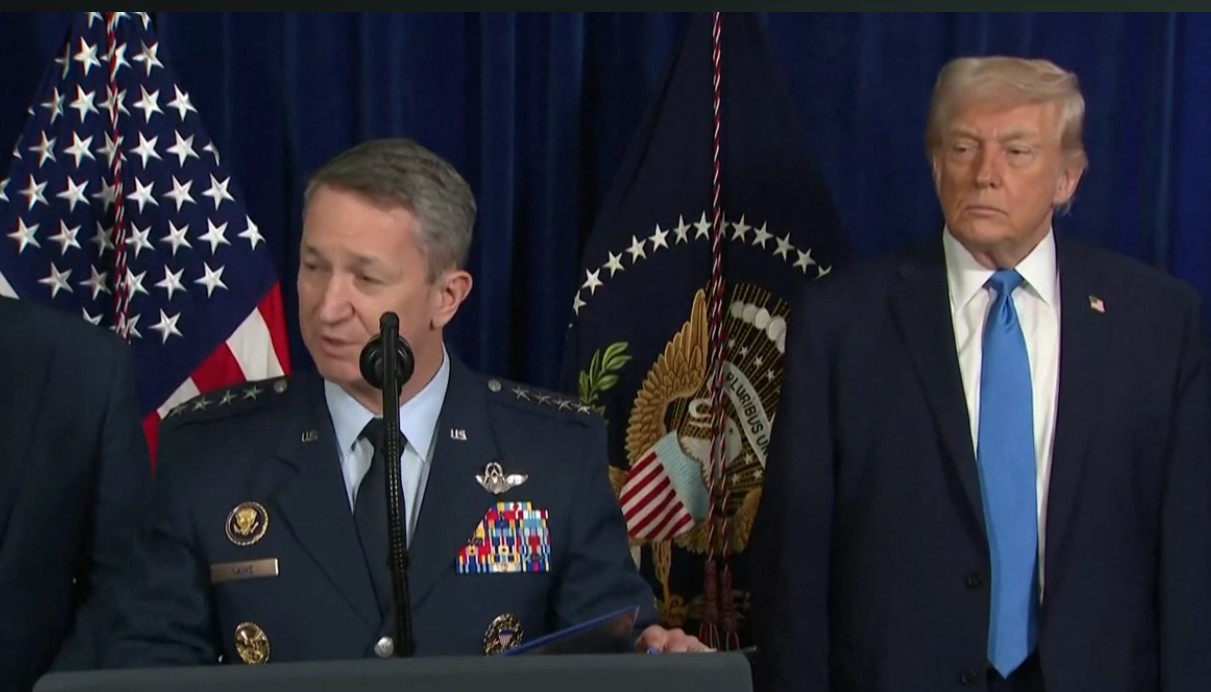
Tropic Thunder: Understanding US Interventionism in the Caribbean
Tropic Thunder: Understanding US Interventionism in the Caribbean
O mais recente do Levant Time
Ver tudo


