Levant Time logo
Jean-Patrick Dayras

Jean-Patrick Dayras

Russia, Ukraine, Iran, China, Japan: naval or maritime powers? (3/3)
By
Jean-Patrick Dayras
Published
Oct 2, 2026 - 23:02

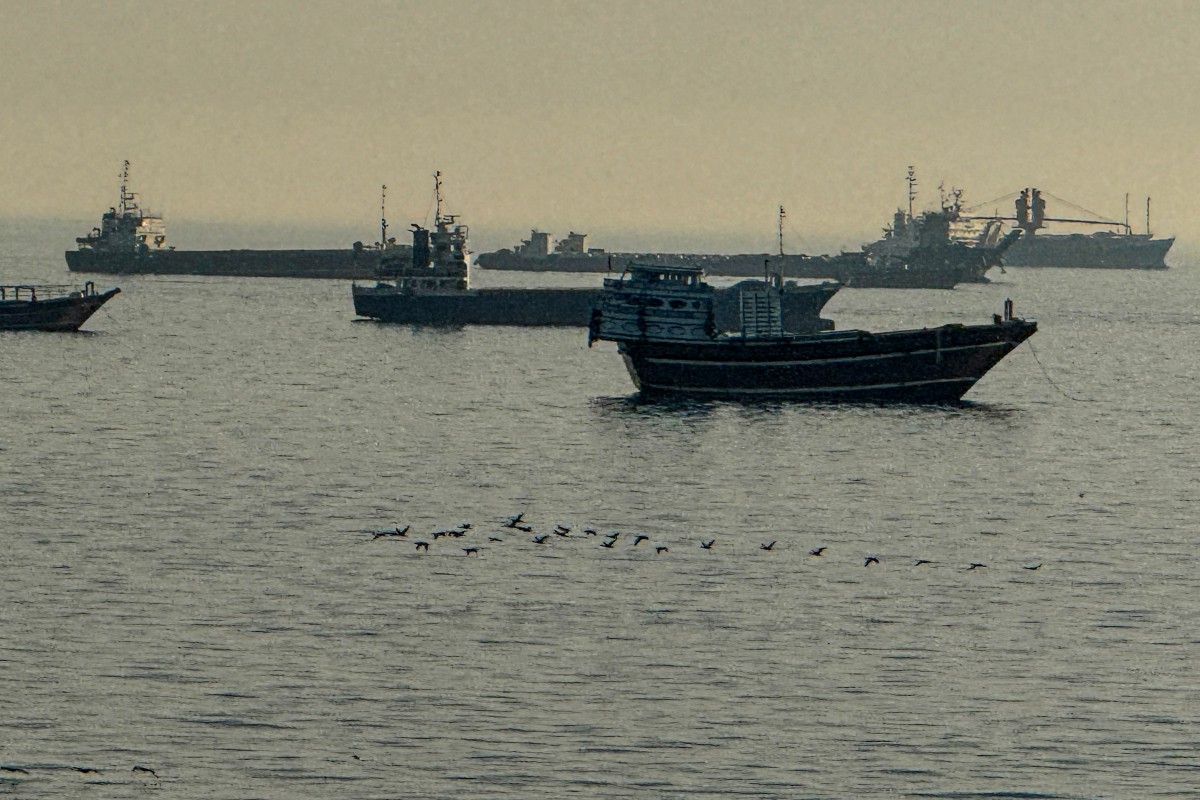
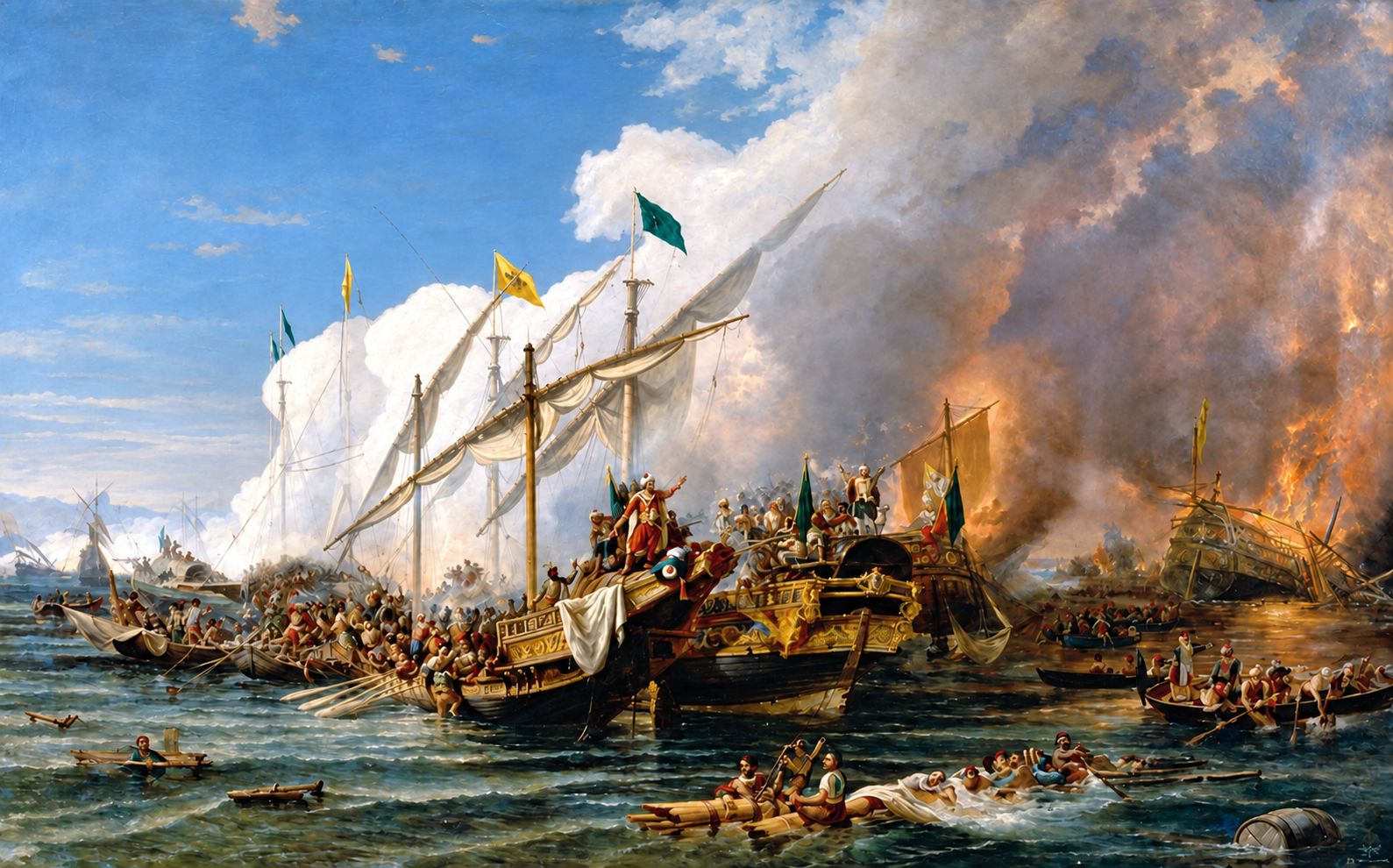
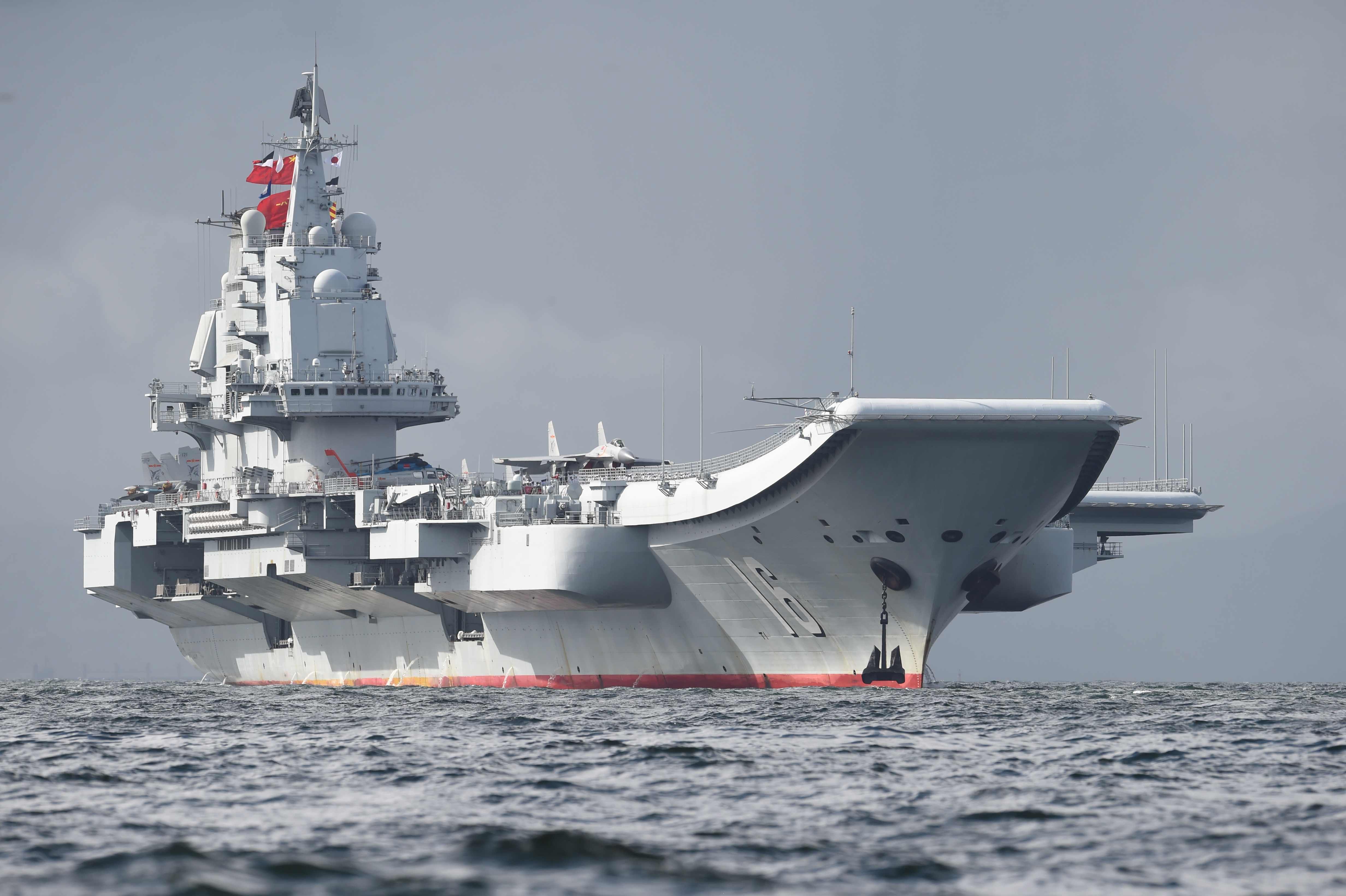
For Russia (in the Black Sea), Ukraine, Iran, China, and Japan, what role does the sea play in their overall strategy? Total or partial control, local or broad? Maritime power? Naval power? Jean-Patrick Dayras, Rear Admiral (ret.) Russia is unquestionably a maritime power. It has a substantial combat fleet, including frigates and corvettes, submarines, and anti-ship missiles. It also has a significant amphibious force. It controls the port of Sevastopol. In theory, it is also a naval power, given the number of its vessels and the diversity of their operational capabilities. But it has no drones. With a clear advantage in tonnage, the Russian navy enjoys overwhelming conventional naval dominance.
Command of the Sea, Naval Power, Maritime Power (2/3)
By
Jean-Patrick Dayras
Published
Sep 26, 2026 - 20:20

In the 19th century, two theorists—Mahan, an American, and Corbett, a Briton—who remain pillars of strategic naval thought, put forward theories on “command of the sea” and “sea power” (sometimes confused with maritime power). Alfred Thayer Mahan argued that a nation’s greatness, prosperity, and global dominance depend directly on its ability to control the seas: command of sea routes and the defeat of the enemy fleet take precedence over everything else. “Sea power” refers to a state’s ability to use the seas and oceans for military, economic, and political purposes in order to project its power and safeguard its global geopolitical interests.

Changing the Rules of Naval Warfare on an International Scale (1/3)
By
Jean-Patrick Dayras
Published
Sep 21, 2026 - 00:38

Since the 19th century, maritime strategists—most notably the American Alfred Thayer Mahan and the Briton Julian Corbett—have theorized the concepts of “command of the sea” and “sea power.” These terms are too often treated as synonymous, even though they are quite distinct, addressing different political and military dimensions. Another concept has emerged in recent years: naval power. Unfortunately, some commentators—including prominent ones—conflate naval power with sea power, without understanding the increasingly important distinctions between them as new weapons and new methods of operation come into play, sometimes turning weakness into strength and vice versa. It is these new weapons, together with their associated methods and frameworks of use, that distinguish the terms forming this new terminology: naval or maritime.

Russian or Ukrainian Victory: What Consequences for the Middle East? (5/5)
By
Jean-Patrick Dayras
Published
Aug 2, 2026 - 21:12

The war in Ukraine continues to be at the center of a wide-ranging debate, fueled in part by near-daily bombardments targeting key nerve centers on both sides, and more specifically the Russian and Ukrainian capitals. In order to better understand the various dimensions of this long-standing conflict, it is necessary to revisit the background and origins of what led to this (fratricidal?) war—by examining the motivations and aspirations of the different parties involved, including the West (the United States and Europe, extended to all NATO member countries with the exception of Turkey), and by recalling the early stages of the Russian offensive and the failed attempts to achieve peace, or at least negotiations, bearing in mind that responsibility in this context is shared by many.

The Impact of a Ukrainian or Russian Victory (4/5)
By
Jean-Patrick Dayras
Published
Jul 28, 2026 - 14:06

The war in Ukraine continues to be at the center of a wide-ranging debate, fueled in part by near-daily bombardments targeting key nerve centers on both sides, and more specifically the Russian and Ukrainian capitals. In order to better understand the various dimensions of this long-standing conflict, it is necessary to revisit the background and origins of what led to this (fratricidal?) war – by examining the motivations and aspirations of the different parties involved, including the West (the United States and Europe, extended to all NATO member states with the exception of Turkey), and by also recalling the early stages of the Russian offensive and the failed attempts to reach peace, or at least to open negotiations, bearing in mind that responsibility in this context is shared by many.

War in Ukraine: Russian Strategic Mistakes and Western Clumsiness (3/5)
By
Jean-Patrick Dayras
Published
Jul 24, 2026 - 20:59

The war in Ukraine continues to be at the center of a wide-ranging debate, fueled in part by near-daily bombardments targeting key nerve centers on both sides, and more specifically the Russian and Ukrainian capitals. In order to better understand the various dimensions of this long-standing conflict, it is necessary to revisit the background and origins of what led to this (fratricidal?) war—by examining the motivations and aspirations of the different parties involved, including the West (the United States and Europe, extended to all NATO member states with the exception of Turkey), and by also recalling the early stages of the Russian offensive and the failed attempts to reach peace, or at least to open negotiations, bearing in mind that responsibility in this context is shared by many.

War in Ukraine: the failure of the first peace efforts 2/5
By
Jean-Patrick Dayras
Published
Jul 19, 2026 - 18:46

The war in Ukraine continues to be at the center of a wide-ranging debate, fueled in part by near-daily bombardments targeting key nerve centers on both sides—most notably the Russian and Ukrainian capitals. To better understand the various dimensions of this long-standing conflict, it is necessary to revisit the background and origins of what has led to this (fratricidal?) war, by examining the motivations and aspirations of the different parties involved—particularly the West (the United States and Europe, extended to all NATO member states with the exception of Turkey)—and by recalling the early stages of the Russian offensive and the failed attempts to achieve peace, or at least negotiations, bearing in mind that responsibility in this context is shared by many.

How the West Chose Ukraine (1/5)
By
Jean-Patrick Dayras
Published
Jul 15, 2026 - 16:17

The war in Ukraine continues to be at the center of a wide-ranging debate, fueled in part by near-daily bombardments targeting key nerve centers on both sides, and more specifically the Russian and Ukrainian capitals. To better understand the various dimensions of this long-standing conflict, it is necessary to revisit the background and origins of what led to this (fratricidal?) war — examining the motivations and aspirations of the various parties involved, including the West (the United States and Europe, extended to all NATO member states with the exception of Turkey) — and also to recall the early stages of the Russian offensive and the failed attempts to achieve peace, or at least negotiations, bearing in mind that responsibility in this context is shared by many.

Revisiting the Franco-German fighter jet project
By
Jean-Patrick Dayras
Published
Jun 22, 2026 - 20:33

Roger Barake's article "Storm Warning in the European Sky" - Levant Time, June 13, 2026 - presents the stated reasons for the abandonment of the FCAS project (Future Combat Air System). This article offers a particular perspective by depicting Franco-German relations as they are perceived by many French people. It sheds specific light on this regrettable abandonment. Here are some illuminating excerpts from the introduction of the aforementioned article: "The program's failure immediately reignited criticism targeting Dassault Aviation and its CEO, Éric Trappier. In certain German and European political circles, the head of the French aircraft manufacturer is portrayed as one of the main figures responsible for the deadlock. His detractors accuse him of having championed an overly nationalistic vision of the program, incompatible with the logic of European cooperation.

Iran and Lebanon: Two Fronts, One War?
By
Jean-Patrick Dayras
Published
May 19, 2026 - 14:23

The conflicting statements and abrupt reversals by President Donald Trump are set to reshape relations with Europe, NATO and America’s allies. They are also likely to trigger reactions from countries in the Pacific and the Middle East that once viewed U.S. protection as credible. The West is playing for moderation and seeking a role in securing the Strait of Hormuz once hostilities end. Will the United States find itself sidelined in the region in favor of another, unlikely protector? And will Lebanon’s settlement be brokered by France – with or without Europe? Following the U.S. and Israeli strikes against Iran on February 28, 2026 – an operation about which neither Western and European leaders nor governments, nor NATO officials, had been informed – President Donald Trump called on them to back him by helping safeguard security in the Strait of Hormuz and by providing direct support for U.S. operations. Most heads of state and governments declined.

/