

Israel: a Constellation of Parties Reflecting a Fragmented Political Landscape


Nationalist right, left, center, religious factions and Arab parties: Israel’s political landscape remains deeply fragmented. An overview of the main parties, their leaders and their political positions. This list includes parties and alliances, rather than the separate electoral lists in each constituency.
1. Likud (The Rally)

Leader: Benjamin Netanyahu
Founded in 1973 under Menachem Begin, Likud is the main party of Israel's nationalist right. It advocates a tough security policy, a broadly free-market economy and the state's Jewish character. Led by Benjamin Netanyahu, it opposes the creation of a Palestinian state and actively supports the expansion of Israeli settlements in the West Bank.
2. Yashar (Straight/Upright)
Leader: Gadi Eisenkot
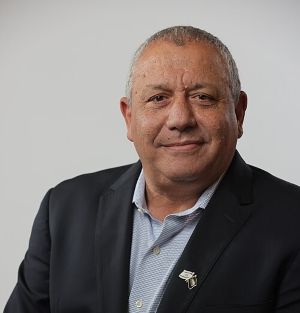
Orientation: Centrist, security-focused
Founded in 2025 by former military chief of staff Gadi Eisenkot, Yashar positions itself in the political center. It calls for a commission of inquiry into the events of October 7, 2023, national service for all and the reconstruction of northern Israel. It maintains a firm stance on security but criticizes Netanyahu's political leadership and seeks a more consensus-based approach to governing through established institutions.
3. B'Yachad (Together)
Leaders: Naftali Bennett and Yair Lapid
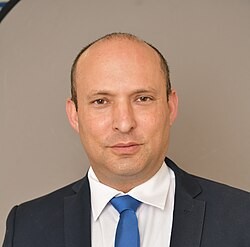
Naftali Bennett
Orientation: Center and center-right
This 2026 electoral alliance brings together Naftali Bennett's party and Yesh Atid, led by Yair Lapid. The two former prime ministers aim to offer an alternative to Netanyahu, particularly on conscription, the cost of living and the structure of government institutions. Their electoral partnership does not mean the end of Yesh Atid, which retains its identity as a party.
4. Yesh Atid (There Is a Future)

Leader: Yair Lapid
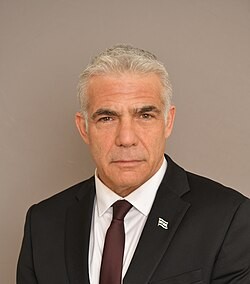
Orientation: Liberal centrist
Founded in 2012 by former journalist Yair Lapid, Yesh Atid is a centrist party that is liberal on social issues and committed to the rule of law. It advocates sharing civic responsibilities, particularly national service, and reducing religious influence over public life. In the 2026 elections, it is running as part of the B'Yachad alliance with Naftali Bennett.
5. HaDemokratim (The Democrats)

Leader: Yair Golan
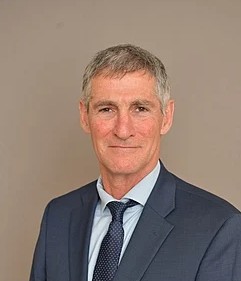
Orientation: Zionist left, social democracy
Formed through the merger of the Labor Party and Meretz in 2024, this party is led by former general Yair Golan. It advocates social democracy, the protection of judicial institutions, civil rights and a diplomatic approach based on a two-state solution. It is one of the main forces on Israel's Zionist left.
6. Yisrael Beiteinu(Israel Our Home)

Leader: Avigdor Lieberman
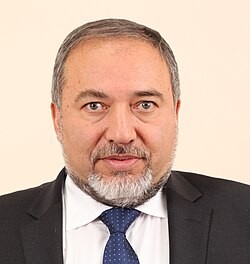
Orientation: Nationalist, secular right
Founded in 1999, Yisrael Beiteinu initially drew its support from Russian-speaking voters. Led by Avigdor Lieberman, it combines security-focused nationalism, free-market economics and staunch secularism. It calls for an end to blanket military service exemptions for the ultra-Orthodox and supports civil marriage, while taking a particularly hard line on the Palestinian question.
7. Otzma Yehudit (Jewish Strength/Jewish Power)
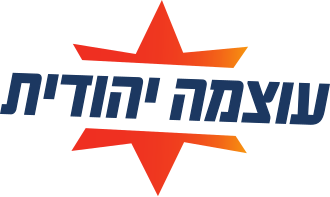
Leader: Itamar Ben-Gvir

Orientation: Nationalist far right
Led by Itamar Ben-Gvir, Otzma Yehudit is a far-right nationalist party rooted in the ideological tradition of Kahanism. It advocates extending Israeli sovereignty to the occupied Palestinian territories, tougher policing and criminal laws, and an uncompromising security policy toward Palestinian armed groups.
8. HaTzionut HaDatit (Religious Zionism)
Leader: Bezalel Smotrich

Orientation: Religious nationalist right
Bezalel Smotrich's party represents the nationalist religious right, supporting settlement expansion and the annexation of the West Bank. It opposes the creation of a Palestinian state and seeks to strengthen the role of Judaism in public institutions. For the 2026 election, it has put forward a joint electoral list with Zehut as a technical alliance.
9. Zehut (Identity)
Leader: Moshe Feiglin

Orientation: Nationalist right, economic libertarianism
Founded by Moshe Feiglin, Zehut combines religious nationalism, hard-line positions on the Palestinian territories, and libertarian economic proposals. It advocates, among other things, a simpler tax system and a reduced economic role for the state. In 2026, Zehut is sharing an electoral list with Bezalel Smotrich's Religious Zionism party while retaining its own platform.
10. Shas (an acronym for Sephardic Guardians of the Torah)

Leader: Aryeh Deri
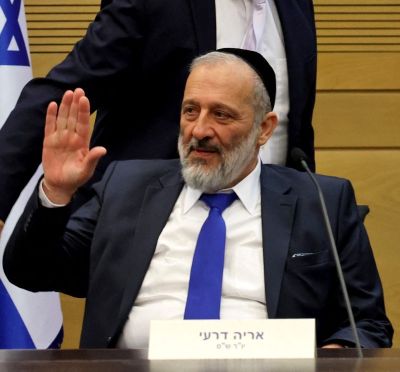
Orientation: Sephardic ultra-Orthodoxy
An ultra-Orthodox Sephardic movement founded in the 1980s, Shas is politically led by Aryeh Deri under the authority of its rabbinical bodies. It advocates funding for religious institutions, the interests of Sephardic and Mizrahi communities, and social policies aimed at low-income households. Military service exemptions for yeshiva students are central to its coalition negotiations. Aryeh Deri is also implicated in corruption cases.
11. Yahadut HaTorah (United Torah Judaism list)
Leaders: Yaakov Asher and Yitzhak Goldknopf

Yaakov Asher
Orientation: Ashkenazi ultra-Orthodoxy
United Torah Judaism brings together the Ashkenazi ultra-Orthodox parties Degel HaTorah and Agudat Yisrael. In 2026, the list is headed by Yaakov Asher, with Yitzhak Goldknopf as another key leader. It seeks to preserve the autonomy of religious education, community funding, and military draft exemptions for yeshiva students.
12. The Joint List of Israeli Arabs

Leaders: Yousef Jabareen and Ahmad Tibi
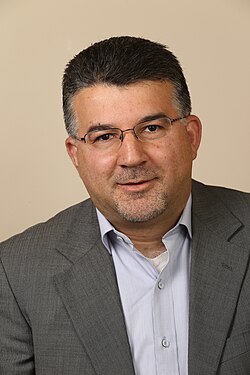
Yousef Jabareen
Orientation: Alliance of Arab parties, left-wing politics and Palestinian nationalism
Reestablished in 2026, the Joint List brings together Hadash, Ta'al, and Balad, three parties with distinct ideological traditions. Led by Yousef Jabareen alongside Ahmad Tibi, it advocates equal civil rights for Israeli Arabs, an end to the occupation, and the creation of a Palestinian state. Ra'am has chosen to run separately. The three constituent parties retain their political identities.
13. Hadash (Democratic Front for Peace and Equality)

Leader: Yousef Jabareen
Orientation: Socialist, communist, and Jewish-Arab left
Founded in 1977 around the Israeli Communist Party, Hadash is a left-wing party bringing together Arab and Jewish activists. Its platform combines social justice, workers' rights, equality for all citizens, and opposition to the occupation of the Palestinian territories. Yousef Jabareen took over its leadership in 2026, succeeding Ayman Odeh. Hadash is part of the Joint List.
14. Ta'al (Arab Movement for Renewal)

Leader: Ahmad Tibi
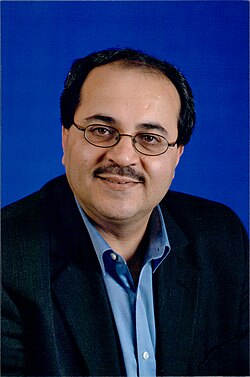
Orientation: Arab nationalism, advocacy for civil rights
Led by Ahmad Tibi, Ta'al advocates for the civil, social, and national rights of Israel's Arab minority. The party emphasizes equality before the law, combating discrimination, improving public services, and a political solution to the Palestinian issue. It is running as part of the Joint List in 2026 alongside Hadash and Balad.
15. Balad (or National Democratic Alliance)
Leader: Sami Abu Shehadeh
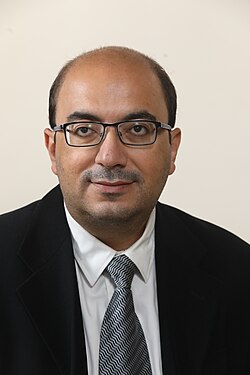
Orientation: Secular Arab nationalism
Balad is a secular Arab nationalist party that advocates transforming Israel into a "state of all its citizens," with recognition of the Arab population's collective rights. Led by Sami Abu Shehadeh, it supports Palestinian self-determination. In 2026, it is part of the Joint List, but its leader has withdrawn his own candidacy while remaining at the helm of the party.
16. Ra'am (United Arab List)
Leader: Mansour Abbas
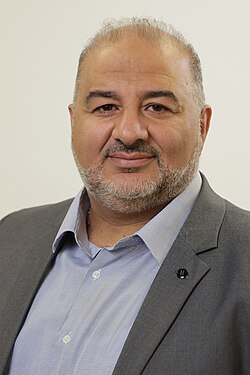
Ideology: Islamic conservatism, political pragmatism
An Arab party rooted in the conservative Islamist movement, Ra'am is led by Mansour Abbas. It stands out for its pragmatic approach, focusing on budgets, housing, tackling crime and the rights of Arab citizens. In 2021, it joined a governing coalition led by Zionist parties. For the 2026 elections, it is running separately from the Joint List.
17. The Reservists and the Economic Party

Leaders: Yoaz Hendel and Yaron Zelekha

Yoaz Hendel
Ideology: Center-right, military and economic reform
In 2026, this electoral list brings together Yoaz Hendel's Reservists movement and Yaron Zelekha's Economic Party. It emphasizes a fairer distribution of military and civilian service obligations, reservists' rights, economic competition and tackling the cost of living. The logo shown is that of the Reservists, one of the alliance's two constituent groups.
18. Noam (Sweetness/Pleasantness)
Leader: Avi Maoz

Ideology: Ultra-conservative religious far right
Founded in 2019, Noam is an ultra-conservative religious Zionist party led by Avi Maoz. It advocates a more Orthodox definition of the state's Jewish identity and opposes LGBT rights as well as the influence of non-Orthodox religious movements in education. After previously running on Religious Zionism lists, it is standing separately in the 2026 election.
19. Amcha Israel (Your People, Israel)

Leader: Ofer Winter

Ideology: Religious nationalist right
A new right-wing nationalist party led by former general Ofer Winter, Amcha Israel is fielding a slate of military reservists and civilian figures. It advocates a particularly hard-line security doctrine, rejects the creation of a Palestinian state and supports strengthening the Israeli presence in the occupied territories. Its political clout should be assessed in light of the final election results.
20. Israel First

Leader: Sharren Haskel

Ideology: Free-market right, security-focused nationalism
Founded in 2026 by Sharren Haskel, this right-wing party advocates a free-market economy and a tough security policy. It opposes conscription exemptions for the ultra-Orthodox and presents itself as a potential participant in a broad Zionist coalition. Its platform rejects territorial concessions under the Oslo Accords.
Photo credits:
AFP, Wikimedia Commons licenses: Ronen Horesh / Knesset Archives, CC BY-SA 4.0. Shlomi Amsalem / Knesset Archives, CC BY-SA 4.0. Knesset Archives, CC BY-SA 4.0. Itzhak Harari / Knesset Archives, CC BY-SA 4.0. Nati Shohat / Knesset Archives, CC BY-SA 4.0. Nadav Margalit, CC BY-SA 4.0.
A Series of Tight Votes in the Race to Succeed Guterres
In Search of Lebanon, from Beirut to the Vatican
UN: Paris Wants to Replace UNIFIL With a 'Different Type' of Presence
The Abolition of the Death Penalty: Ibrahim Najjar and Élie Keyrouz’s Long Fight
The Testament of Hassan Rifai
More from LevantTime .
View All


More in Politics
View All



Mexico: after the Elimination of El Mencho, the Calm Before the Storm?

«Remaining»: Rekindle the Memory of the Victims of Political Assassinations Since 2005
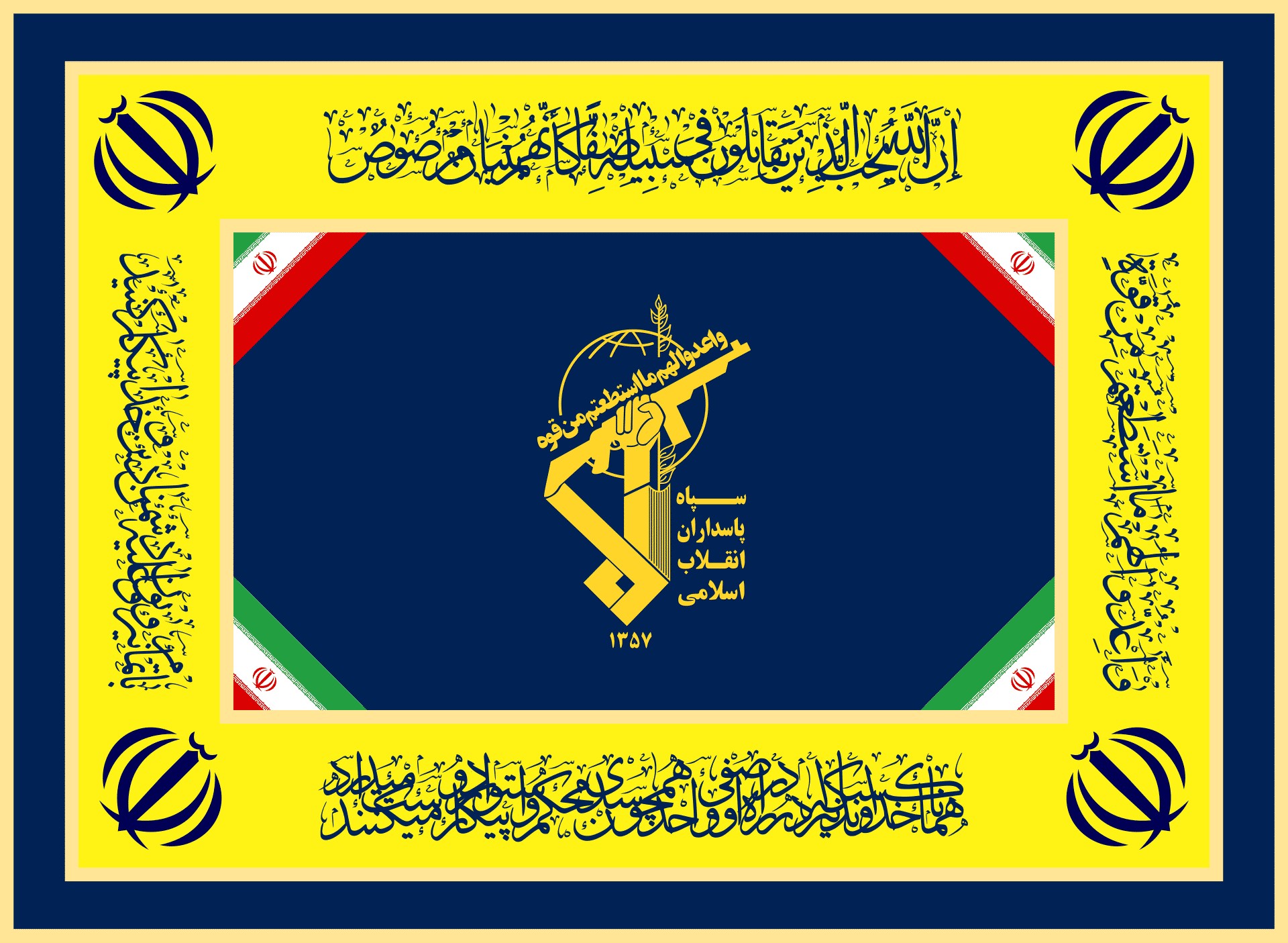
Revolutionary Guards, Supreme Organ of Repression

Tropic Thunder: Understanding US Interventionism in the Caribbean

Tropic Thunder: Understanding US Interventionism in the Caribbean
Latest from Levant Time
View All


