

Houthi Advance and the Capture of Ali al-Taher: A Major Regional Impact
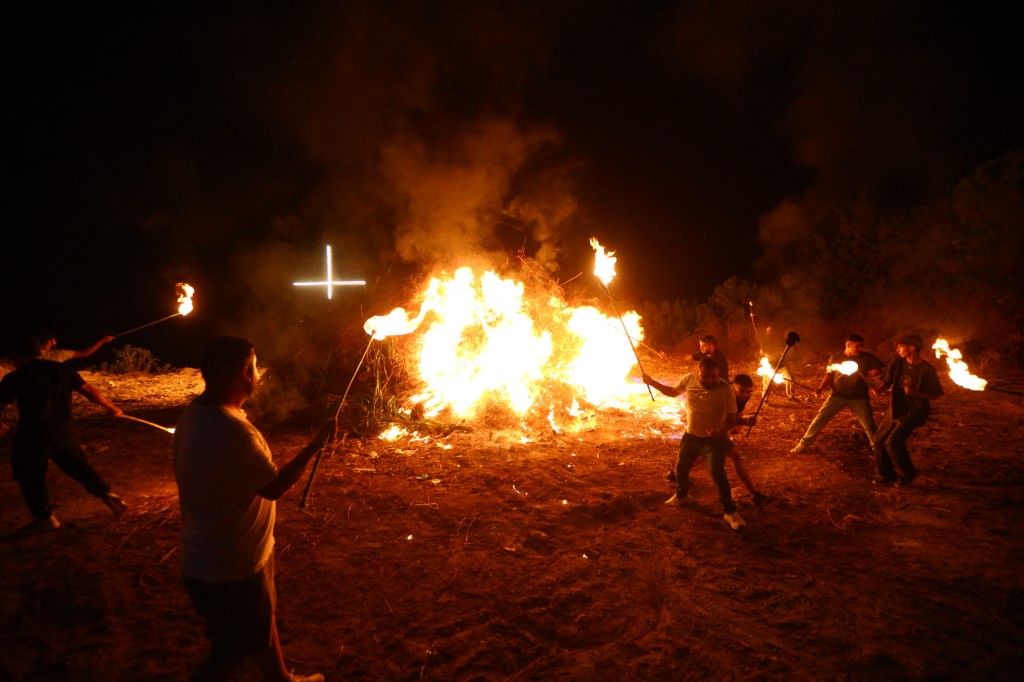

The pro-Iranian Yemeni Houthi militia advanced rapidly this week toward coastal areas along the Bab el-Mandeb Strait on the Red Sea, in an offensive bearing Iran’s hallmark and placing particular pressure on Saudi Arabia. Iran, for its part, did not respond to the Israeli military’s destruction of the strategic Ali el-Taher site in southern Lebanon, which was built over 20 years with support from the Revolutionary Guards.
The most significant development in the Middle East during the week of September 7–13, 2026, was probably the rapid advance of the pro-Iranian Houthi rebels toward Yemeni areas on the coast of the Bab el-Mandeb Strait in the Red Sea. This came despite ongoing clashes with pro-Saudi government forces in a country that has been divided and at war for years.
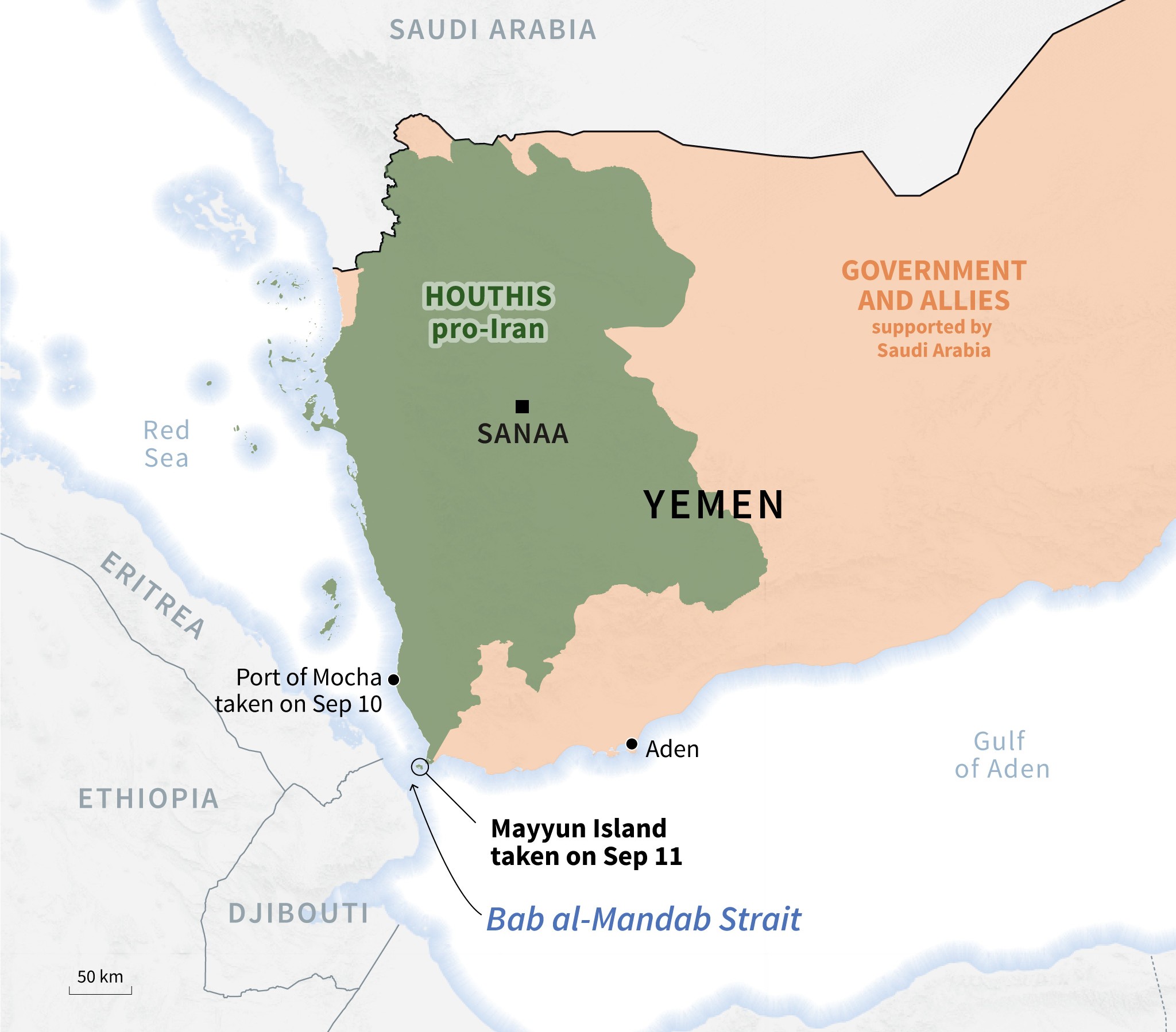
Iran’s footprint is readily apparent on this gradually escalating front, even as the country buckles under the weight of the blockade and U.S. sanctions.
The Houthis’ attacks, as they steadily tighten their grip on the strait, have focused on Saudi vessels, unlike Iran’s indiscriminate attacks in the Strait of Hormuz.
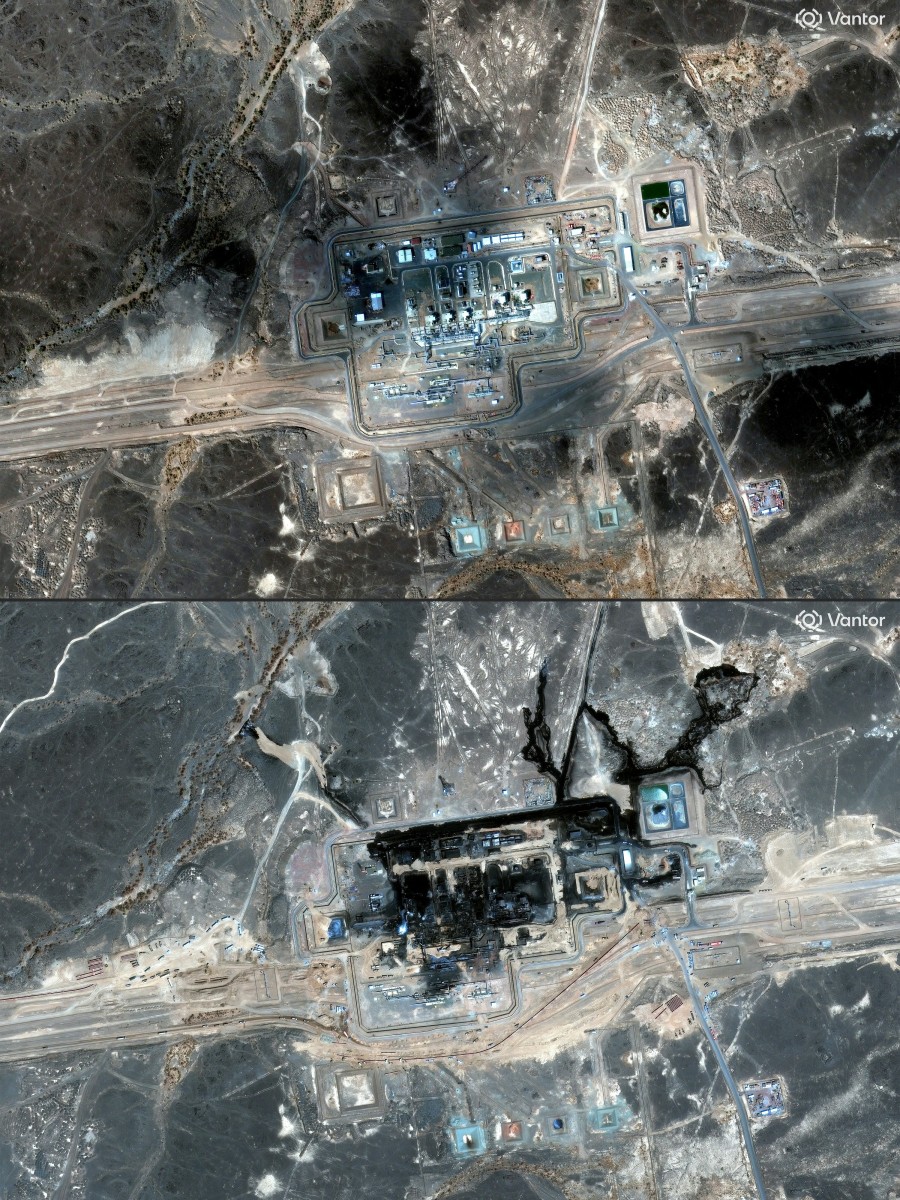
These satellite images show the pumping station on the East-West oil pipeline that crosses Saudi Arabia, before and after strikes attributed to pro-Iranian militias operating from Iraq. (AFP)
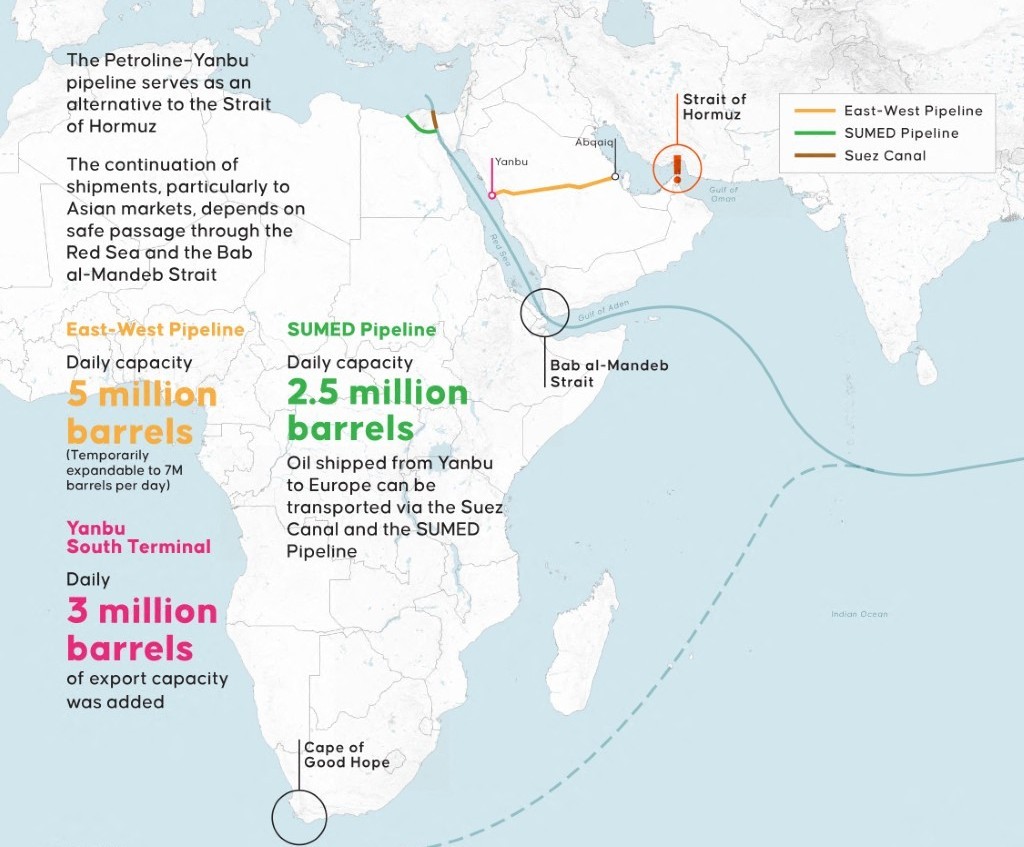
Saudi Arabia has become the primary target of pro-Iranian militias in recent days. This was underscored by a new attack launched from Iraq on Saturday against an East-West oil pipeline terminating at the Red Sea, which the Saudis use to transport their crude while bypassing the partial closure of the Strait of Hormuz.
Pro-Iranian militias remain active in Iraq, despite the government’s pledge to disarm them by September 30—a deadline that has repeatedly been postponed because of the difficulty of the task.
As soon as the Saudis said that the drones that struck the pipeline, forcing it to shut down, had taken off from Iraq, the Iraqi government announced on Saturday that it was taking urgent measures to prevent further attacks from being launched from its territory.
Iraqi authorities said they had discovered the launch platforms in remote areas of the country, according to AFP.
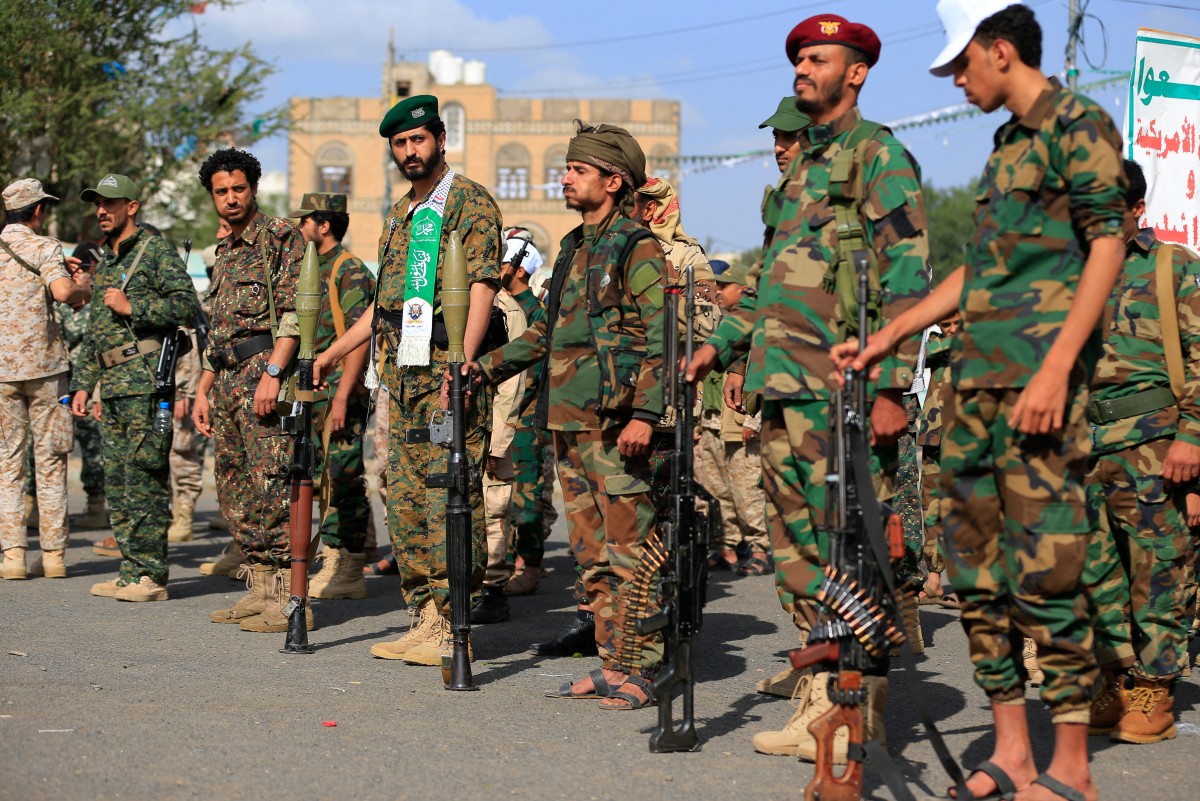
Houthi militiamen in sandals, their cheeks bulging with wads of qat: it is difficult to understand how such a paramilitary force, equipped largely with Soviet-era hardware, manages to hold its own against the region’s well-equipped armies. (AFP)
The pressure bearing down on Saudi Arabia from all sides is not limited to the growing difficulties it faces in exporting its crude. Its allies in Yemen—the internationally recognized government forces—also appear to be struggling, despite carrying out numerous airstrikes against the Houthis over the weekend.
Nor could Riyadh necessarily count on its new allies under the Mecca Joint Defense Agreement, signed last August with two other regional Sunni powers, Pakistan and Turkey. A Pakistani spokesperson made a very vague statement on Thursday, stressing that his country would intervene “when the time comes” if necessary, while noting that the conflict with the Houthis predated the signing of the pact.
Hormuz: Oman meeting postponed
Against this backdrop, a meeting scheduled for Monday in the Sultanate of Oman was postponed indefinitely “due to insufficient consensus,” according to Oman’s foreign minister. The ministerial meeting, announced by Iran, was to focus on “the management of the Strait of Hormuz” with the Gulf states.
For its part, Muscat announced that it had found “common ground” with Tehran. However, given the deep divisions that remain on this issue, it seems unlikely that an agreement can be reached or that the meeting can take place anytime soon. Indeed, after Bahrain rejected the initiative outright, it is unclear whether the other Gulf countries, particularly Saudi Arabia, will accept the invitation, as they are regularly targeted by Iranian attacks.
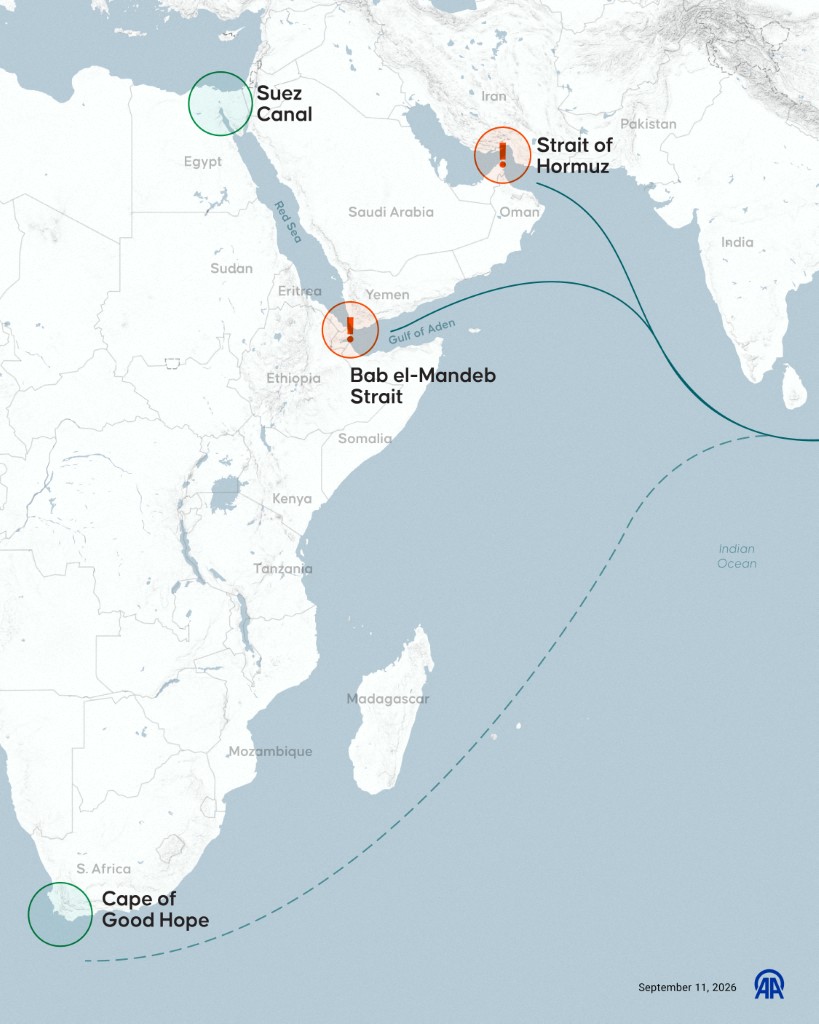
For his part, Iranian President Masoud Pezeshkian tied any agreement on Hormuz to “an end to US hostilities against Iran” in a televised interview broadcast on Sunday, as Iranian attacks on ships transiting the strait continued.
It is clear that Iran is seeking to bypass the United States by prioritizing direct talks with its neighbors over the strait. Tehran is thus trying to show that the Americans do not have as much control over the situation as they repeatedly claim.
Washington, for its part, continues to favor a policy of economic pressure and sanctions against Iran.
US President Donald Trump said twice, first on Wednesday and then on Saturday, that the war would end immediately after the US midterm elections in November, without really explaining the connection between the two events—unless it was simply a campaign promise.
This unpopular war, particularly because of rising fuel prices, could indeed weigh heavily on the election amid declining approval ratings for the US president.
Donald Trump’s statements were cast in doubt by information reported Thursday by The Wall Street Journal, according to which the US president’s closest advisers, including Vice President JD Vance and Secretary of State Marco Rubio, had expressed fears that the conflict could drag on beyond the end of his term.
Nevertheless, according to several media reports, Donald Trump has decided to continue his policy of economic strangulation, which is having a significant impact on Iran’s domestic situation but has yet to make the regime’s ideological army, the Revolutionary Guards, back down.
The Revolutionary Guards are continuing their headlong rush by escalating the conflict in Yemen and using missiles against US warships. The US military, meanwhile, has struck Iranian oil tankers several times, but has refrained from launching larger-scale offensives this week.
BRICS Summit and Iran-UAE Meeting
The week’s other major international event was a BRICS summit that began in India on Friday, attended by the Iranian president as well as Russian President Vladimir Putin and Chinese President Xi Jinping.
The summit took place amid heightened tensions in the Middle East, but the participants nevertheless issued a final declaration that merely called for restraint without singling out any particular country.
The functioning of BRICS has been affected in particular by the rift between two of its members, Iran and the United Arab Emirates, following Iranian strikes on Emirati territory.
The breakdown in economic ties is believed to have hit Tehran particularly hard, as cooperation with the United Arab Emirates is highly important to it.
Nevertheless, Iranian President Masoud Pezeshkian and Abu Dhabi Crown Prince Sheikh Khaled bin Mohamed bin Zayed Al Nahyan held a meeting on the sidelines of the summit in New Delhi.
However, this initial contact remains largely symbolic, as the Iranian president does not appear to be the true decision-maker when it comes to his country’s military operations.
The other issue that returned to the spotlight this week was Iran’s nuclear program. President Trump repeatedly threatened to strike the Iranian site at Mount Kolang—Pikeaxe Mountain—which houses nuclear facilities built deep into the granite rock.
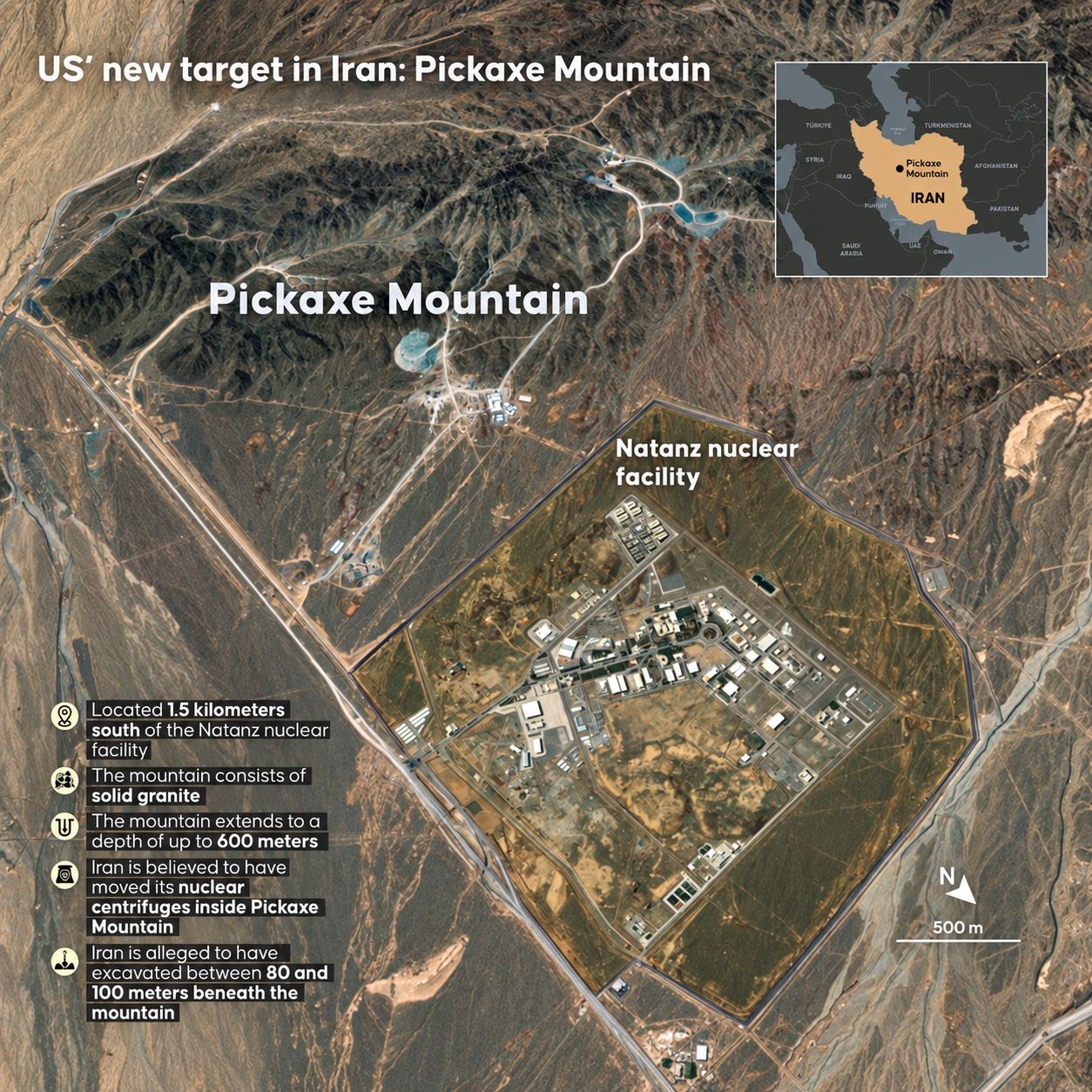
This week, the International Atomic Energy Agency (IAEA) decided to refer Iran’s failure to meet its obligations to the UN Security Council, as Tehran continues to deny Agency inspectors access to some of its nuclear sites.
A resolution was introduced with the support of several Western countries, displaying a degree of unity with the United States rarely seen since the start of Trump’s term. It received 23 votes in favor, 3 against, and 8 abstentions.
According to media reports, the Israelis are trying to persuade the Americans to carry out strikes on Iran’s nuclear sites. Prime Minister Benjamin Netanyahu, just weeks away from crucial parliamentary elections in October that could determine his political survival, continues to rally Israeli public opinion around fears of a nuclear-armed Iran.
The massive explosion at Ali al-Taher
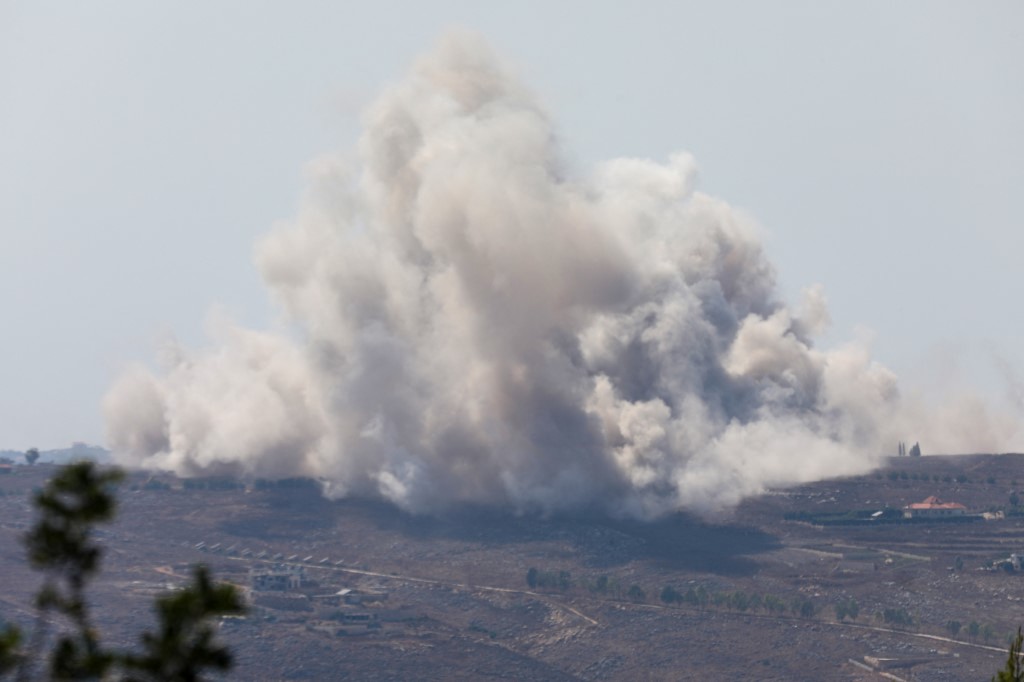
The Israelis also made headlines in southern Lebanon this week with an extraordinary sight: the massive explosion late Thursday night that destroyed more than two kilometers of Hezbollah tunnels in the Ali al-Taher hill in Nabatieh, using 1,100 tons of explosives, according to Israeli sources.
The detonation was so powerful that it caused a magnitude 4.1 tremor in southern Lebanon. Dramatic footage of the blast was seen around the world.
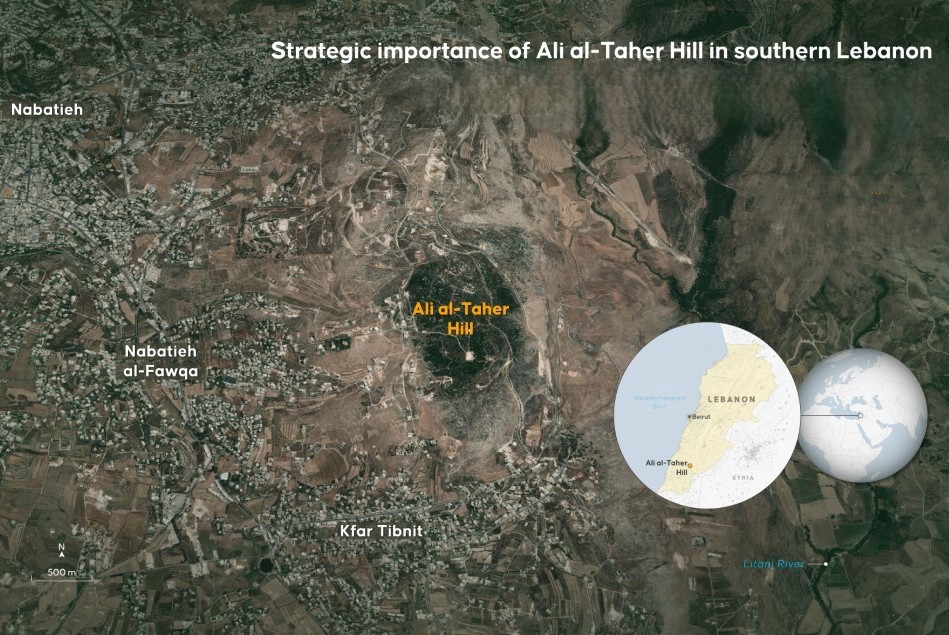
Israeli leaders described it as “the largest Iranian outpost outside Iran,” according to a joint statement by Prime Minister Benjamin Netanyahu and Defense Minister Israel Katz. Its destruction therefore “reinforces the security zone” established by Israel in southern Lebanon, they said.
In response to the destruction of this strategic site, Hezbollah and Iran chose to remain silent, neither confirming nor denying the scale of their losses. However, it is highly likely that the losses were considerable and that a large number of Hezbollah fighters died in the tunnels that night.
The week in southern Lebanon was also marked on Wednesday by an appeal from dozens of prominent figures in Nabatieh calling for the deployment of the Lebanese army and security forces in the region to reassure residents.
The week’s highlight in the South was President Joseph Aoun’s visit to Nabatieh on Saturday, where he walked through the city’s streets, spoke to residents, and received a warm welcome.
Denying that direct talks with Israel were planned for next week, he assured residents that the state “would not abandon them.”
Like several other Lebanese leaders, Joseph Aoun made numerous statements of this kind over the course of the week, in an apparent effort to rally the people of the South around state institutions, amid what appears to be an increasingly pronounced weakening of Hezbollah and a marked decline in Iranian support for the group.
Finally, it is worth noting the US Embassy’s response this week to the appeal by prominent figures in Nabatieh for the deployment of the Lebanese army. In a statement posted on X, the embassy said that “southern Lebanon is not affiliated with any regional party or militia,” a reference to Iran and Hezbollah.