

The Houthis at the Gates of Bab el-Mandeb


On Thursday, September 10, it was the Yemeni front that drew the most attention in the Middle East. After days of fierce fighting between pro-Saudi government forces and the pro-Iranian Houthis, the latter seized control of the Red Sea city of Mokha on Thursday, marking a notable advance toward the Bab el-Mandeb Strait.
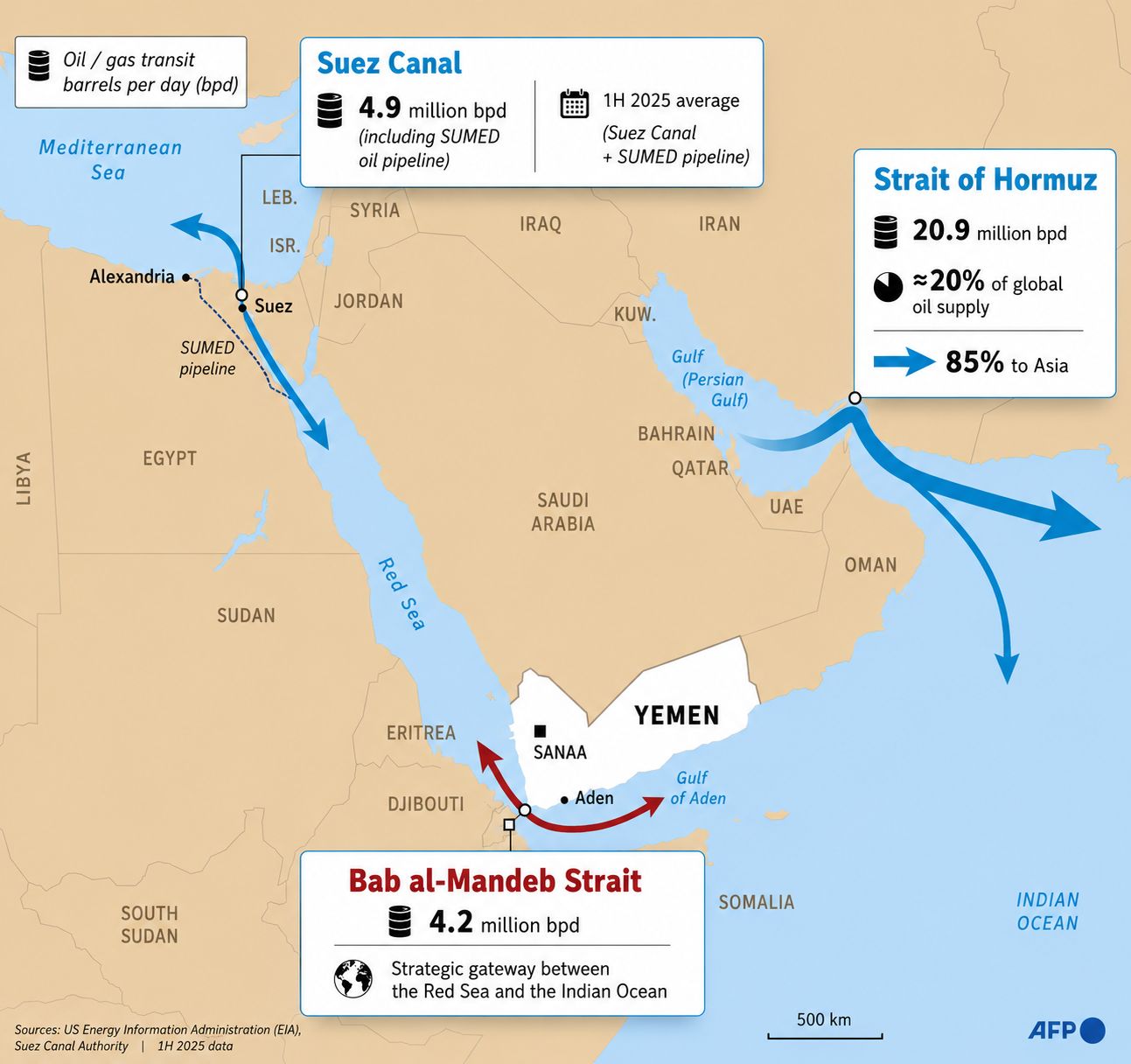
This passage, which links Asia to Europe via the Red Sea and the Suez Canal, has become increasingly important since the start of the war in the Middle East, following Iran's closure of the Strait of Hormuz on the other side of the peninsula.
The Houthis have also reportedly seized Zuqar Island, located in the middle of the strait.
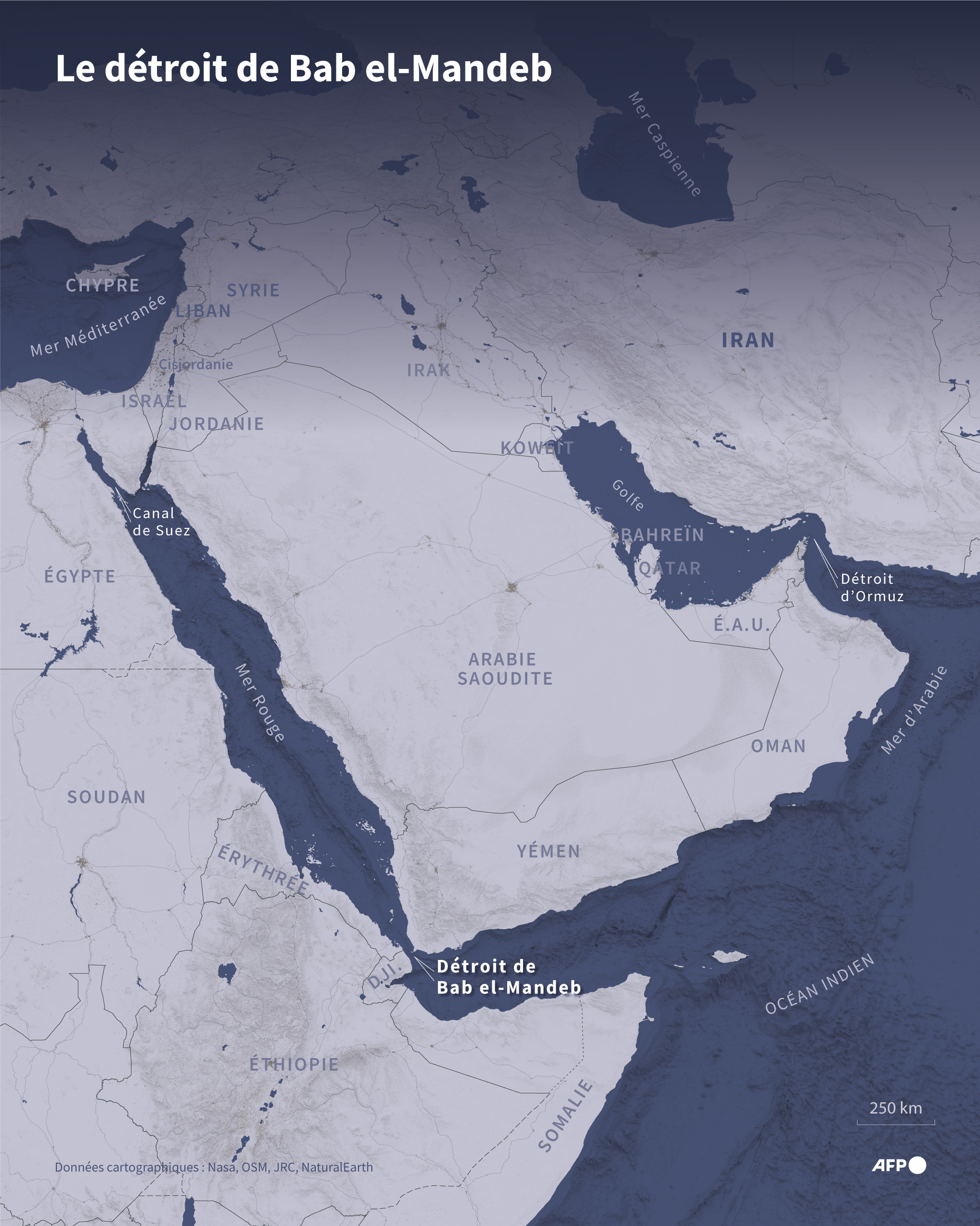
These developments are extremely serious, first because they show that Iran continues to exert control over the Yemeni front, and second because if the Houthis control areas closer to the strait, they will have greater scope to seize control of a route increasingly used by Saudi oil tankers seeking to bypass the Strait of Hormuz.
Crude oil markets were quick to react: oil prices are now hitting record highs, having crossed the $100-per-barrel mark on Wednesday. Yesterday, WTI even reached $106.
Trump: $5,000 per adult if Republicans win
As fighting continues in the Middle East, US President Donald Trump is facing domestic pressure as the legislative elections draw closer.
Having said the previous day that “the war will end after the midterm elections,” he told supporters who had gathered to cheer him on in Texas late Wednesday that if Republicans won the elections, he would give $5,000 to every American adult—without explaining how such a measure would be funded.
Those remarks were countered by an article published Thursday in The Wall Street Journal, citing sources who said the US president's closest aides had warned him that the war against Iran could last until the end of his term, or even until the next president is inaugurated in January 2029.
Among the close aides named in the article were Secretary of State Marco Rubio and Vice President JD Vance, both seen as potential future candidates and therefore concerned about the prospect of this unpopular war dragging on.
According to these senior advisers, the Iranians, though weakened, can continue to resist despite the blockade and sanctions. But so far, the US president still appears to favor maintaining the blockade, according to the WSJ.
Lebanon: Security forces deployed in Nabatieh
On the Lebanese front, Israel's systematic destruction continues in several localities, where massive explosions can be heard day and night, including Mansouri, a village near Tyre.
Late Thursday evening, Israel announced that it had destroyed “the underground infrastructure of the Hezbollah terrorist organization on the Ali al-Taher ridge, thereby completing the establishment of the security zone in southern Lebanon,” according to a joint statement by Prime Minister Benjamin Netanyahu and Defense Minister Israel Katz.
One hundred tons of explosives were used to blow up the tunnels, according to the Israeli military, triggering a magnitude 4.1 seismic tremor in the south, according to the US Geological Survey.
As the Nabatieh region continues to feel the repercussions of the capture of Ali al-Taher hill last week, an appeal by dozens of prominent local figures for the deployment of Lebanese armed forces in the area is beginning to bear fruit.
In addition to the deployment of the Lebanese army observed the previous day, State Security and General Security officers patrolled the city streets, where they were welcomed with open arms by residents.
From now on, these two security agencies, along with the army, will patrol Nabatieh, restoring a measure of security to residents after the panic that followed the Israeli strike that killed 13 people over the weekend, according to the official news agency.
As if to underscore these measures, Lebanese President Joseph Aoun, who chaired the Cabinet meeting on Thursday evening, declared that “it is time for the south to once again become part of Lebanon, and for the state to reestablish its presence there.”
The United States, through its embassy in Beirut, welcomed the fact that “the Lebanese people show every day that they prefer the institutions of the Lebanese state to Hezbollah’s weapons.” In a statement posted on X, the embassy said that “southern Lebanon is not affiliated with any regional party or militia,” referring to Hezbollah and Iran.
Also noteworthy on Thursday were remarks by Kataeb Party leader Sami Gemayel, who called on the Lebanese authorities to take action to effectively disarm Hezbollah and put an end to the “state of rebellion” it represents. Otherwise, he added, foreign powers—specifically the United States—could strike a deal with the militia at the expense of other Lebanese citizens.
He was probably referring to a recent U.S. statement that Washington would be prepared to hold talks with Hezbollah, but “through the Lebanese state.”
Another development with major implications on Thursday was the Cabinet’s decision to “prevent land sales in areas of the south occupied by Israel.”
This is a crucial measure to prevent abuse. A similar measure was adopted following the 2020 Beirut port explosion to prevent the sale of buildings destroyed in the blast.
“Act II” protests: France Holds its Breath
Sisi Stresses the Defensive Nature of Support for Riyadh
France Avoids a State of Emergency but Prepares for the Worst
A Nobel Peace Prize to Save International Law in Peril
A Lebanese-Iranian Meeting in New York, but Several Political Messages
More from LevantTime .
View All


More in Today's Essential
View All


Latest from Levant Time
View All


