

Trump Leaves Riyadh Alone to Face the Houthis

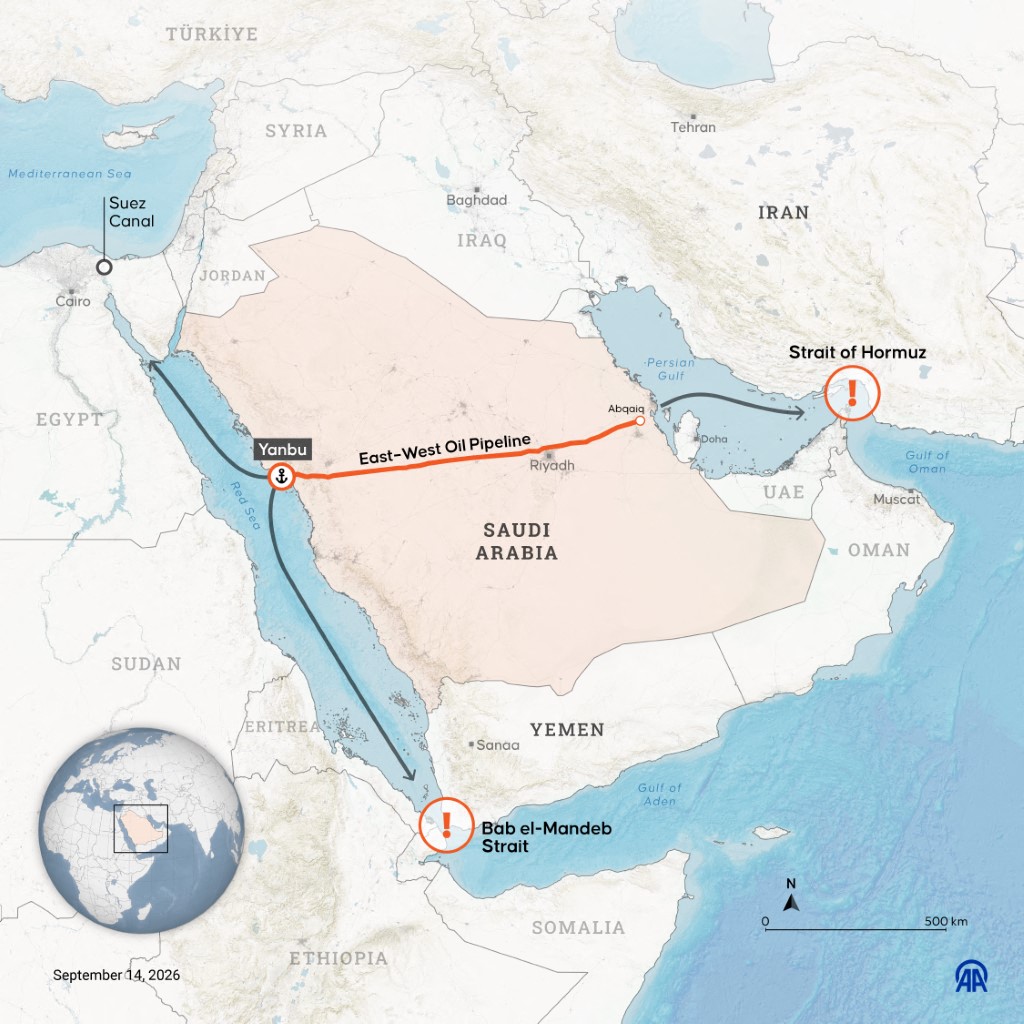
While tensions between the United States and Iran have eased somewhat around the Strait of Hormuz, hostilities between Saudi Arabia and the Houthis dominated the week, with the equally strategic Bab el-Mandeb Strait emerging as another flashpoint.
Saudi Arabia is now being hit by Houthi strikes almost daily, increasing pressure on the world’s largest crude oil exporter, while Washington, its longstanding ally, has made it clear that the U.S. military will not come directly to the kingdom’s aid.
According to several corroborating sources, including the Reuters news agency and New York Times, U.S. diplomats met with Houthi representatives in Oman in early September to preserve the ceasefire agreed between Washington and the Yemeni movement and keep Bab el-Mandeb open to U.S. shipping.
The Houthis said they would not target U.S. ships. According to the news website Axios, they reportedly indicated that their attacks would be directed solely at Saudi vessels.
Axios, citing U.S. officials, also reported that Donald Trump refused to order strikes against the Houthis, as Riyadh had requested. On Saturday, the U.S. president himself acknowledged that the Houthis had asked the United States not to intervene in the conflict.
Washington therefore chose not to become directly involved alongside its Saudi ally, seeking to avoid opening a new front in the Middle East.
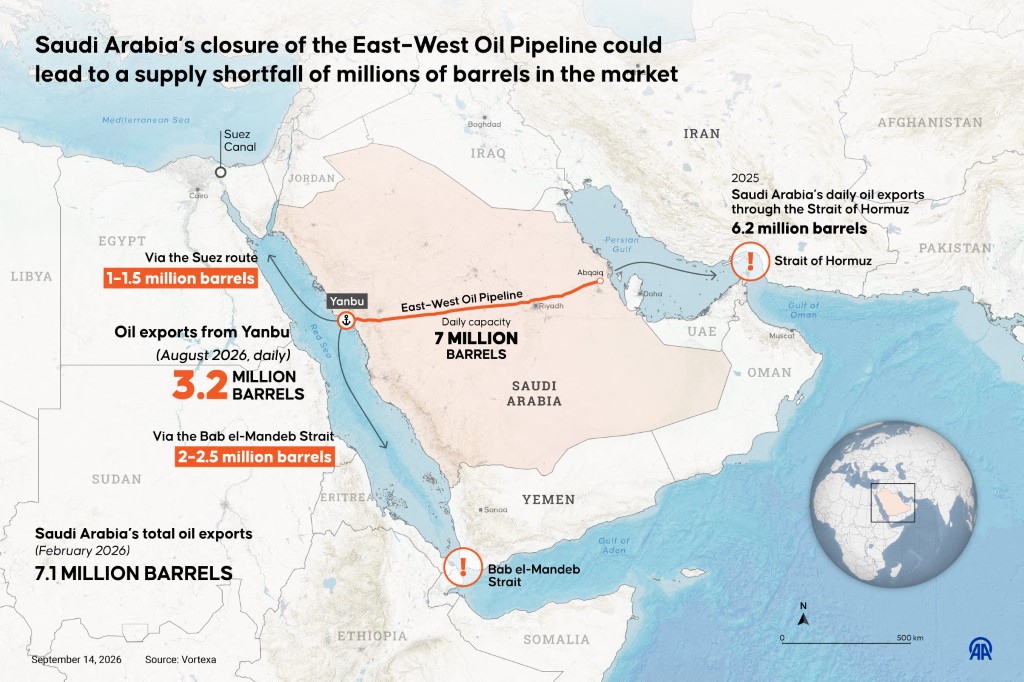
Donald Trump, who had clearly underestimated the duration and consequences of the confrontation with Iran, is already embroiled in a war that is putting heavy pressure on U.S. military stockpiles and driving up crude oil prices, directly fueling a resurgence in inflationary pressures.
The issue is also political. Rising energy prices and a prolonged conflict could hurt the president’s popularity and, more broadly, the Republicans’ prospects ahead of the November midterm elections.
A negotiated settlement with the Houthis therefore allows Washington to protect its own interests: U.S. ships are spared. Saudi vessels, however, remain exposed to threats from the Yemeni movement in the Bab el-Mandeb area.
By way of reminder, Yemen’s Houthi rebels, who belong to the Zaydi branch of Shia Islam, are part of what Tehran and its allies call the “axis of resistance,” alongside Hezbollah in Lebanon, the Palestinian group Hamas and a host of pro-Iranian Iraqi militias, all of which oppose Israel and the United States.
A huge F-35 contract for Riyadh
The Saudis have nevertheless received a form of compensation. The U.S. government has approved a proposed sale of 48 F-35 stealth fighter jets to Riyadh, worth $24.3 billion. This major deal comes amid the ongoing conflict in the Middle East.
As required by U.S. law, the State Department has notified Congress of the proposed sale, which must still go through the various stages of the U.S. approval process. Some lawmakers oppose it, particularly over concerns that sensitive technology from the advanced aircraft could indirectly make its way to China.
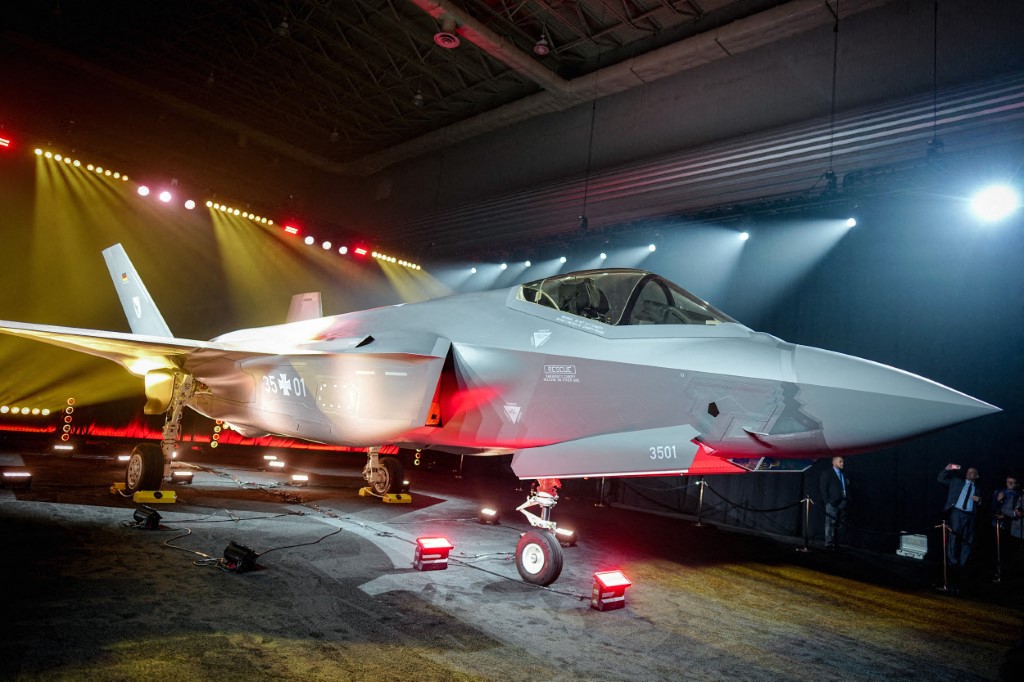
An F-35A fighter jet was delivered to the German Air Force during a ceremony at Lockheed Martin’s plant in Fort Worth, Texas, on September 18, 2026. Germany has ordered 35 of the stealth fighters, which are considered among the world’s most advanced combat aircraft. (AFP)
Riyadh has long sought to acquire F-35s, but Israel—the only country in the region currently operating the aircraft—had until now expressed strong reservations. In keeping with longstanding U.S. policy, Washington is committed to preserving Israel’s “qualitative military edge” over other regional powers.
The New York Times however, reported this week that U.S. intelligence analysts had raised concerns that Beijing could gain access to certain F-35-related technologies due to the close ties developed with Riyadh. Moreover, the actual delivery of these aircraft is expected to take place over several years.
In early September, the State Department also announced that it had approved a proposed sale of more than 10,000 bombs to Riyadh, worth approximately $5 billion.
IRGC operating in Yemen
Two sources within the Houthi movement told AFP on Saturday that fighters were installing radar systems and digging tunnels along the Red Sea coast. They also said that members of Iran's Islamic Revolutionary Guard Corps (IRGC) had recently traveled to the area.
The Houthis also claimed responsibility on Saturday for an attack on sites they described as “sensitive” in the Saudi capital, where explosions had been heard overnight for the first time since hostilities resumed between Riyadh and the pro-Iranian fighters.
A ballistic missile launched by the Houthis toward Riyadh was intercepted and destroyed at dawn on Saturday, according to the Saudi-led military coalition fighting the Yemeni movement.
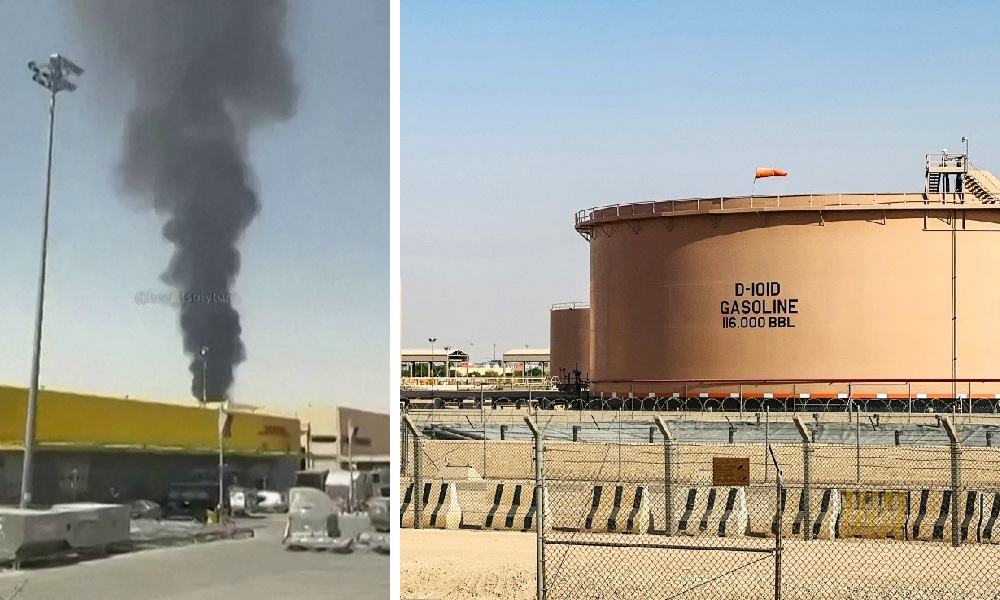
Images posted online show a column of black smoke rising above buildings near the airport.
Later that afternoon, firefighters extinguished a blaze that had broken out in a fuel tank bearing the logo of Saudi oil giant Aramco near the airport, according to an AFP journalist at the scene.
In a statement posted on Telegram, the Houthis' military spokesman said the movement had carried out two attacks using “a large number of ballistic missiles, cruise missiles and drones.”