Levant Time logo
LevantTime .

LevantTime .

A Nobel Peace Prize to Save International Law in Peril
By
LevantTime .
Published
Oct 9, 2026 - 20:37

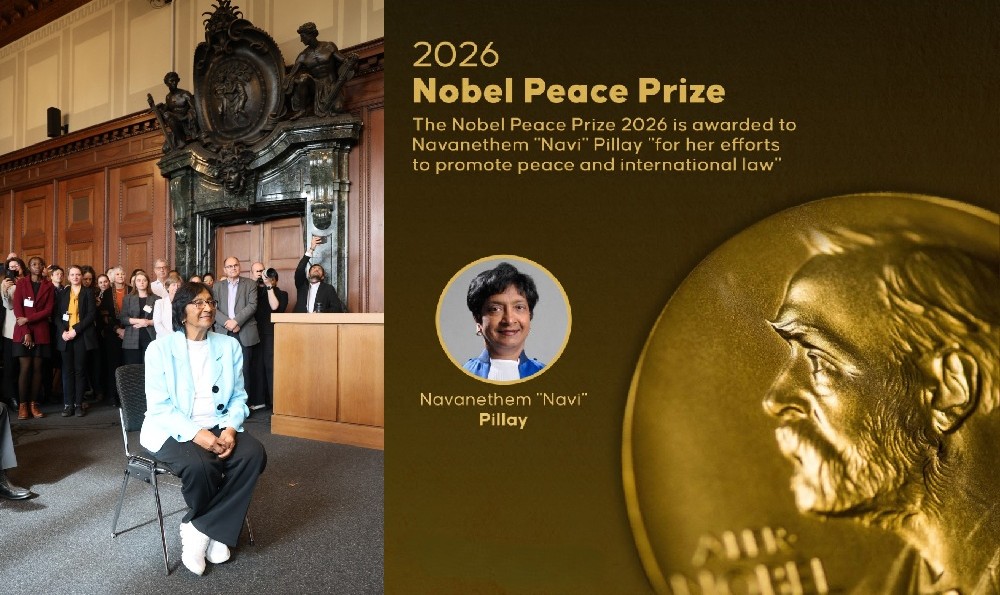
The Nobel Peace Prize awarded to South African jurist Navi Pillay comes at a time when international law is increasingly being called into question, weakened by the growing number of conflicts and attacks on the institutions tasked with upholding it. For several months, reports and statements from international organizations have warned in succession of the threats facing human rights and the foundations of the global legal order. Israel’s strong reaction to the award, along with the latest U.S. offensive against the International Criminal Court, illustrates the situation. The Nobel Peace Prize was awarded on Friday to jurist Navi Pillay, an 85-year-old South African who has devoted much of her life to defending international law. Ms. Pillay notably chaired the independent UN commission of inquiry that last year accused Israel of committing genocide in the Gaza Strip.
Yemen: A Military Conflict with Uncertain Outcomes
By
LevantTime .
Published
Oct 6, 2026 - 21:39

Syrian President Ahmad al-Sharaa was in Riyadh on Tuesday, where he was received upon arrival by Crown Prince Mohammed bin Salman for talks focused on regional developments and bilateral relations. This was Mr. Sharaa’s third visit to Saudi Arabia, the first country he visited in February 2025 after overthrowing Bashar al-Assad. He returned to the kingdom in April of the same year as part of a tour of the Gulf countries. The aim of that tour, which also included Qatar, the United Arab Emirates, Bahrain, Kuwait, Türkiye, Jordan and Egypt, was to reintegrate Syria into its natural Arab environment.

Riyadh steps up its offensive against the Houthis
By
LevantTime .
Published
Oct 5, 2026 - 23:03

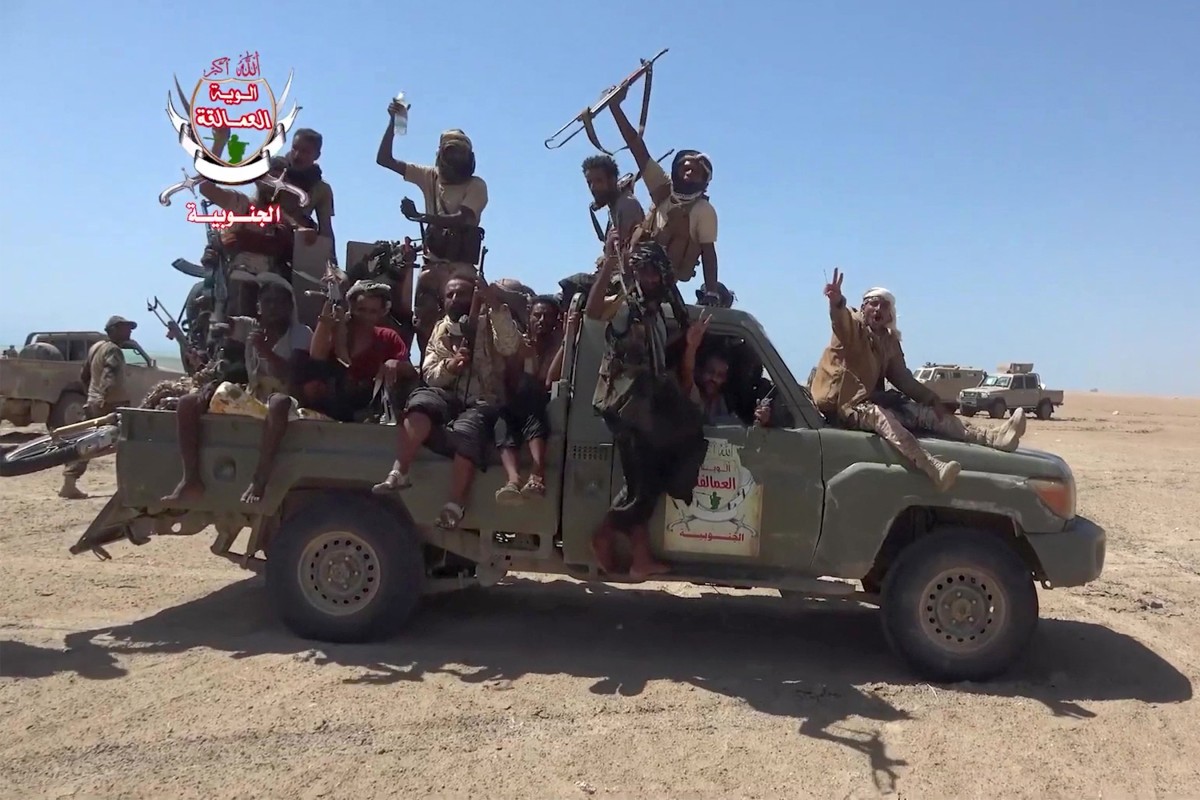
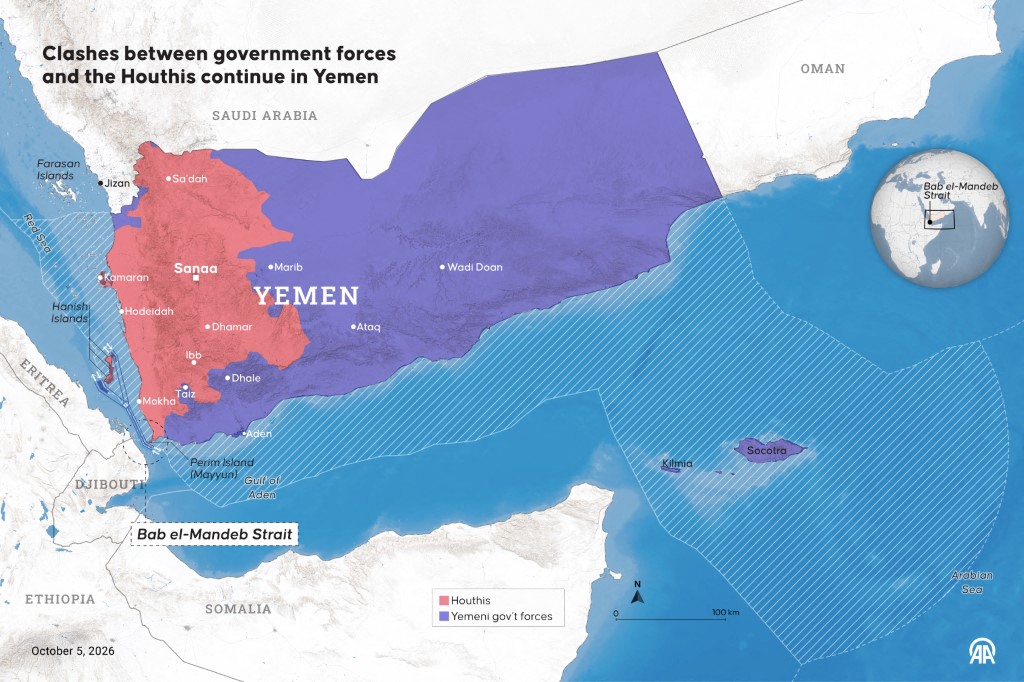
Following recent advances by pro-Iranian militiamen toward the regions bordering the Red Sea, the Saudi-led coalition launched a large-scale counteroffensive that had already borne fruit by Monday. For several weeks now, amid relative calm on the Iranian-American front—the U.S. forces have not launched direct attacks on Iranian territory since early September—the Yemeni front has seen the most movement. Until now, however, this had favored the pro-Iranian Houthis, who had unexpectedly made considerable advances toward the Red Sea, threatening to disrupt passage through the Bab el-Mandeb Strait, after the near-closure of the Strait of Hormuz due to the conflict in Iran. Last weekend, militia fighters had already succeeded in encircling the Yemeni city of Taiz, cutting it off from Aden, where Yemen's official government is based.

Rich Countries, Indebted Nations
By
LevantTime .
Published
Oct 3, 2026 - 23:39

The latest increase in France’s debt illustrates a pressure shared by several major economies: borrowing is piling up while financing it is becoming more expensive. From deficits to interest rates, twelve questions to understand a phenomenon that is weighing on public budgets and citizens alike. France has crossed a new threshold. According to figures published by INSEE on September 29, its public debt stood at €3,595.5 billion at the end of the second quarter of 2026, equivalent to 119% of gross domestic product (GDP). It increased by €59.6 billion in three months. The government expects it to reach 121.7% of GDP in 2027.

The U.S. Withdrawal from Iraq Ushers in a Period of Uncertainty
By
LevantTime .
Published
Oct 1, 2026 - 23:16

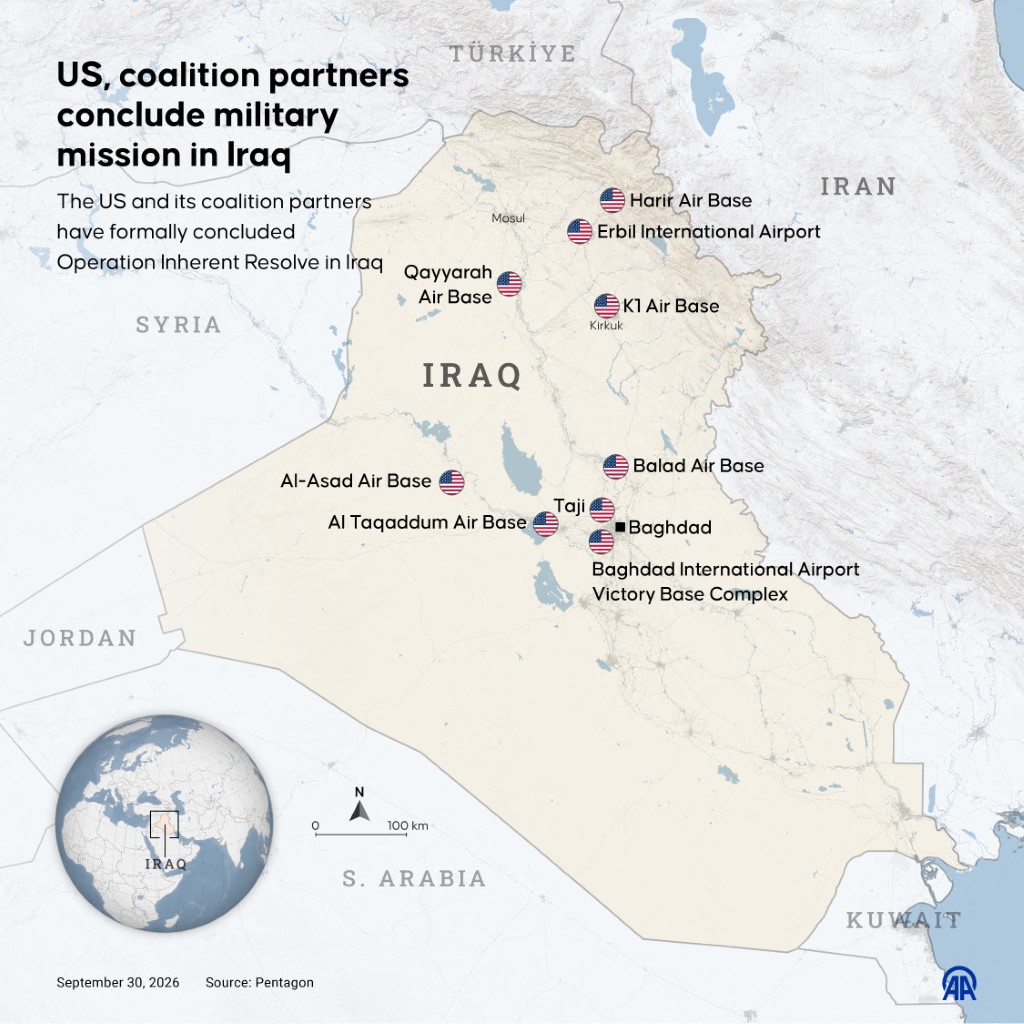
The hardest part has just begun for Iraq, where the United States, together with its international coalition partners, completed a full withdrawal from the country on Wednesday, pursuant to a decision agreed with Baghdad in September 2024 under the administration of U.S. President Joe Biden. During its twelve years in Iraq, the Washington-led coalition trained Iraqi forces to work alongside the political authorities to protect the country from Iranian and jihadist ambitions. Although it enjoys Washington’s unwavering support, Ali al-Zaidi’s government is entering a period of great uncertainty, given the major challenges standing in the way of its goal of restoring full sovereignty.

The flydubai incident: for Israelis, a threat materialized?
By
LevantTime .
Published
Sep 30, 2026 - 22:35

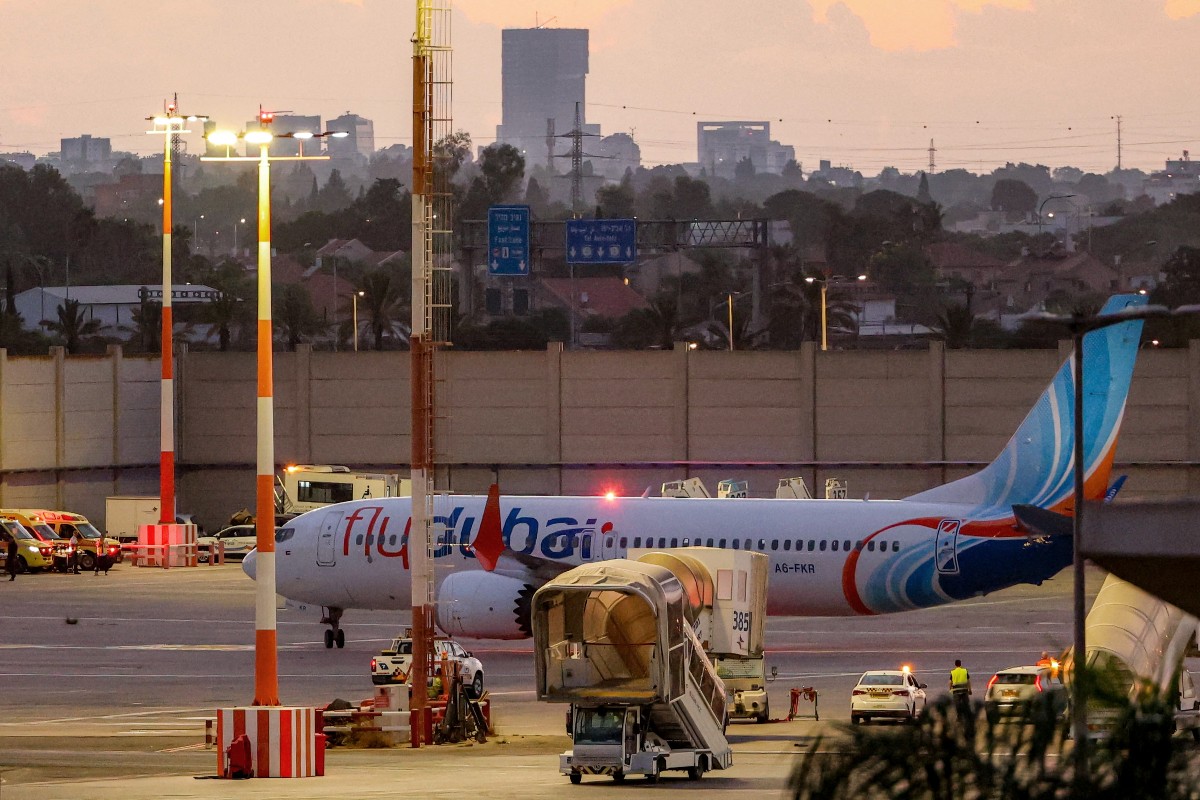
A flight operated by the Emirati airline, carrying 180 Israeli passengers, was forced to make an emergency landing at a Saudi airport after a “fight” between the pilots. Israel’s defense minister denounced a “jihadist terrorist attack.” An incident aboard a flydubai flight on Wednesday nearly ended in disaster. In fact, the Emirati airline’s aircraft, carrying 180 Israeli passengers, was forced to make an emergency landing at a Saudi airport on Wednesday morning while en route from Dubai to Tel Aviv. According to several Israeli media outlets, the incident stemmed from a “fight” between the pilots, one of whom, the Jerusalem Post reported, citing an Israeli official, allegedly tried to “hijack the plane.” The Israeli official said that “a major disaster was narrowly averted.”

Received by Rubio, Salam Calls for a “Renewed Partnership” with the US
By
LevantTime .
Published
Sep 28, 2026 - 23:16

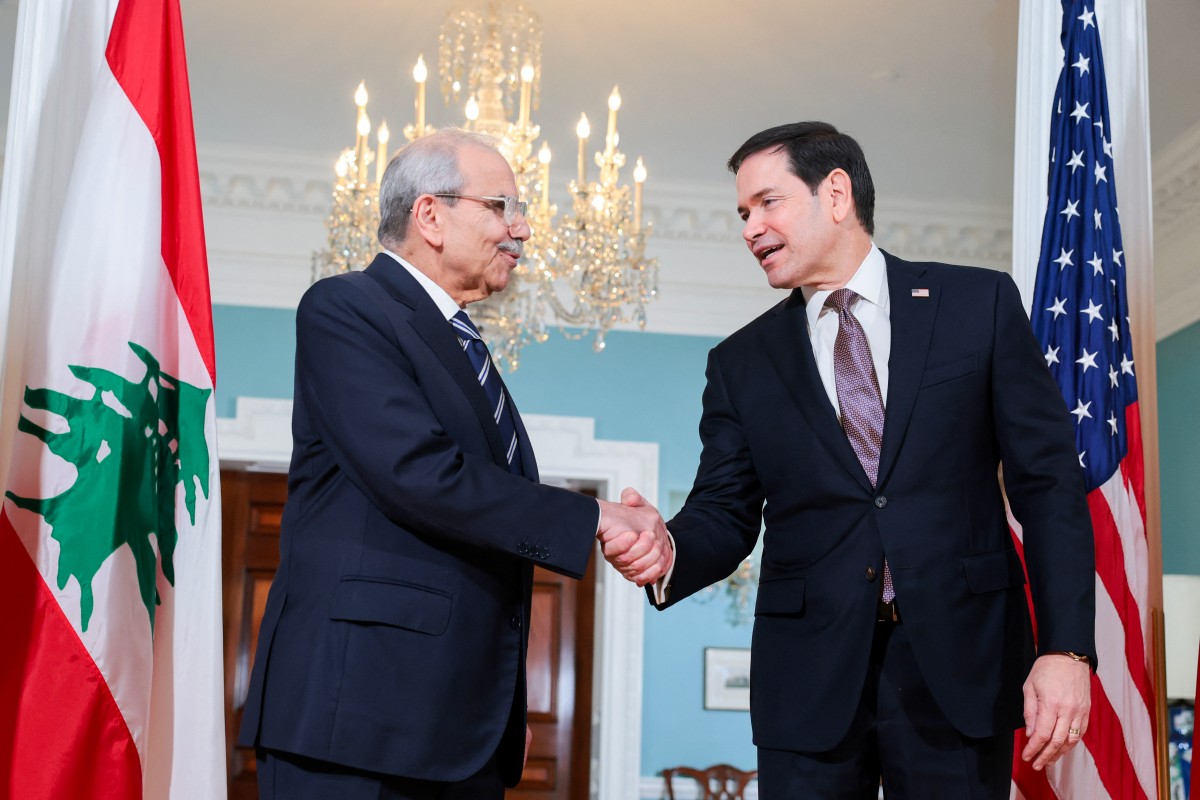
The American phase initiated by the Lebanese authorities as part of their efforts to consolidate their sovereign authority, in the face of Hezbollah’s strategy of dismantling the central state, is drawing to a close. It was obvious from the outset that the numerous meetings held by Prime Minister Nawaf Salam and Foreign Minister Joe Raggi on the sidelines of the United Nations General Assembly could in no way lead to concrete resolutions or practical results. It is common knowledge, indeed, that the meetings held by the various world leaders on the occasion of the traditional UN gathering each September rarely go beyond the framework of formal exchanges and consultations.

Riyadh Arms Itself with a French Shield Against the Houthis
By
LevantTime .
Published
Sep 26, 2026 - 21:53

France plans to send troops, radar systems and air defenses to Saudi Arabia to protect energy infrastructure at the Red Sea port of Yanbu. The assistance is intended to secure a site that has become crucial to the kingdom's oil exports, as attacks by the Houthis and other Iranian-backed militias threaten its supply routes. President Emmanuel Macron said France did not intend to take part in the conflict and that the deployment had been agreed with Riyadh. He did not rule out further assistance depending on how the situation develops. Why Yanbu? Since the start of the military campaign waged by the United States and Israel against Iran, the Yanbu site has become highly strategic: its port allows Saudi Arabia to bypass the Strait of Hormuz, which has been blocked by Tehran.

“No State Can Have Two Armies and Two Decision-Making Authorities,” Salam Says in New York

Lebanon did not miss this week’s major UN General Assembly gathering at United Nations headquarters in New York. Prime Minister Nawaf Salam has held a series of meetings on the sidelines of the event over the past two days, beginning with UN Secretary-General António Guterres on Monday evening. The messages he delivered were of vital importance, both with regard to the renewal of the mandate of the United Nations Interim Force in Lebanon (UNIFIL) and the state’s monopoly on arms. On the Lebanese political front, the presence of Foreign Minister Joe Raggi alongside Salam did not go unnoticed, at a time when his near exclusion from the diplomatic trips undertaken by the president and the prime minister had raised questions among observers and caused tensions with the party that had backed his candidacy for the post, the Lebanese Forces.

UN: Paris Wants to Replace UNIFIL With a 'Different Type' of Presence
By
LevantTime .
Published
Sep 22, 2026 - 16:29

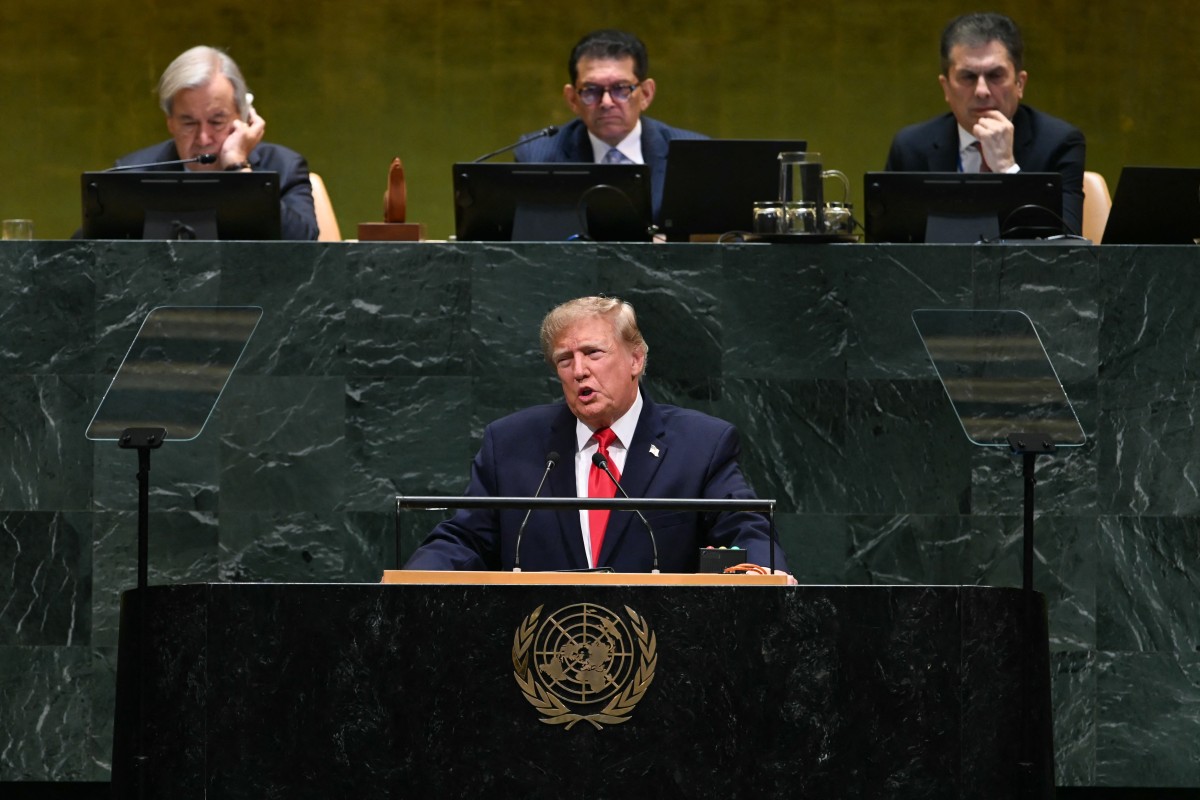
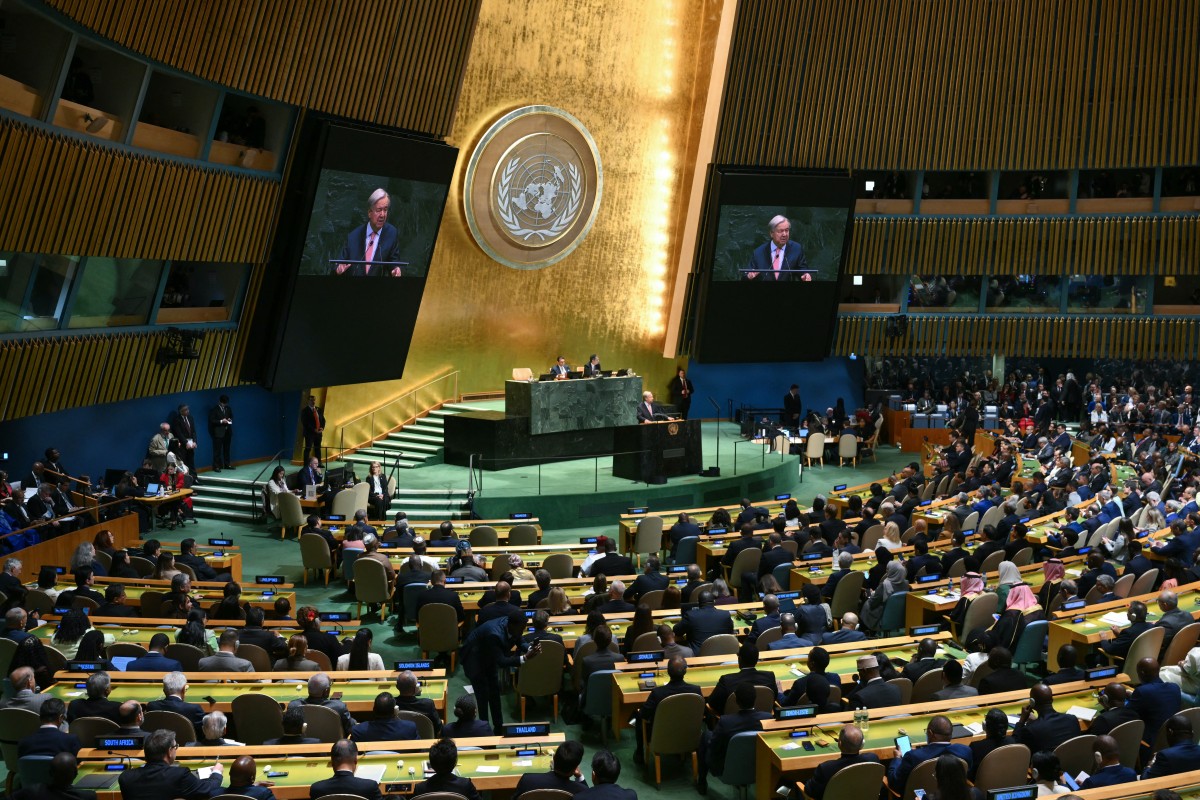
From New York, Sylviane Zehil As France holds the presidency of the UN Security Council in September, the General Assembly’s “high-level week” is taking place against a backdrop of existential crises and growing questioning of multilateralism. In this context, Paris intends to defend an international system “based on the rule of law rather than the law of the strongest.” Among the sensitive issues on the agenda is Lebanon, with an increasingly pressing question: what should be done about UNIFIL and, above all, how can a “security vacuum” be avoided if its mandate cannot be extended for the long term?

/