

Israeli-US offensive: objective, "the eradication of the mullahs' regime"


The Iranian people — along with other populations across the Levant — had long awaited this D-Day. The intensive American and Israeli air raids launched early this Saturday morning, February 28, do not appear to be a limited, one-off strike confined in time and scope. On the contrary, they seem to signal the prelude to a comprehensive and radical offensive — both militarily and politically — against the mullahs’ regime in power in Tehran.
This assessment stems not only from the breadth and scale of the U.S.-Israeli air strikes, but above all from the televised and radio address delivered in the morning by President Donald Trump (likely recorded Friday evening).
With his customary frankness, the White House leader outlined without ambiguity the broad contours of the offensive, dubbed by Israel “Shield of Judah” — an allusion to divine protection.
Building on the particularly firm and harsh remarks he had made in recent days regarding the Iranian regime, notably during his State of the Union address, President Trump announced in his broadcast message that the United States had launched a “large-scale” attack against Iran, adding that the operation “will continue against Iran to prevent it from posing a threat to America.”
Emphasizing the geostrategic scope of the assault, President Trump added: “We will ensure that Iran’s proxies no longer pose any threat to the region,” in a clear reference to the outposts of the Iranian Revolutionary Guard Corps in Lebanon (through Hezbollah), Iraq, and Yemen.
Regarding Lebanon specifically, the White House chief underscored — in what marks a first for an American president — that Iran’s allies were responsible for the 1983 attack against U.S. Marines in Beirut, noting that the terrorist operation orchestrated by the mullahs’ regime resulted in 241 American soldiers killed.
President Trump was particularly explicit about the objectives of the February 28 offensive. “We will destroy Iran’s missiles; we will level Iran’s naval forces,” he stated. “I call on the Revolutionary Guards to lay down their arms. If they do, they will be safe; if not, we will destroy them.” Addressing the regime directly, he continued: “Lay down your arms, and you will receive Justice.”
In plain terms, President Trump is demanding the regime’s total capitulation — a demand that could only result in its collapse and eradication, and thus a radical reshaping of the geopolitical landscape in the Middle East.
Finally, the White House chief addressed the Iranian people: “The hour of your liberation is near.” A message swiftly embraced by residents of the al-Ahwaz region in southwestern Iran, largely populated by citizens of Arab origin, who by late morning proclaimed a rebellion against the central “Persian” authority of the mullahs.
Expansion of Military Operations
A sign that the offensive is not limited or temporary, the air raids were not confined to Tehran but extended to several major cities, likely targeting air defense systems and long-range missiles. Among the targeted locations were Qom, Tabriz, Kermanshah, Isfahan, Khorramabad, Karaj, and Garmdarreh.
In retaliation, the Pasdaran launched around thirty ballistic missiles late in the morning toward northern Israel, Tel Aviv, and Jerusalem. Significantly, Iranian missile fire also targeted — on a smaller scale — Qatar, Kuwait, Bahrain, Abu Dhabi, Dubai, Jordan, and even Riyadh. Tehran claimed it was striking American bases, although these had reportedly been evacuated days earlier by U.S. forces.
The Position of the Lebanese State
As the American-Israeli military offensive against Tehran continued, President Joseph Aoun and Prime Minister Nawaf Salam each issued statements explicitly stressing the need to keep Lebanon entirely out of the conflict, thereby denouncing Hezbollah’s apparent intention to join the ongoing battle.
For his part, Foreign Minister Joe Raggi echoed the same stance, declaring bluntly: “Lebanon’s interest must prevail over any other consideration… Neutrality, neutrality, neutrality.”
In Search of Lebanon, from Beirut to the Vatican
UN: Paris Wants to Replace UNIFIL With a 'Different Type' of Presence
The Abolition of the Death Penalty: Ibrahim Najjar and Élie Keyrouz’s Long Fight
The Testament of Hassan Rifai
A ceasefire... yes, but what happens next?
Más de Michel Touma
Ver todo


Más en Politics
Ver todo


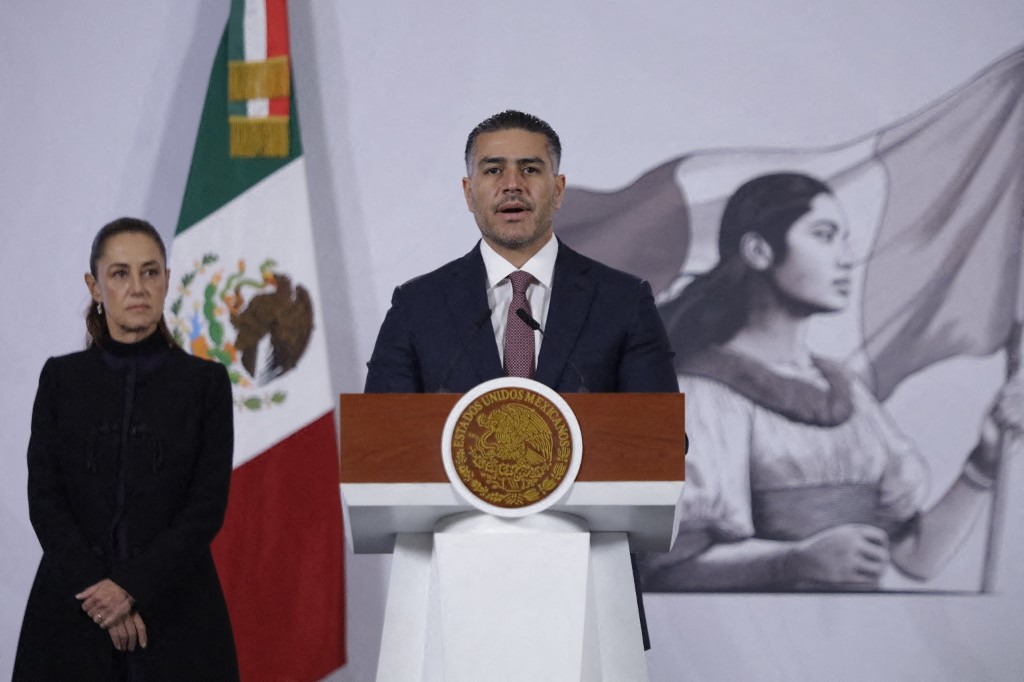

Mexico: after the Elimination of El Mencho, the Calm Before the Storm?
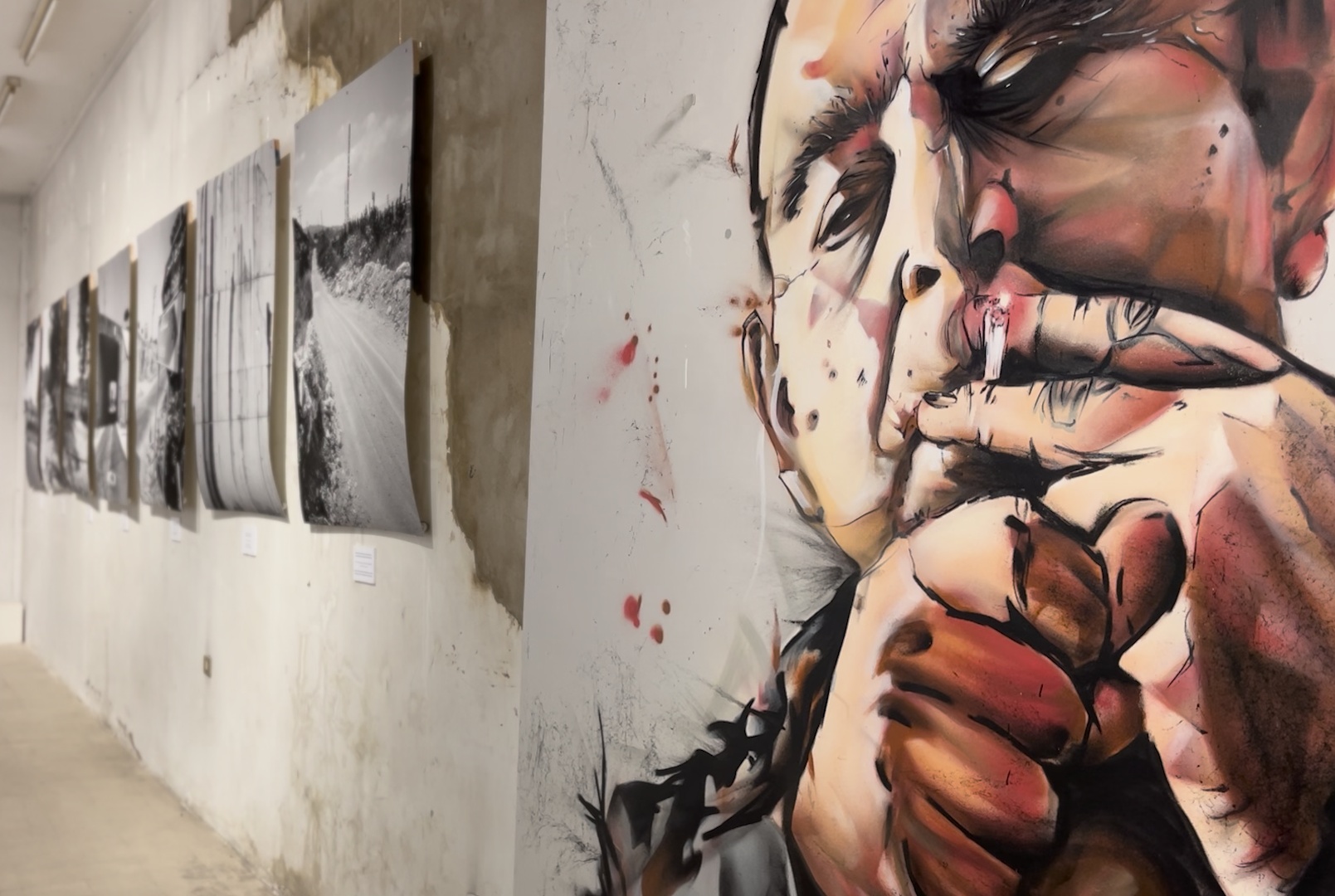
«Remaining»: Rekindle the Memory of the Victims of Political Assassinations Since 2005
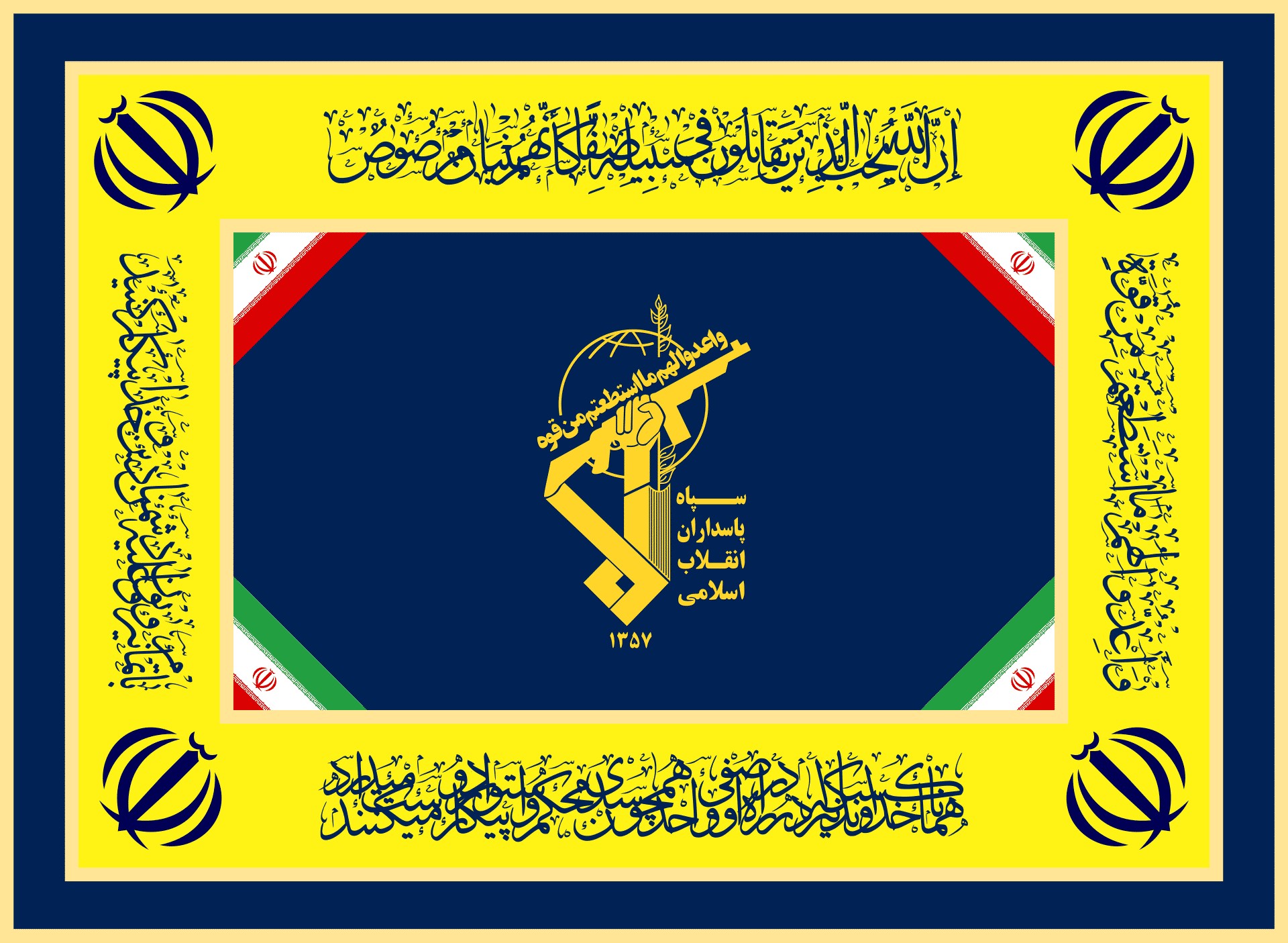
Revolutionary Guards, Supreme Organ of Repression
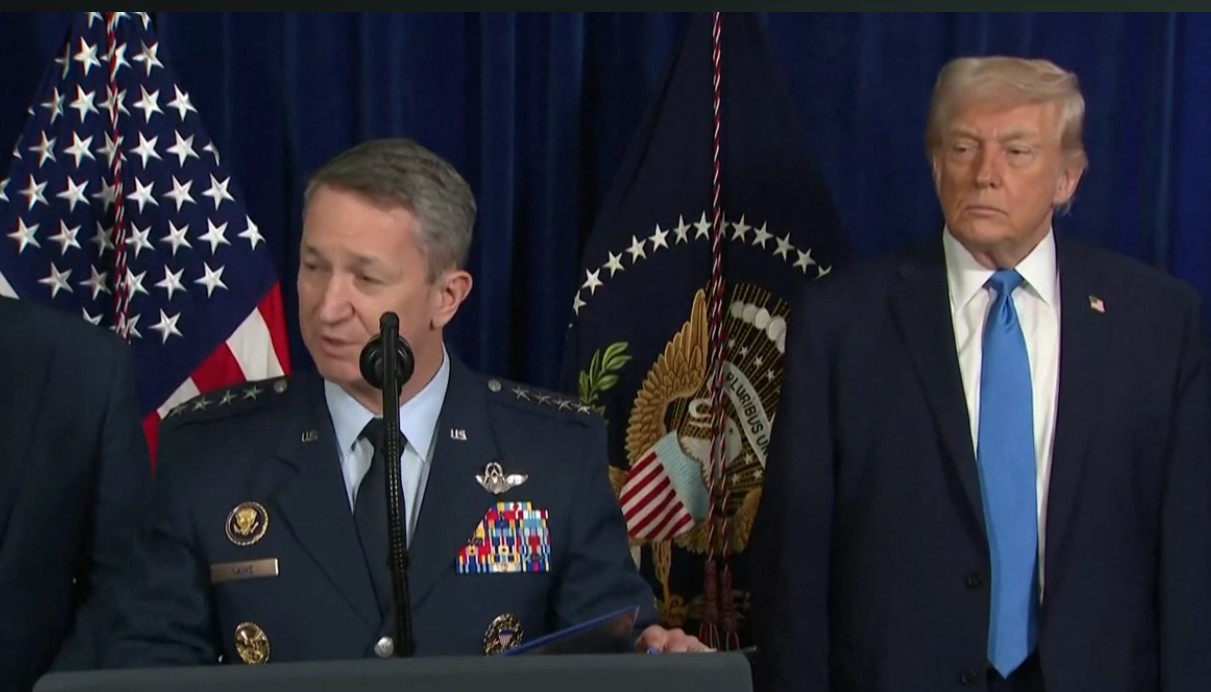
Tropic Thunder: Understanding US Interventionism in the Caribbean
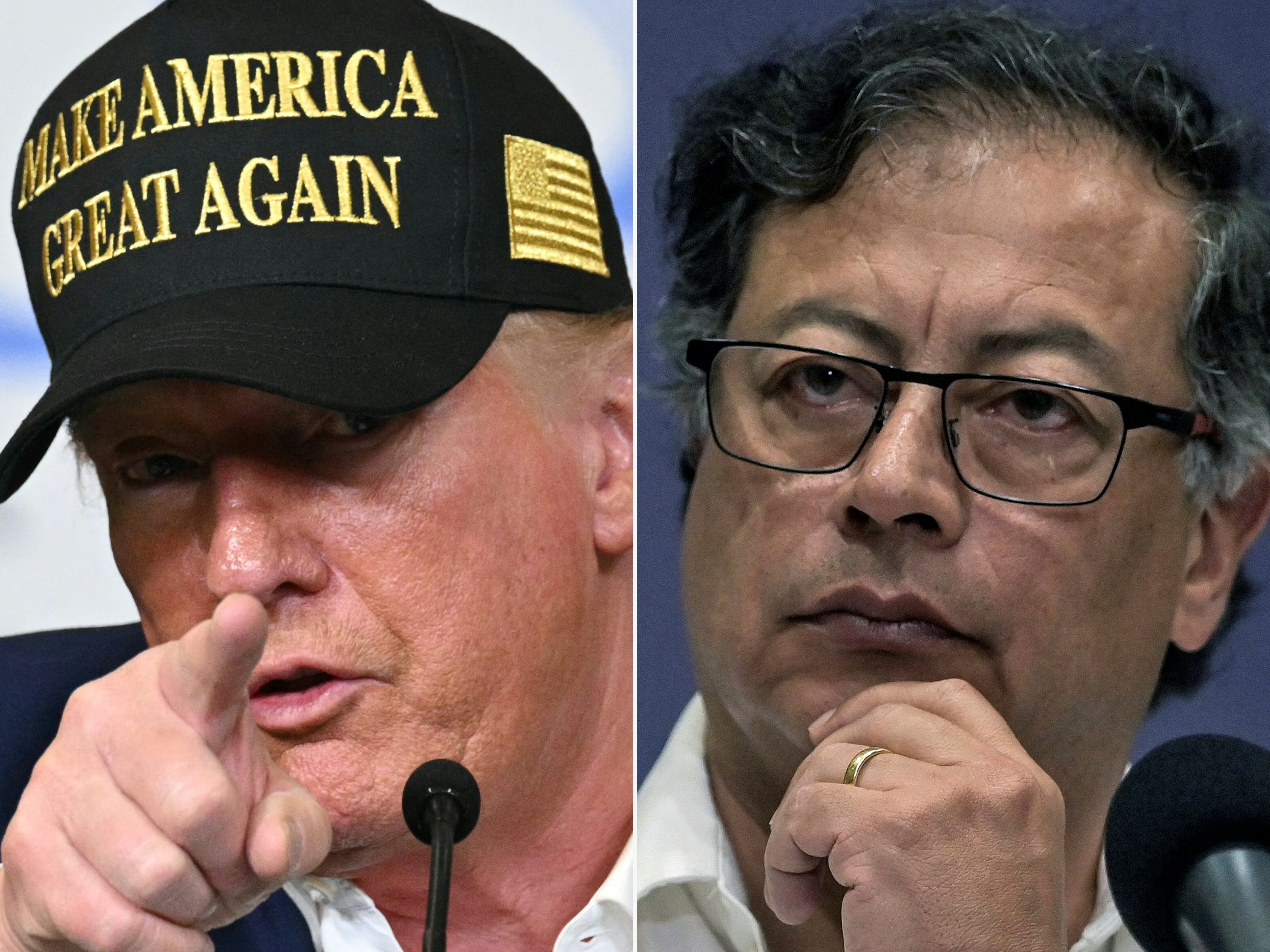
Tropic Thunder: Understanding US Interventionism in the Caribbean
Lo último de Levant Time
Ver todo


