شعار Levant Time
Michel Touma

Michel Touma

The Emerging Geostrategic Shifts in the Gulf
بقلم
Michel Touma
نُشر
Sep 29, 2026 - 23:19

Shortly before the last U.S. presidential election, JD Vance gave a speech in Washington in which he laid out his vision of what U.S. strategy in the world should look like. In essence, he stressed that Washington should focus its policy on the situation in Asia. In that context, he noted that in other sensitive regions of the world, the U.S. administration should be able to rely on its allies while providing them with the necessary support. In other words, Mr. Vance argued that in the Middle East, for example, “Israel and the Sunni states” should take responsibility for their own defense by countering Iranian expansionism, with U.S. support. Likewise, Europe should be expected to provide for its own defense while also benefiting from American support.
Collège de Nazareth at Risk of Closure
بقلم
Michel Touma
نُشر
Sep 18, 2026 - 03:20

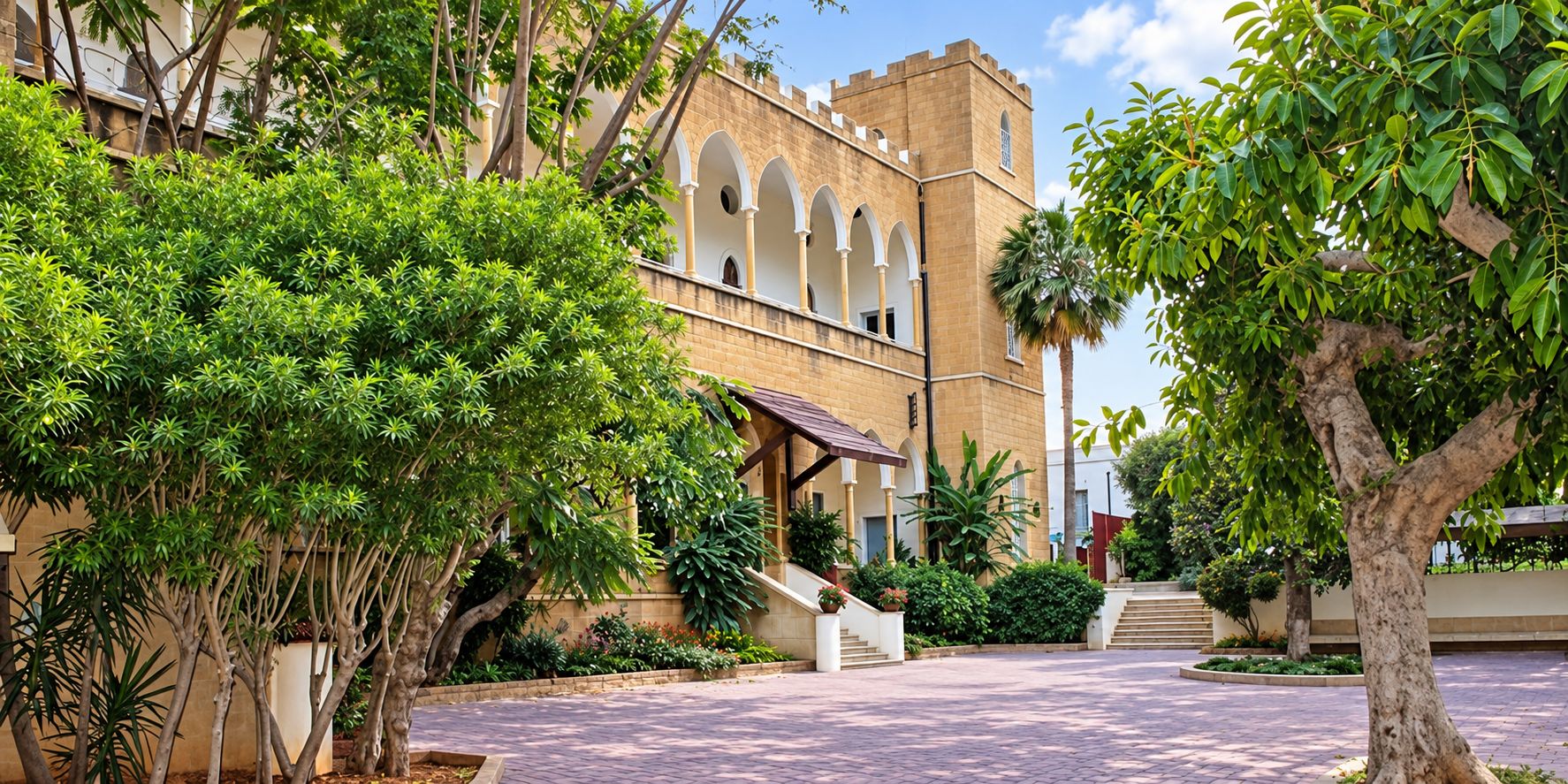
The deep crisis in Lebanon’s private education sector has continued to worsen at an exponential rate for several years. It has been further exacerbated by the economic and financial collapse of 2019, which has yet to be overcome. This crisis is severely affecting school owners and teachers alike and, by extension, parents. Catholic schools, however—particularly those run by foreign religious orders—face another major challenge of an entirely different nature: the increasingly acute lack of new vocations within the various orders, not only in Lebanon but especially in Western countries. This is having an alarming impact on schools that have sometimes been operating in Lebanon for more than a century.

Iranian Dissidents Executed “on a Scale Never Seen Before,” Trump Says
بقلم
Michel Touma
نُشر
Aug 26, 2026 - 00:50

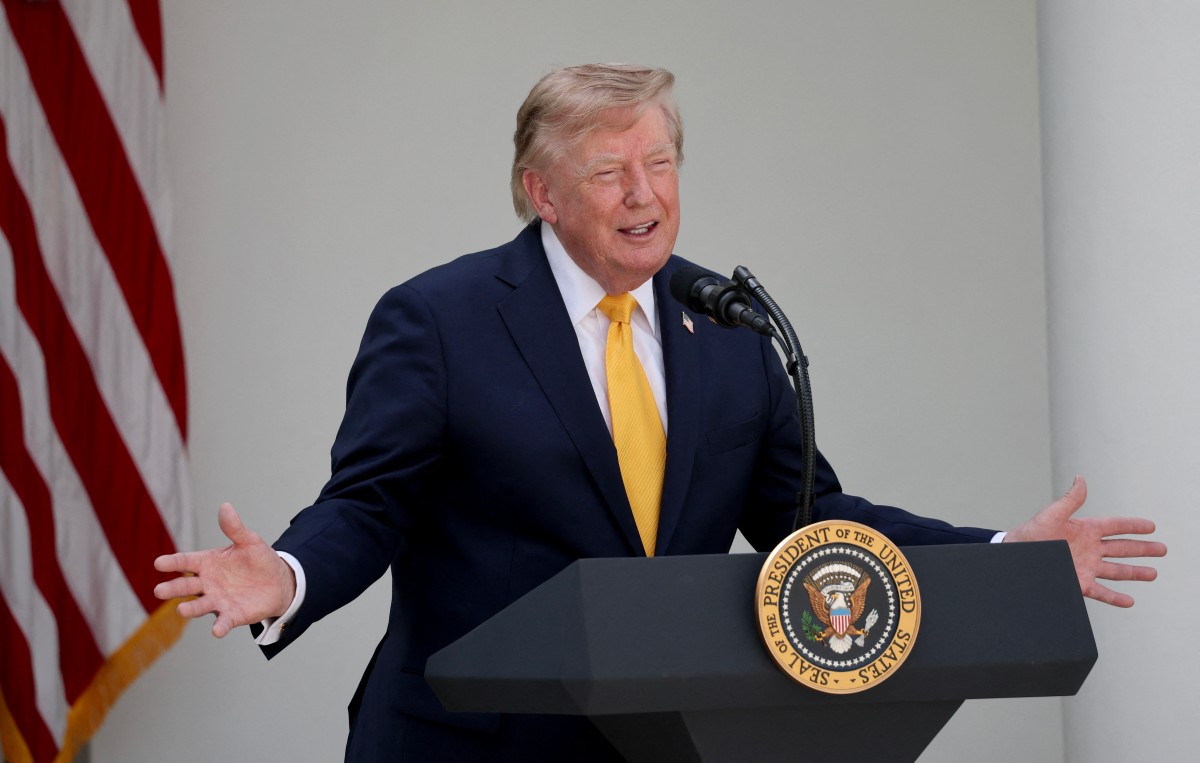
On Tuesday, President Donald Trump rightly drew attention to an aspect of the war in Iran that some Western political leaders and media outlets have conspicuously overlooked: the humanitarian dimension of the Iranian crisis, and, more specifically, the murderous and appalling conduct of certain power centers within the ruling establishment in Tehran. As part of their campaign of repression and coercion, they have resorted to the near-daily execution and public hanging from cranes of schoolchildren, teenagers under 18 and young university students, seeking to terrorize the population and create an atmosphere of fear designed to suppress any attempt at a popular uprising.

Hormuz: Iran Wants to Impose its Rules of the Game on Trump
بقلم
Michel Touma
نُشر
Aug 6, 2026 - 00:03

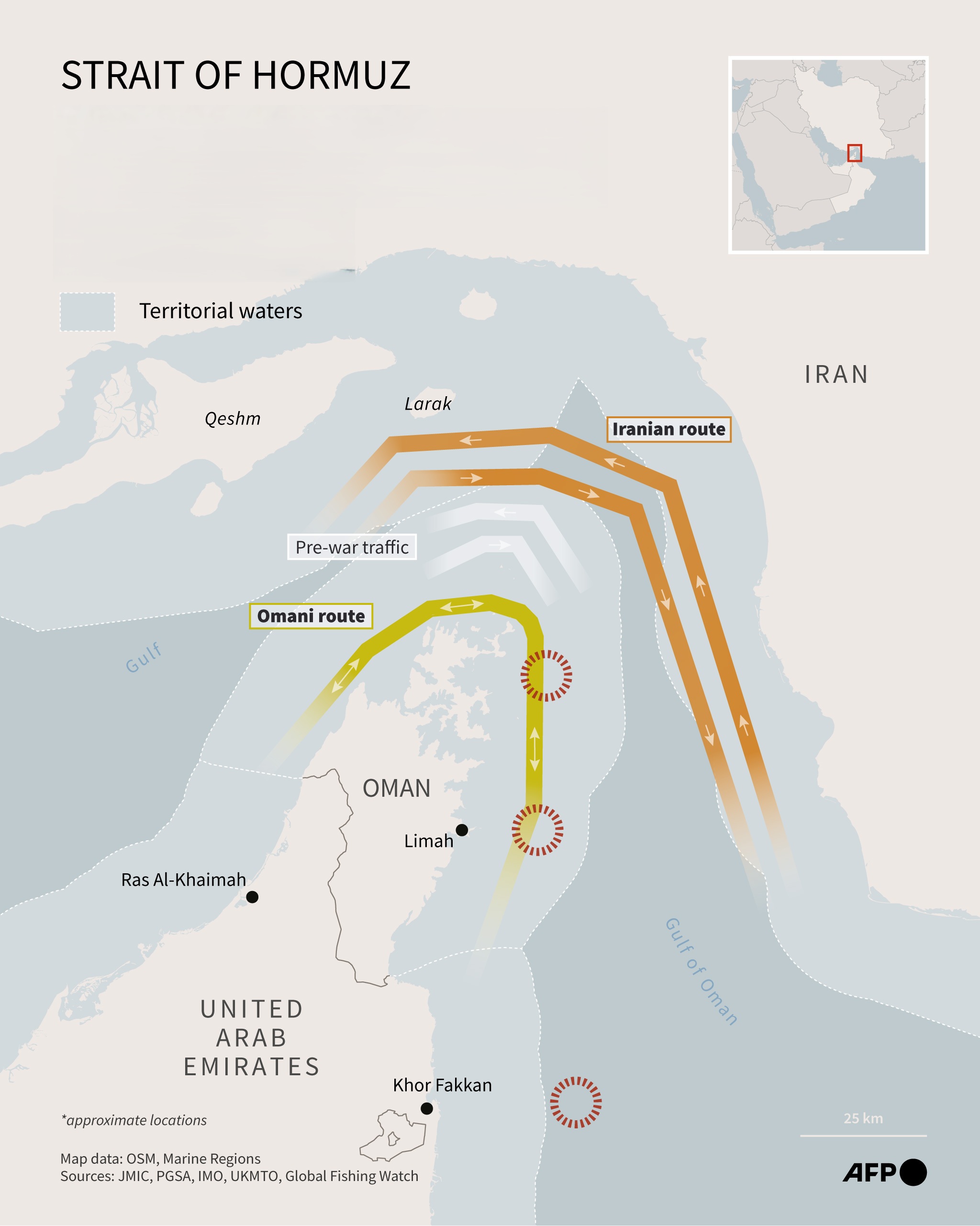
The Iranian mullah regime, and more specifically the radical faction represented by the Islamic Revolutionary Guard Corps, continues to seek control over the Strait of Hormuz crisis by dictating its own terms and sidelining the United States from ongoing negotiations—indeed, outright denying Washington any role in the emerging solution. To achieve this goal, Tehran's decision-makers negotiated the proposed settlement exclusively with the Sultanate of Oman, taking care to insist that no dialogue is taking place with the US. Even more strikingly, pushing its arrogance and open contempt for the American president even further, the Iranian regime declared on Wednesday morning that 'the agreement with Oman has been postponed due to threats made by the United States.'

Toward Neutralizing Iran’s Houthi Card
بقلم
Michel Touma
نُشر
Jul 23, 2026 - 00:35

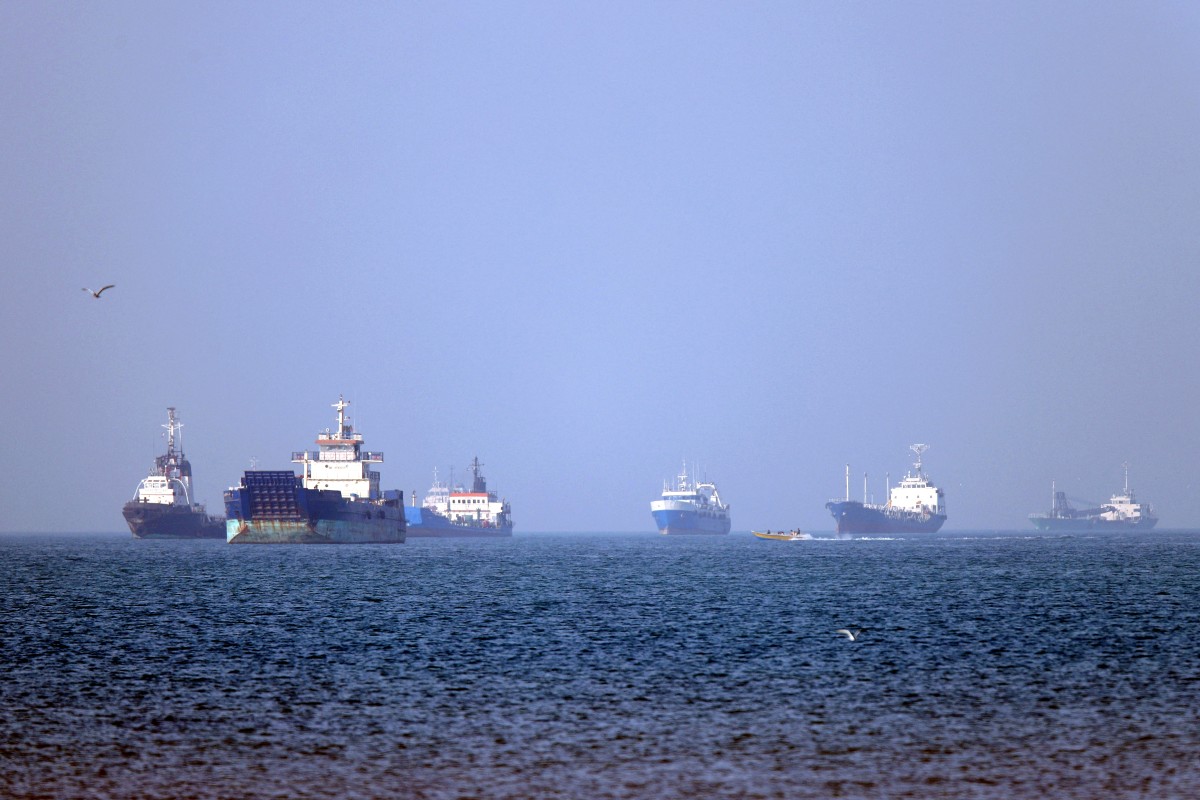
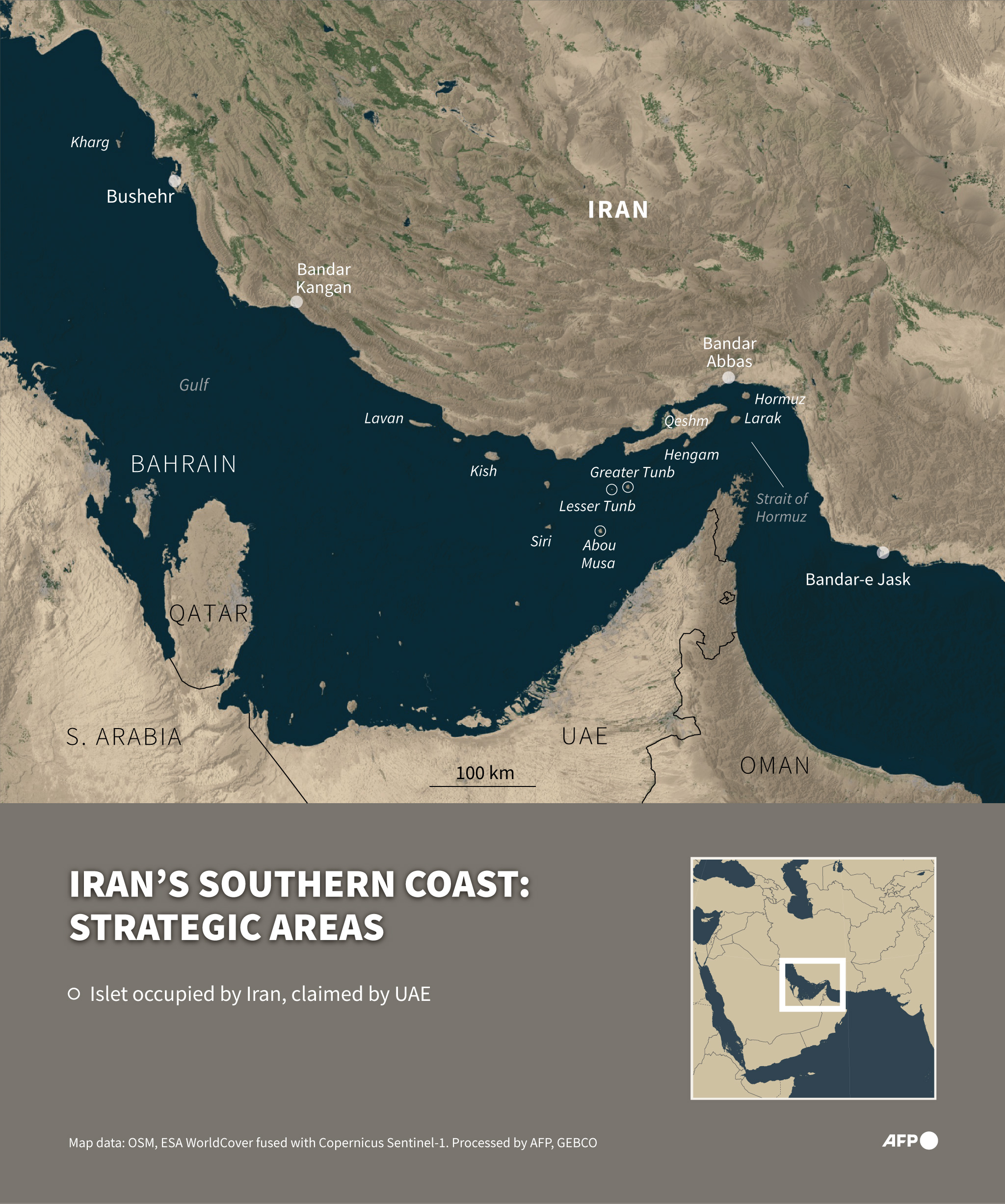
For more than 11 consecutive days, the Islamic Republic of Iran has been subjected every night to intensive U.S. strikes and raids targeting Revolutionary Guard positions, military infrastructure, and communication routes across several parts of the country. At the same time, the maritime blockade imposed by the U.S. military on Iranian ports is severely choking an economy that was already in an especially critical condition. To top it all off, the regime itself appears to be beset by deep internal divisions that threaten its very survival. Faced with such an increasingly entropic situation – one in which it has become mired as a direct result of its own expansionist and hegemonic policies, which recognized no limits – the authorities in Tehran are now seeking to “export” the conflict by extending it across the region, while carefully avoiding Israel. At the same time, they are attempting to exploit to the fullest a card they wield through methods characteristic of militias and organized crime: the threat of paralyzing international shipping lanes, thereby placing a substantial portion of the global economy at risk. This strategy of exporting its own crisis has translated into drone and missile attacks not only against the Gulf states, as has been the case since the conflict began in June 2025, but increasingly against Jordan, Iraq – where Iranian opposition groups have been targeted – and, most recently, Syria.

Aoun's Visit to Washington, a Cornerstone of the Government's Sovereignist Orientation

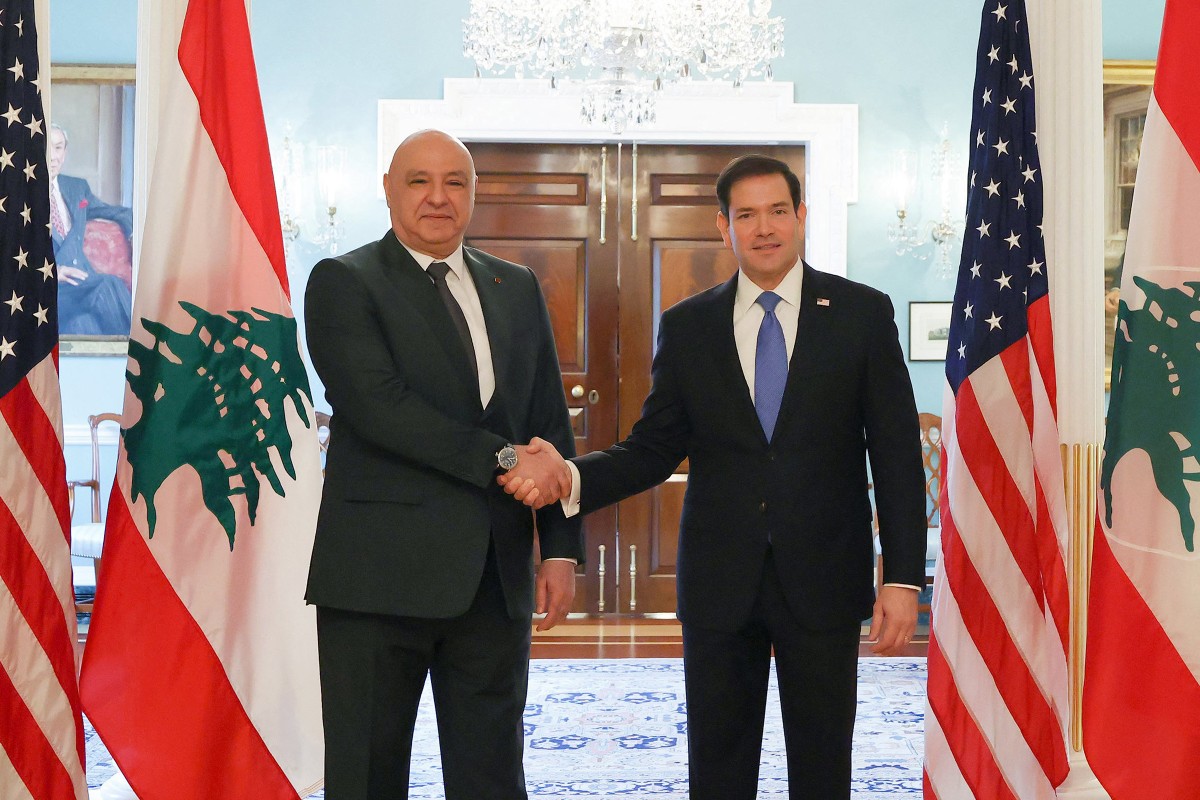
Lebanese President Joseph Aoun's official visit to Washington — and more specifically, his scheduled meeting at the White House with President Donald Trump this Tuesday, July 21 — could, or rather should, give a major boost to the clearly sovereigntist direction the Lebanese leadership has taken. This direction — echoing the March 14 movement's slogan of "Lebanon First" — has been most openly and unequivocally expressed since March 2, when Hezbollah unilaterally dragged the country (despite warnings from the government) into yet another futile war, solely to support the Iranian regime and ostensibly "avenge" the death of Supreme Leader Ali Khamenei, who was killed in the early hours of the American-Israeli strike on Iran on February 28.

The Conflict of All Contradictions
بقلم
Michel Touma
نُشر
Jul 11, 2026 - 23:46

The long and interminable conflict sparked by the Iranian mullah regime's endless transgressions will likely go down in history as a conflict defined by the verbal diarrhea that all parties engage in, throwing up a thick smokescreen that barely conceals their internal failures and, above all, a bewildering and pervasive incoherence. This incoherence manifests almost daily in actions that are completely at odds with the bellicose, deeply irrational statements made on all sides. Iran's leaders, for example, have chosen to pursue a lasting, strategic agreement with the United States. Yet at the same time, they continue to label the US an "enemy" and the "Great Satan" that must be brought down and "inevitably" avenged, sooner or later, no matter the circumstances — as stated on Saturday evening in a communiqué attributed to the new Supreme Leader, the elusive and mysterious Mojtaba Khamenei, about whom it remains unclear whether he is still alive, and if so, whether he is truly in full possession of his mental faculties, or whether, on the contrary, his virtual presence is being kept alive in people's minds by Tehran's new powerbrokers, who attribute decisions and positions to him as events unfold and the balance of power within what remains of the Islamic Republic continues to shift.

Macron, in Damascus, seals Syria's rehabilitation in the post-Assad era
بقلم
Michel Touma
نُشر
Jul 8, 2026 - 01:03

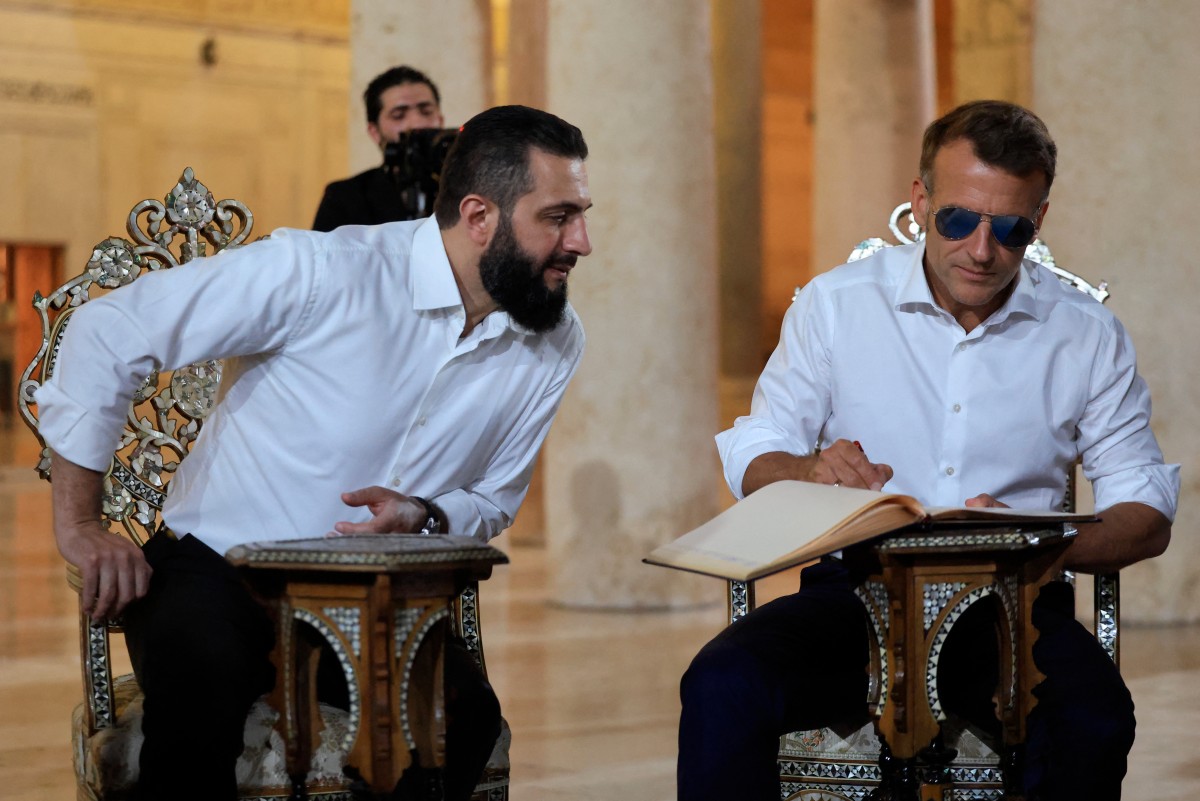
The visit that President Emmanuel Macron began on Monday evening in Damascus, accompanied by a large ministerial delegation and the heads of major French companies, took on particular significance in the current context — one that goes well beyond the conventional scope of routine official visits. However, it was overshadowed by a serious security incident… On the political front, Mr. Macron's talks with Syrian President Ahmed al-Sharaa marked Syria's return to the international community in the post-Assad era. A comeback that is both political and economic in nature. The two heads of state announced the restoration of diplomatic relations between the two countries, which had been severed following the massacres carried out by the Baathist regime against its own population during the civil war that erupted in 2011.

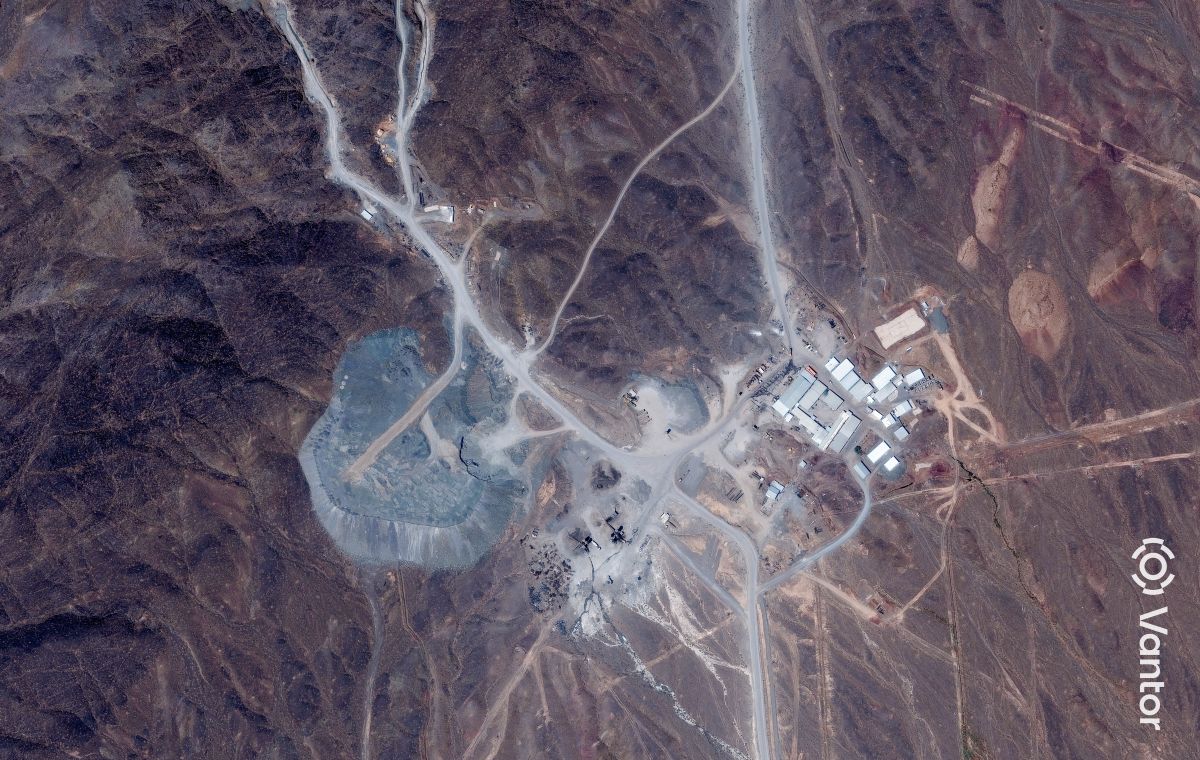
Iran: Major Revelations on Nuclear Program and the Impact of the Naval Blockade (1/2)

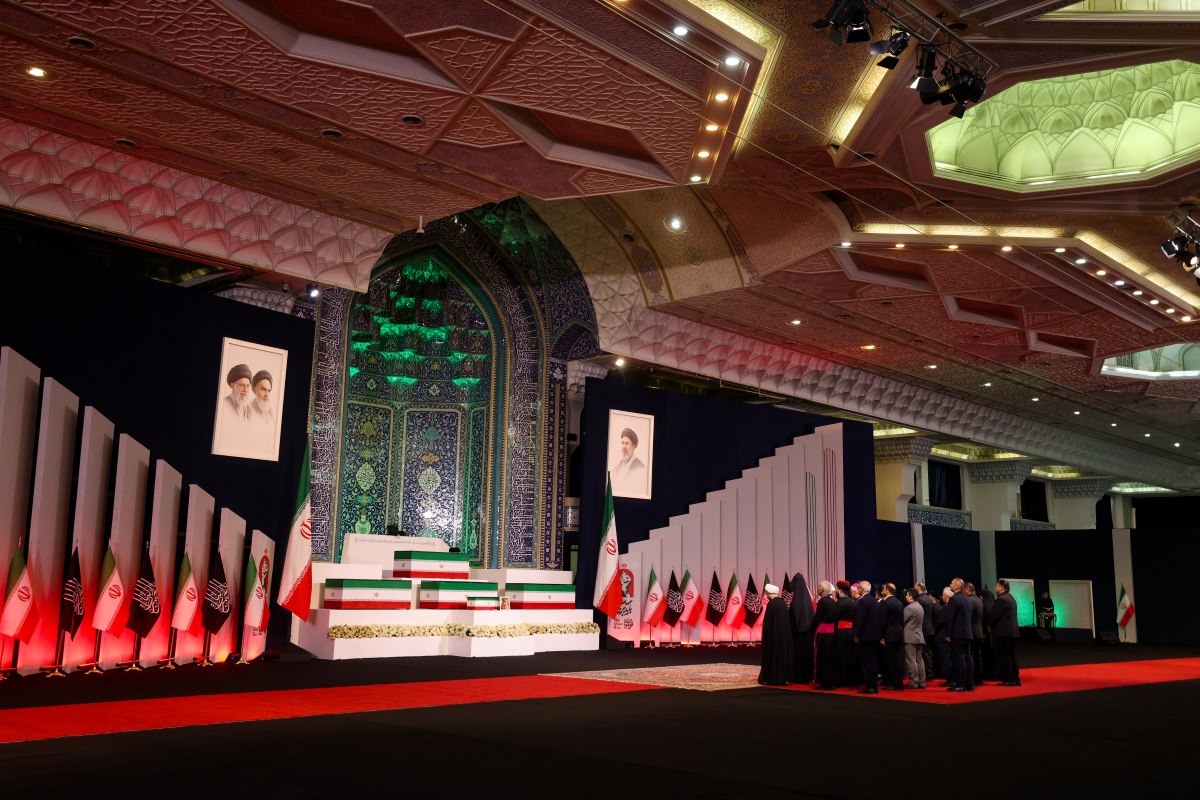
Lebanon and the region are virtually on "pause." President Donald Trump indicated at the start of the weekend that he had granted Iran a one-week reprieve as a goodwill gesture during the funeral of former Supreme Leader of the Republic Ali Khamenei, who was killed in the massive American-Israeli bombardment that triggered the war launched against the Iranian regime on February 28. The pause will end on July 11, the date announced on Saturday for the resumption of talks between Washington and Tehran, which will take place in Islamabad. On the agenda: sanctions, frozen Iranian assets, and the nuclear file.

The Mullahs' Regime Is Gradually Losing its Cards
بقلم
Michel Touma
نُشر
Jul 3, 2026 - 23:53

On the surface, the situation in Lebanon — and, to a lesser extent, across the region — appears to be on "pause"… However, appearances can be deceiving, because in practice the pieces of the puzzle are gradually and quietly being put into place by players who are clearly in control of the game. To grasp the true scope of the game currently being played out in the Levant and well beyond, one need only draw connections between the maneuvers and actions — or "moves," as English speakers would say — of the decision-makers working to reshape the region's new geopolitical landscape. If one were to identify a broad guiding thread running through current developments, it would be the increasingly pronounced isolation of the Iranian regime on the international stage.

/