

Iran: A Civil War, Like in Syria, Remains Likely


Do not count your chickens before they are hatched. The Tehran regime has not fallen; and even if it has been weakened, it is not on the verge of collapse. While the demonstrations and riots that have erupted in Iran’s cities—led by academics, women, bazaar merchants, and other segments of society—are noteworthy, one may well ask whether they have surpassed in scale those that toppled the Shah in 1979.
Yet these convulsions and protests could suddenly reach an unforeseen level of gravity, and it would not be illusory to bet on their success, as the German chancellor has openly suggested.
Even in the event of an Israeli or American strike!
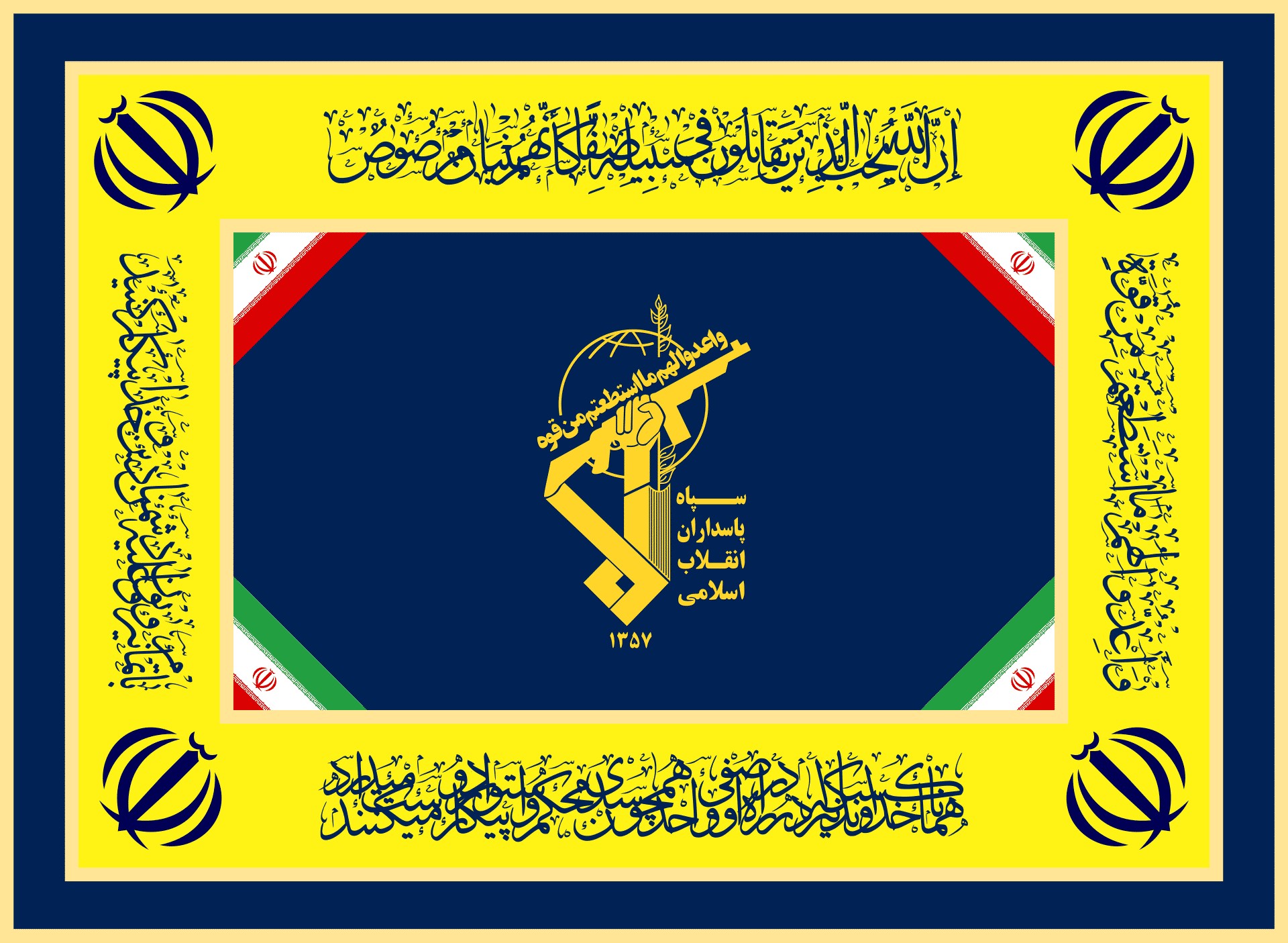
Still, we are unlikely to witness any time soon the rout of Iran’s politico-clerical elite, nor that of its mamluks—the Pasdaran and the Basij*. These are not people who will take flight in the face of unarmed protesters. Moreover, Ayatollah Khamenei, even weakened by illness, is not Prime Minister Mohammad Mossadegh, who was easily overthrown in 1953 by a coup engineered by the American CIA and the British MI6 to restore Mohammad Reza Pahlavi. Short of the regime turning against itself, the country’s future will be decided on the barricades.
The regime’s heavyweights will not relinquish their hold, and the Revolutionary Guards have only one desire: to settle scores with the internal enemy. All these actors have far too much to lose from a change in power. And having been deeply implicated in corruption and repression, where could the barons and pillars of the state seek refuge? In China or the Russian Federation—Venezuela being presumably off-limits to them?
That said, under external pressure the ruling class may jettison some ballast. It could even curtail the authority of the Supreme Leader, or make concessions on the nuclear issue, but it will not relinquish power. Let us be clear: a hostile cyberattack, or even an American bombing campaign without boots on the ground, is not capable of toppling the reviled regime. Once again, it will be up to the people who have taken to the streets to wrest victory by force.
An initially asymmetric civil war, as was the case in Syria, therefore remains likely. In such a scenario, Russian and/or Chinese intervention should not be ruled out, if only to counterbalance Israeli and American interference.
And Lebanon, then?
That said, we are not out of the woods: if blood is to be spilled in the provinces of the Islamic Republic, one should expect a conflagration in Lebanon. For should it find itself threatened at its very core, the regime of the mullahs would not hesitate to set the entire Middle East ablaze.
Yes, a suicidal decision cannot be excluded on the part of those who have been sliding downhill for less than two years and are living in a staggering state of denial.
Hence the call to stay alert and vigilant.
* If their current strength reaches 200,000 soldiers, one must not lose sight of the fact that “at least 2 million Pasdaran, and as many Basij members, have undergone the harrowing experience of the front. This brotherhood of arms explains the subsequent influence of their networks of demobilized veterans’ solidarity throughout the social body.” Jean-Paul Burdy, “Iran: A Militarization of the Regime by the Revolutionary Guards,” Middle East Magazine, January 10, 2024.
In Search of Lebanon, from Beirut to the Vatican
UN: Paris Wants to Replace UNIFIL With a 'Different Type' of Presence
The Abolition of the Death Penalty: Ibrahim Najjar and Élie Keyrouz’s Long Fight
The Testament of Hassan Rifai
A ceasefire... yes, but what happens next?
Plus de Youssef Mouawad
Voir tout


À lire aussi dans Politics
Voir tout



Mexico: after the Elimination of El Mencho, the Calm Before the Storm?
«Remaining»: Rekindle the Memory of the Victims of Political Assassinations Since 2005
Revolutionary Guards, Supreme Organ of Repression
Tropic Thunder: Understanding US Interventionism in the Caribbean

Tropic Thunder: Understanding US Interventionism in the Caribbean
Les derniers articles de Levant Time
Voir tout


