شعار Levant Time
Youssef Mouawad

Youssef Mouawad

Who, then, claimed the annexed Golan?
بقلم
Youssef Mouawad
نُشر
Oct 11, 2026 - 12:53

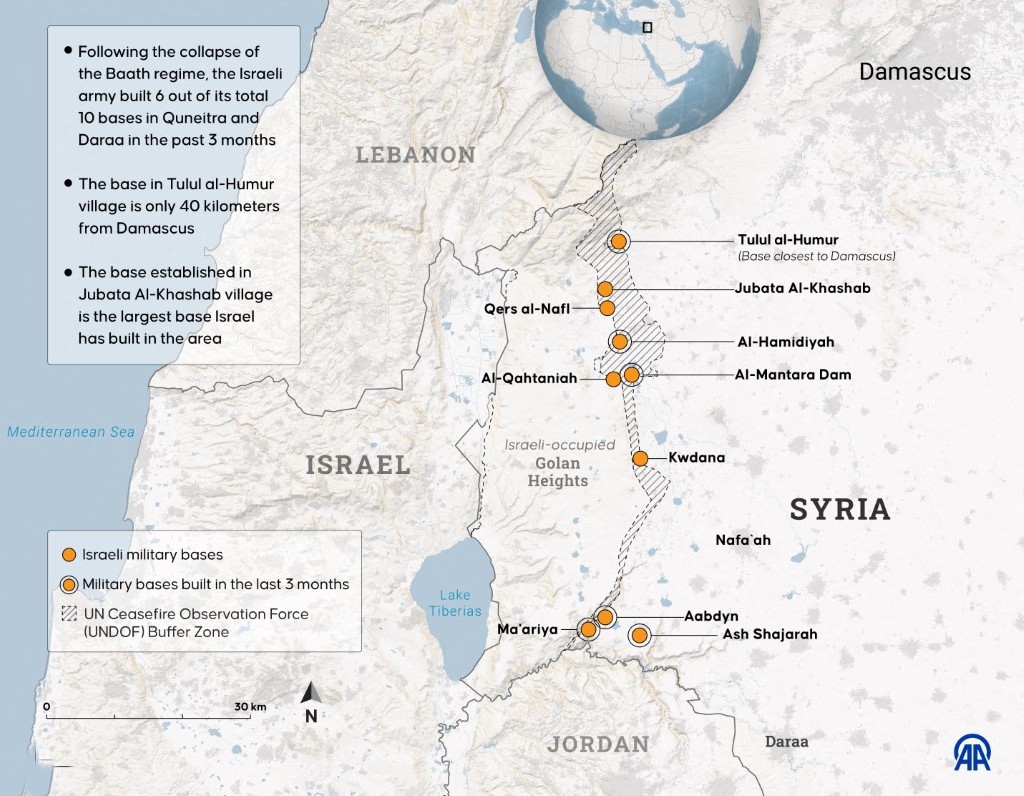
In the current Syrian context, a fundamental question arises with particular urgency: who called for the return of the Golan? Who else could it be but Syrian President Ahmed al-Charaa? But why on earth did the Syrian president reopen the Golan “cold case” when he had so many other priorities to deal with? In his view as a former jihadist, appealing to world opinion at the UN General Assembly meeting on September 23 was not merely a reminder of the Israeli-Syrian dispute dating back to June 1967. So what got into him, when in an interview the previous day he had stressed that direct Israeli-Syrian negotiations had taken place under U.S. auspices and that the two sides had reached 90% of a security agreement? (1)
But Who Are These Houthis Threatening Freedom of Navigation?
بقلم
Youssef Mouawad
نُشر
Oct 3, 2026 - 13:31

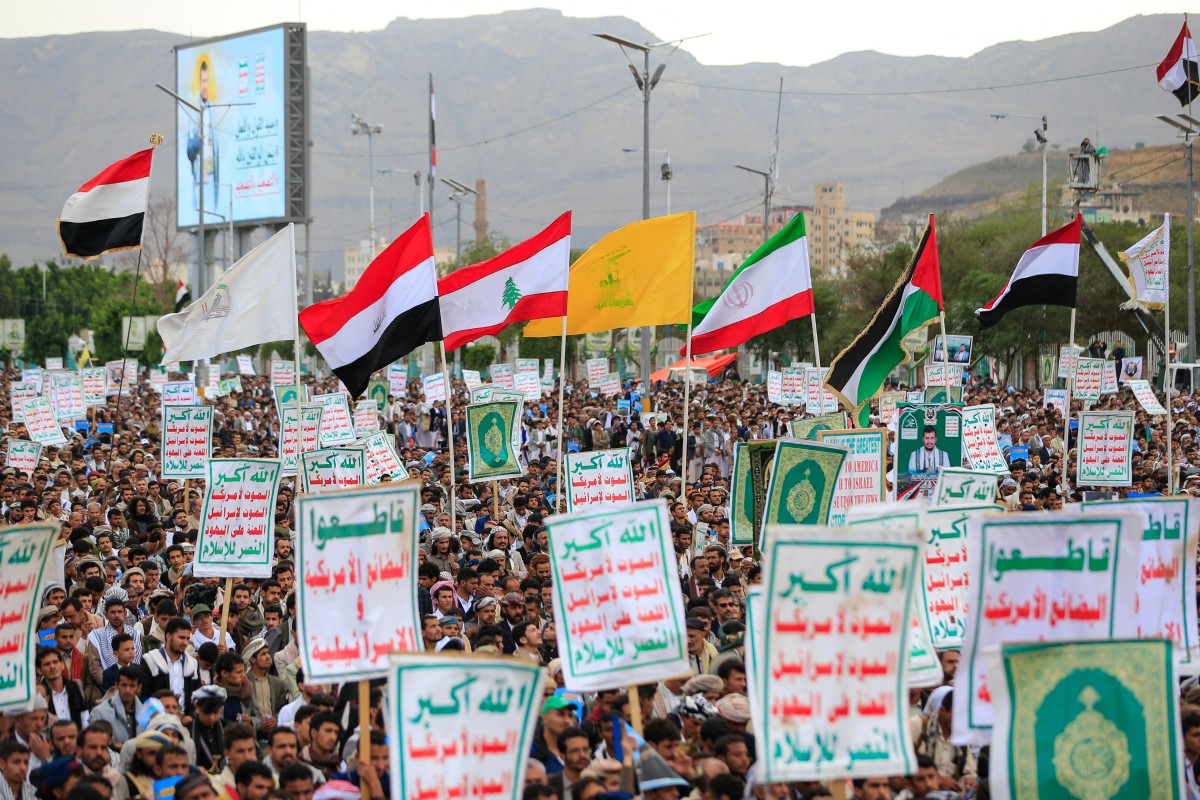
But “who are these Zulus, who are these remarkable people who inflict defeats on our generals , who convert our bishops ...?” This exclamation by Disraeli, the British Prime Minister, could be echoed by the European nations that, with winter approaching, fear the closure of Bab el-Mandeb! Let us recall that in January 1879 , when the British Empire under Victoria had achieved global supremacy, its troops were being massacred in South Africa by primitive tribes. European imperialism took a blow, the British cabinet could not get over it, and Western nations could quietly laugh at the misadventure that tarnished the luster of Her Gracious Majesty!

Who Can Get the Saudis Out of Trouble: Turkey, Pakistan or Israel?
بقلم
Youssef Mouawad
نُشر
Sep 26, 2026 - 15:26

“Anything can happen with me,” President Donald Trump proclaims. And who would deny it? But the real question is what the United States would gain from such an erratic foreign policy. Let us pay close attention to the daily newspaper Le Monde , which took note of this with the headline: “China can only welcome Donald Trump’s United States losing credibility with Washington’s traditional allies.” Indeed, while the U.S. president is floundering in the Persian Gulf, he is—believe it or not—disengaging from the Red Sea. He did not come to Mohammed bin Salman’s aid, even though the latter was urgently requesting his support as, between September 9 and 11, Yemeni loyalist forces—backed by Riyadh, though apparently not sufficiently—were routed.

What Game Are the United States Playing? What Is the Use of the Mecca Alliance?
بقلم
Youssef Mouawad
نُشر
Sep 19, 2026 - 01:12

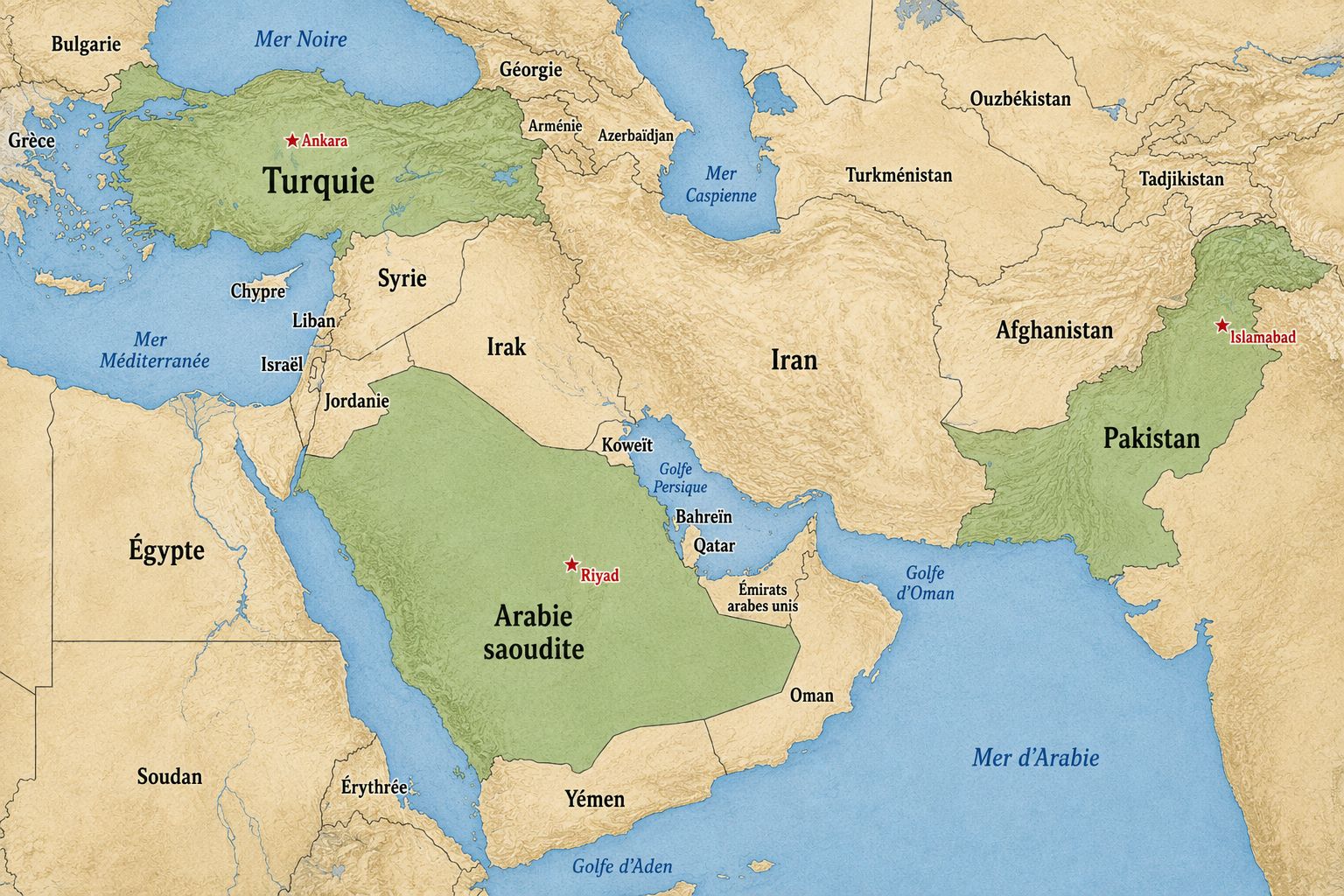
As the fighting continued in Hormuz, two military axes emerged in plain view of Washington, embodying two geostrategic approaches destined to compete with each other. What is more, this was happening across an area stretching from the Arabian Sea to the eastern Mediterranean—a region still regarded as the United States’ backyard, if not its exclusive preserve. Indeed, the missile and drone defense agreement concluded between Israel and Greece on September 2 appears to be a replica of the joint defense alliance signed in Mecca on August 7 by Turkey, Saudi Arabia, and Pakistan. Thus, in theory at least, we now have “two security poles facing each other without forming two entirely separate blocs.”

Lebanon-Syria, or the Communicating Vessels!
بقلم
Youssef Mouawad
نُشر
Sep 12, 2026 - 23:40

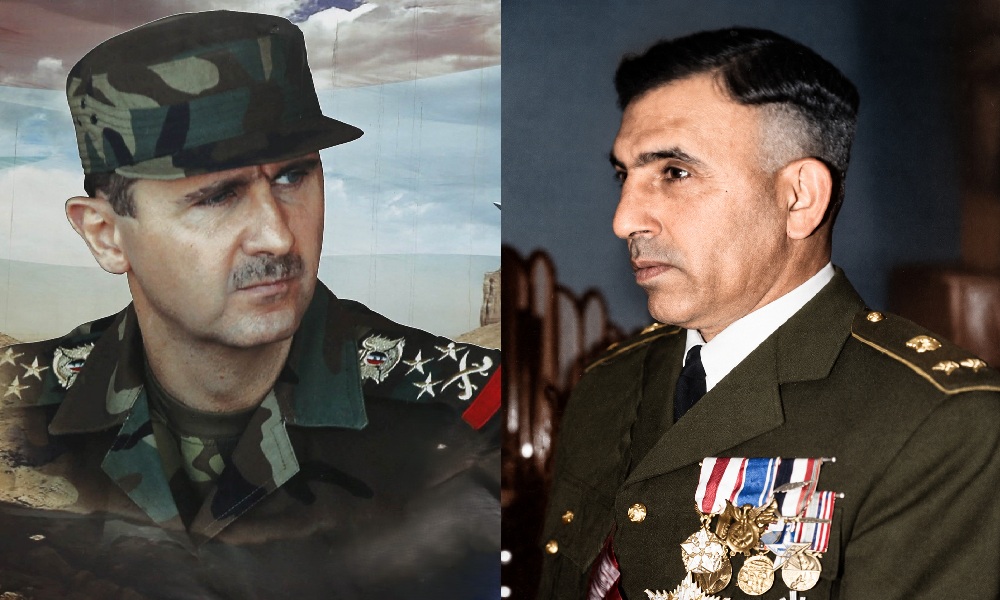
Would we dare draw a parallel between the respective careers of two deposed dictators, namely Adib Chichakli and Bashar al-Assad? Both ruled Syria with an iron fist (1), only to beat a miserable retreat, abandoning their followers to the wrath of the people. The first slipped away in February 1954; the second was spirited out, without fanfare or fuss, in December 2024. The same pattern, seventy years apart! But the comparison does not end there. Both dictators, after all, tried to regain a foothold in Syria from a Lebanese base. In denial, neither could bring himself to doubt his popularity among a people he had brutally repressed, nor the enthusiasm Syrians would supposedly display should he ever return to power.

Portents of an Israeli-Turkish Clash in Syria
بقلم
Youssef Mouawad
نُشر
Sep 5, 2026 - 13:25

The war has not yet ceased in our south, and already it threatens to break out among our neighbors. In other words, we live on borrowed time, lurching from one conflict to the next. And for good reason! The bombing of a Syrian base very nearly escalated into an all-out clash between Ankara and Tel Aviv. That was on August 18, and Benjamin Netanyahu didn't mince his words: his country would not tolerate a Turkish military foothold that could spread into southern Syria. The warning was all the more forceful given that eight strikes had targeted the Abu al-Dhuhur air base, just 70 kilometers from the Turkish border.

Holla, the Janissaries Are at Our Gates!
بقلم
Youssef Mouawad
نُشر
Aug 29, 2026 - 01:29

Neo-Ottoman Ankara is making its move in the Bilad ash-Sham! And neither the Israeli bombardment of Abu al-Duhur air base on August 18th, nor the strikes on the outskirts of Damascus ten days later, let alone Tel Aviv's barely veiled threats, are doing anything to halt Turkey's southward advance along the "Syrian Sea" (1). Tom Barrack, the U.S. ambassador to Turkey and special envoy to Damascus, will have his work cut out for him now that a strategic rivalry is taking shape between Turkey and Israel, with Syria—and soon Lebanon—as the primary arena of competition, and potentially confrontation.

"No Longer Willing to Endure": The Slogan of Political Sunnism!
بقلم
Youssef Mouawad
نُشر
Aug 22, 2026 - 13:26

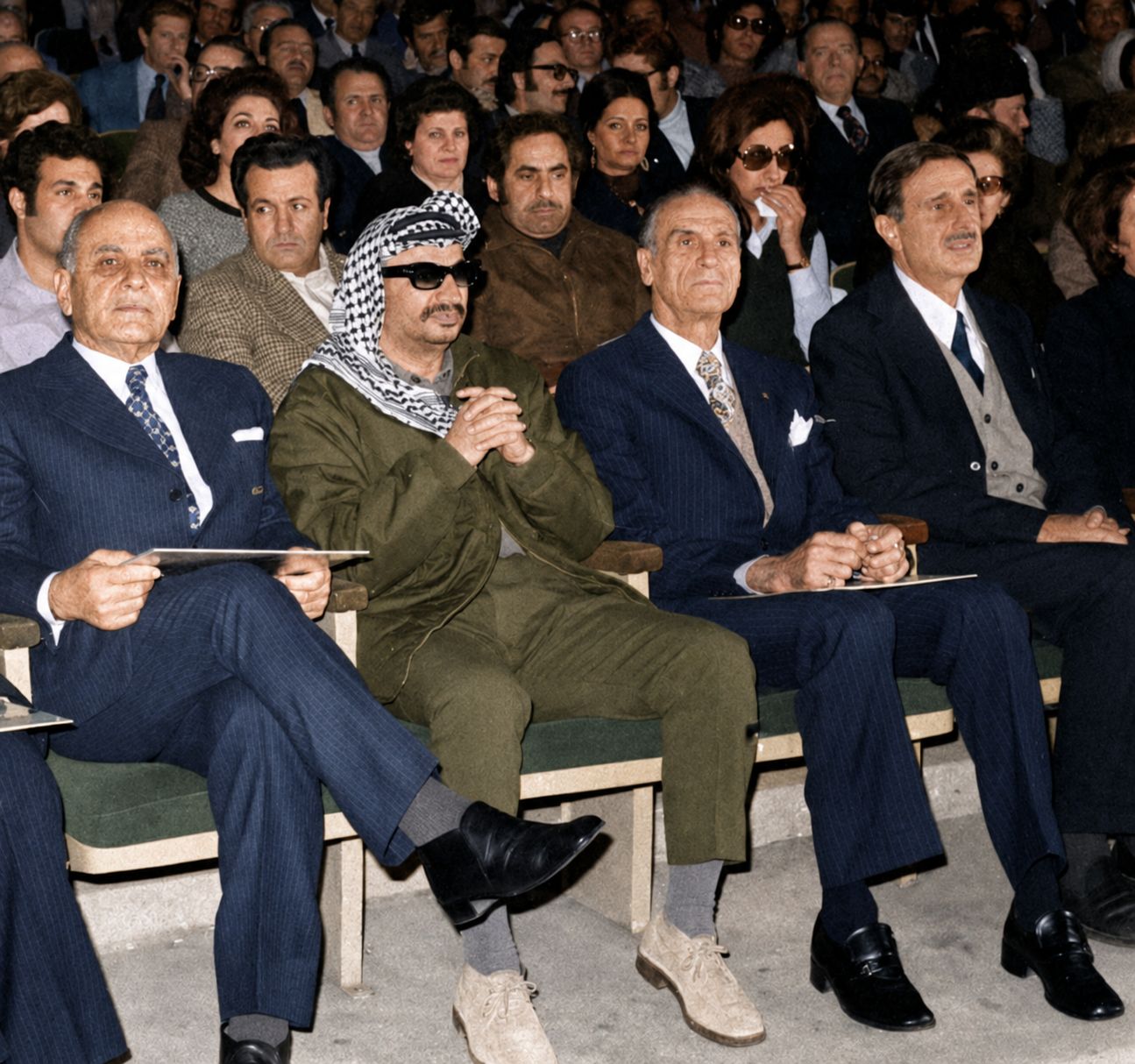
The Sunnis had found themselves quite alone when Yasser Arafat's PLO boarded French ships, with all their arms and equipment, bound for Tunisia. It was August 30, 1982; Bachir Gemayel had been elected President of the Republic, and the Israeli army was about to move into West Beirut. With the departure of Abu Ammar and his contingents, who had fueled Lebanon's civil and sectarian war, a chapter had come to a close. Taking stock of the situation, President Takieddine al-Solh, a shrewd statesman and keen observer, expressed himself with bitterness in these words: "The Muslims sacrificed so much that they perished in the process" (1).

The War of the Two Narratives, or “The Sunni Hour Has Struck”
بقلم
Youssef Mouawad
نُشر
Aug 15, 2026 - 13:41

"Enough is enough!" cried three countries that had come together in Mecca on August 7th. Turkey, Pakistan, and Saudi Arabia — three complementary powers — have just formed a Sunni NATO, one that other states seeking military protection or a diplomatic umbrella would inevitably join. The announcement of this pact naturally came like a thunderclap. And simply following the Saudi press over recent days, one can detect a clear shift in tone toward the mullahs in Tehran. Gone are the days when Riyadh, the Saudi capital, swallowed its pride, stoically absorbed Iranian provocations, and opted for peaceful resolution of conflicts with its aggressors.

If It Is Not Syria, Then It Is Turkey, and Vice Versa!
بقلم
Youssef Mouawad
نُشر
Aug 8, 2026 - 14:31

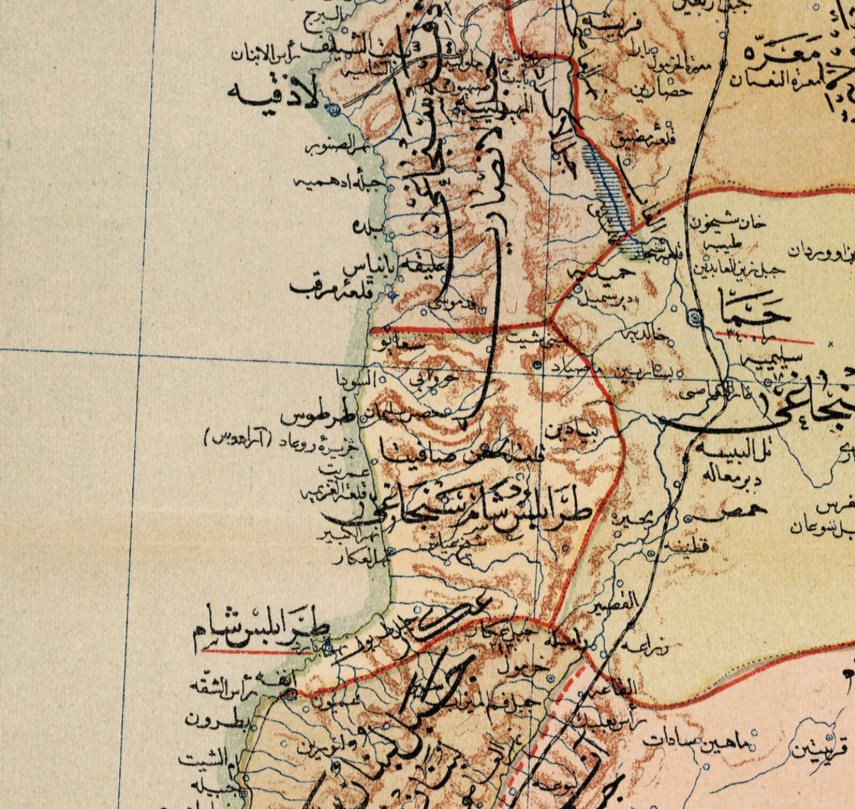
After being endorsed in Washington, General Joseph Aoun was then officially welcomed in Ankara at the end of July — a capital that received him with all the honors befitting his rank. The red carpet, the presidential guard presenting arms with fixed bayonets, süngü tak , and cannon salutes were no small thing in the eyes of the career military man that the Lebanese president is. Obviously, he would not be the one to pick a fight with a Turkish trade delegation, as President Elias Hraoui had done at the very start of his term. A complete map of the sanjaks of the vilayets of Beirut and Syria in 1909. The vilayet of Beirut encompassed the sanjaks of Nablus, Acre, "Bilad al Bechara" (present-day South Lebanon or Jabal Amil), the city of Beirut, and the sanjaks of Tarablus ash-Sham and Latakia. The term Tarablus ash-Sham was used to avoid confusion with another Ottoman city: Tarablus el-Gharb, the city of Tripoli in Libya, which retained its name. (Wikimedia Commons)

/