

Who Can Get the Saudis Out of Trouble: Turkey, Pakistan or Israel?

“Anything can happen with me,” President Donald Trump proclaims. And who would deny it? But the real question is what the United States would gain from such an erratic foreign policy.
Let us pay close attention to the daily newspaper Le Monde, which took note of this with the headline: “China can only welcome Donald Trump’s United States losing credibility with Washington’s traditional allies.” Indeed, while the U.S. president is floundering in the Persian Gulf, he is—believe it or not—disengaging from the Red Sea.
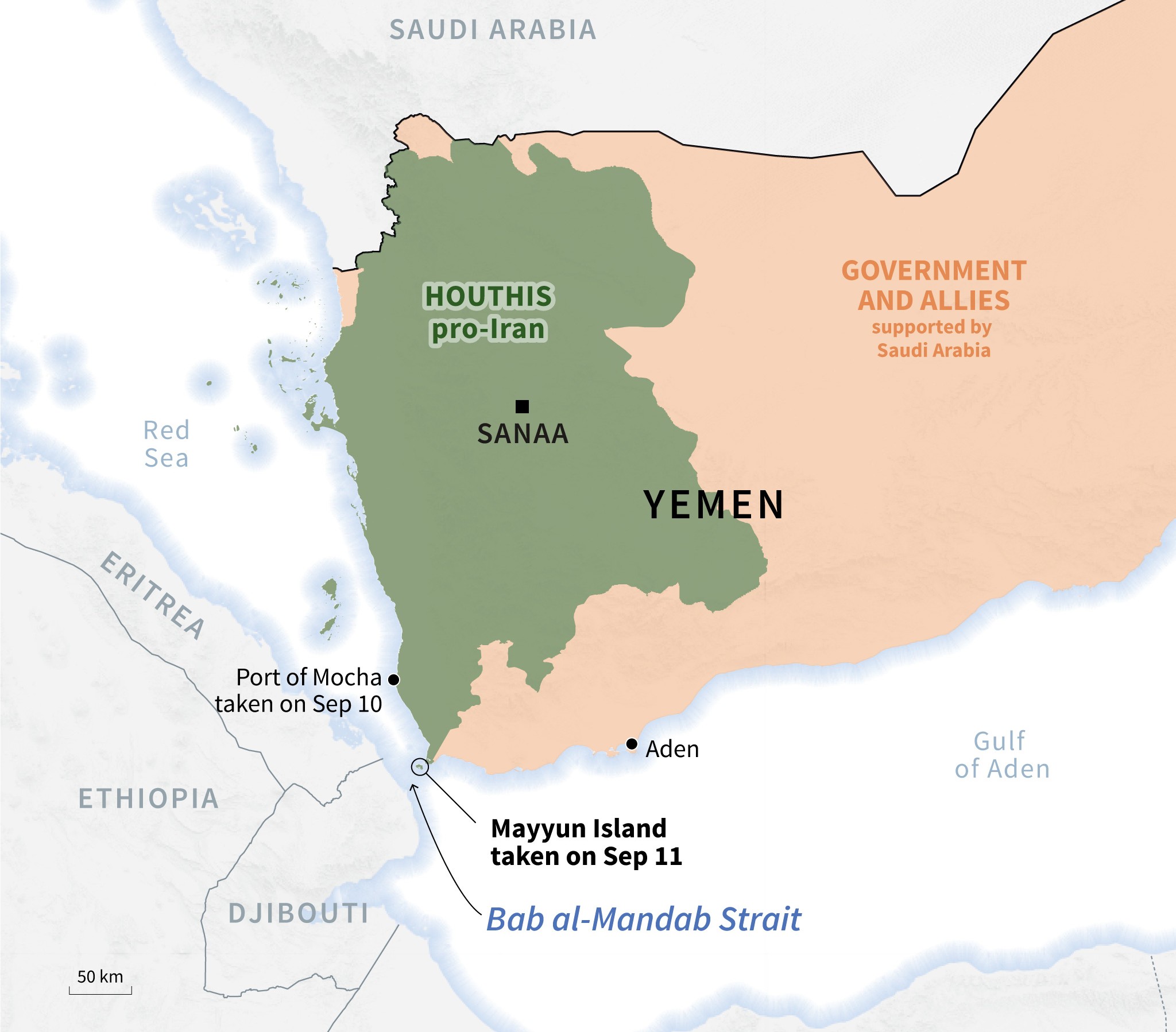
He did not come to Mohammed bin Salman’s aid, even though the latter was urgently requesting his support as, between September 9 and 11, Yemeni loyalist forces—backed by Riyadh, though apparently not sufficiently—were routed.
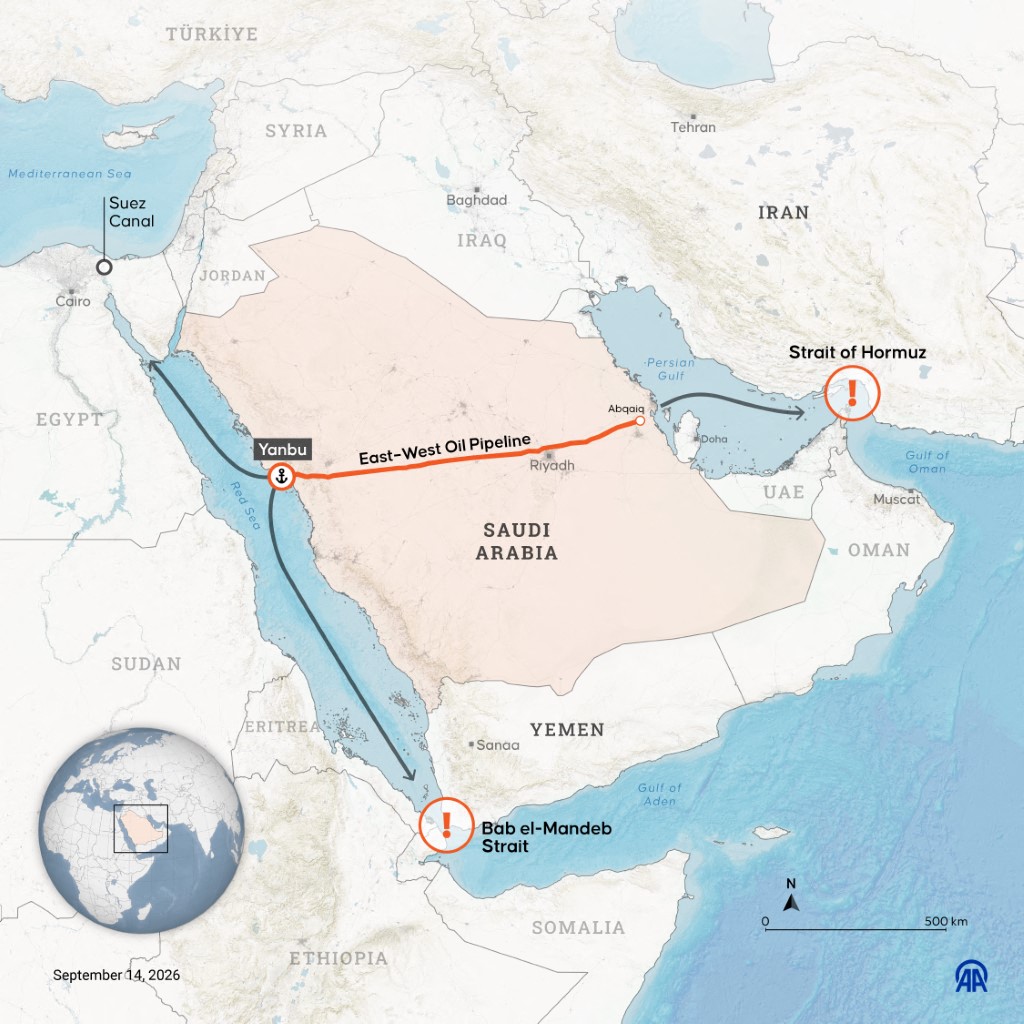
Without a second thought, the United States left Saudi Arabia, its steadfast ally, to fend for itself. Caught between the Strait of Hormuz and the Gulf of Aden, the kingdom will have to extricate itself on its own, while the Americans, keeping to themselves, merely provide it with “intelligence, targeting data, and non-kinetic military support.”
The White House and Ansar Allah
The victorious Ansar Allah offensive by these Houthi rebels gives them control of the strategic Bab el-Mandeb Strait and raises legitimate concerns over international maritime shipping. Their bombardment of the Saudi capital and oil terminals, meanwhile, will spread fear and disruption across global hydrocarbon markets.
So while the “Middle Kingdom” will seize the opportunity, as Le Monde states above, one should not think that the United States has gained nothing from it. Far from it: it has just hastily concluded a contract with the Saudis to supply 48 F-35A fighter jets.
The deal is worth $24.3 billion. Washington therefore remains Riyadh’s strategic ally, even if it now refuses to turn that alliance into a joint commitment in every conflict with the Houthis.
After all, Americans have nothing to fear from the triumphant Ansar Allah militia, which, according to Reuters, reportedly guaranteed the free passage of U.S. ships and compliance with the 2025 ceasefire. Should we assume they only have scores to settle with Riyadh?
That is hard to believe when one knows that Iranian experts traveled to Bab el-Mandeb to install radar there and dig tunnels into the hills overlooking the site.
But what can you do? Washington is reluctant to “enter the furnace” as long as the countries of the Mecca Pact seek to free themselves from its tutelage. Another Donald Trump about-face, now that he has initiated a new U.S. policy. It would involve safeguarding the balance among nations, while leaving regional powers more responsibility for ensuring their own security and bearing the military costs of their own rivalries.
However, by shifting its policy in this way, does Washington realize that, little by little, it is pushing Riyadh into Tel Aviv’s arms?
The “hands-off approach,” or U.S. non-intervention policy
At the General Assembly being held this week in New York, heroic speeches have been delivered, broad policies laid out, discussions between belligerents have indeed taken place, and alliances have been formed among allied nations, but in reality things are more prosaic.
Trump said no to MBS on September 10: he was not going to deploy the U.S. Air Force. Then, after changing his mind, he reportedly instructed the Pentagon on Thursday, September 17, to prepare strikes. But on Sunday the 20th, after the target lists had been approved and bombs were being loaded onto aircraft, he ultimately reversed himself, according to the New York Times, and reversed its decision.
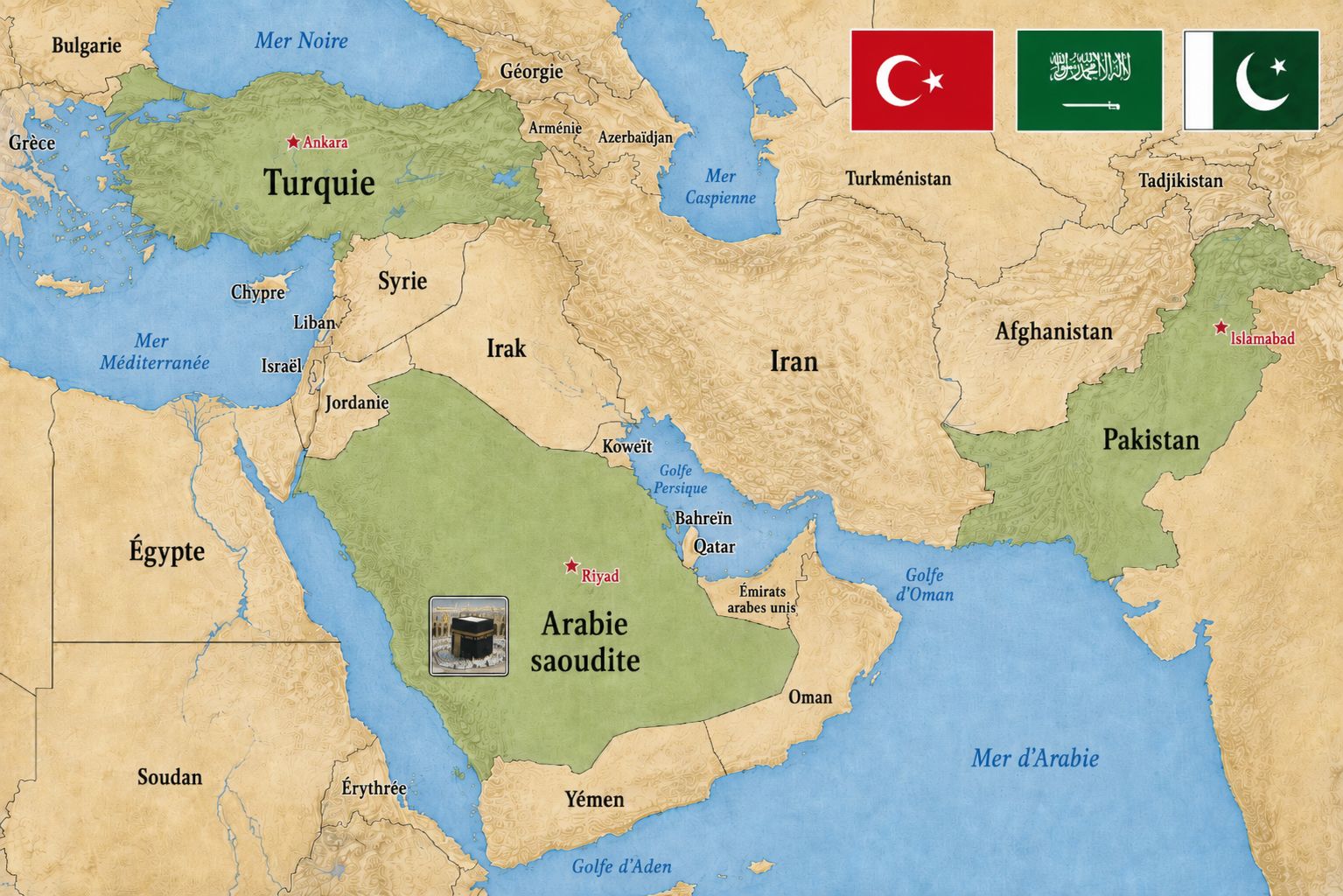
How is bin Salman supposed to make sense of all this? Moreover, can he count on his partners in the Mecca Pact—namely Turkey and Pakistan? Erdoğan does not appear willing to budge: direct Turkish intervention in Yemen could trigger a regional confrontation with Iran. As for Pakistan, it issued a statement declaring that it stood “diplomatically and physically” alongside Saudi Arabia and that its support would go to the utmost limit.
That is not much!
Israel: Irremediable and Unavoidable
Saudi Arabia feels abandoned by its allies, who will remain on the sidelines as long as the United States has not decided to get involved. But Washington could very well outsource missile and drone defense to Israel, which would benefit handsomely from it. This could revive the Abraham Accords, which have been at a standstill for some time. Paradoxically, the Houthi issue could prove to be “the security laboratory for an Israeli-Saudi rapprochement even before its diplomatic formalization.”
Trump did say that anything can happen with him!