



Even under heavy bombardment, even upon being chased by Syrian revenge or international justice, Hezbollah’s zealots will never dissolve into the national melting pot. They will not behave like the partisans of the Amal Movement, who are so typically Lebanese in their flaws, their rhetoric, their compromises and convenient settlements. And there is indeed some reason for that, as our contemporary history offers a precedent that still raises doubts. No one has forgotten what happened to the Lebanese Forces upon accepting the Taif Agreement and laying down their arms. They paid the heavy price: their leader was imprisoned, and their cadres were persecuted and even liquidated.
Their convictions however remained intact, and their numbers did not significantly shrink. Their resilience was praised and attributed to their ideological indoctrination—an indoctrination that did not prevent them from reintegrating into secular civil life.
This raises a legitimate question: can the doctrine of wilayat al-faqih and its sacred dimension truly fit within a state governed by the rule of law, a state that is supposed to be grounded in the principles of individual freedoms and secularism?
Naivety and Blindness
Meanwhile, well-meaning voices keep repeating: “Hand over your weapons, return to the State’s fold, you will have the place that is rightfully yours.” But Hezbollah, long before becoming a militia the size of an army, emerged from a centuries-old religious-political movement. To turn it into a party like any other would be to deny its essence. And besides, Hezbollah has no intention of dissolving itself.
Even if it agreed to disarm and disband, the Iranian-backed party is not ready to give up Lebanon, their capture and trophy. The Iranian establishment has infiltrated our administration to the point that its parallel networks hold real decision-making power—not just the ability to block decisions. The deep state that Hezbollah has taken over functions as “an invisible power, undetectable within the legal institutions of the Republic, yet influencing major political decisions and social dynamics.”
American envoys who take turns watching over Lebanon keep repeating this warning, while the formal executive authority rejects the obvious and prefers the comfort of denial.
The German Example of Denazification
After World War II, the Western Allies undertook to eradicate Nazism in the occupied zones. They conducted investigations focusing on the education sector, as well as on the legal, financial, and media professions. The process was democratic but yielded limited results. On the Soviet side, however, the approach was very different and more successful: large-scale purges, summary executions, and one-way tickets to the gulag.
How to “De-Hezbollize” the Public Sector?
Back to Lebanon, a nation stuck in a dead end. Our country cannot reform while tolerating the current reality. What would be the point in keeping officials loyal to a foreign power and linked to Tehran’s apparatus?
To pull Lebanon out of its crisis, much more is needed than disarming and disbanding a militia. Yes, indeed, far more is required than simply demilitarizing the party of the ayatollahs.
In Search of Lebanon, from Beirut to the Vatican
UN: Paris Wants to Replace UNIFIL With a 'Different Type' of Presence
The Abolition of the Death Penalty: Ibrahim Najjar and Élie Keyrouz’s Long Fight
The Testament of Hassan Rifai
A ceasefire... yes, but what happens next?
More from Youssef Mouawad
View All


More in Politics
View All


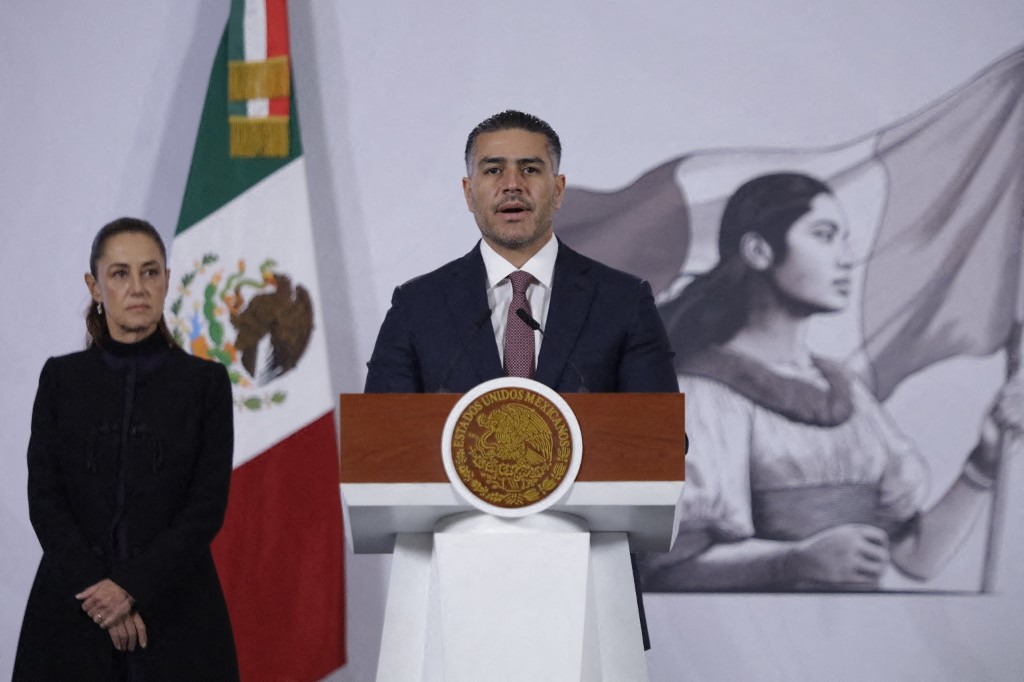

Mexico: after the Elimination of El Mencho, the Calm Before the Storm?

«Remaining»: Rekindle the Memory of the Victims of Political Assassinations Since 2005
Revolutionary Guards, Supreme Organ of Repression
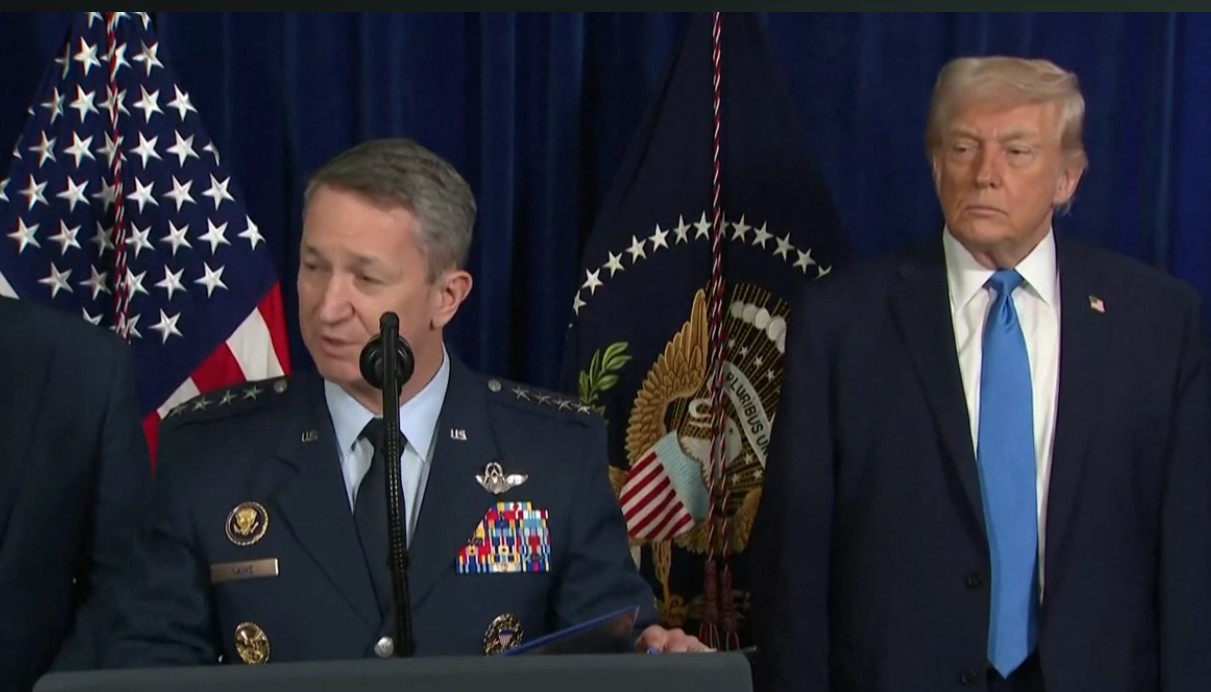
Tropic Thunder: Understanding US Interventionism in the Caribbean

Tropic Thunder: Understanding US Interventionism in the Caribbean
Latest from Levant Time
View All


