

The Yemeni Theater Reveals a Rise in Tensions Between Gulf Allies


Devastated by nearly a decade of civil war opposing the internationally recognized government to Iranian-backed Houthi rebels, Yemen is now facing a new fault line. A confrontation with southern separatists has upset the balance of the conflict and pitted two long-standing regional allies against each other: Saudi Arabia and the United Arab Emirates.

Tensions escalated in early December when the Southern Transitional Council (STC), a separatist movement supported by the United Arab Emirates but officially a member of the anti-Houthi coalition, seized vast territories in eastern Yemen, gaining control of the Hadramout province and a large part of the neighboring Mahra province.
On Tuesday, Saudi Arabia carried out an airstrike targeting the port of Mukalla in the east of the country. Riyadh publicly accused Abu Dhabi of adopting "extremely dangerous" behavior by supporting the separatists, stating that its national security constituted "a red line." Emirati forces subsequently withdrew from Yemen following a Saudi ultimatum.
The STC aims to re-establish an independent state in southern Yemen, a region that formed the People's Democratic Republic of Yemen between 1967 and 1990, before its unification with the North.
Hadramout, the country's largest province, covering nearly a third of the national territory, concentrates most of Yemen's oil fields, a key resource for public finances.
The STC's advance allowed the movement to reach the Saudi border, in a region of historical and symbolic importance, from which several influential Saudi families originate. The Bin Ladens, Bakhachab, Al-Jafali, Al-Amoudi, and Al-Zamel all have "Hadrami" origins and own eponymous companies that play a major role in the Saudi economy.

Damaged military vehicles, reportedly sent by the United Arab Emirates to support the separatist forces of the Southern Transitional Council (STC), following an airstrike carried out by the Saudi-led coalition in the port of Mukalla, southern Yemen, on December 30, 2025. (AFP Photo)
While Riyadh states it prefers a stable and non-hostile Yemen on its southern border, Abu Dhabi's actions are part of a broader regional strategy. The United Arab Emirates seeks to strengthen its influence in the Red Sea and the Horn of Africa, relying on a network of allies in southern Yemen.
Furthermore, for the past decade, Abu Dhabi has pursued an active foreign policy in the Middle East and Africa, particularly to counter movements linked to the Muslim Brotherhood, which are considered by Emirati authorities to be a threat to regional stability.
The United Arab Emirates has notably become Egypt's main financial backer since the overthrow of Islamist President Mohamed Morsi in 2013. In Sudan, their support for the Rapid Support Forces (RSF), engaged in a war against the regular army, is an open secret. In Libya, Abu Dhabi supports Marshal Khalifa Haftar, who opposes the internationally recognized Government of National Accord.
In 2020, the United Arab Emirates normalized its relations with Israel as part of the Abraham Accords, an initiative that Saudi Arabia refuses to join as long as there are no prospects for the creation of a Palestinian state. This normalization is part of a strategic convergence in the face of common adversaries, notably Iran and certain Islamist groups.
Abu Dhabi has also strengthened its economic and security ties with Somaliland, a self-proclaimed independent territory of Somalia. The Dubai Ports World group has invested 442 million dollars in the port of Berbera, located on the Gulf of Aden. Last week, Israel became the first state to officially recognize Somaliland's independence, a decision that the Axios website attributes, citing Israeli officials, to mediation by the United Arab Emirates…
In Search of Lebanon, from Beirut to the Vatican
UN: Paris Wants to Replace UNIFIL With a 'Different Type' of Presence
The Abolition of the Death Penalty: Ibrahim Najjar and Élie Keyrouz’s Long Fight
The Testament of Hassan Rifai
A ceasefire... yes, but what happens next?
Mais de LevantTime .
Ver tudo


Mais em Politics
Ver tudo


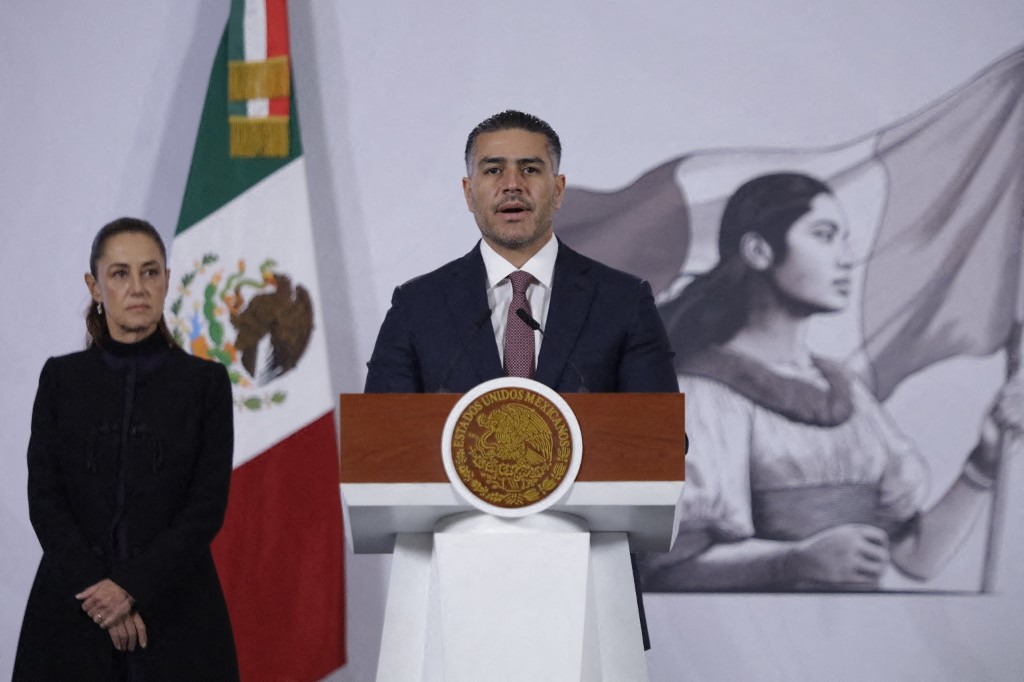

Mexico: after the Elimination of El Mencho, the Calm Before the Storm?

«Remaining»: Rekindle the Memory of the Victims of Political Assassinations Since 2005
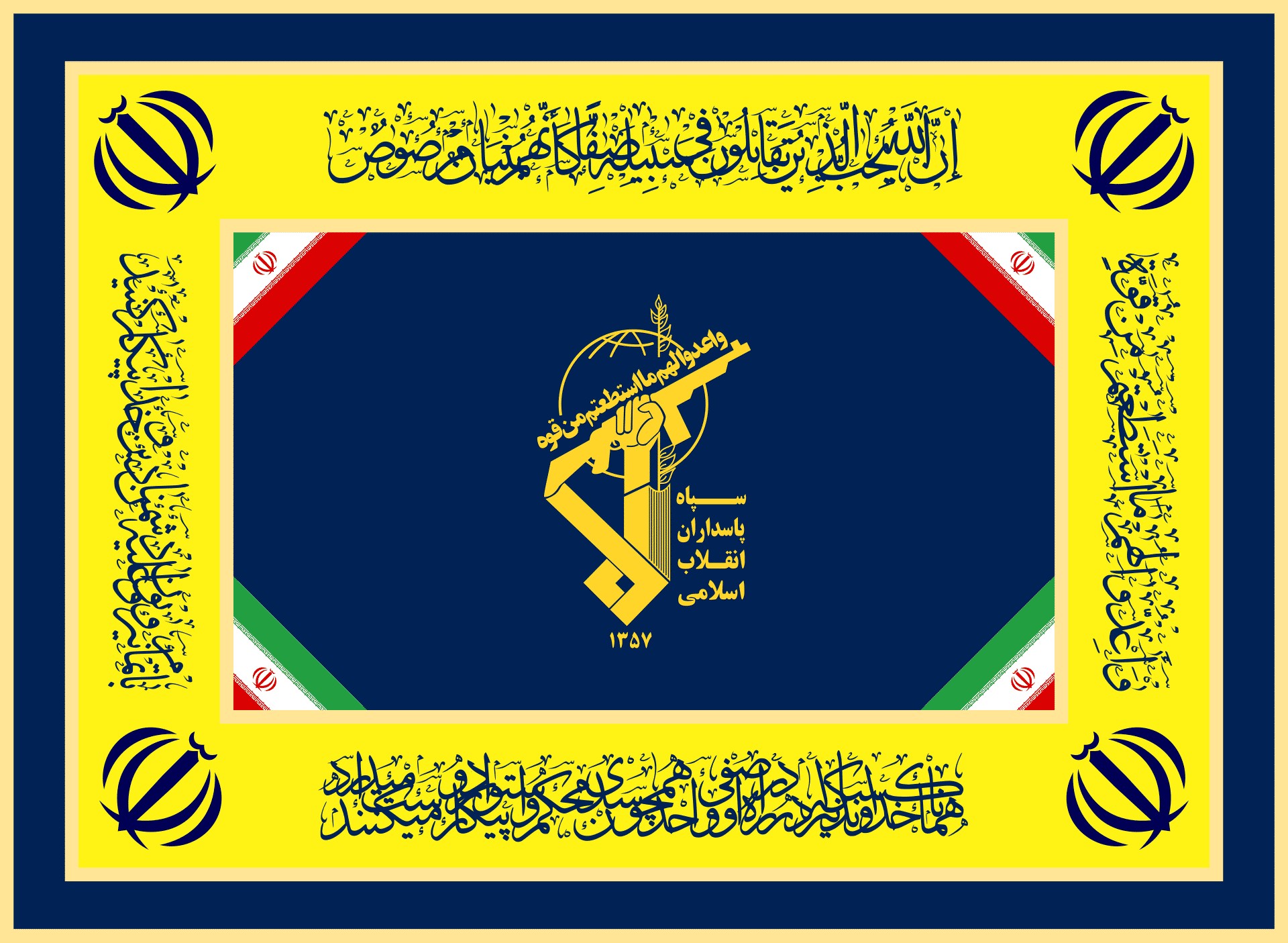
Revolutionary Guards, Supreme Organ of Repression
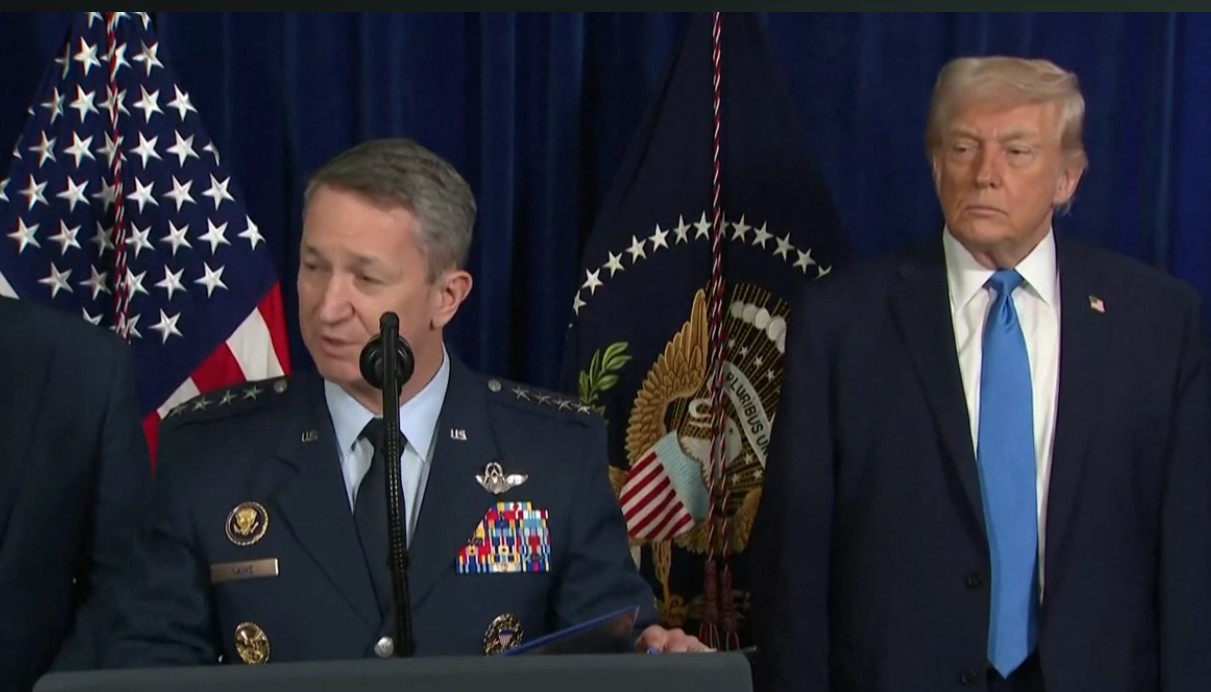
Tropic Thunder: Understanding US Interventionism in the Caribbean
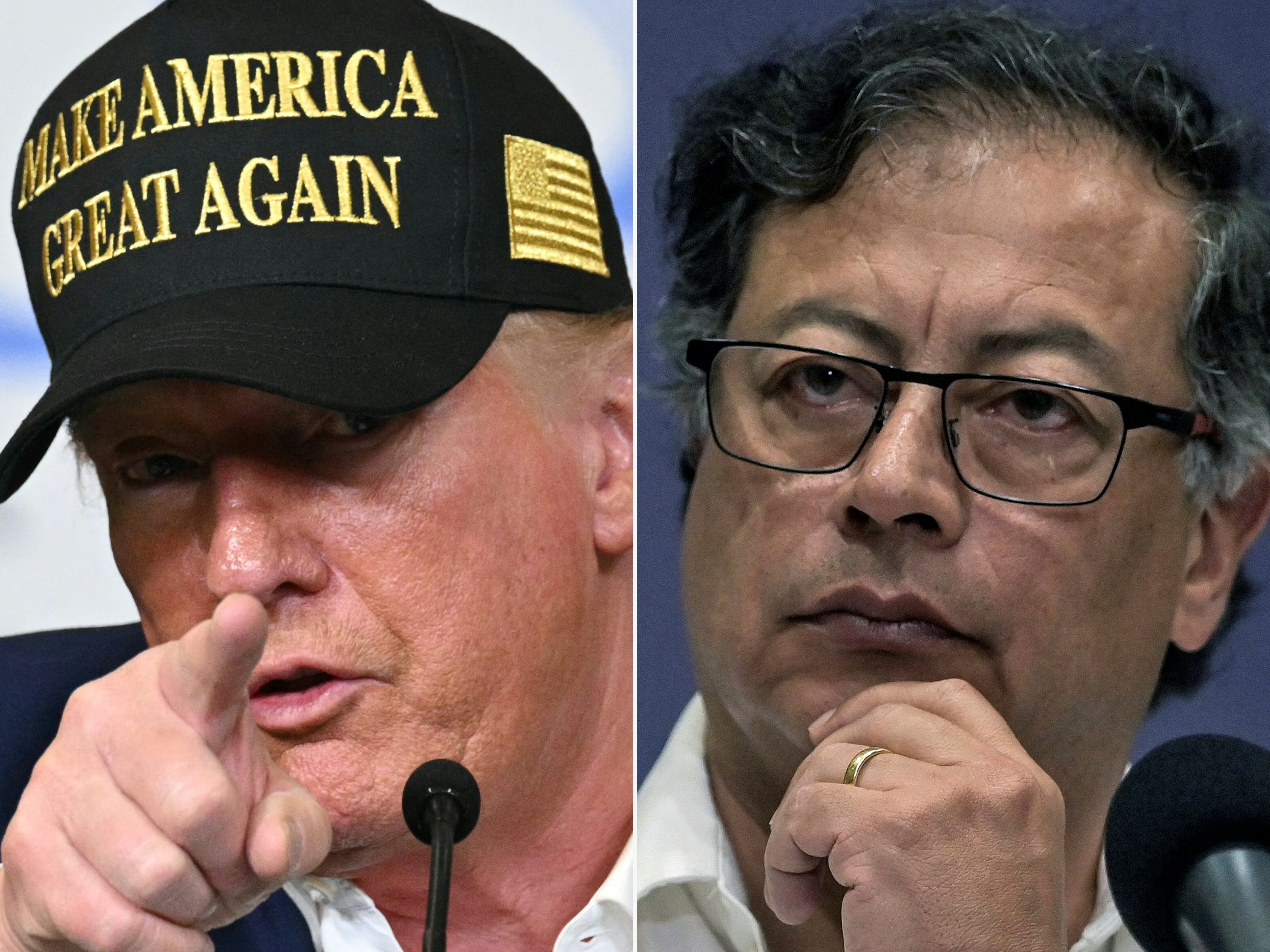
Tropic Thunder: Understanding US Interventionism in the Caribbean
O mais recente do Levant Time
Ver tudo


