

The Fall of the Iranian Regime: Managing the Aftermath

In Iran, two parallel scenes are unfolding today. Two scenes that do not cancel each other out, but rather exacerbate the critical situation: streets seething with sporadic but persistent protests, and an authority that responds with increasingly brutal repression, carried out jointly by the Revolutionary Guards and the Supreme Leader. This parallel does not reflect balance, but rather fear. Regimes confident in their power do not need such a level of sustained violence, while regimes in crisis know that any security breach could lead to their collapse.
However, the most serious question concerns not only the Iranian regime's ability to withstand internal pressures, but also the repercussions of any instability or potential collapse on the entire region. Iran has never been a country isolated from its crises, but rather the center of a transnational network of influence, carefully constructed over more than four decades. Any crack at the center will inevitably have repercussions on the periphery.
Since the establishment of the Islamic Republic in 1979, the regime has rested on a clear equation: an ideological legitimacy that takes precedence over the popular will, and an effective instrument of repression that protects this legitimacy by force. Today, the first pillar is eroding with the expansion of social, economic, and political protests, while the second is weakening, as the Revolutionary Guards are forced to act as a domestic police force rather than an instrument of regional expansion. This paradox is not a mere detail, but a structural flaw that strikes at the very heart of the Iranian project.
Every hour the Revolutionary Guards spend suppressing domestic dissent is an hour lost for exerting influence abroad. Every escalation of domestic security measures increases the cost of the regional project—politically, financially, and morally. Consequently, increased repression does not necessarily mean that the regime will be stabilized; It could rather indicate that the country is entering a prolonged period of attrition, where the crisis is being managed, but far from resolved.
In this context, two main scenarios emerge regarding the outcome of the Iranian crisis. The first is that of a regime that manages to contain the demonstrations through excessive violence, while preserving the cohesion of state institutions and the Revolutionary Guards. In this case, the regime does not collapse immediately, but is forced to retreat to the regional stage, and the absolute priority becomes maintaining domestic power.
The second scenario is that of repression that could fuel unrest, leading to large-scale demonstrations and plunging the country into an uncontrollable spiral of escalation. This could pave the way for a political collapse, rapid or gradual, but with profound consequences.
In Yemen, this development directly affects the Houthi movement. This group, whose rise was linked to Iranian support, will see its Iranian funding, weaponry, and expertise diminish. As the crisis in Iran intensifies, resources allocated to external issues, particularly those of lesser strategic importance, will be reduced. Consequently, the Houthis may be forced into a political agreement guaranteeing them a minimum of influence, or they risk internal disintegration under the pressure of the war, the economy, and the local social fabric.
In Iraq, the impact of the Iranian withdrawal will be more complex. The militias linked to Tehran, accustomed to operating under the aegis of a powerful regional coalition, will be forced to redefine their role. Without unconditional support, divisions will emerge between factions seeking to "Iraqi-ize" the decision-making process and those favoring escalation to preserve their gains. In this context, the intensification of repression in Iran, initially a source of strength, becomes a weakness, as it deprives these forces of their symbolic and political cover and opens a breach—albeit a perilous one—allowing the Iraqi state to regain some of its sovereignty.
Lebanon, by its very nature, absorbs the repercussions of regional crises even more rapidly. Hezbollah, as the most organized extension of the Iranian project, will be directly affected by the reduction in Tehran's funding and support capabilities. With the intensification of repression in Iran, the party is losing some of the moral legitimacy that has long served to justify its transnational ideological role. This reality presents it with a double dilemma: either maintain its arsenal in the absence of regional protection, or reposition itself politically within the Lebanese state.
In this context, the question of the political calendar in Lebanon appears crucial. Holding elections at the height of Iran's incomplete withdrawal could give pro-Tehran forces an opportunity to regroup. Many believe that any technical postponement, given the decline in funding and military support—especially after the "war of support" and the devastation it caused without a clear prospect of reconstruction—could accelerate the erosion of the Shiite duo's popular base and reveal the extent of the social crisis facing their supporters. Here, the debate is no longer merely constitutional, but fundamentally political, linked to the evolving balance of power in the region.
At the regional level, the convergence of growing protests and fierce repression in Iran signals the beginning of an unstable transitional phase. The Gulf States are observing cautiously, aware that Iran's weakness could be an opportunity to restructure regional security, but also carries a risk of chaos. Israel sees Tehran's focus on its domestic affairs as an undeniable strategic advantage, but fears the potential for escalation. Turkey, for its part, is preparing to fill any potential vacuum, particularly in Syria and Iraq.
The intensification of protests in Iran, met with unprecedented repression by the Revolutionary Guards, does not mean the regime has won the battle. Rather, it has entered a protracted phase of attrition. At this stage, the question is no longer simply when the regime will fall, but how, at what cost, and at whose expense in the region. The fall of the Iranian regime, should it occur, would not be an event to celebrate, but a perilous moment demanding strong nations and astute political elites. Without them, the collapse of this center of power could degenerate into widespread chaos… with no alternative.
In Search of Lebanon, from Beirut to the Vatican
UN: Paris Wants to Replace UNIFIL With a 'Different Type' of Presence
The Abolition of the Death Penalty: Ibrahim Najjar and Élie Keyrouz’s Long Fight
The Testament of Hassan Rifai
A ceasefire... yes, but what happens next?
المزيد من Jad Akhawi
عرض الكل


المزيد في Politics
عرض الكل



Mexico: after the Elimination of El Mencho, the Calm Before the Storm?

«Remaining»: Rekindle the Memory of the Victims of Political Assassinations Since 2005
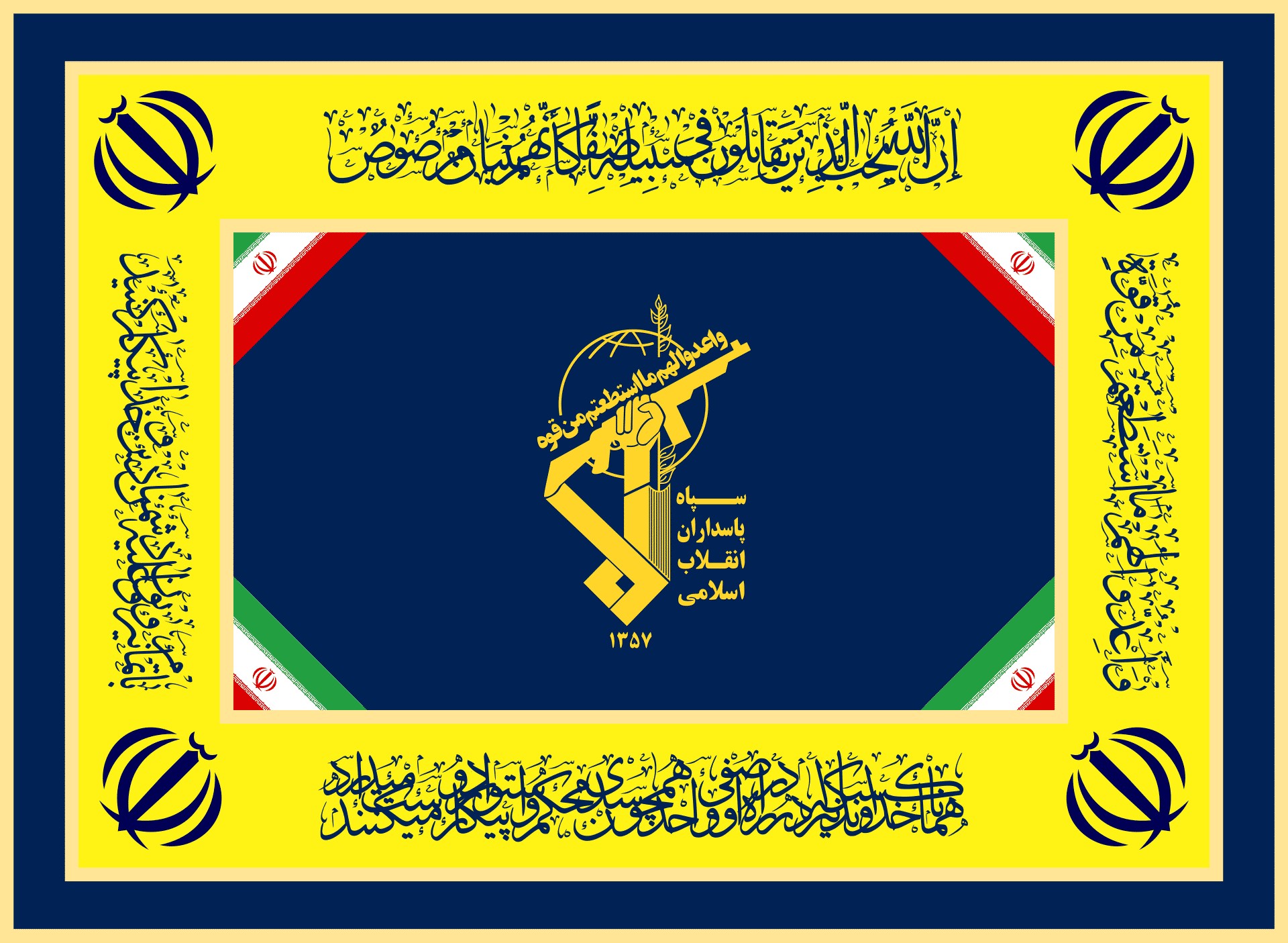
Revolutionary Guards, Supreme Organ of Repression
Tropic Thunder: Understanding US Interventionism in the Caribbean
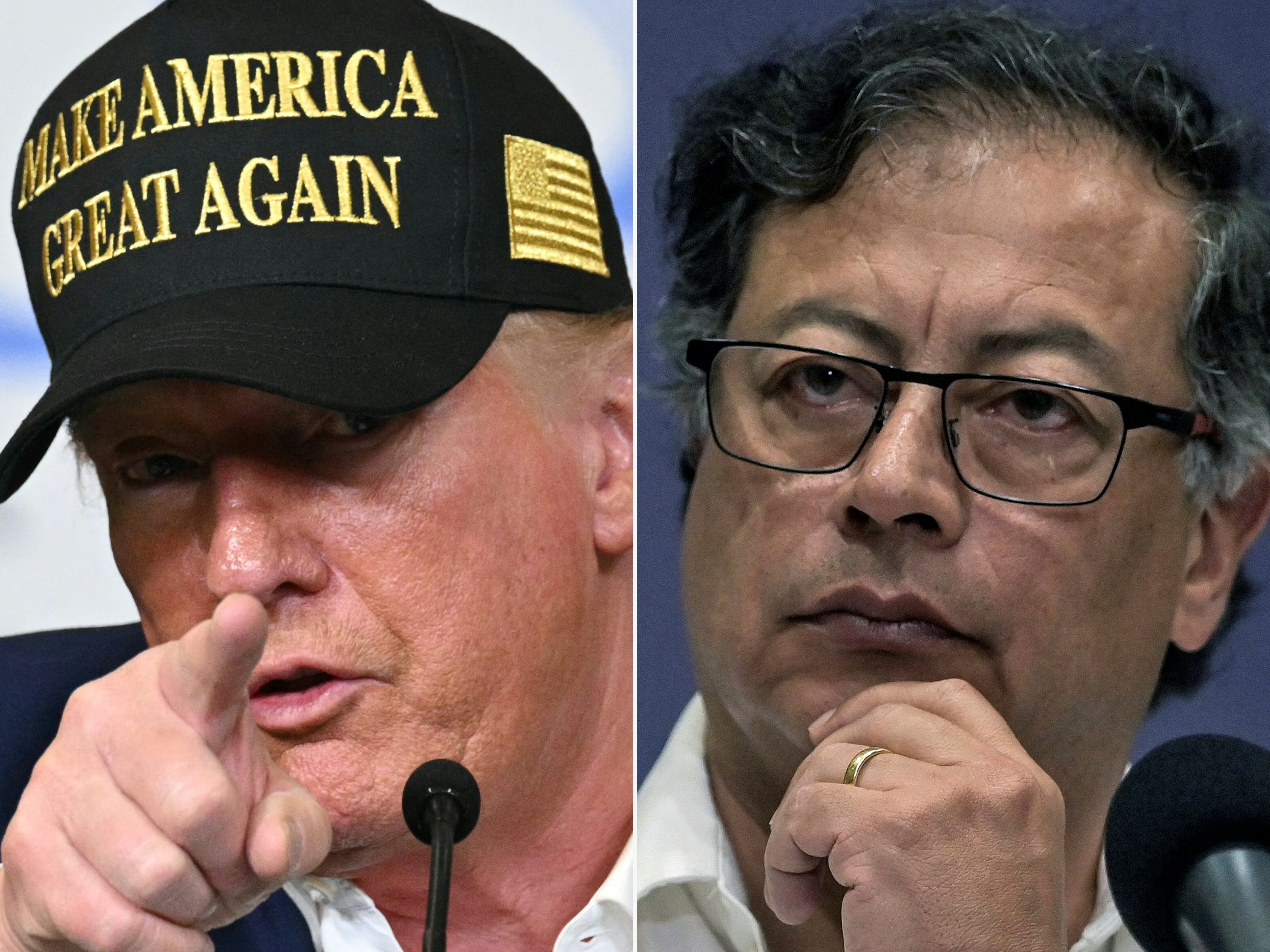
Tropic Thunder: Understanding US Interventionism in the Caribbean
الأحدث من Levant Time
عرض الكل


