

Bogota, Colombia, by Maxime Pluvinet
In the Colombian capital, spontaneous gatherings have been organized in recent days, bringing together Venezuelans, most of whom are political refugees. Most of them supporters of the opposition, they are celebrating the fall of former Bolivarian leader Nicolás Maduro, captured on January 3 by the United States. Report.
In Bogotá, Lourdes Square was for an hour covered with the three horizontal yellow, blue, and red stripes, adorned with eight stars, that characterize the Venezuelan flag. A few dozen members of the diaspora gathered on Sunday to celebrate the fall of former Chavista president Nicolás Maduro, captured by the United States during a lightning operation in central Caracas.
“We are satisfied”
Despite the victims of American airstrikes, including 32 Cuban soldiers, many of them support Donald Trump's intervention, calling it the best short-term option. For Jaylin, a Venezuelan in Colombia since 2018, “it’s an honor, a joy to be able to count on this new Trump Administration, which we like.” Smiling, she has high hopes for Washington's support, “even if some say they will steal the oil, if it benefits us in some way, we are satisfied.”
The joy is shared by Gaby Arellano, a politician and member of the opposition in exile. For her, as María Corina Machado, one of the leaders of the Venezuelan opposition and recent recipient of the Nobel Peace Prize, declared in a statement, “the hour of freedom has struck.” Happy about the fall of Nicolás Maduro, she castigates the Chavista government by repeating the accusations made by the Donald Trump administration: “This system in power that we are confronting is a criminal system, mafias that have connections with Hezbollah, who not only harm Venezuelans, but are linked to global drug trafficking.”
For Gaby, there is no doubt: 2026 will be the time to return to her native country. “If there is freedom for political prisoners and the guarantee of the Constitution, believe me that all political exiles from around the world will arrive, in the time it takes an airplane to reach Caracas.”
“The people, that’s all of us”
José Cova, however, does not have the same certainty. While he joyfully celebrates the fall of Maduro, he does not yet believe in the immediate return of opposition leader Edmundo Gonzalez Urrutia, whose portrait is displayed everywhere by demonstrators alongside that of María Corina Machado. “Our will is to see Urrutia and Machado return soon to exercise their mandate obtained through popular vote (in the August 2024 elections)… However, for now, there is a transition process, we do not know how long it will take… but it will happen, and must happen for peace and justice.”
But José is well aware of one thing: Chavismo has its supporters in the country. The army in particular, that institution on which Maduro and his predecessor Chávez had staked everything for their security. “There is also a question: when we talk about the people, we are talking about everyone. And among the people are the armed forces. For now, control of the army still belongs to the representatives of the current government. People designated by Nicolás Maduro himself, people he surrounded himself with, thinking he would be protected, and that was not the case.”
In the meantime, the Trump Administration does not seem to be betting in the short term on the opposition coming to power, having even stated that María Corina Machado did not enjoy popular support in Venezuela. Furthermore, Delcy Rodríguez, a central figure of Chavismo and vice-president of the Venezuelan regime since 2018, has been appointed interim president by the Chavista authorities.
A nomination under tutelage, however: Donald Trump has publicly threatened her administration, stating that the United States now exerts direct pressure and control over the political situation in Venezuela. And without forgetting to remind Delcy Rodríguez that, if she does not follow Washington's directives, a fate similar to or worse than Maduro's awaits her.
In Search of Lebanon, from Beirut to the Vatican
UN: Paris Wants to Replace UNIFIL With a 'Different Type' of Presence
The Abolition of the Death Penalty: Ibrahim Najjar and Élie Keyrouz’s Long Fight
The Testament of Hassan Rifai
A ceasefire... yes, but what happens next?
More from Maxime Pluvinet
View All


More in Politics
View All


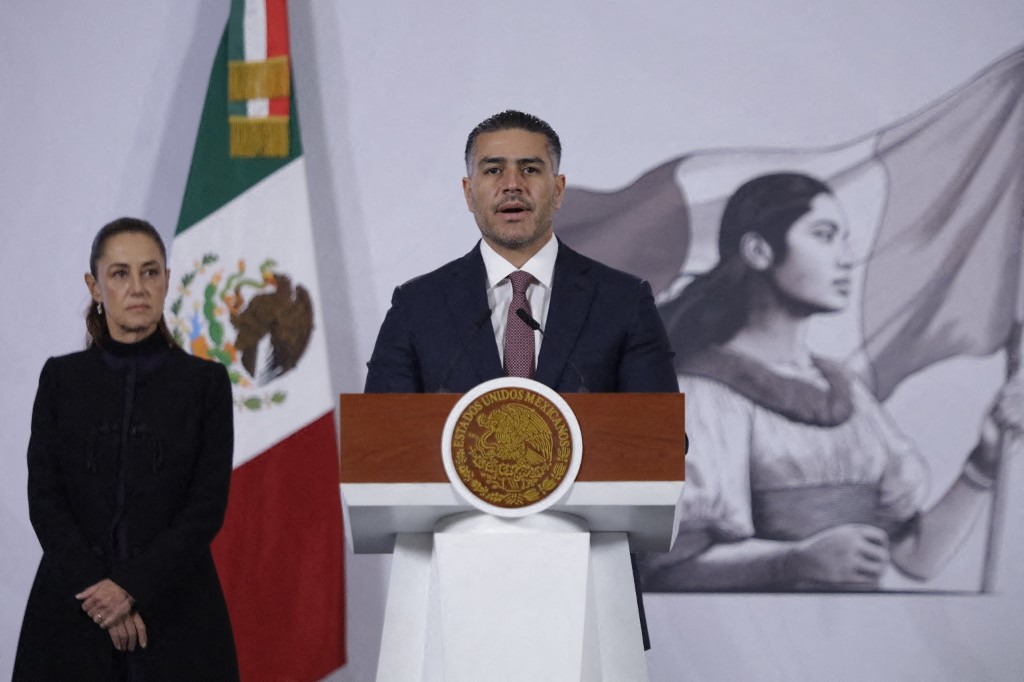

Mexico: after the Elimination of El Mencho, the Calm Before the Storm?
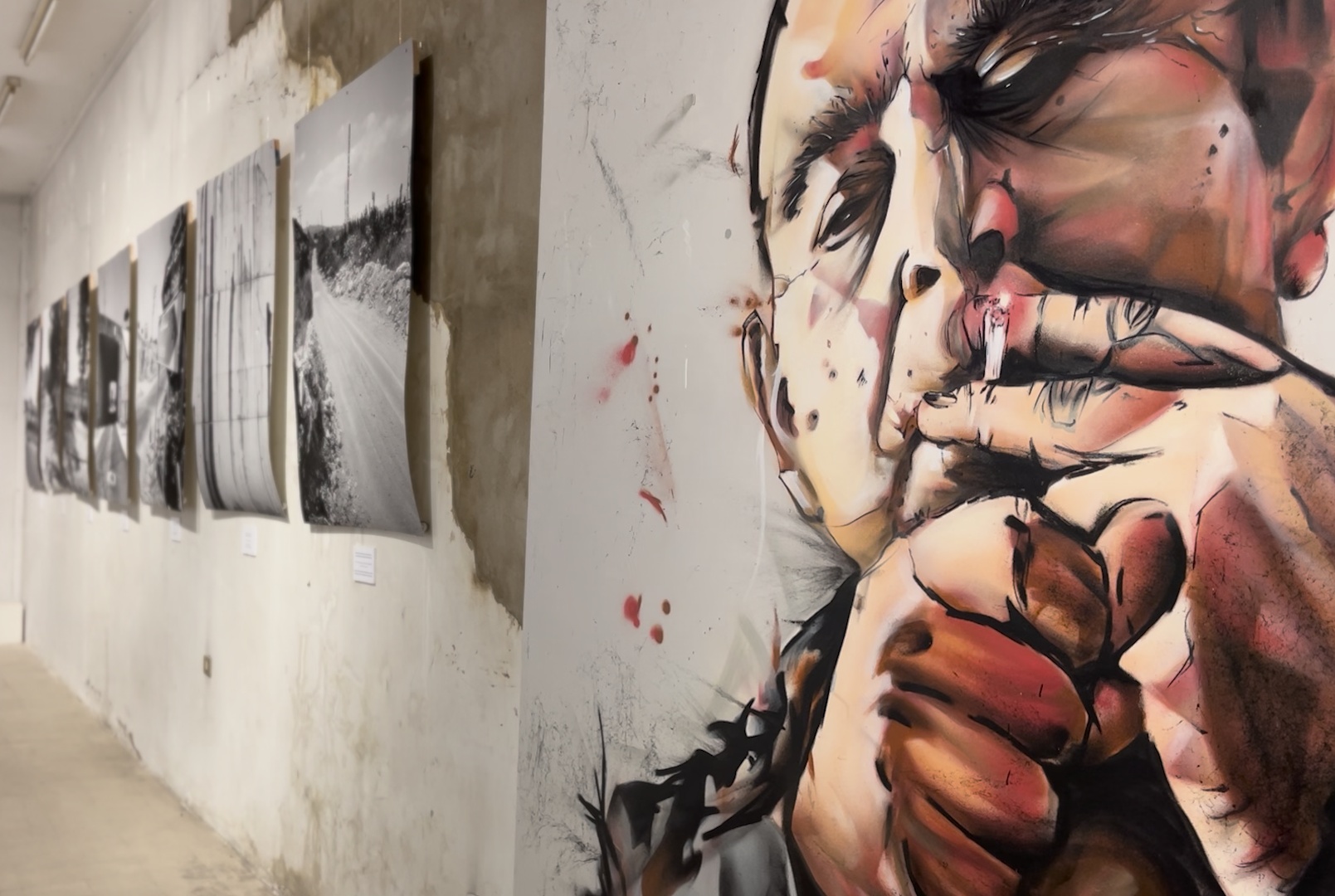
«Remaining»: Rekindle the Memory of the Victims of Political Assassinations Since 2005
Revolutionary Guards, Supreme Organ of Repression
Tropic Thunder: Understanding US Interventionism in the Caribbean
Tropic Thunder: Understanding US Interventionism in the Caribbean
Latest from Levant Time
View All


