Levant Time logo
Maxime Pluvinet

Maxime Pluvinet

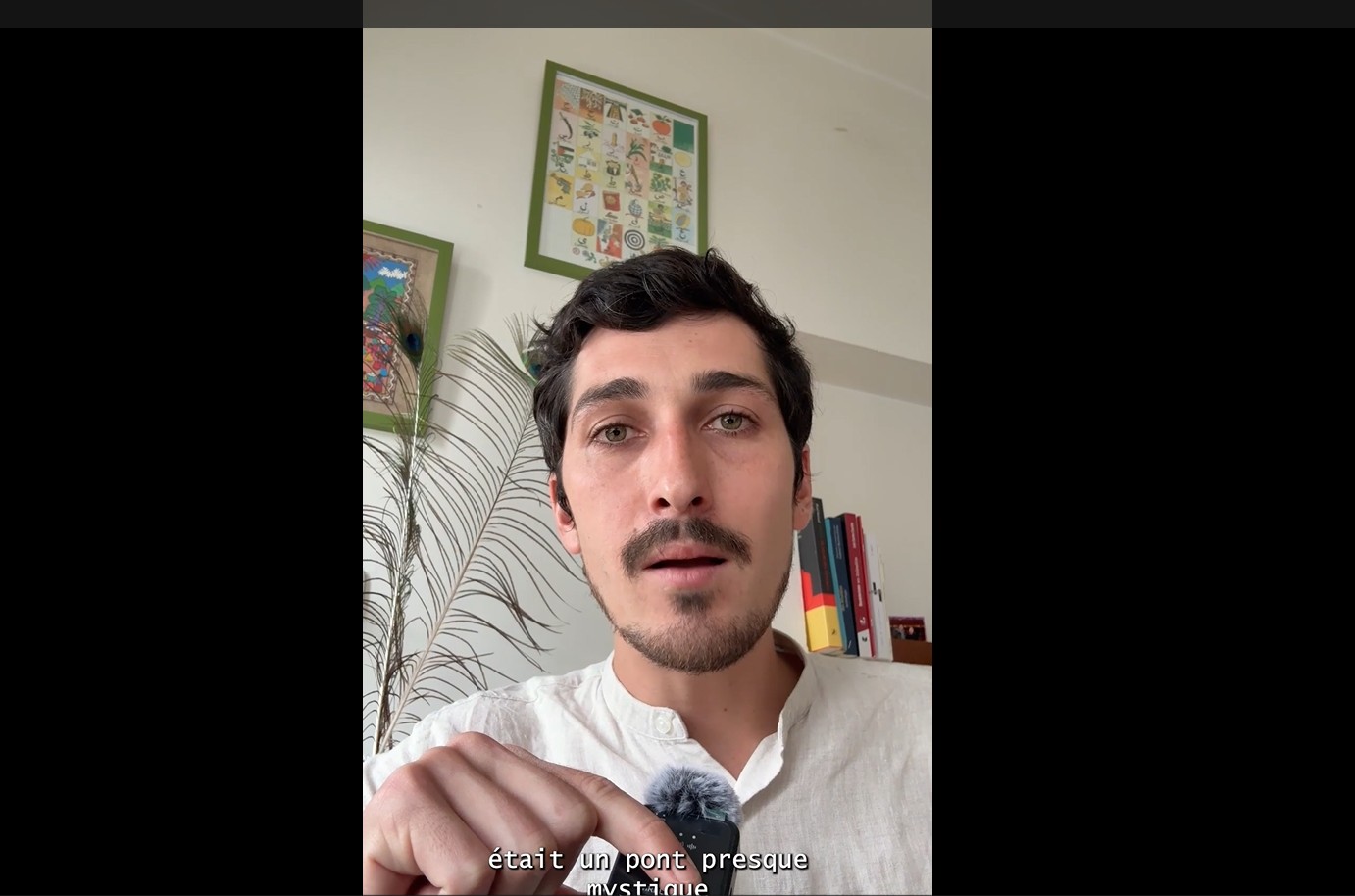
The Importance of Dream and Speech Among the Wayuu (2/2)
By
Maxime Pluvinet
Published
Sep 3, 2026 - 13:54

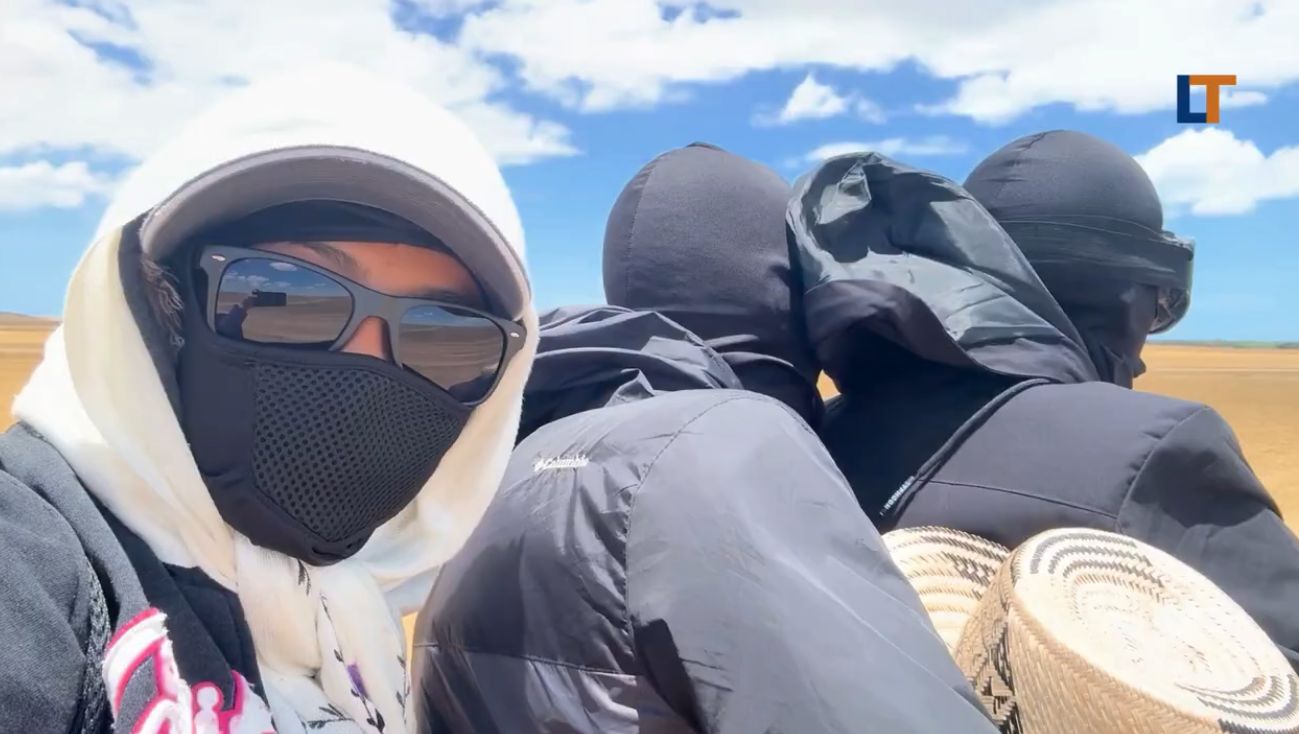
The Wayuu are a transborder Indigenous nation inhabiting the region stretching between the Guajira Peninsula, at the northernmost tip of Colombia, and part of Venezuela’s Caribbean coast. The Wayuu take pride in their title as a “people never conquered.” What follows is an account of a journey across the desert undertaken alongside them during Easter 2026, offering an opportunity to explore certain aspects of their philosophy of travel. In the second part of this chronicle on the Wayuu people, other aspects of the journey allow us to glimpse some essential features of Wayuu beliefs, presented here through observations on the importance they attach to dreams, on the one hand, and to the spoken word, on the other. A report from Colombia’s La Guajira.
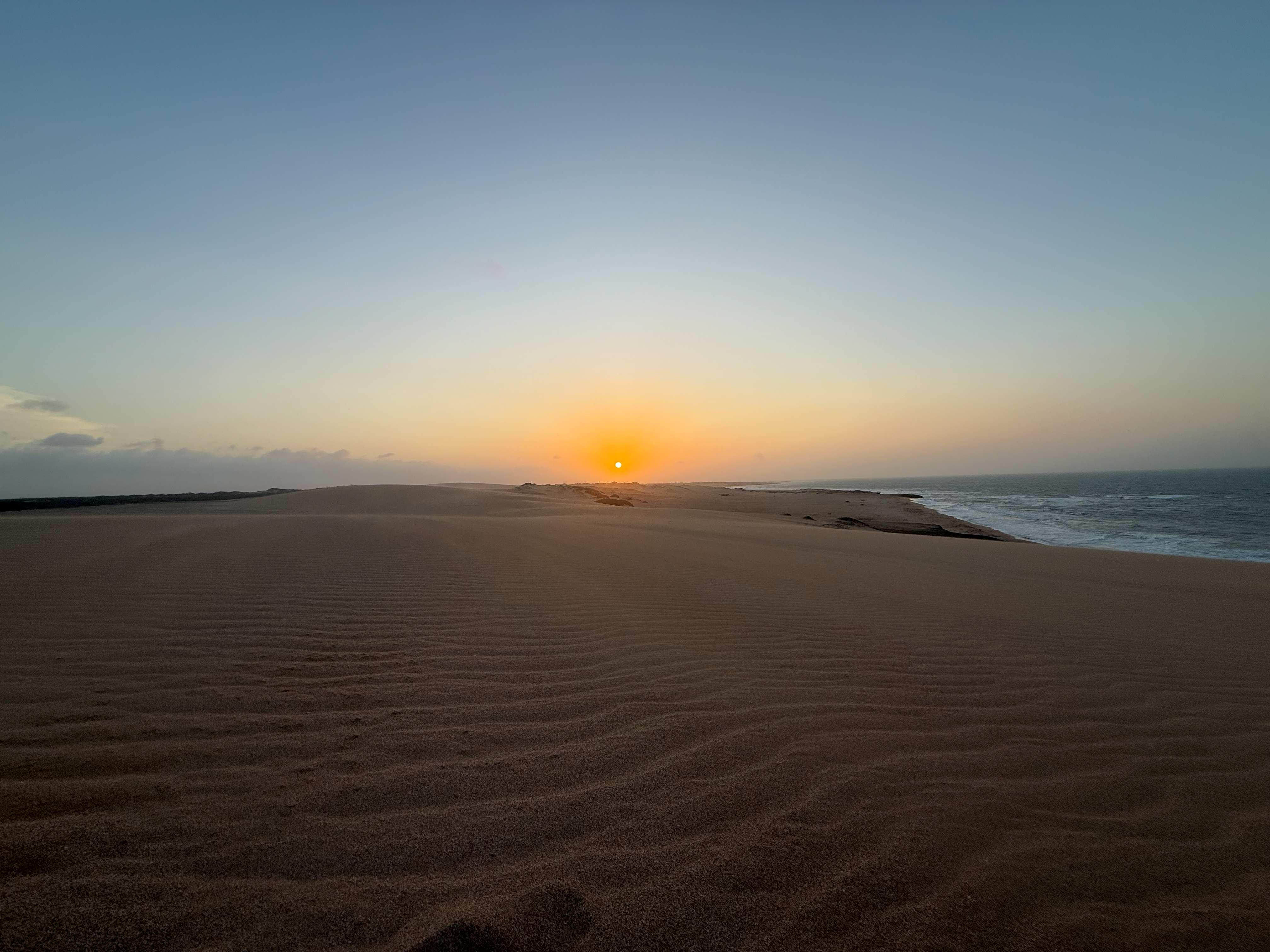
The Dream and the Tomb: A Journey to the Land of the Wayuu (1/2)
By
Maxime Pluvinet
Published
Aug 30, 2026 - 13:32

The Wayuu are a cross-border indigenous nation inhabiting the region spanning the La Guajira Peninsula, at the northernmost tip of Colombia, and part of Venezuela's Caribbean coast. The Wayuu take great pride in their title as the "never conquered people." What follows is an account of a desert crossing made alongside them during Easter 2026 — an opportunity to share certain aspects of their philosophy of travel. Many people in Colombia are quick to label the Wayuu a "very closed" people. By that they mean a culture that is deeply resistant to the arrival of outsiders on the community's ancestral territory. Their highly traditional customs are said to defy, in an archaic and violent way, the progressive advances of modern law. "You'll see," a Spanish colleague who had visited Wayuu territory told me, "I've never seen people so rough and violent — people who practice an eye for an eye and put children to work in absolute poverty at roadside checkpoints." This kind of remark carries an implicit indictment of the "noble savage" myth: don't expect to find in the Wayuu the original goodness of humankind. But then, who ever said we should aspire to find a perfect model when it comes to human societies?

0m 20s
Guyana, the unexpected big winner of the oil shock
By
Maxime Pluvinet
Published
Aug 22, 2026 - 16:22

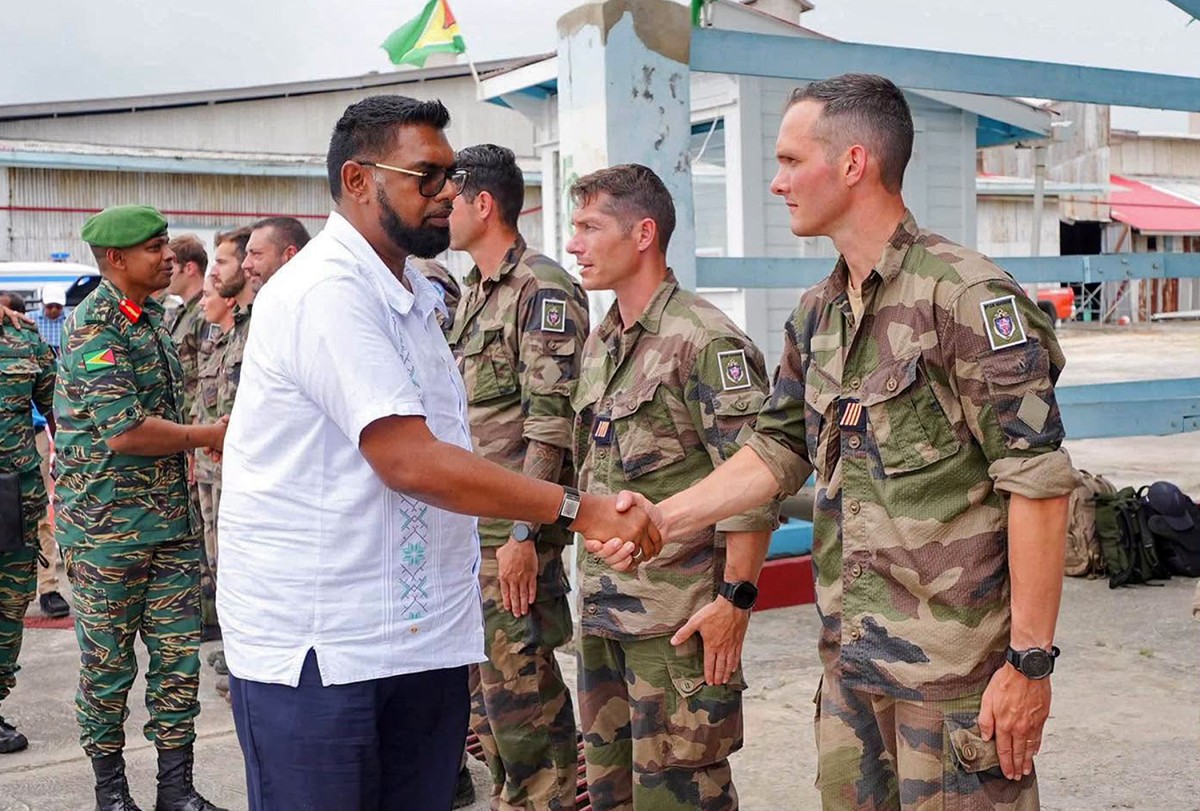
The oil price surge triggered by the war between the United States, Israel, and Iran is further strengthening Guyana's position as home to the world's fastest-growing economy, thanks to its massive offshore reserves. But beneath this spectacular prosperity lies a major challenge: translating oil revenues into sustainable development for its entire population. Even before the military escalation in the Middle East, Guyana was undergoing an unprecedented economic transformation. This small Caribbean state—a former British colony with fewer than one million inhabitants—was long considered one of the poorest in South America. Yet within just a few years, Georgetown has emerged as one of the world's new oil giants.

The Qadisha Valley Remembers Padre Escobar
By
Maxime Pluvinet
Published
Jun 2, 2026 - 14:41

An emblematic figure of the Holy Valley of Qadisha in northern Lebanon, high in the mountains of Bsharri, Padre Dario Escobar passed away a few days ago at the age of 92. Born in Medellín, Colombia, in 1934, he chose to leave behind the comfort and privilege of his affluent family background to come to Lebanon in the early 2000s, join the Maronite Church, and live as a hermit at the Sanctuary of Our Lady of Hawqa in Qannoubine. Before embracing the hermit's life, he received a solid academic education in theology, psychology, and Biblical Greek in Colombia. He then devoted himself to contemplation and religious life in the solitude of the Qadisha mountains, which will preserve the memory of the hermit Escobar, who came from the distant land of Colombia.

Venezuela: Alex Saab Back in U.S. Custody
By
Maxime Pluvinet
Published
May 26, 2026 - 20:57

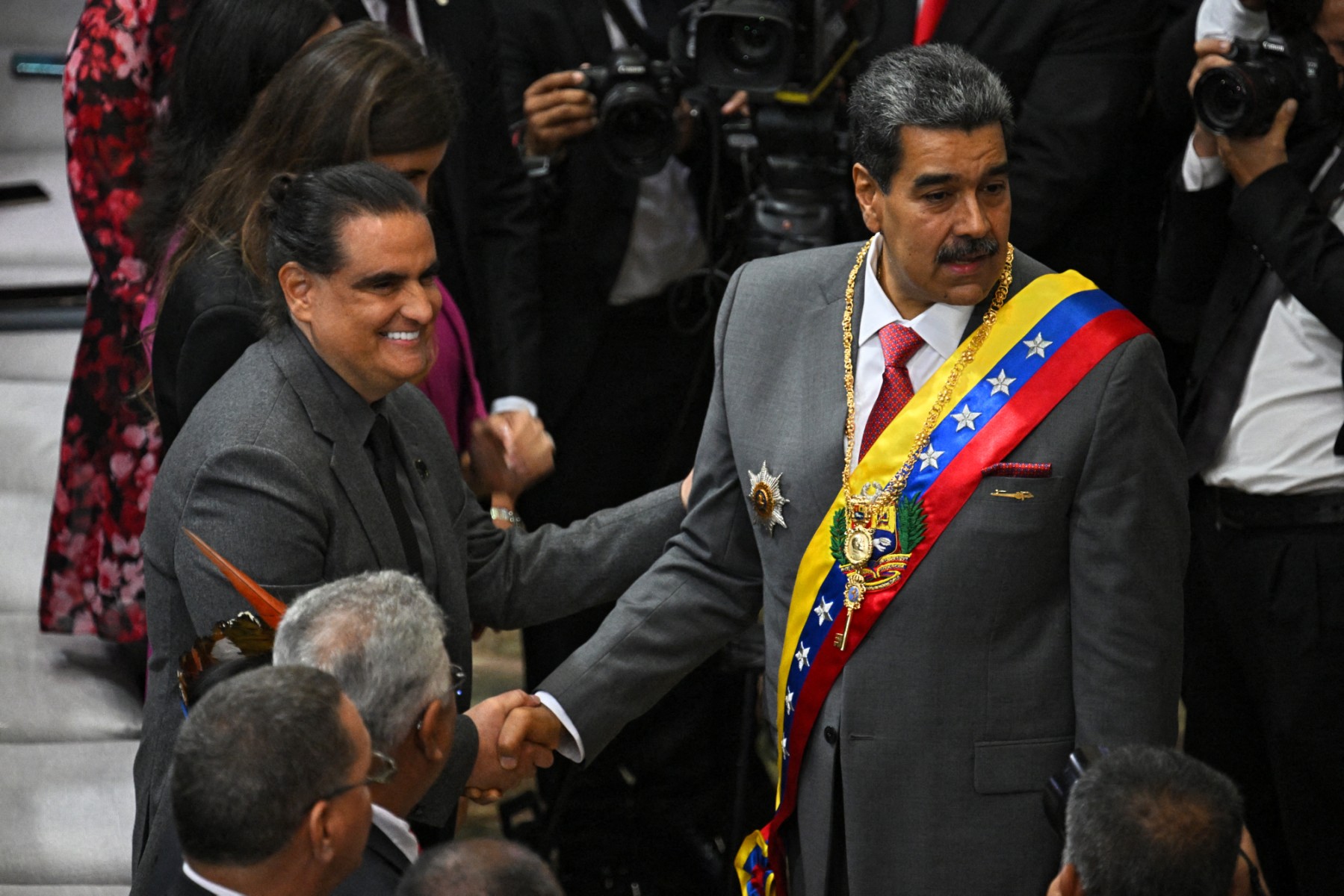
Alex Saab, a Colombian of Lebanese origin and key figure in Venezuelan government under Nicolás Maduro, was expelled to the United States five months after the ousted president's capture by the U.S. military, for his involvement "in various crimes in the United States of America, as is public, notorious and widely reported by the media," according to a statement from Venezuelan immigration authorities. Alex Naim Saab Moran had grown close to the Venezuelan government during the final years of Hugo Chávez's administration (1999-2013) and had come to manage a vast import network for Nicolás Maduro's government. He was considered a key intermediary for the regime as the country struggled to adapt to international sanctions.

2m 8s
In the Footsteps of Sélim Abou SJ: Lost Fragments of The Paraná
By
Maxime Pluvinet
Published
Mar 28, 2026 - 15:00

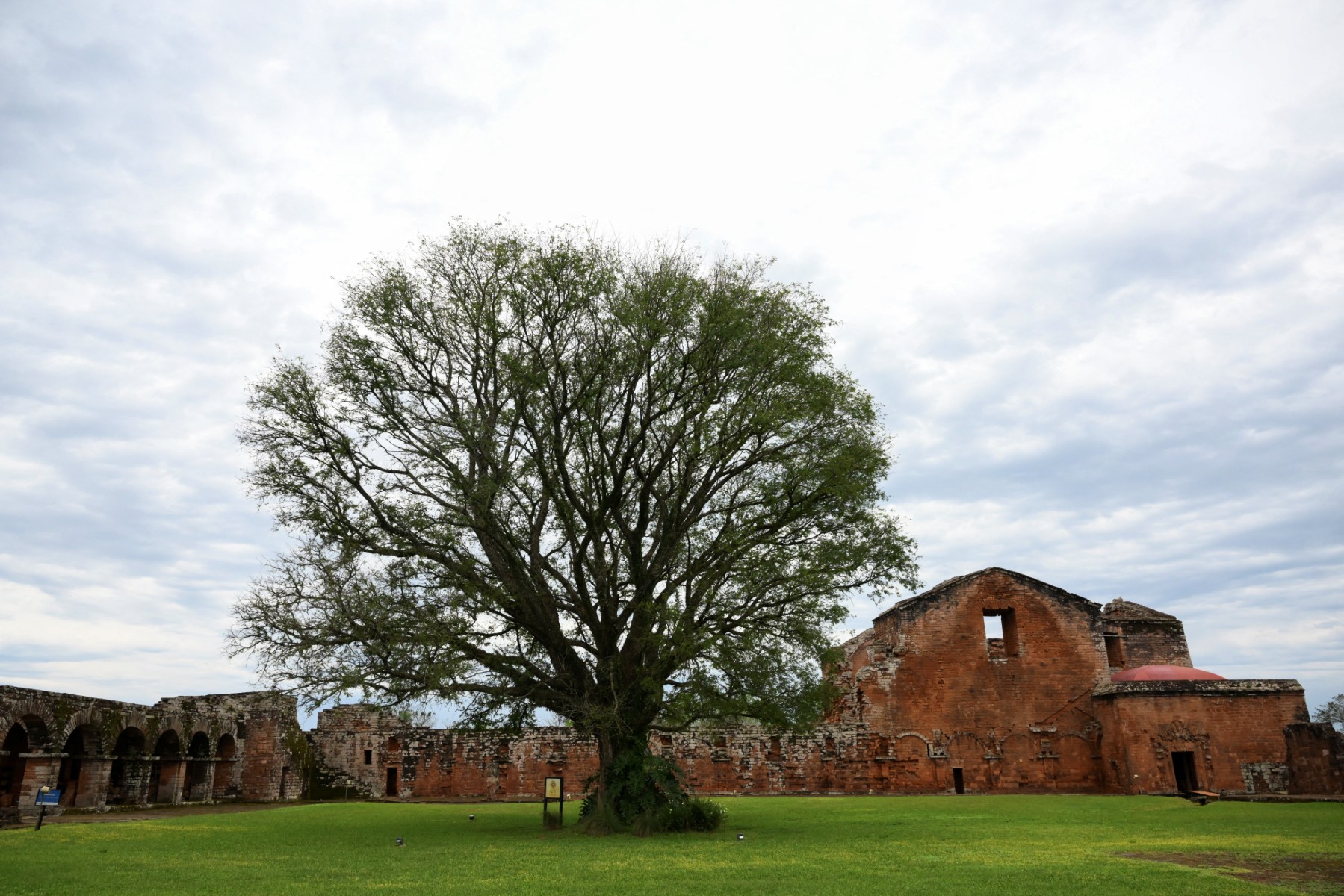
In the Argentine province of Misiones, at the remote crossroads of Argentina, Paraguay and Brazil, the remnants of Jesuit missions tell a story of cultural blending, resistance and singular social utopias. From the ruins of San Ignacio to present-day Guaraní communities, Levant Time traces the path left by Father Sélim Abou, former rector of Saint Joseph University, whose fieldwork sheds light–far beyond Latin America–on contemporary questions of identity and coexistence, reaching as far as Lebanon. On this March 19, Saint Joseph’s day–the patron saint of USJ–Levant Time presents Maxime Pluvinet and Miroslava Salazar’s report from Latin America, following in the footsteps of Father Sélim Abou.

Tropic Thunder: Understanding US Interventionism in the Caribbean
By
Maxime Pluvinet
Published
Jan 24, 2026 - 12:44

Welcome to Tropic Thunder , a five-part short series by Levant Time designed to help you understand the different reasons behind the current U.S. interventionism in the Caribbean. This series was completed 48 hours before the American attack on Venezuela.

Tropic Thunder: Understanding US Interventionism in the Caribbean
By
Maxime Pluvinet
Published
Jan 10, 2026 - 12:31

Welcome to Tropic Thunder , a five-part short series by Levant Time designed to help you understand the different reasons behind the current U.S. interventionism in the Caribbean. This series was completed 48 hours before the American attack on Venezuela.

For Venezuelans in Exile in Bogotá, the Hope of Return
By
Maxime Pluvinet
Published
Jan 9, 2026 - 14:15

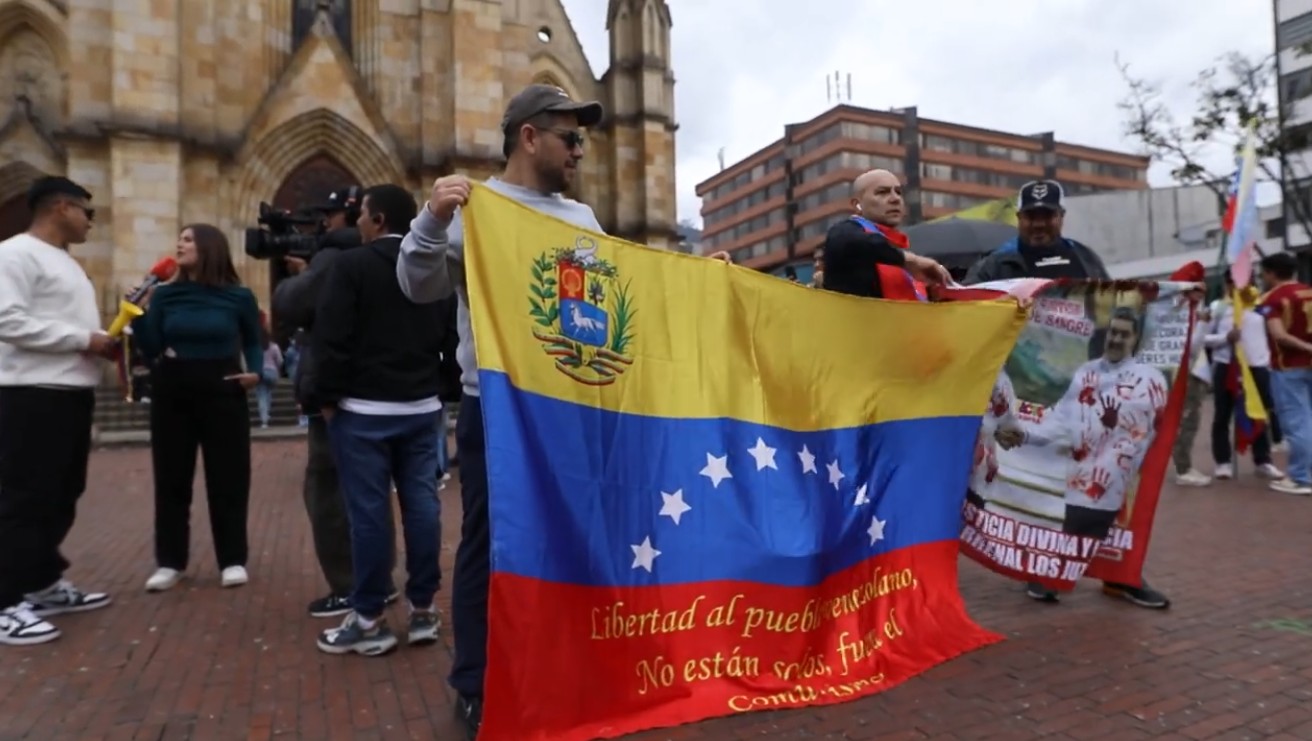
Bogota, Colombia, by Maxime Pluvinet In the Colombian capital, spontaneous gatherings have been organized in recent days, bringing together Venezuelans, most of whom are political refugees. Most of them supporters of the opposition, they are celebrating the fall of former Bolivarian leader Nicolás Maduro, captured on January 3 by the United States. Report. In Bogotá, Lourdes Square was for an hour covered with the three horizontal yellow, blue, and red stripes, adorned with eight stars, that characterize the Venezuelan flag. A few dozen members of the diaspora gathered on Sunday to celebrate the fall of former Chavista president Nicolás Maduro, captured by the United States during a lightning operation in central Caracas.

Start of a thaw between Colombia and the USA
By
Maxime Pluvinet
Published
Jan 8, 2026 - 23:35

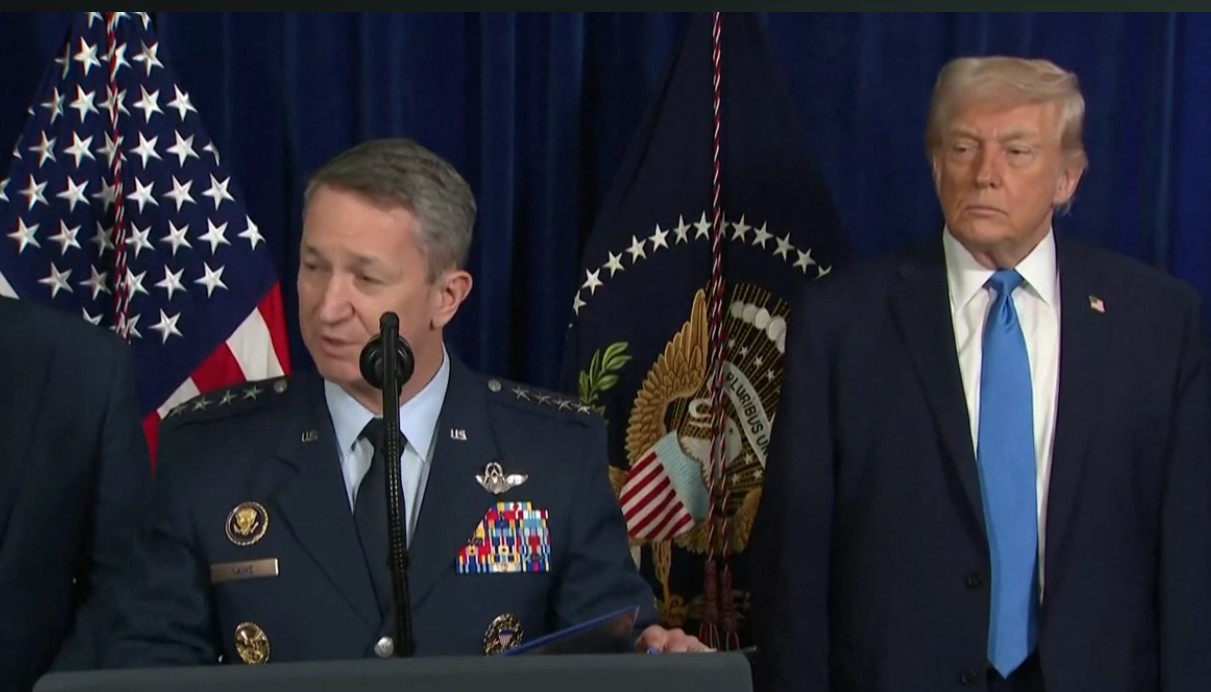
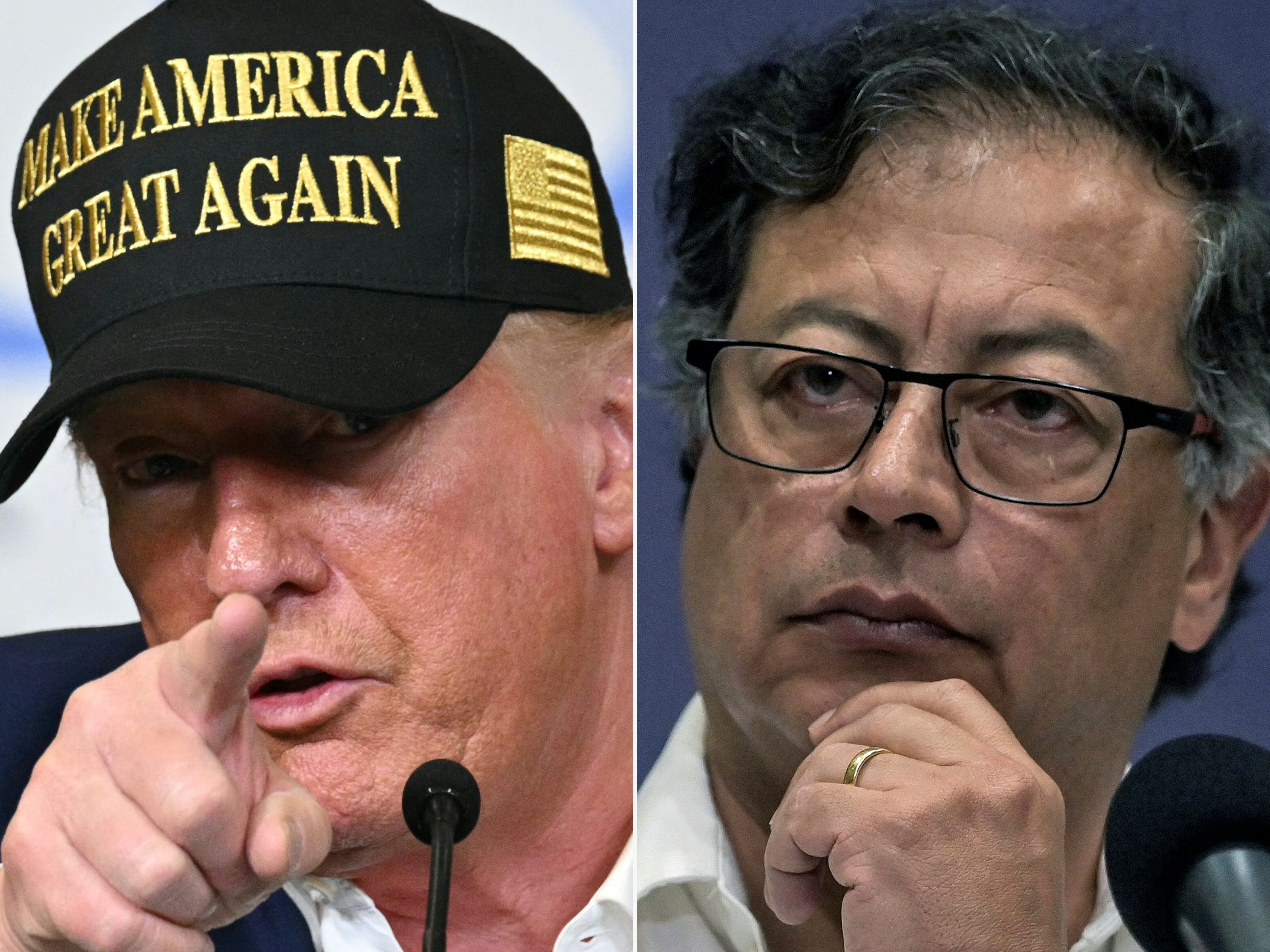
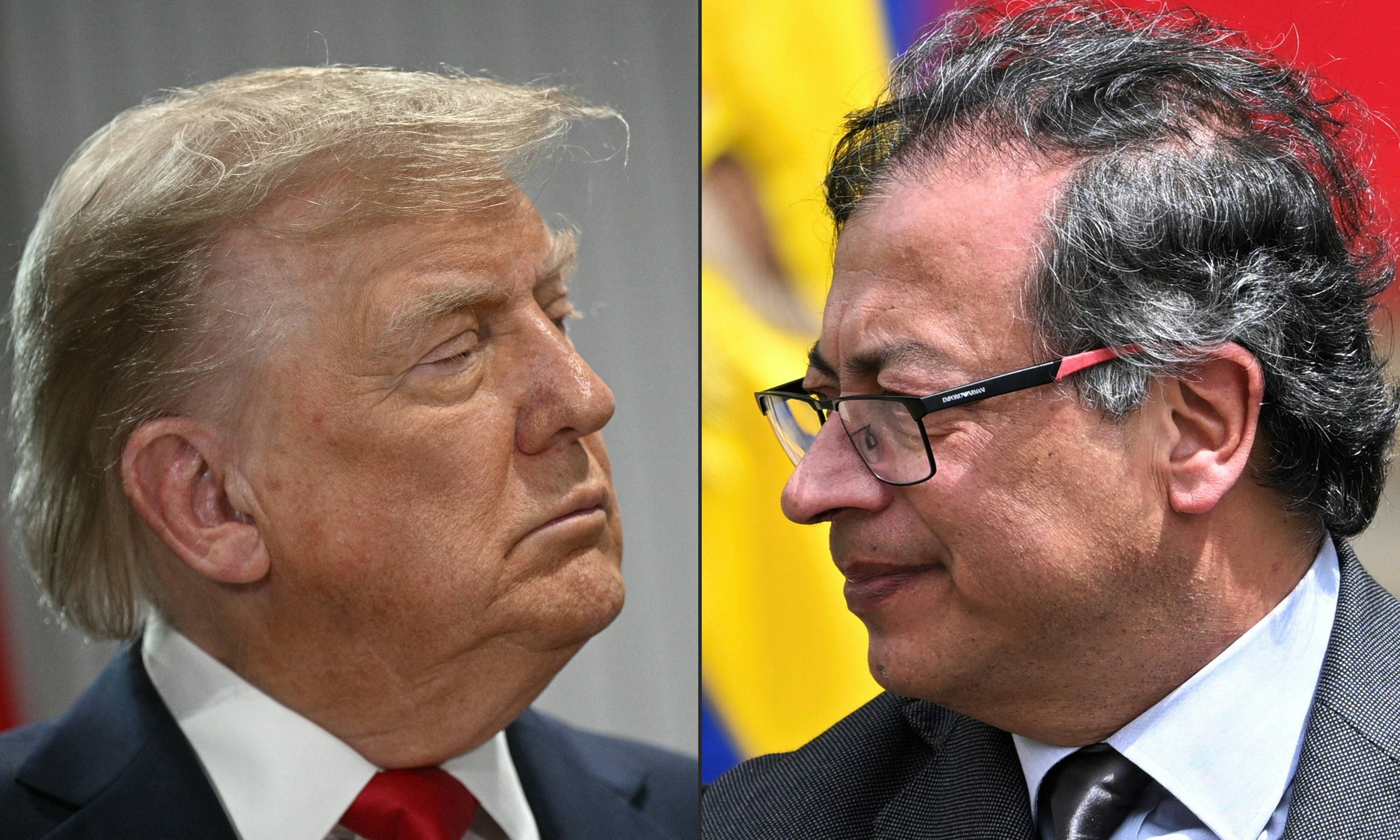
Bogota, Colombia, by Maxime Pluvinet An impromptu development that occurred in the middle of this week could significantly impact the ongoing events in Latin America. A thaw in relations is (timidly) emerging between the United States and Colombia, as relations between the two countries have been particularly tense for several months. Accused by Washington of facilitating the actions of drug traffickers in the American continent, particularly targeting the United States, Colombian President Gustavo Petro was recently targeted by American sanctions. This bilateral tension escalated significantly following the 'blitz' operation carried out on January 3rd in Caracas by American forces. This intervention led to the arrest by a US commando unit of Venezuelan President Nicolás Maduro, who was then extradited to the USA.

/