

Riyadh Arms Itself with a French Shield Against the Houthis
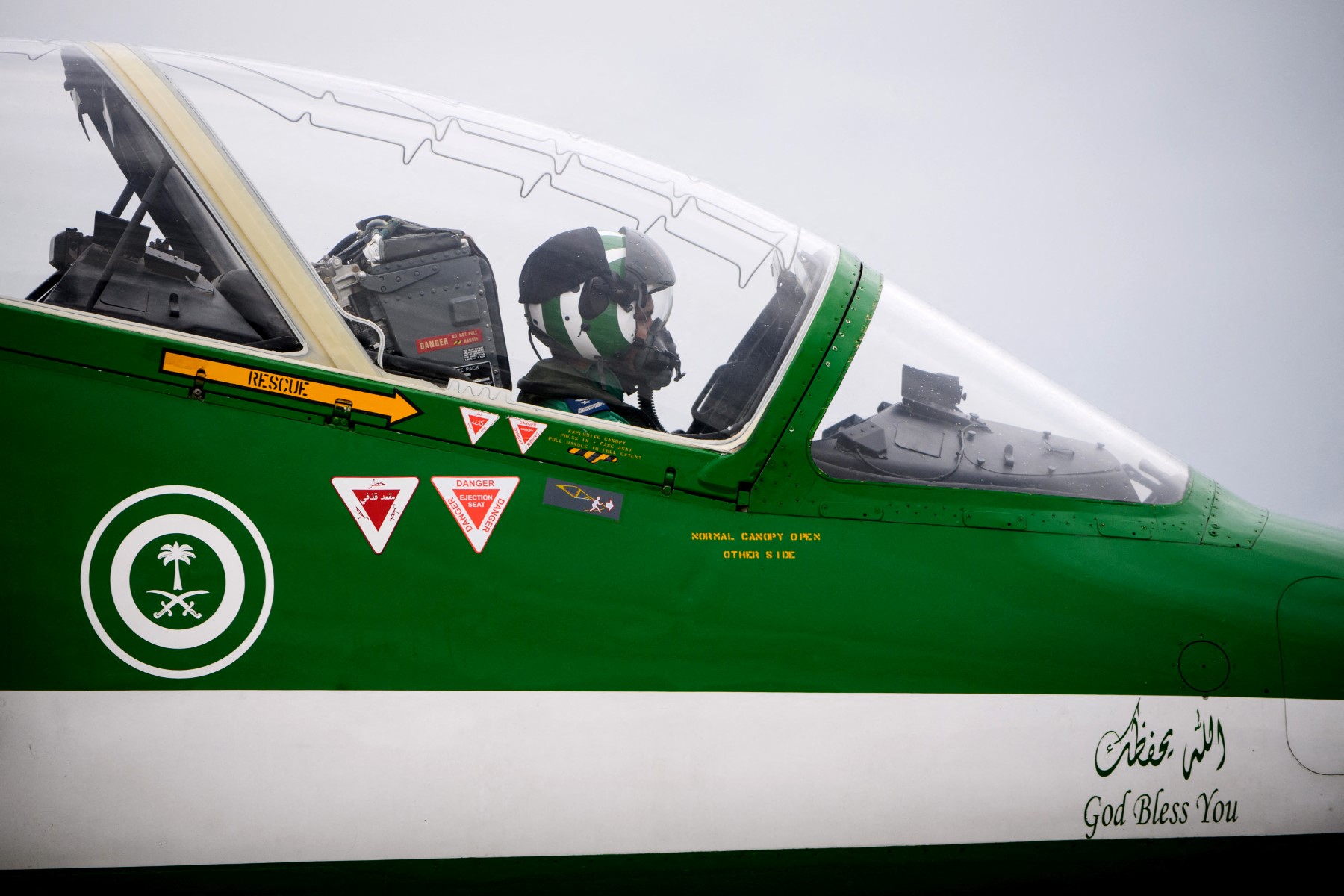

France plans to send troops, radar systems and air defenses to Saudi Arabia to protect energy infrastructure at the Red Sea port of Yanbu. The assistance is intended to secure a site that has become crucial to the kingdom's oil exports, as attacks by the Houthis and other Iranian-backed militias threaten its supply routes.
President Emmanuel Macron said France did not intend to take part in the conflict and that the deployment had been agreed with Riyadh. He did not rule out further assistance depending on how the situation develops.
Why Yanbu?
Since the start of the military campaign waged by the United States and Israel against Iran, the Yanbu site has become highly strategic: its port allows Saudi Arabia to bypass the Strait of Hormuz, which has been blocked by Tehran.
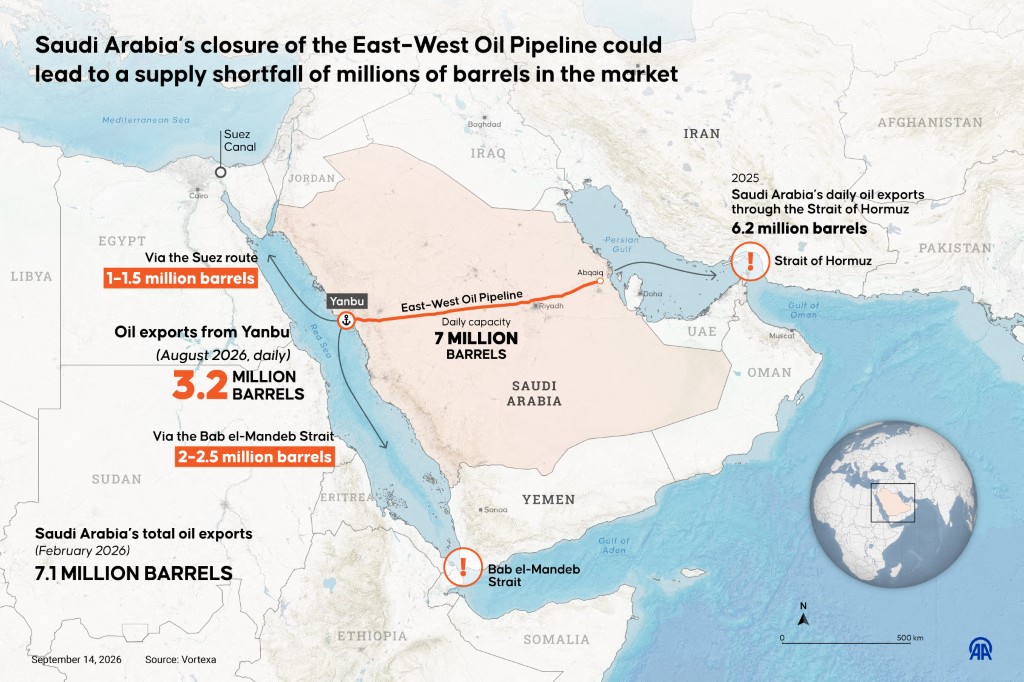
Stretching 1,200 kilometers, the East-West Pipeline, or Petroline, crosses Saudi Arabia from the kingdom's oil heartland on the Persian Gulf to the port of Yanbu. Built in the early 1980s, it was intended to address threats to shipping in the Gulf during the Iran-Iraq War. Having become a vital artery in wartime, it helps make Yanbu a key supply hub for European markets for crude oil, diesel and refined products.
This alternative route is now under threat. Iranian-backed militias in Iraq damaged the pipeline in a drone attack. The Houthis struck the Yasref refinery near Yanbu and targeted Aramco facilities. They also threaten maritime traffic in the Red Sea and the Bab el-Mandeb Strait, a gateway to the Indian Ocean and Asian markets.
These attacks have shaken global fuel markets and worsened a diesel supply crisis with international repercussions.
Why does Riyadh need military assistance?
Saudi Arabia has a substantial arsenal, but it is struggling to protect all of its facilities from repeated missile and drone attacks. Its interceptor stocks are under strain, while its radar systems and crews are heavily stretched. The kingdom also relies on foreign suppliers and trainers for some of its equipment and military capabilities.
Massive arms purchases from Western manufacturers—particularly American, British and French ones—are a key feature of Saudi defense policy. They are intended to strengthen the kingdom's capabilities, but also to secure the support of its allies.
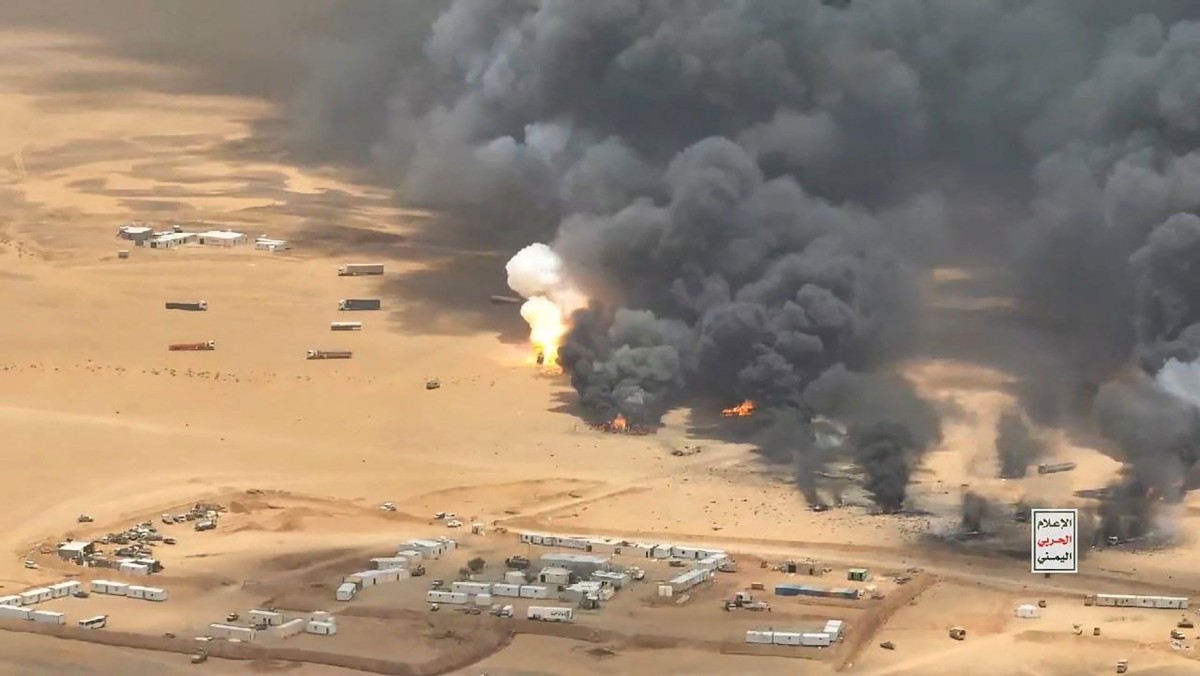
According to this Houthi propaganda video, a convoy of Saudi trucks carrying supplies was attacked at the border with Yemen. (AFP)
Despite this arsenal, Saudi forces have relatively limited experience in conducting complex military operations, according to several analysts. Their fragmentation also makes coordination more difficult.
“Saudi leaders must build an army ready to fight and rely on a population willing to die in order to preserve their prosperity,” Bernard Haykel, a Saudi Arabia specialist at Princeton University, told AFP.
An intentionally limited military
For several analysts, these weaknesses are also the result of a political choice: the kingdom's armed forces were allegedly deliberately kept fragmented in order to prevent any coup attempt, in a region marked by numerous military takeovers.
“Saudi Arabia remains a monarchy that has not been overthrown by the military precisely because the military has been kept weak,” Ray Takeyh, a Middle East specialist, explained during a 2015 hearing before the U.S. Congress.
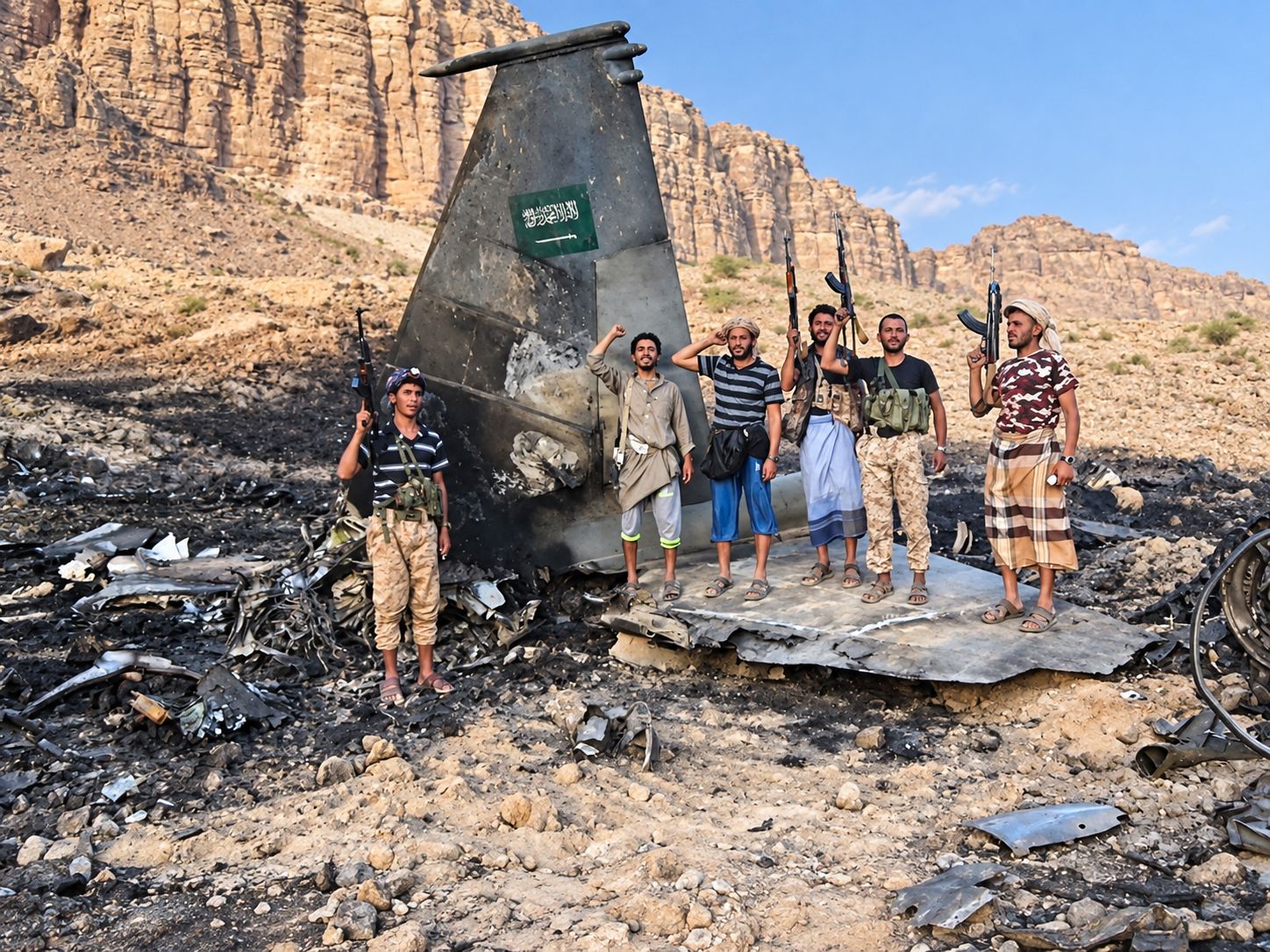
Houthi rebels proudly pose in front of a downed Saudi F-15. (AFP)
The war in Yemen has brought these limitations into sharper focus. Tensions between Riyadh and Abu Dhabi have weakened the Yemeni government camp, while Saudi forces have failed to fill the vacuum left by the United Arab Emirates' withdrawal from Yemen.
The Houthis, who know the terrain and have a more cohesive command structure, were able to resume their offensive and threaten Saudi interests.
The U.S. pullback
Riyadh is also seeking assurances amid uncertainty over the U.S. commitment. The United States remains its main strategic partner, but Donald Trump's policies have made its support less predictable.
The U.S. president rejected Saudi requests for strikes against the Houthis, while his representatives held direct talks with the movement in Oman. Washington thus prioritized maintaining its truce with the Houthis over military intervention to aid its ally.
This stance has fueled Gulf monarchies' doubts about whether the United States would be available in the event of a crisis.
What does France stand to gain?
For Paris, this deployment is an opportunity to establish itself as a partner capable of providing tangible military assistance at a time when U.S. involvement appears more uncertain.
France intends to deepen its ties with Riyadh and diversify its partnerships in the Gulf, where it already maintains close relations with the United Arab Emirates. The Franco-Saudi rapprochement was reflected in particular, during Crown Prince Mohammed bin Salman's visit to Paris in late August, in agreements in the fields of defense, health, artificial intelligence, and technology.
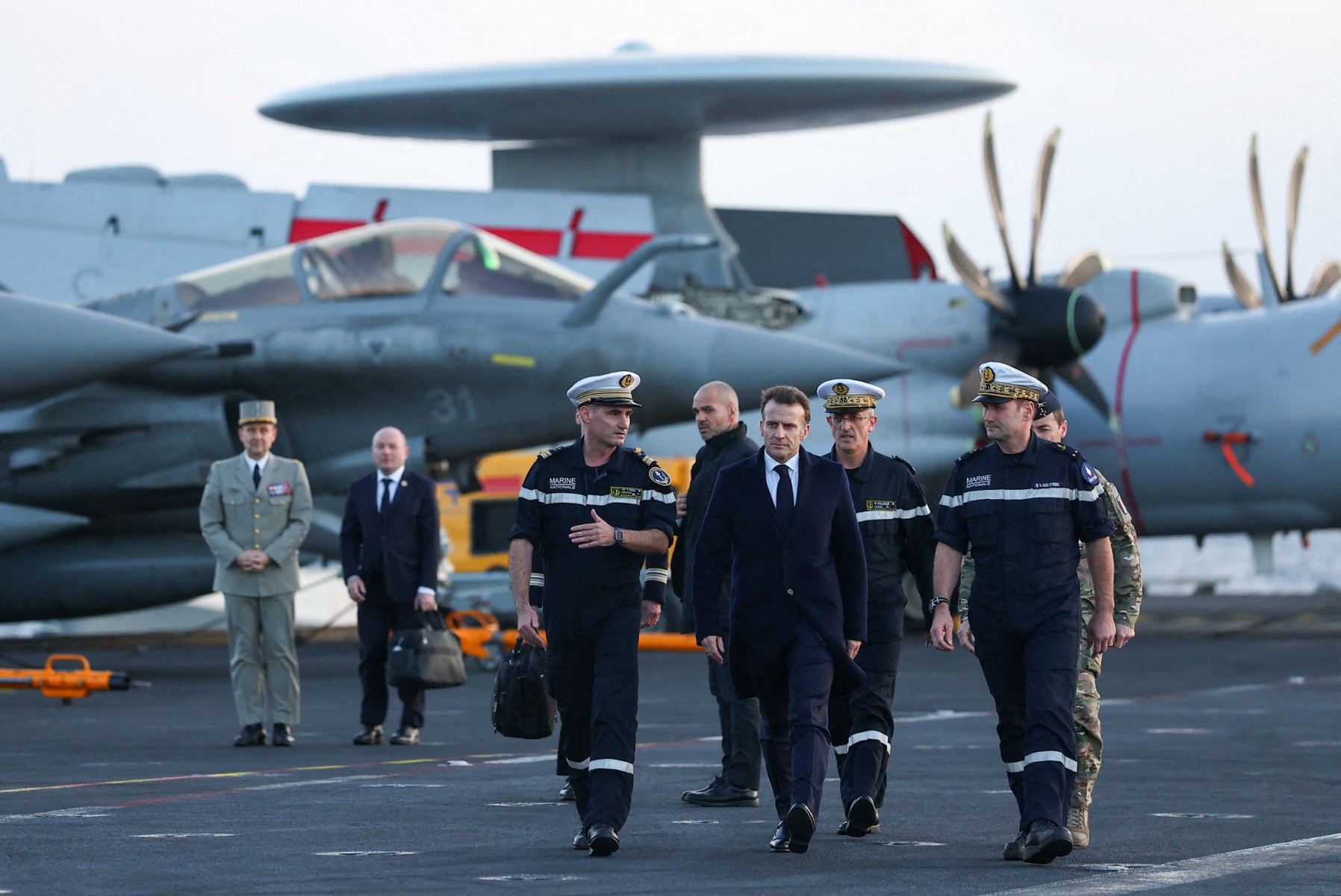
President Macron during a visit to the Charles de Gaulle off the coast of Cyprus. (AFP)
This presence could serve French diplomatic and economic interests without replacing the U.S. alliance, which remains central to Saudi Arabia. Washington's hesitations nevertheless create room for its Western partners to strengthen their own strategic ties in the region.
The stakes are also industrial and commercial: arms exports play an important role in French foreign trade, alongside sectors such as aerospace, luxury goods, and agribusiness.