

In the Event of a US Attack, Moscow and Beijing Will Not Come to Iran's Aid


Although Russia and China are among Iran's major strategic partners, their support for the Islamic Republic, weakened by internal protests and under threat from Donald Trump, would remain limited in the event of an American attack. According to several experts, neither Moscow nor Beijing is willing to confront Washington militarily.
Iran nevertheless holds a significant place in the geopolitical calculations of the two powers. Tehran contributes to the Russian war effort in Ukraine by supplying the famous 'Shahed' type drones that have greatly served Moscow's troops. Iran also came to Putin's rescue by re-exporting Scud-type ballistic missiles once acquired by the Islamic Republic, which produced a modernized version of them.
Iran is also a key player in oil exports to China and a member of the BRICS group. Subject to a strict international embargo due to its nuclear program, Tehran manages to circumvent sanctions by selling part of its crude oil to the Chinese market. The mullahs' regime thus secures a valuable inflow of foreign currency to sustain a bleeding economy. But this cooperation does not constitute a binding strategic alliance.
« Despite Tehran's efforts for decades, they have not succeeded in creating an alliance with Beijing and Moscow, » emphasizes Ellie Geranmayeh, an Iran specialist at the European Council on Foreign Relations (ECFR). She recalls that during the 12-day war in June, « China and Russia did not want to oppose the United States frontally. »
In the event of an American intervention, « both countries will prioritize their bilateral relationship with Washington, » she believes. « China is in a very delicate rapprochement process with Washington, and the Russians obviously want to have Trump with them on Ukraine: they each have much more important priorities than Iran. »
On the Russian side, the partnership with Tehran does not include direct military engagement. « Russia and Iran are allies, but the agreements concern political, diplomatic, and economic support, without a military support component, » specifies analyst Sergei Markov. For him, « the Ukrainian crisis is existential for Moscow and much more important than the Iranian crisis. »
Alexander Gabuev, a researcher at the Carnegie Endowment for International Peace, confirms that while « Iran is important » for Moscow, and Russia will do « whatever it can to keep the regime afloat, » its room for maneuver remains very limited. « Russia cannot become a giant market for Iran (in the midst of an economic crisis) and cannot grant a giant loan, » he notes, adding that military aid would remain conditioned by Russian needs in Ukraine.
Nikita Smagin, a specialist in Russian-Iranian relations, shares the same assessment: in the event of American strikes, Moscow « could do almost nothing. » « They don't want to risk a military confrontation with a great power, » he explains to AFP, mentioning at most the possibility of « sending weapons. » He specifies that this restraint is not solely linked to discussions about Ukraine, even if « using Iran as a bargaining chip would be entirely normal for Russia; it has already done so in the past. »
For Beijing, whose relations with Washington structure the global balance, support for Iran would remain essentially indirect. Assistance is conceivable « on economic, technological, military, and political levels » in the face of non-armed pressures, such as trade sanctions or cyberattacks, explains Hua Po, an independent Chinese analyst. However, in the event of strikes, « it would condemn the United States diplomatically » and strengthen its economic and military ties with Tehran « to help bog down the United States in a Middle Eastern war. »
For now, Beijing is exercising caution. « The Chinese are cautious as always and express themselves with restraint, » observes Théo Nencini, a specialist in Iran-China relations at Sciences Po Grenoble, recalling « two stakes for China: oil and regional stability. »
« China benefits from a weak Iran, which allows it to secure low-cost oil, representing 10% to 13% of its supplies, and to have a significant geopolitical partner without excessive cost, » he analyzes. Like Hua Po, he does not anticipate an escalatory reaction in the event of American strikes: « They will condemn diplomatically, but probably not take retaliatory measures. They haven't done so on many points in the past; I find it hard to see them engaging in a standoff with the Americans for Iran.»
Finally, « the current Iranian crisis will have a very limited impact on Sino-American relations, » concludes Hua Po, estimating that « the Iranian issue is not at the heart of relations between the two countries. Neither will break off its relations with the other because of Iran. »
In Search of Lebanon, from Beirut to the Vatican
UN: Paris Wants to Replace UNIFIL With a 'Different Type' of Presence
The Abolition of the Death Penalty: Ibrahim Najjar and Élie Keyrouz’s Long Fight
The Testament of Hassan Rifai
A ceasefire... yes, but what happens next?
More from LevantTime .
View All


More in Politics
View All


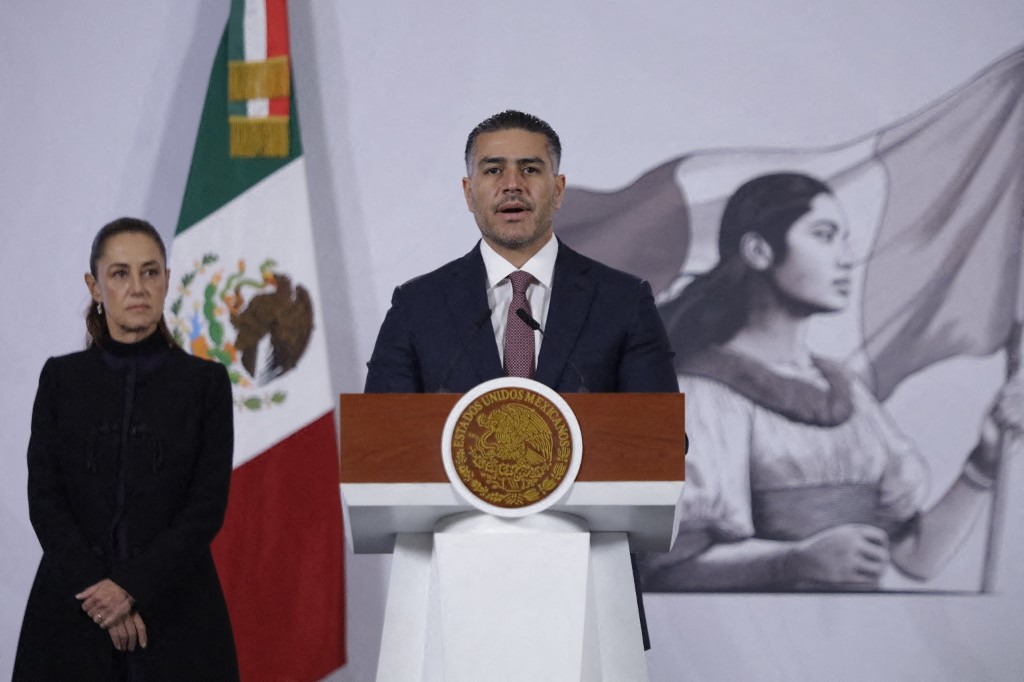

Mexico: after the Elimination of El Mencho, the Calm Before the Storm?

«Remaining»: Rekindle the Memory of the Victims of Political Assassinations Since 2005
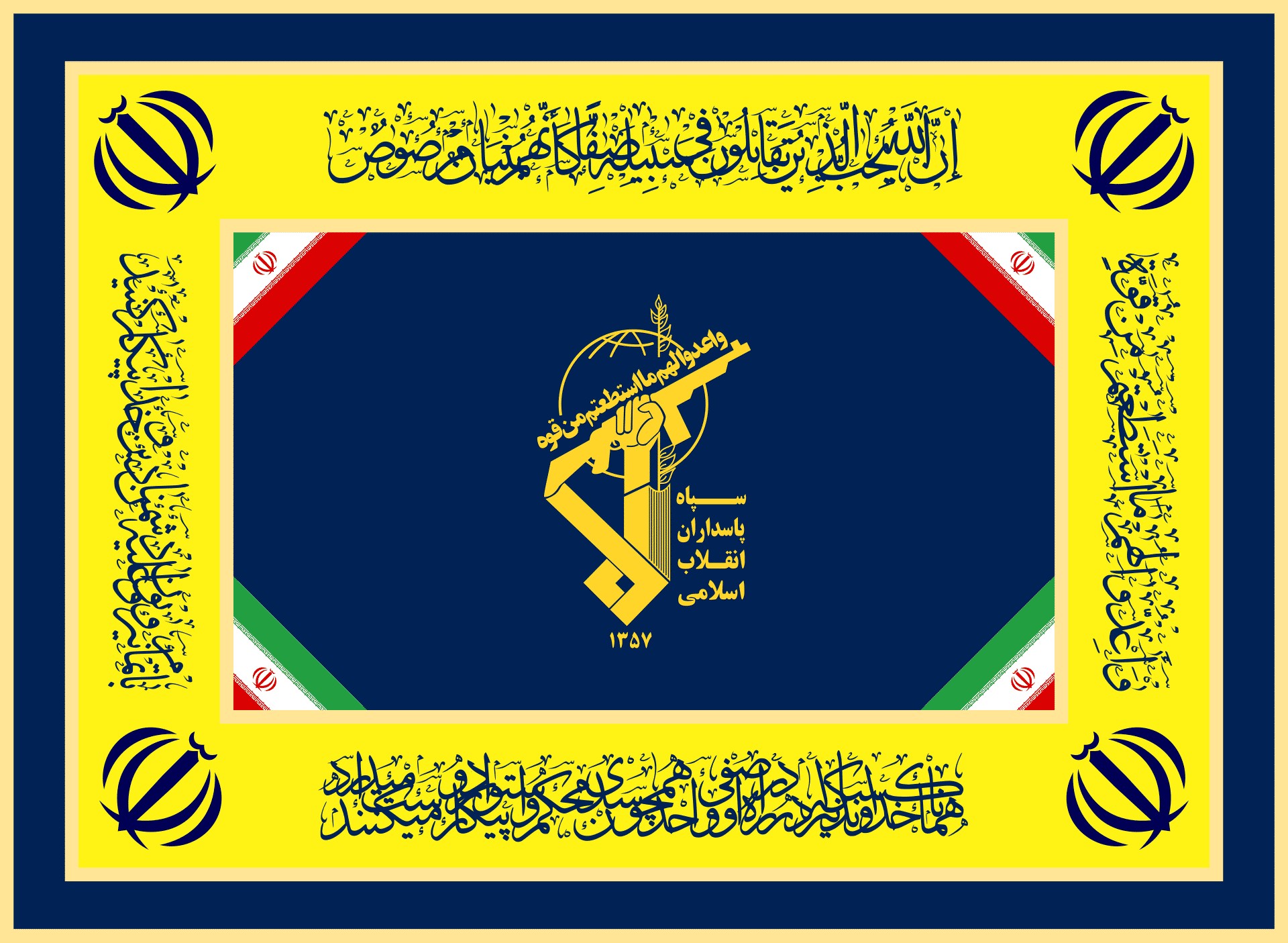
Revolutionary Guards, Supreme Organ of Repression
Tropic Thunder: Understanding US Interventionism in the Caribbean
Tropic Thunder: Understanding US Interventionism in the Caribbean
Latest from Levant Time
View All


