Logo Levant Time
Khalil Helou

Khalil Helou

Hezbollah-Israel: An Endless War in Whose Interests? (15)
Par
Khalil Helou
Publié
Sep 7, 2026 - 13:10

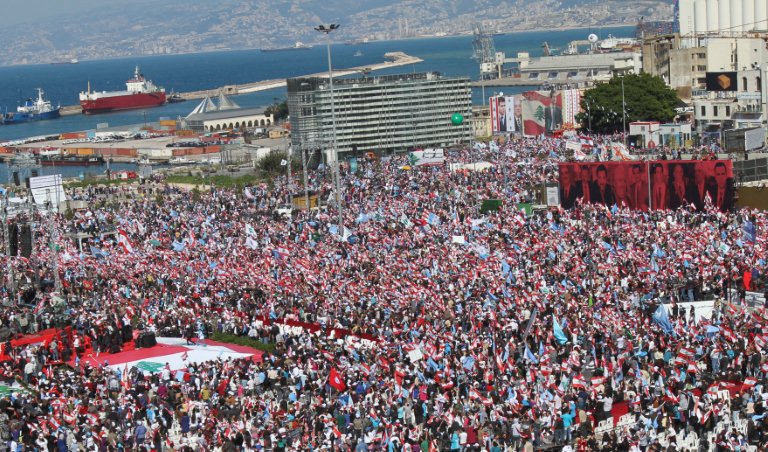
This series of articles offers a deeper understanding of the current situation in light of the past, steering clear of impassioned, ideological or romanticized narratives that miss the mark on reality. Our approach aims to leave it to the reader to draw the appropriate conclusions. The previous fourteen installments retraced the events surrounding Hezbollah's rise to power, its armed conflicts with Israel and its dominance over Lebanon, from the Taif Agreement to the Doha Agreement. May 2008, the mountain after Beirut. On May 7, 2008, Hezbollah and its allies (the Amal Movement and the Syrian Social Nationalist Party, SSNP) forcibly took over the offices of Saad Hariri's Future Movement in Beirut, along with much of the capital's Sunni neighborhoods, which formed the popular base of the March 14 coalition.
Mecca Pact: a Response to Regional Challenges (1/4)
Par
Khalil Helou
Publié
Sep 3, 2026 - 11:39

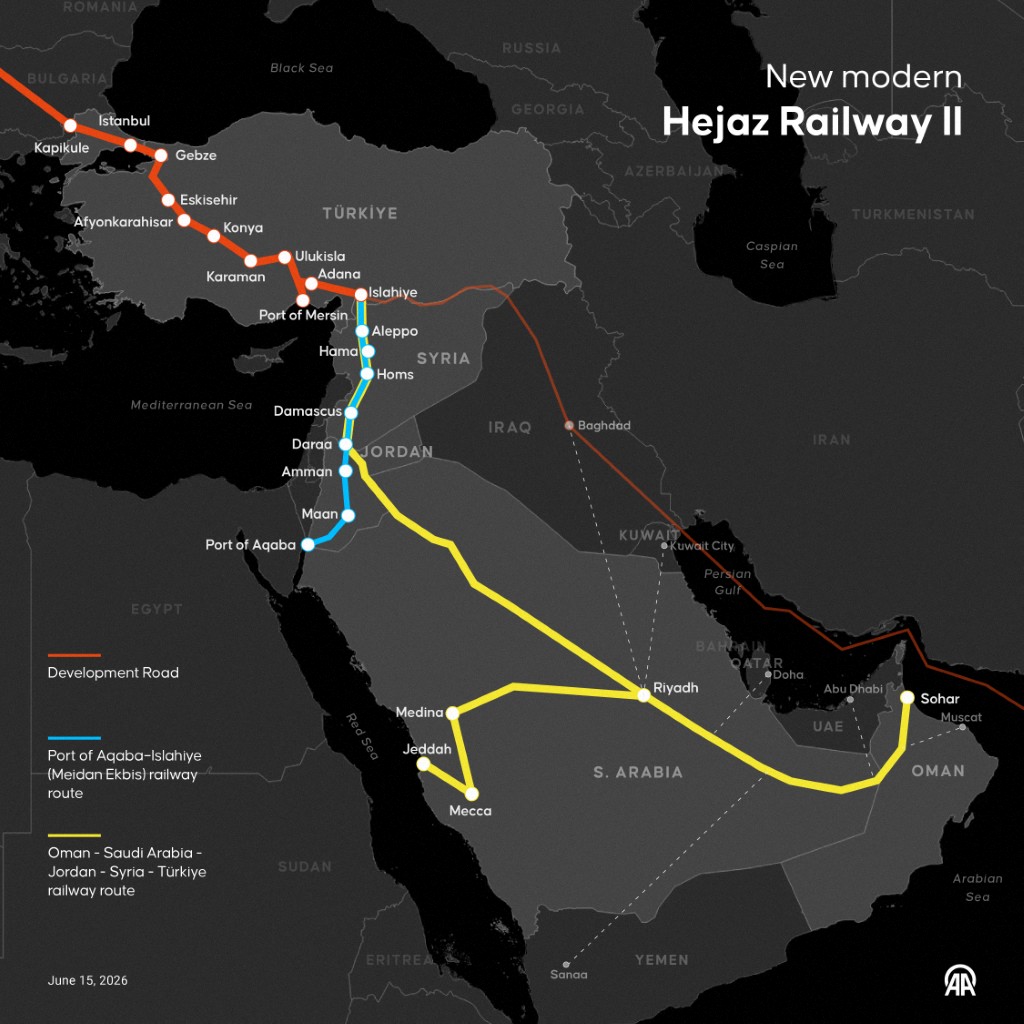
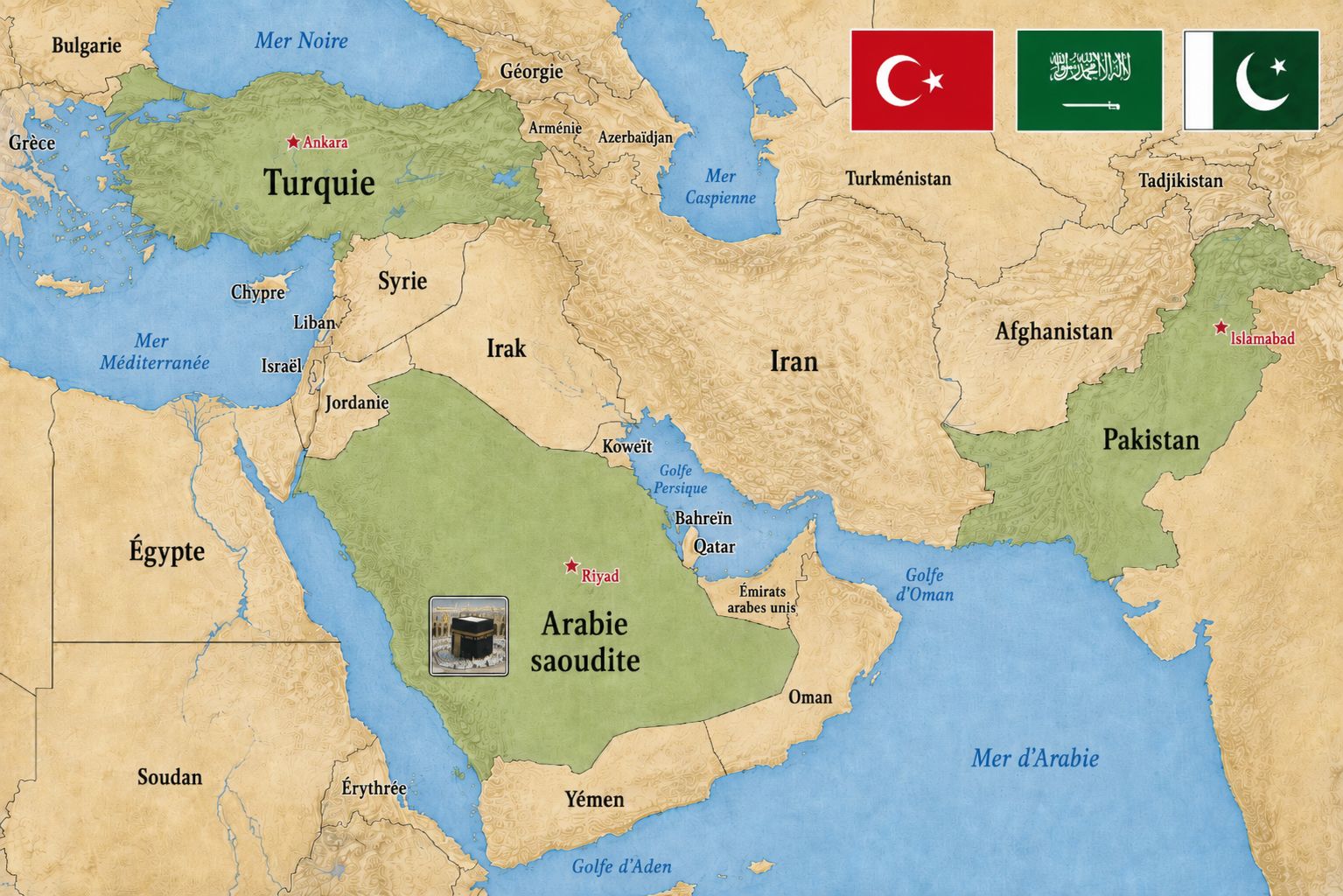
This first article in a four-part series on the Mecca Pact explores how Saudi Arabia, Turkey, and Pakistan converged and crossed a major strategic threshold by signing the Mecca Pact on August 7, 2026. Born out of rising regional tensions and the erosion of American security guarantees, this collective defense agreement could mark the emergence of a new autonomous security architecture at the heart of the Sunni world. Mecca is, without question, a highly symbolic venue for the signing of a pact. On August 7, 2026, the Al-Safa Palace in Mecca became the stage for a historic event whose shockwaves are reshaping regional and Asian geopolitics. Beneath the ceilings of this residence overlooking the Kaaba, Saudi Crown Prince Mohammed bin Salman (MBS), Turkish President Recep Tayyip Erdoğan, and Pakistani Prime Minister Shehbaz Sharif sealed an alliance that has come to be known as the Mecca Pact.

Hezbollah-Israel: An Endless War in Whose Interests? (14)
Par
Khalil Helou
Publié
Aug 5, 2026 - 02:02

This series of articles aims to provide a clearer understanding of the current situation on the Lebanese scene, viewed through the lens of history and free from passionate, ideological, or romanticized narratives that miss the realities on the ground — leaving readers to draw their own conclusions. The previous thirteen installments offered a reexamination of the events surrounding Hezbollah's rise to power, from the Taif Agreement through the incomplete implementation of UN Security Council Resolution 1701 in 2006. Since the end of the 33-day war with Israel in 2006, Hezbollah has worked to rebuild itself in terms of weaponry, reorganization, and redeployment. In short, it took a serious blow during that war, yet surprised Israel with its military capabilities. Over the following two years, it grew into a genuine armed force of regional stature, thanks to four key factors: battlefield experience; Iranian support; the Syrian land bridge (under the Assad regime) linking Tehran to Beirut; and the understanding between its Secretary-General Hassan Nasrallah and Lebanese President Emile Lahoud at the time.

Ankara at the Heart of NATO 3.0’s Southern Focus: What About Lebanon?
Par
Khalil Helou
Publié
Jul 29, 2026 - 16:01

In the NATO 3.0 framework that emerged from the Ankara summit (July 7-8), the Alliance has strengthened its ability to simultaneously address a continental threat in the East (Russia) and hybrid instability (terrorism, migration crises, military conflicts) on its Mediterranean and Middle Eastern flanks. For this second dimension, NATO is now relying on Ankara, which has not only become a major arms supplier to member states but has also established itself as a mediator between the West and the Moscow-Tehran axis. Turkey has refused to sever ties with Russia and Iran while containing the former in the Black Sea and the Caucasus, and the latter in Syria and Lebanon.

Hezbollah-Israel: An Endless War in Whose Interests? (13)
Par
Khalil Helou
Publié
Jul 27, 2026 - 13:05

This series of articles aims to provide a clearer understanding of the current situation on the Lebanese political scene in light of the past, free from passionate, ideological, or romanticized narratives that miss the underlying realities, leaving readers to draw their own conclusions. The previous twelve installments offered a reexamination of the events surrounding Hezbollah's rise to power, from the Taif Agreement through the deeply flawed implementation of UN Security Council Resolution 1701 in 2006. Two years before the 33-day war of 2006, and more specifically on September 3, 2004, under direct pressure from Bashar al-Assad's Syria, the Lebanese Parliament extended President Émile Lahoud's term by three years.

The Washington Summit: Between Hopes and Illusions
Par
Khalil Helou
Publié
Jul 23, 2026 - 23:37

The scene was impeccably choreographed in the Oval Office on Tuesday, July 21, 2026. On one side, Donald Trump, promising military aid and offering a spectacular economic opening by lifting a forty-year-old aviation embargo. On the other, Lebanese President Joseph Aoun, brandishing an official document presented as the definitive roadmap for disarming Hezbollah. To Western observers, the trade-off looked perfect: an extension of Lebanese state sovereignty in exchange for American sponsorship to permanently drive Iranian influence out of the Levant. Yet behind the obligatory smiles, handshakes, embraces, and witty remarks, this summit — however promising — risks becoming yet another diplomatic illusion.

The 'pilot zones': geopolitical sabotage in South Lebanon
Par
Khalil Helou
Publié
Jul 18, 2026 - 22:56

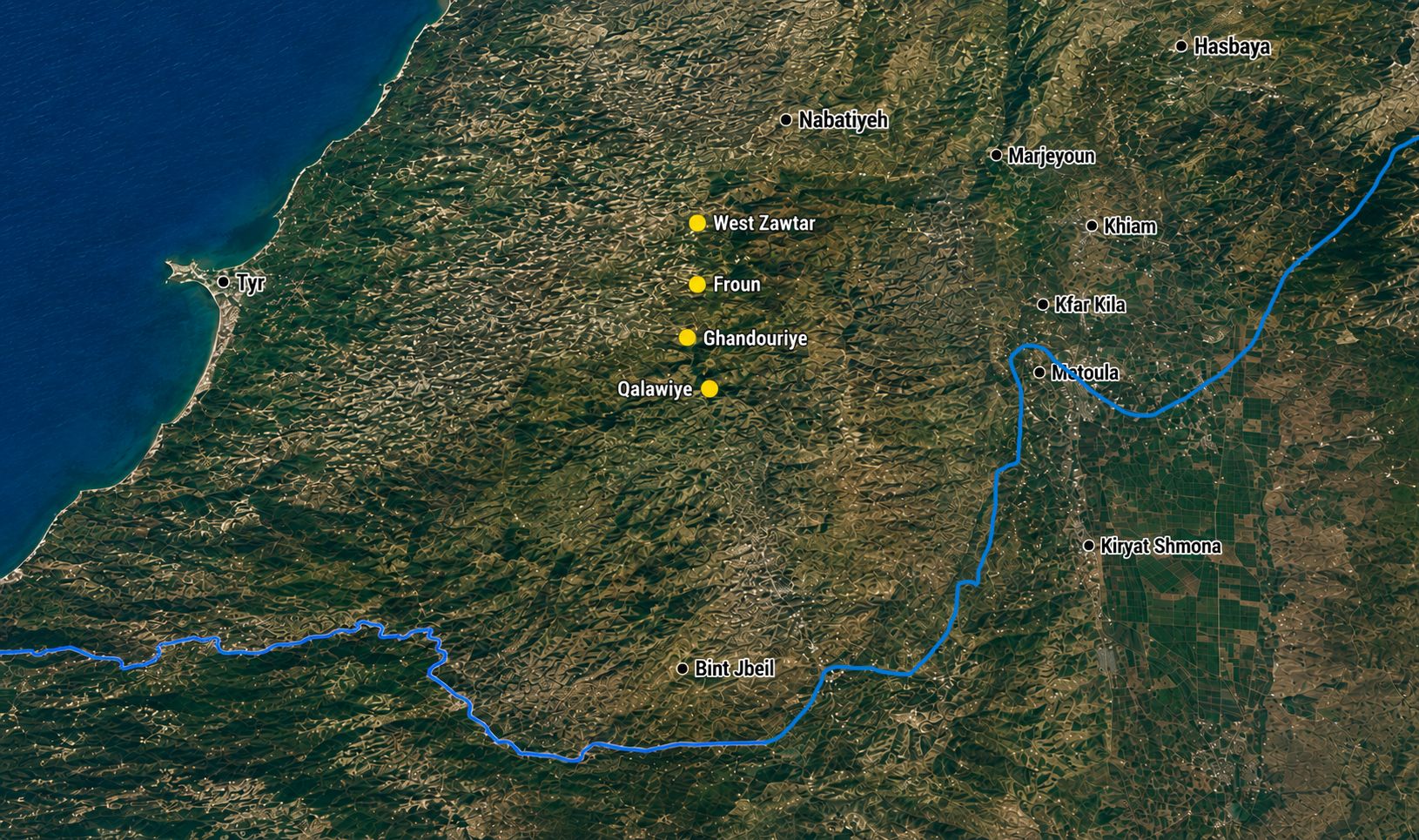
The trilateral framework agreement, negotiated under U.S. auspices and signed in Washington, introduced an ambitious mechanism to demilitarize southern Lebanon: the creation of "pilot zones." The initial phase of this project encompasses six key villages spread on both sides of the Litani River, namely Zawtar al-Gharbiyah north of the river, and Froun, Ghandouriyeh, Qalaouiyeh, and Burj Qalaouiyeh to its south. Under this framework, the Lebanese Army is tasked with deploying, establishing full control, and ensuring that these zones are entirely cleared of militia weapons. In return, Israeli occupation forces are required to carry out a gradual withdrawal.

Hezbollah-Israel: An Endless War in Whose Interests? (12)
Par
Khalil Helou
Publié
Jul 16, 2026 - 15:49

This series of articles is intended to shed light on the current situation through the lens of the past, far removed from passionate, ideological or romantic narratives that overlook the underlying realities. It is up to the reader to draw the appropriate conclusions. The previous eleven instalments revisited the events surrounding Hezbollah’s rise to power, from the Taif Agreement to the severely incomplete implementation of U.N. Security Council Resolution 1701 in 2006. From the very first Israeli withdrawal in May 2000, Lebanese President Emile Lahoud (1998-2007) and Hezbollah Secretary-General Hassan Nasrallah reached a fundamental understanding: the Lebanese state would legitimize Hezbollah, and in return, the movement would formally commit to respecting the country’s institutions and refrain from using its weapons in domestic political disputes. It would later become clear that the pledge was not only short-lived – it collapsed on May 7, 2008, when Hezbollah seized Beirut by force – but that its arsenal had, all along, exerted decisive influence over national decision-making.

NATO 3.0: The Awakening of the Ottoman Giant Within the Alliance (2/2)
Par
Khalil Helou
Publié
Jul 11, 2026 - 14:31

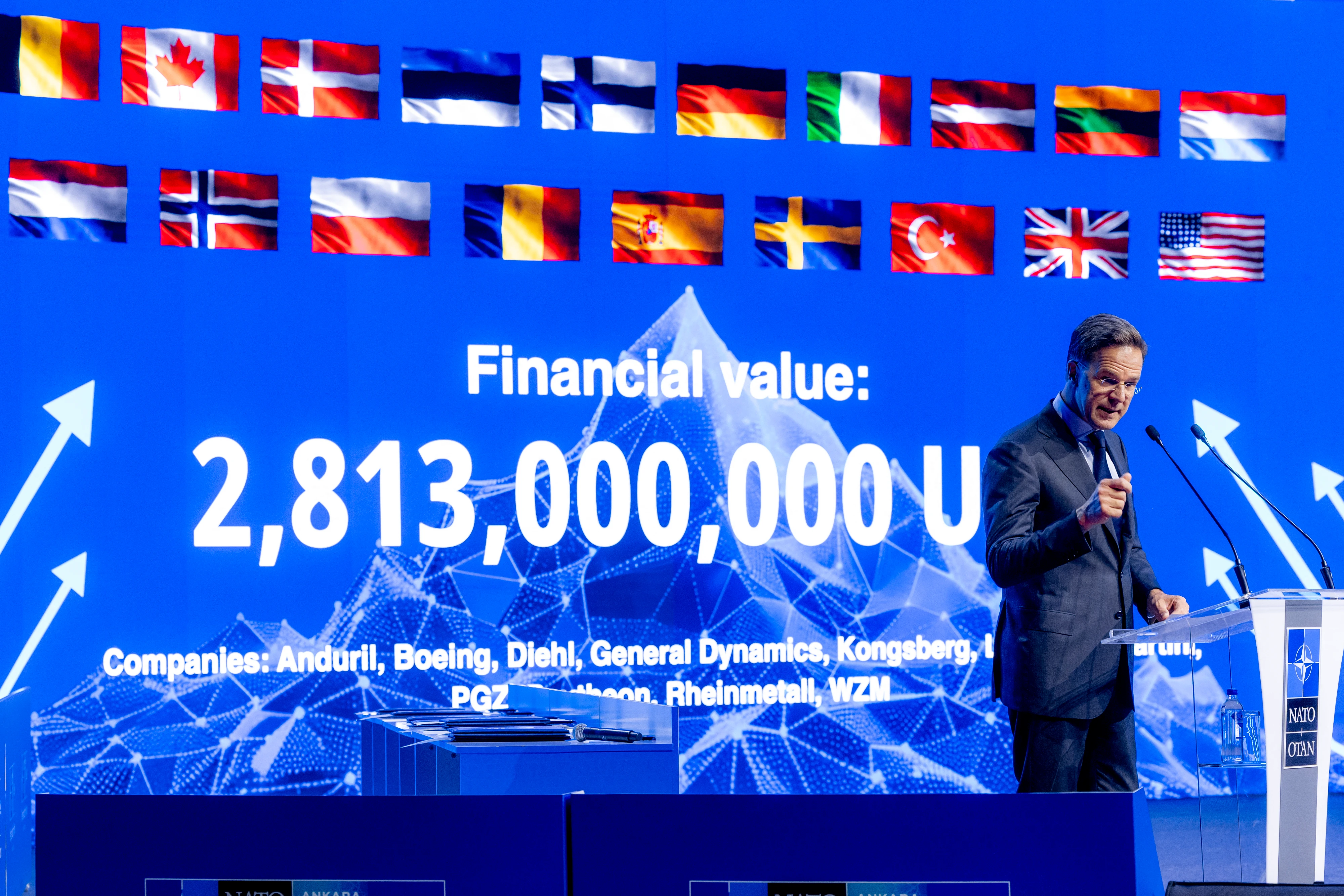
July 8, 2026 will go down as a pivotal date in the history of the Atlantic Alliance. The "Ankara Declaration," published at the close of the NATO summit held in Turkey, highlighted a profound transformation — technological, financial, and geopolitical alike. This shift to NATO 3.0 refocuses the organization on a doctrine of informational superiority and high-intensity territorial defense, with Turkey affirming itself as the southern cornerstone. A financial revolution: the Bank for Defence and Resilience One of the summit's most innovative aspects is its response to the financial challenges of rearmament. Although the European Union established the 150-billion-euro SAFE fund (Security Action for Europe) for defence in 2025 — from which Canada and Turkey are excluded — the Atlantic Alliance had to find its own solution to bring these countries on board. Against a backdrop where member states are committing to raising defence spending to as much as 5% of GDP, nine countries — including Turkey and Canada — announced the creation of the Bank for Defence, Security and Resilience .

NATO 3.0: The Awakening of the Ottoman Giant and the Rebalancing of Alliances (1/2)

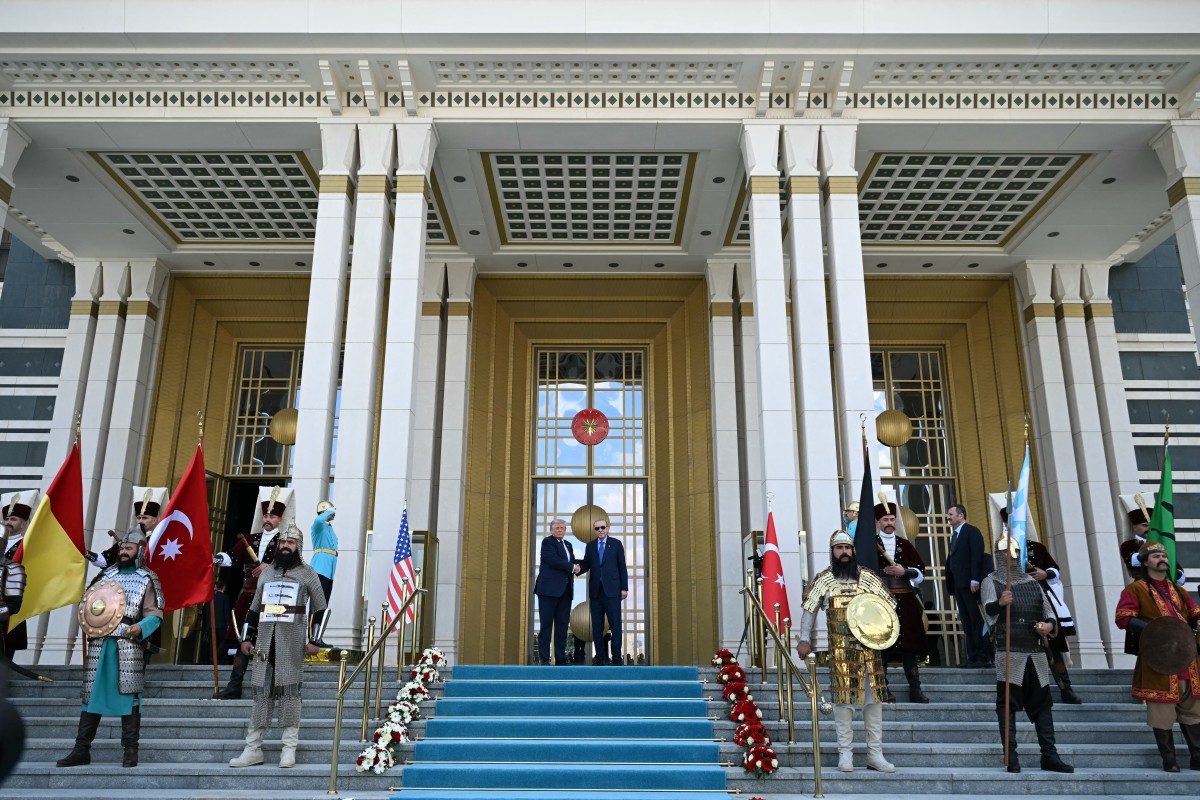
On July 8, 2026, Ankara became the scene of a strategic turning point for European and transatlantic collective defense. While President Recep Tayyip Erdoğan presiding, the opening of the 48-hour summit at the Beştepe Presidential Complex marked the official launch of what many officials and analysts are already calling “NATO 3.0.” The summit goes beyond diplomatic protocol: it reorients the Alliance’s institutional priorities in response to a range of challenges, including the protracted war in Ukraine, simmering tensions with Iran, the persistent threat of terrorism, and mounting concern over successive waves of migration.