

The economic and cultural impact of the Grand Egyptian Museum


In our previous articles, we briefly explored the construction of the Grand Egyptian Museum and highlighted its major role as a research center. We also reviewed some of the extraordinary treasures it houses. But what of its economic, cultural, and national significance for Egypt?
One of the Grand Egyptian Museum’s (GEM) primary roles is undoubtedly economic. It aims to attract tourists from across the globe, thereby playing a central part in the country’s economic dynamism.
Situated near the Giza pyramids, the GEM is a cornerstone of Egypt’s new tourism strategy, with the goal of drawing up to 30 million visitors annually by 2030. This would place it among the world’s most visited cultural institutions. Such an influx is expected to revitalize ancillary sectors such as hospitality, catering, transport, and even small local businesses, creating thousands of direct and indirect jobs.
The economic benefits of such a project would be – and already are – considerable, potentially accounting for up to 12% of Egypt’s GDP, according to preliminary estimates.
Experts predict that, between 2025 and 2030, the GEM could contribute 20 to 25% of Egypt’s tourism growth.
A Symbol of Cultural Sovereignty
"A people who do not teach their history is a people without identity," said François Mitterrand. With the GEM, this statement takes on tangible meaning: for the first time, Egypt is reclaiming its history and its identity.
It is the Egyptians themselves who tell their story and take charge of their destiny, and they are rightly proud. Listening to the testimonies of museum specialists and everyday visitors alike reveals the deep national pride the GEM inspires.
Thirty-three years after its inception, the Grand Egyptian Museum stands as a monumental achievement for the country, transcending architecture and museology. It demonstrates the nation’s ability to honor its millennia-old heritage while confidently projecting itself into the modern world. By granting unprecedented access to the wonders of ancient Egypt, the GEM serves as a bridge across the ages, transforming the Pharaonic past into a living heritage and a source of inspiration and pride for all of Egypt.
Restoring Its Scattered Treasures
The positive effects of constructing such a monument were felt immediately. Its inauguration has reignited calls for the return of major Egyptian artefacts held in Western museums, notably the Rosetta Stone at the British Museum, the bust of Nefertiti at Berlin’s Neues Museum, and the Dendera Zodiac at the Louvre.
Zahi Hawass, Egyptologist and former Minister of Antiquities, aptly noted that Egypt now boasts more than 22 museums meeting the highest international standards. He sought to challenge the common argument that the country lacks the necessary infrastructure to preserve its heritage.
The Netherlands, for instance, recently announced the restitution of a 3,500-year-old stone head from the reign of Thutmose III, seized at an art fair in Maastricht in 2022.
In conclusion, the construction of the GEM is celebrated in Egypt as a symbol of national unity and renaissance, reflecting the country’s ability to overcome challenges and fully valorize its heritage. It embodies the memory and continuity of Egyptian civilization, while serving as a platform for research and international collaboration in heritage preservation. It also positions Egypt as a leading nation and one of the Middle East’s foremost centers of cultural reference.
With the OIF, Francophone Literature Breaks Down Borders
Eva Gonzalès: Subtle Freedom Through the Brush
September News: The Battle of Lebanon
The Samir Kassir Festival, or the Lebanon Yet to Be Born
Why Habermas Remains Urgently Relevant
المزيد من Micha Moussallem
عرض الكل


المزيد في Culture
عرض الكل


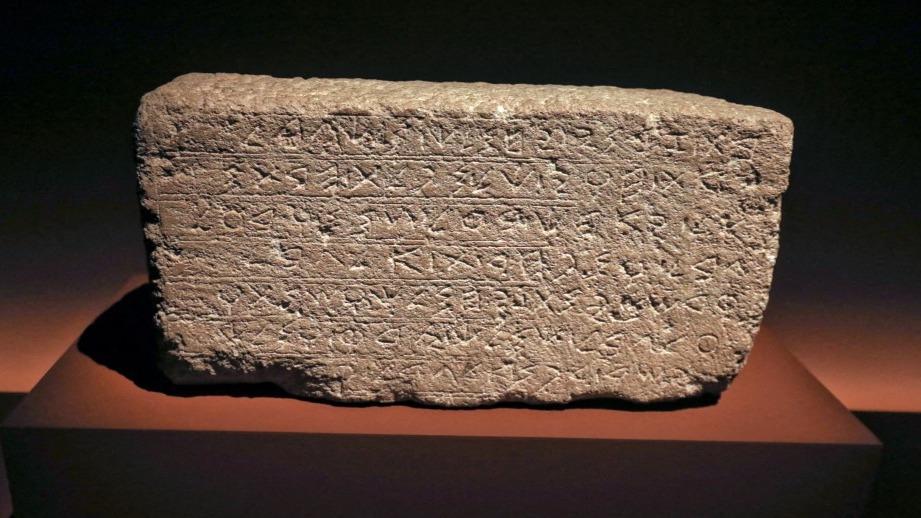

'Byblos' at the IMA: a cultural resistance in the face of war
الأحدث من Levant Time
عرض الكل


