

Studying in a State of Limbo: When Instability Becomes the Norm


One one hand there is war, and on another the terror it imposes. And then there is what’s in-between. This state of neither war nor peace—less dramatic but more insidious—creates constant tension and prevents any projection of future. This is where attrition sets in: motivation erodes, resources are depleted, meaning wavers. And learning is no exception. Imposed hybrid formats, unstable educational continuity, fluctuating commitment: in a Lebanon torn by turmoil, the university seems to hold on—but at the cost of a silent weakening. What was once the exception—switching from one format to another—has gradually become the norm. This is the first shift: when the unpredictable becomes structural, it no longer merely disrupts studies; it redefines their rules. Educational continuity, therefore, fragments. Classes shift between in-person and remote formats, sometimes canceled, more often dictated by circumstances than by academic choice. Yet learning requires a minimum of stability, a progression grounded in time. When this breaks down, knowledge does not simply pause—it dissolves. The university no longer merely transmits knowledge: it administers instability.
Added to this is an aggravating factor: each outbreak of war exacerbates the economic crisis. For some students, this means dropping out altogether; for others, it means being forced to switch to less expensive institutions, which are often less demanding. An academic path then becomes less of a choice and more of an adjustment.
But the most profound effect lies elsewhere. It is mental. Studying in an unstable environment demands a diffuse, constant vigilance. One never fully commits to a setting that one knows could collapse at any moment. This instability consumes a considerable portion of cognitive resources: one must constantly adapt—to formats, tools, and rhythms. The mind then shifts from a learning mindset to a management mindset. Concentration breaks down, and knowledge becomes secondary.
This tension leads to a gradual erosion of motivation. Studying requires belief in continuity—in one’s efforts, achievements, and a coherent path. When constantly reconfigured, this investment loses its clarity. The repeated shift from one mode to another prevents any lasting grounding. The resulting disengagement is often a rational response to an environment that has become incomprehensible.
The effects on academic performance are tangible. An imposed hybrid format introduces disruptions—in attention, in interaction, and in the very reception of content. Some students give up more easily in online settings, while others struggle to readjust to in-person classes. This imbalance reveals another divide: the widening of inequalities. Not everyone has the same resources to navigate between these formats—internet access, workspace, and independence.
It is within this gap that a more ambiguous twist makes its way. For while the constraints are very real, they can also be used as excuses. The system’s blurriness makes it harder to assess commitment. Some students use this to justify absences or poor performance. But this drift is not merely opportunistic: it also reflects a gradual disengagement, made possible—even facilitated—by a framework that is itself unstable.
Institutions, for their part, are walking a tightrope. Hybrid learning is featured as a solution; here, it functions as a stopgap. By constantly adapting, the system jeopardizes its own standards. Yet everyone knows that education lies at the foundation of every nation-state.
We speak of resilience. A word so often quoted that it ends up hindering another reality: that of a progressive lowering of standards. The question then becomes more radical: what remains of learning when conditions no longer allow for sustained commitment?
The problem, then, lies not only in access to classes, but in their format and the level of engagement they still inspire. Studying amid uncertainty means constantly adapting to unstable formats, maintaining a scattered focus, and endlessly rebuilding a framework that no longer holds together on its own. And, implicitly, a more brutal question: what’s the point, when lives are as threatened as the future they are supposed to open up?
In this context, the deepest risk may not be failure. But rather settling permanently into a deteriorated mode, into a lowered standard—which, over time, becomes the norm.
Collège de Nazareth at Risk of Closure
Harassment, Bullying: Women Are the Prime Targets of AI
The Philippe Chebaya Center for Children with Special Needs: A Beacon Above the Holy Valley
World Cup: Collective Emotions and Identifications in Lebanon
Training, Digital Development, AI: La Francophonie's Work in the Middle East
Mais de Nanette Ziadé-Ritter
Ver tudo


Mais em Society
Ver tudo


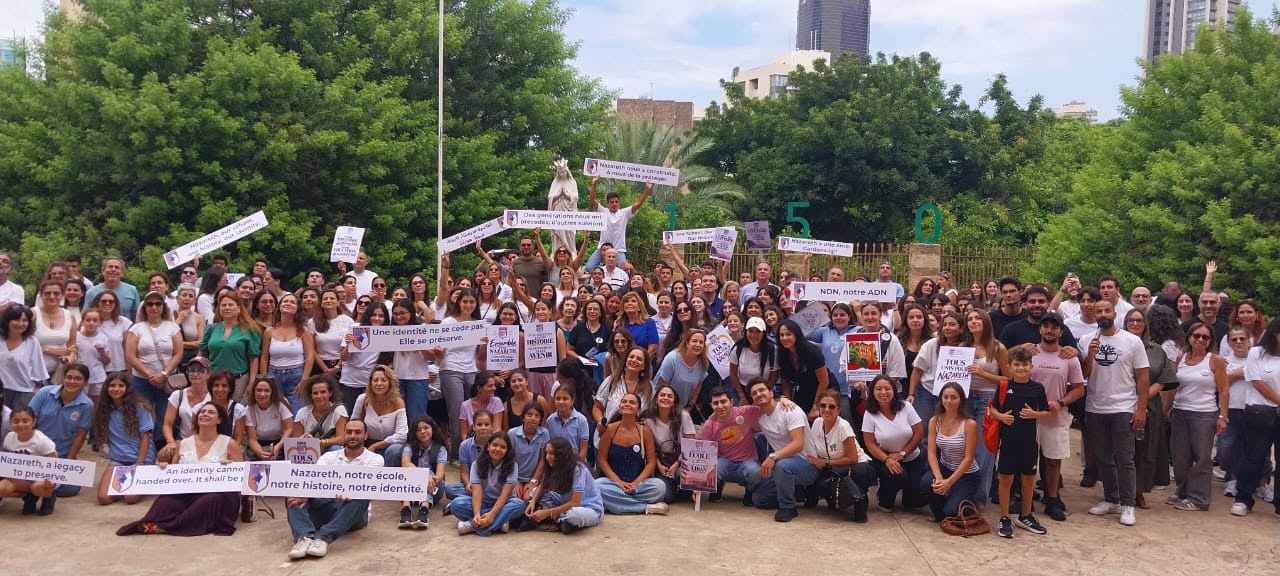

Nazareth's Extended “Family” Stands United Against the Proposed Sale
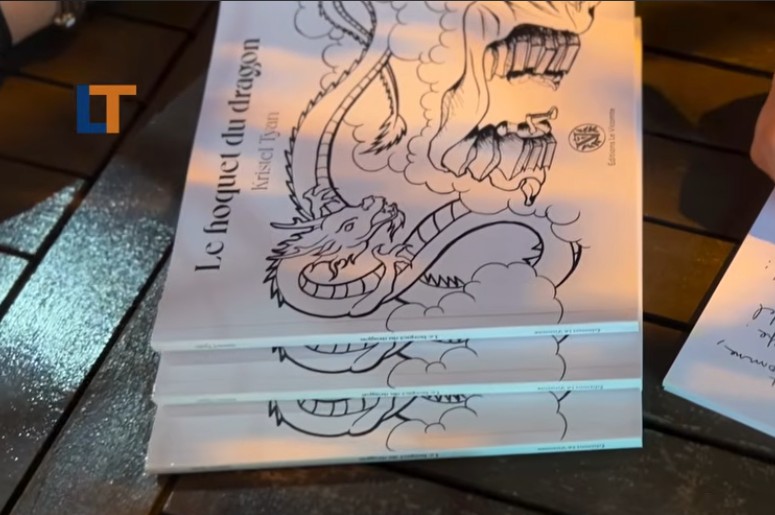
The Dragon’s Hiccup: The War Through The Eyes of a Child
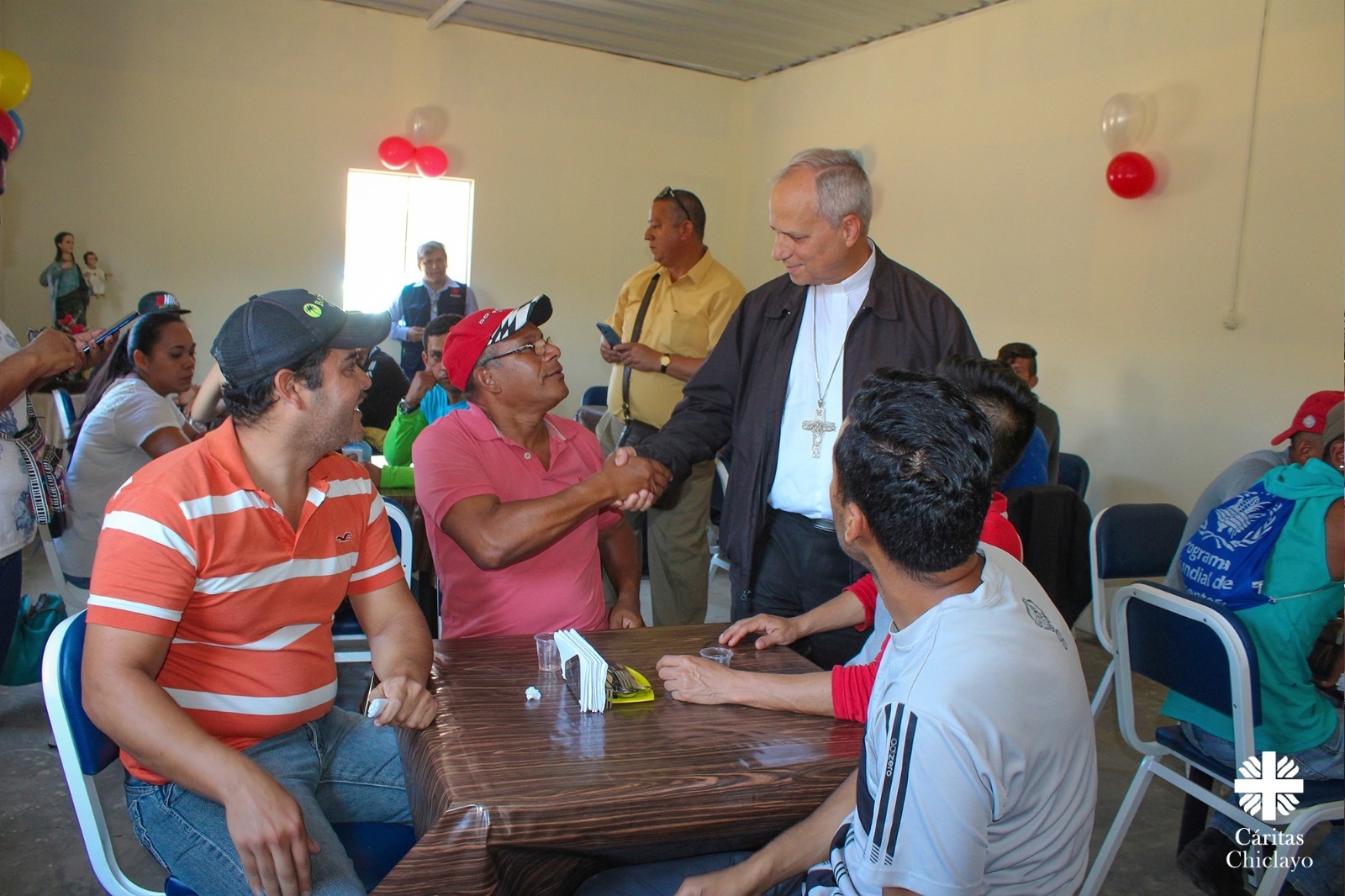
Habemus: Peru, at the heart of Leo XIV's life
O mais recente do Levant Time
Ver tudo


