
By
Nanette Ziadé-Ritter
Published
Aug 24, 2026 - 15:04
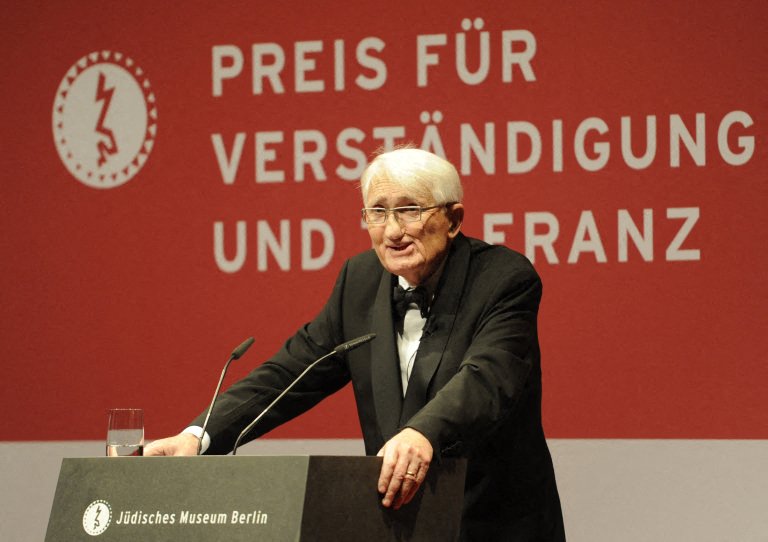
At a time when public debate can seem to be running out of steam, the thinking of German philosopher Jürgen Habermas stands out as a singular compass and remains strikingly relevant today, as it offers a way of thinking about secular modernity, the place of religion, the nation-state and nationalism in a European context, and critical thought more broadly, all through the lens of “discourse ethics” and “dialogue free of domination.” Within this framework, Habermas rejects the notion that good and evil can be defined by an absolute authority, a fixed tradition or an unquestionable metaphysical truth. Instead, he argues that they must be worked out rationally among free and equal individuals in an open space for dialogue.