Levant Time logo
Michel Touma

Michel Touma

The Israeli army occupies new positions in South Lebanon
By
Michel Touma
Published
Mar 3, 2026 - 21:22

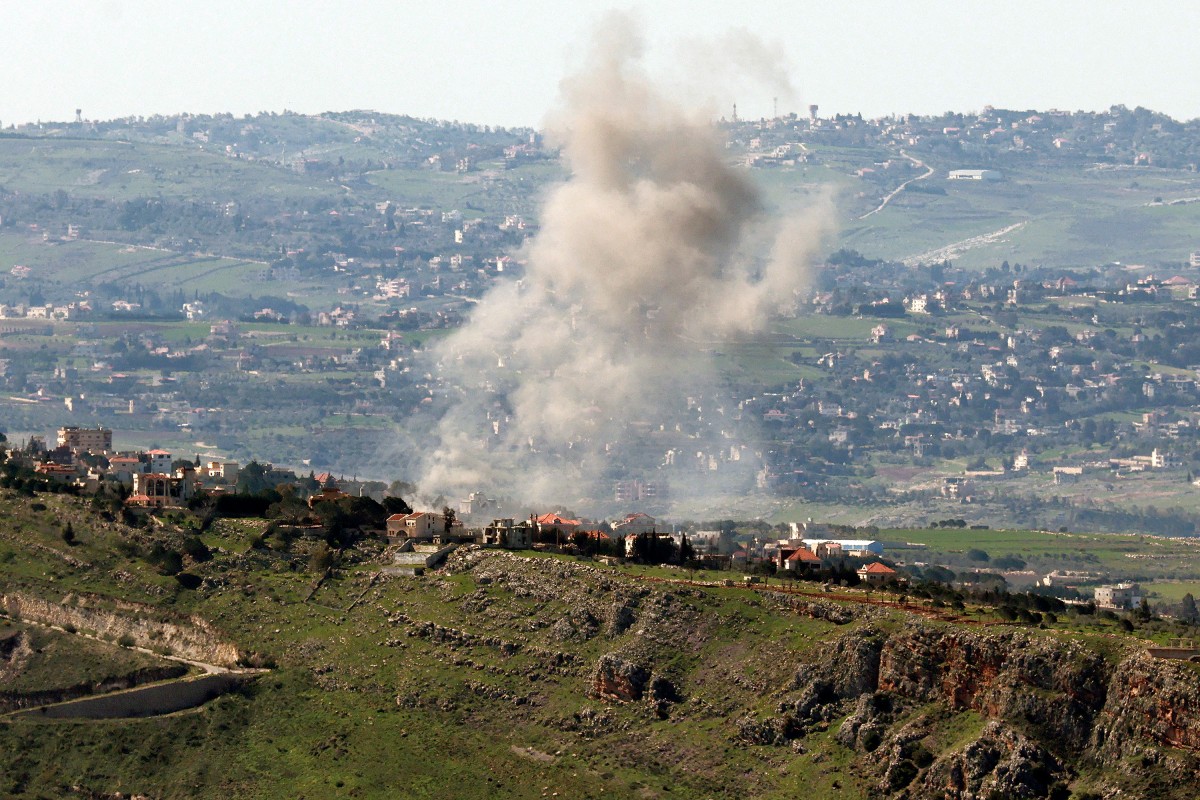
The initiative taken by Hezbollah on the night of March 1 st to March 2 to reactivate the South Lebanon front, presumably at the request of the Iranian Revolutionary Guard Corps, will it lead to a return of Israeli occupation in part of the country's southern region? This question was acutely raised on Tuesday, March 3, 2026, in light of the announcement by Israeli Defense Minister, Israel Katz, of the Hebrew State's decision to "take control of additional areas" in South Lebanon "to protect border communities." Clearly, the Israeli army will advance into Lebanese territory and occupy new sectors that will be added to the five strategic positions from which the IDF had not withdrawn after the implementation of the ceasefire agreed upon in November 2024.
The Lebanese Government Declares Hezbollah's Military Action Illegal
By
Michel Touma
Published
Mar 2, 2026 - 19:16

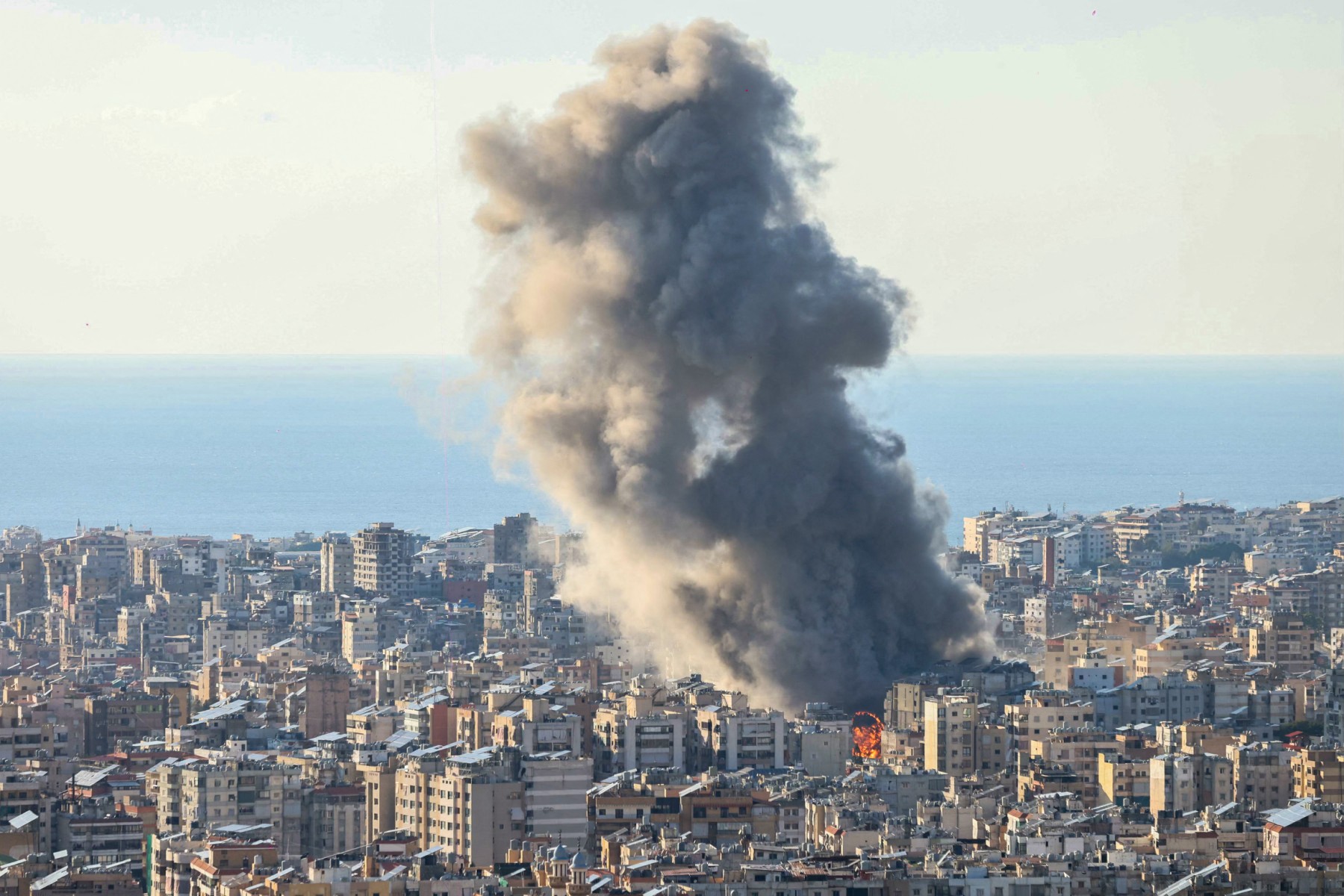
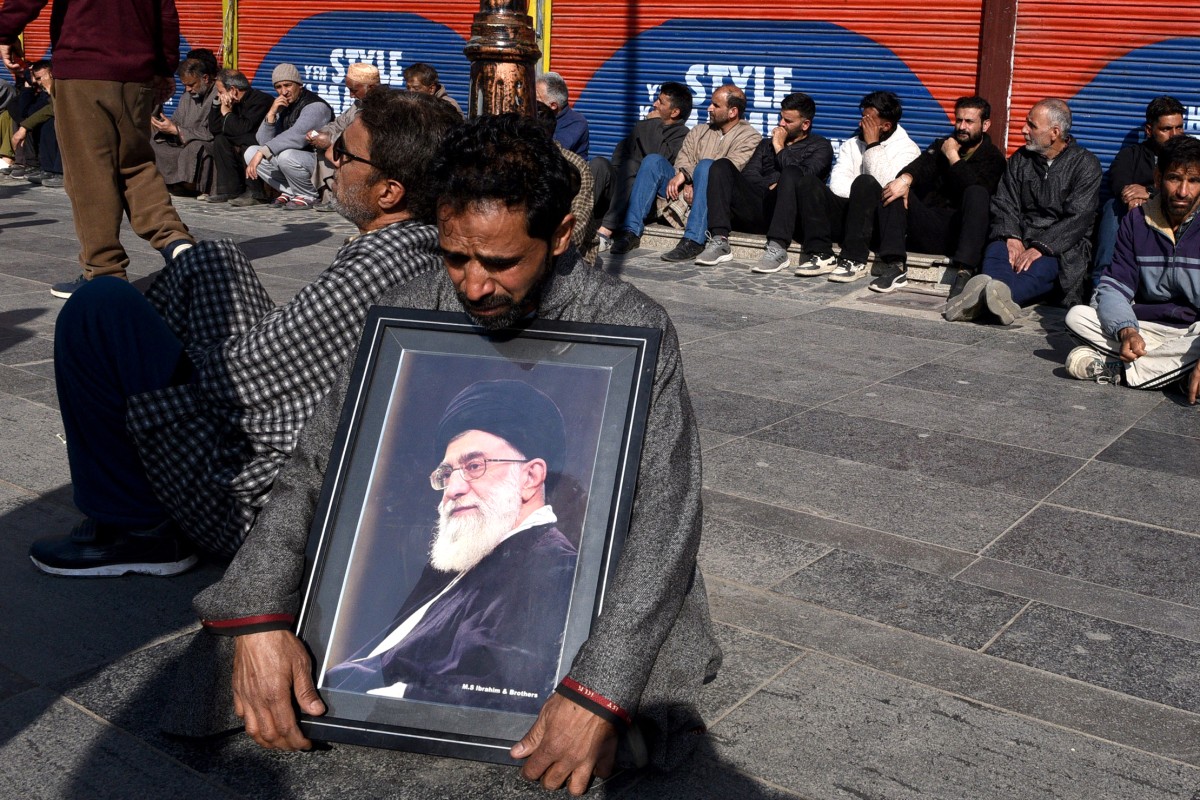
On the third day of the US-Israeli offensive against the Iranian regime (the joint operation "Roar of the Lions"), developments accelerated on the military front and spread to Lebanon. During the night of Sunday, March 1st, to Monday, March 2nd, and throughout Monday, the Lebanese front erupted in violence following missile attacks launched by Hezbollah against northern Israel, particularly the Haifa region. Brazenly disregarding the clear position of almost all local political factions and, above all, the central government, which explicitly warned the pro-Iranian party against any attempt to become involved in the Iranian conflict, Hezbollah nevertheless made the suicidal decision to drag Lebanon into this war (yet another pointless war) to avenge the death of the Supreme Leader of the Islamic Republic, Ali Khamenei, killed last Saturday, February 28, during the first Israeli airstrike in Tehran.

To Avenge Khamenei, the Revolutionary Guards Unleash Fury on All Fronts
By
Michel Touma
Published
Mar 1, 2026 - 17:17

On the second day of the US-Israeli offensive against the Iranian regime, military operations escalated on Sunday, March 1, 2026, in a manner that could be described as "qualitative" due to the official confirmation in Tehran of the death of the Supreme Leader of the Islamic Revolution, Ali Khamenei, killed in the first airstrikes carried out on Saturday morning, February 28, against his residence in the Iranian capital. The Leader's death was confirmed overnight from Saturday to Sunday by state television, and the authorities immediately declared a forty-day period of national mourning. The announcement of Khamenei's death sparked popular jubilation and celebrations in the streets of Tehran and several other major cities. The Iranian regime, however, asserted that the United States and Israel had crossed "a red line," declaring that the response would be "swift and decisive." Indeed, the mullahs' regime launched a full-scale attack on Sunday morning to avenge the death of the Supreme Leader.

Israeli-US offensive: objective, "the eradication of the mullahs' regime"
By
Michel Touma
Published
Feb 28, 2026 - 13:08

The Iranian people — along with other populations across the Levant — had long awaited this D-Day. The intensive American and Israeli air raids launched early this Saturday morning, February 28, do not appear to be a limited, one-off strike confined in time and scope. On the contrary, they seem to signal the prelude to a comprehensive and radical offensive — both militarily and politically — against the mullahs’ regime in power in Tehran. This assessment stems not only from the breadth and scale of the U.S.-Israeli air strikes, but above all from the televised and radio address delivered in the morning by President Donald Trump (likely recorded Friday evening).

The Crisis of the Iranian Regime: Uproot Rather Than Prune…
By
Michel Touma
Published
Feb 19, 2026 - 14:58

In times of total war or acute existential crisis, when the fate of an entire population hangs in the balance, timid and hesitant half-measures are no longer acceptable. When a nation faces the expansionist and hegemonic designs of a power unbound by law or principle, and when a tyrannical, blood-soaked regime commits large-scale massacres with impunity – striking indiscriminately at civilians, at youths, at teenagers – such extreme circumstances demand clarity. They require a firm, unequivocal stance, far removed from cynical equivocation or evasive maneuvering. That is, beyond any doubt – as readers will have guessed – the situation with the regime currently in power Iran.

Beware of the Trivialization of Massacres in Iran
By
Michel Touma
Published
Feb 6, 2026 - 13:14

Secretary of State Marco Rubio hit the nail on the head, without mincing words. Showing himself paradoxically not very 'diplomatic' on this occasion, he displayed magnificent frankness by summarizing in a few words, in a short laconic phrase, the basis of the Iranian crisis from the perspective of the strained relations between Washington and the Islamic Republic. 'The leadership in Iran is in no way a reflection of the Iranian population (…). I'm not sure we can reach a deal with these people'... These remarks echo those made in the same vein by former French Minister of Foreign Affairs and Defense Jean-Yves Le Drian, who is well acquainted with the centers of power in Tehran, having dealt with them. 'They are very good at trickery (…),' he emphasized in a televised interview. 'Their only concern is to buy time and (ensure) the longevity of the regime.'

Iran: Facing State Terrorism, End the Complacency
By
Michel Touma
Published
Jan 28, 2026 - 13:14

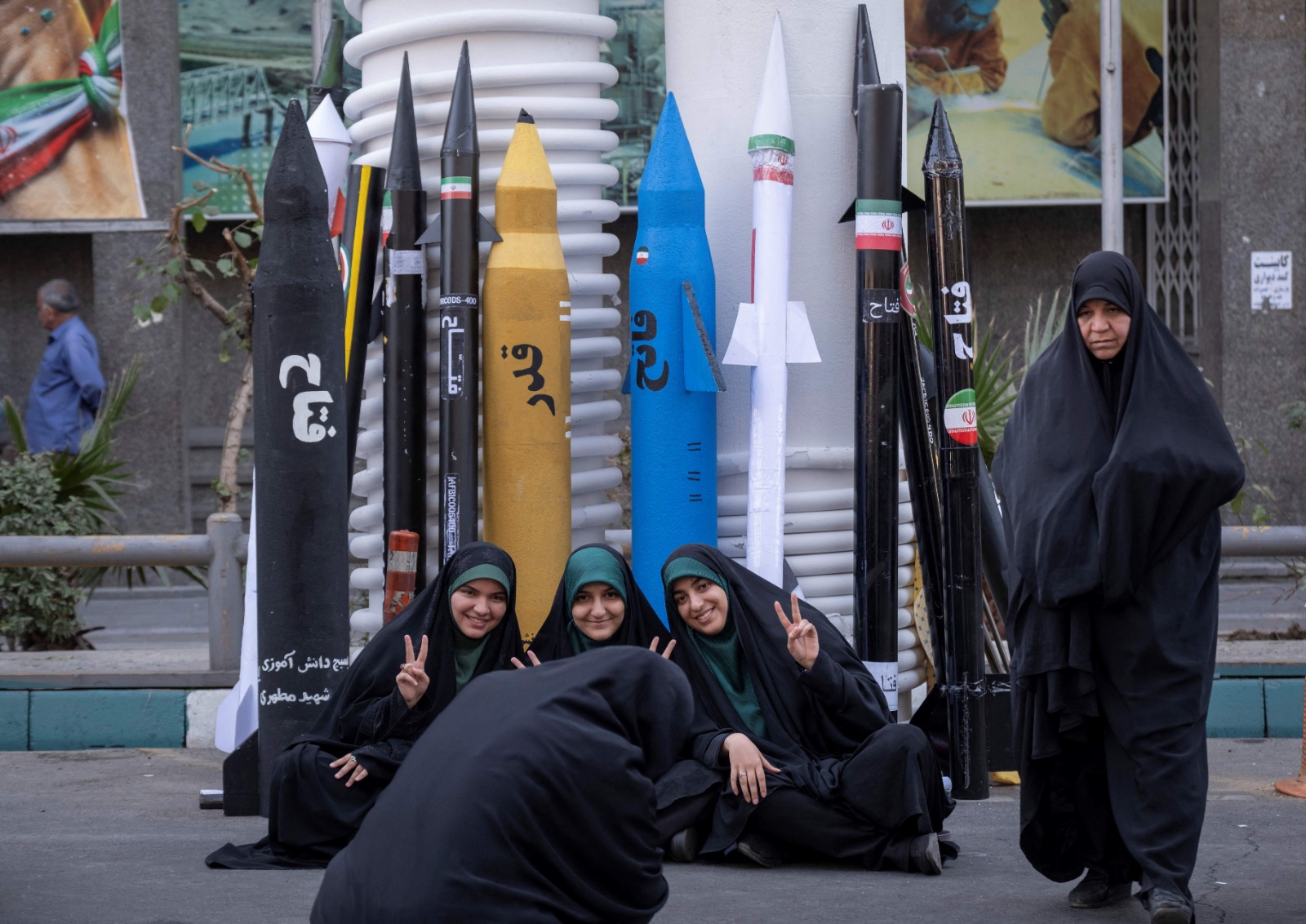
Thus, after the 'brilliant' military performance (!) of the 'support war' for Hamas and Gaza, Sheikh Naim Kassem now promises us a new 'support war,' but this time with the objective of coming to the aid of an even more distant regional actor: Ayatollah Khamenei and the Islamic Republic of Iran. The leader of Hezbollah has therefore decided, or rather has announced (since he is not the one who decides on such matters…), that the Lebanese must show blind self-sacrifice, without any limit, up to the ultimate sacrifice, to 'defend' (?) a foreign force… For all those who still had some doubts in this regard, or who refused to acknowledge the truth, Sheikh Naim Kassem has just brilliantly confirmed what was, for informed observers, a truism: Hezbollah is not a Lebanese party. Its members are indeed Lebanese, but its political decisions, its line of conduct, its political project, are transnational and take no account of local realities or the higher interests of the Land of the Cedars.

For a return to the political legacy of Mohammed Mehdi Chamseddine
By
Michel Touma
Published
Jan 26, 2026 - 19:26

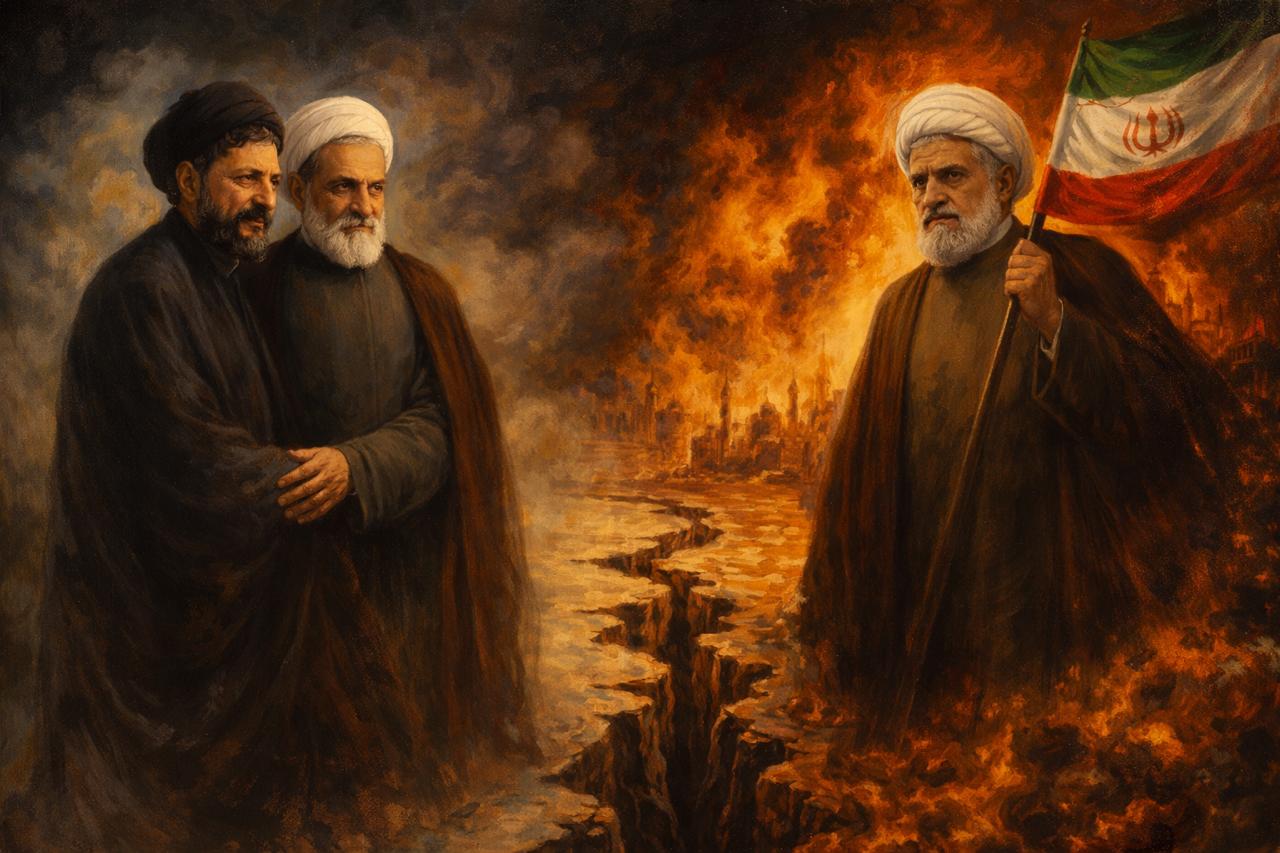
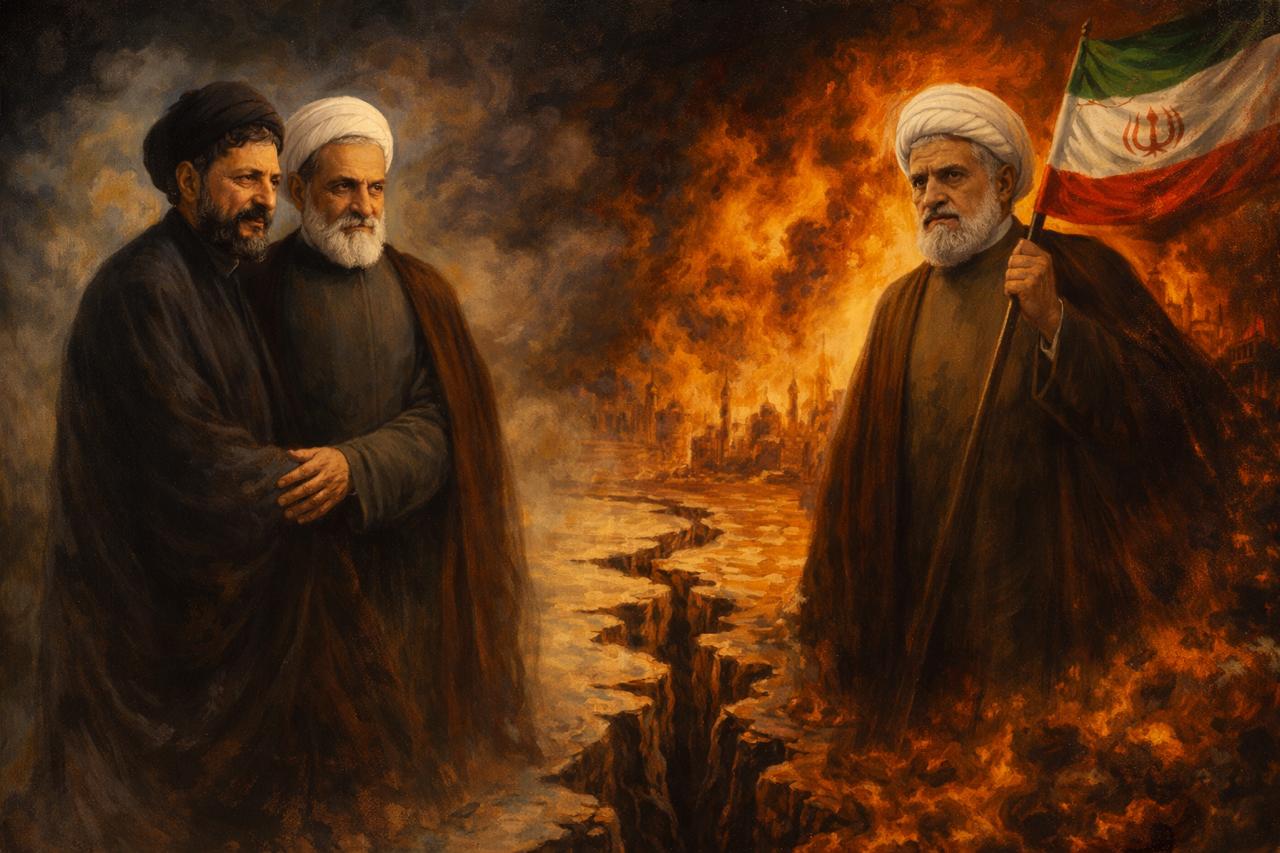
Lebanon and, more specifically, the Shiite community commemorated a few days ago the 25th anniversary of the death, on January 10, 2001, of the former president of the Supreme Shiite Council (SSC), Imam Mohammed Mehdi Shamseddine. The man who was, for more than two decades, the spiritual leader of the Lebanese Shiite community, succeeding Imam Moussa Sadr – who mysteriously disappeared during a visit to Libya in 1978 – left behind a political 'will' whose existence and true scope are ignored (or concealed...) by many Lebanese and foreigners, particularly in academic and journalistic circles. The historical and truly existential dimension of this legacy is highlighted by the dramatic developments currently unfolding in Lebanon and the region.

For a return to the political legacy of Mohammed Mehdi Chamseddine
By
Michel Touma
Published
Jan 19, 2026 - 13:42

Lebanon and, more specifically, the Shiite community commemorated a few days ago the 25th anniversary of the death, on January 10, 2001, of the former president of the Supreme Shiite Council (SSC), Imam Mohammed Mehdi Shamseddine. The man who was, for more than two decades, the spiritual leader of the Lebanese Shiite community, succeeding Imam Moussa Sadr – who mysteriously disappeared during a visit to Libya in 1978 – left behind a political 'will' whose existence and true scope are ignored (or concealed...) by many Lebanese and foreigners, particularly in academic and journalistic circles. The historical and truly existential dimension of this legacy is highlighted by the dramatic developments currently unfolding in Lebanon and the region.

A suicidal political blindness
By
Michel Touma
Published
Jan 4, 2026 - 10:10

The leaders of the Islamic Republic of Iran, or at least the top brass of the Revolutionary Guard Corps (the Pasdaran), likely did not read, or even try to understand, La Fontaine's fable, "The Frog Who Wished to Be as Big as an Ox," when they were at the height of their power. Had they done so, they would undoubtedly have recognized that they could not compete with powers possessing potential, in every domain, that was light-years away from their actual "divine" capabilities through ideology, empty slogans, fiery speeches, populism, demagoguery, and, above all, terrorism. If they were aware of the realities of this world, they would have been far more realistic in their expansionist and geostrategic ambitions.