Logo Levant Time
Youssef Mouawad

Youssef Mouawad

In Lebanon, One Form of Domination Replaces Another
Par
Youssef Mouawad
Publié
Aug 1, 2026 - 15:16

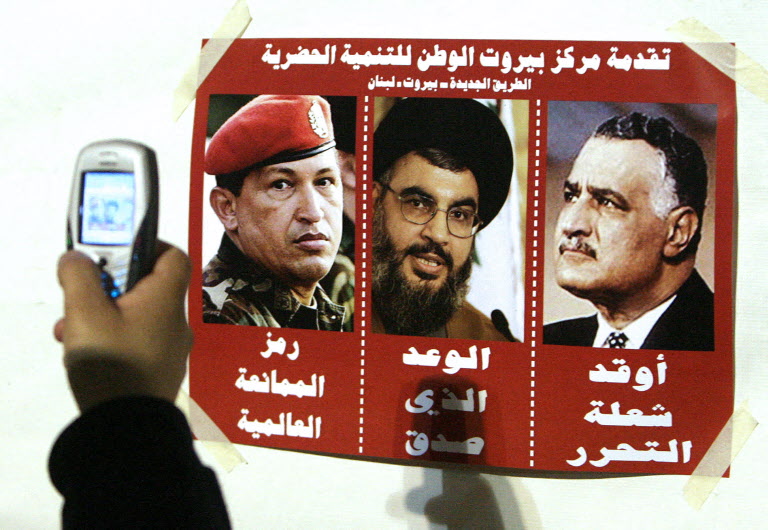
One could almost believe that Lebanon has lived only according to the rhythm of foreign capitals: there was the Egyptian era under Nasser, the Palestinian era under the PLO, the Syrian era under the republican dynasty of the Assads, and, of course, the Iranian era, when Hezbollah took control through intermediaries. What makes the Lebanese experience particularly distinctive is that whenever the influence of one Arab or foreign regime began to fade or disappear, another quickly stepped in to replace it. As though it were only natural, since nature abhors a vacuum and our politicians have never wished to renounce servitude.
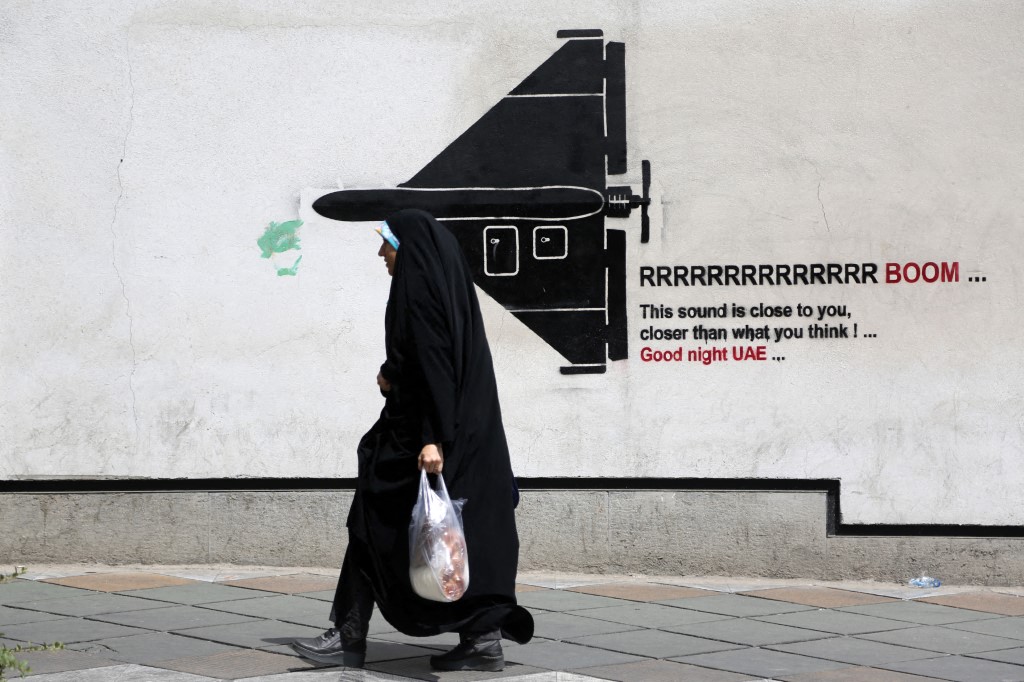

At Hormuz: Coercive Diplomacy Meets the Madman Theory
Par
Youssef Mouawad
Publié
Jul 25, 2026 - 01:14

Hold on tight! By bombing Iran for the umpteenth consecutive night, the United States would allegedly have been doing nothing more than trying to communicate with Tehran. Each strike on a military or civilian target — every radar destroyed, every launch pad taken out, every oil refinery hit — would count only as a message to the adversary. It would merely be a signal to resume or continue talks under certain conditions! Or so Thomas Schelling, winner of the 2005 Nobel Prize in Economics, would have argued. In his view, it is precisely when cannons roar and fire rains from the sky that belligerents exchange messages and communicate with one another — war being nothing more than a form of negotiation carried out by other means.

Did We Betray Our Country on June 26?*
Par
Youssef Mouawad
Publié
Jul 18, 2026 - 13:57

When we have been driven back by enemy fire; when the adversary has stormed our cities, razed so many towns and villages, and forced our fellow citizens from their homes; when it has demonstrated that it can keep advancing until it encircles our capital; and above all when, weary of war, those who clamored for battle finally pleaded for a ceasefire, it stands to reason that, at the negotiating table, one cannot afford to be overly fastidious and may have to compromise on certain principles, such as national sovereignty and territorial integrity. Defeated France had to cede Alsace-Lorraine to the Kaiser's Empire in 1871; likewise, Germany, upon signing the Treaty of Versailles in 1919, was compelled to accept, among other humiliating terms, the demilitarization of the Rhineland and the reduction of its army to one hundred thousand men.

How Much Distance Should Lebanon Keep from Syria?
Par
Youssef Mouawad
Publié
Jul 11, 2026 - 10:06

Can Lebanon and Syria ever enjoy calm, balanced relations founded on mutual respect? It is difficult to believe so when our relationship has so often been governed by hostility, suspicion, and threats carried through. Throughout our shared history, no humiliation has been spared us, regardless of the regime ruling in Damascus. Take, for example, what befell our small country beginning in August 1948, when Khaled al-Azem*, then Prime Minister of Syria, imposed "controls on imports and an embargo on goods destined for Lebanon." In the collective memory of our fathers' generation, his name remains forever associated with the closure of the Syrian-Lebanese border in 1949—a decision driven by political motives as well as protectionist policies. It amounted to an attempt to suffocate Lebanon economically and force it into submission. Even then, Lebanon served as Damascus's whipping boy—long before Abdel Hamid Khaddam turned it into his favorite scapegoat.

Hezbollah, Where Is Your Victory? Where Is Your Sting?
Par
Youssef Mouawad
Publié
Jul 4, 2026 - 13:17

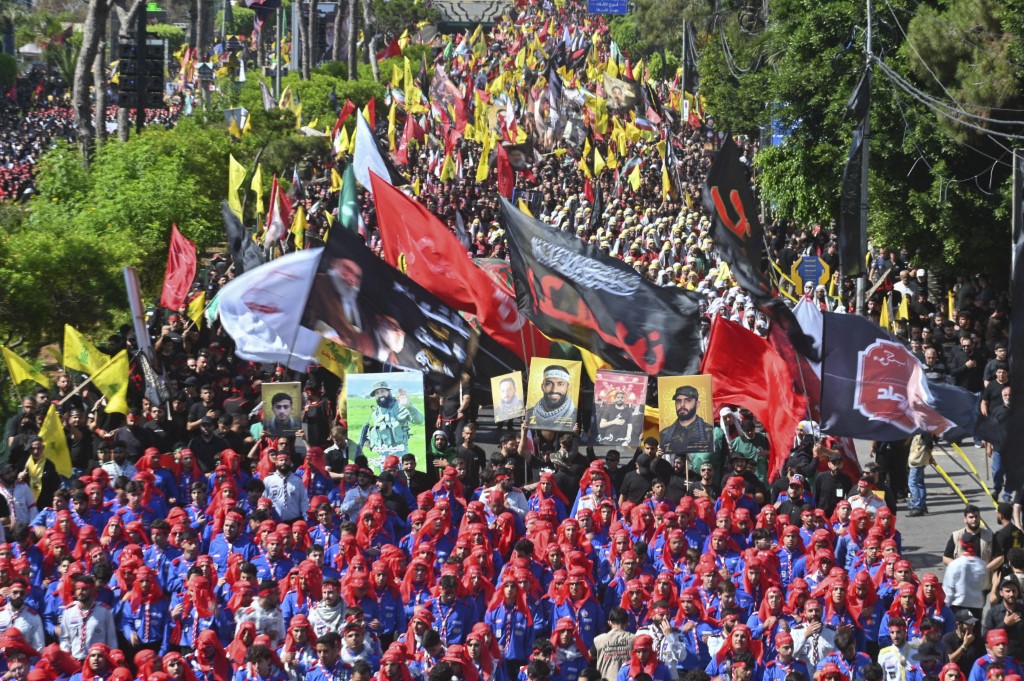
Nada Hamadé Mouawad, how have you managed to become so unpopular in the circles of Naim Qassem, in Dahiyeh and beyond? Did you have any idea that the signature you affixed in Washington on June 26 would trigger demonstrations across several parts of the country? So much so that our army had to intervene overnight to restore order on the road leading to Beirut International Airport. And all this simply because you fulfilled your patriotic duty: using diplomacy to secure the withdrawal of the IDF from the southern regions it still occupies. How criminal it is to deny the obvious! It is not armed resistance that can liberate Jabal Amel, but negotiations and diplomatic talks conducted under American auspices.

Who Won? Who Lost? We Don't Know Anymore!
Par
Youssef Mouawad
Publié
Jun 27, 2026 - 13:24

In the aftermath of the disastrous June 1967 war—the so-called Six-Day War—the Arab countries were forced to confront a bitter reality: Egypt had lost the Gaza Strip and the Sinai Peninsula; the Hashemite Kingdom had been stripped of Jerusalem and the West Bank; while Syria had ignominiously withdrawn from the Golan Heights. Yet the Baath regime in Damascus, refusing to assume responsibility for a historic defeat, suggested that Israel had not truly won as long as it had failed to overthrow the Syrian regime. As long as the regime remained standing, Tel Aviv could not claim victory. This attitude of denial would set a precedent whenever the Arabs suffered a Waterloo. And so, true to form, Hezbollah’s Secretary-General, raising his voice despite the retreat, proclaimed on the eve of Ashura commemorations the victory of the Party of God “against the conspiracy woven by the alliance of the United States and Israel, under the cover provided by the Lebanese state.”

Hey Iran, What Business Is It of Yours?
Par
Youssef Mouawad
Publié
Jun 20, 2026 - 00:50

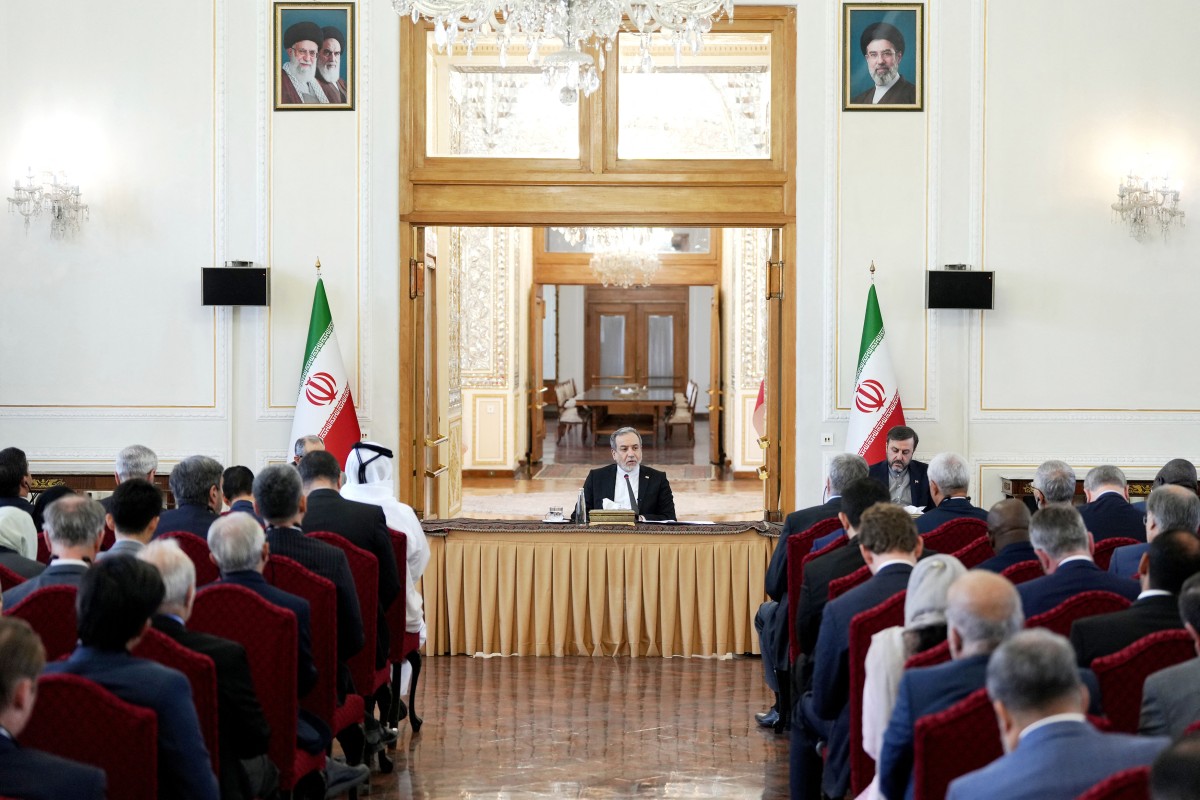
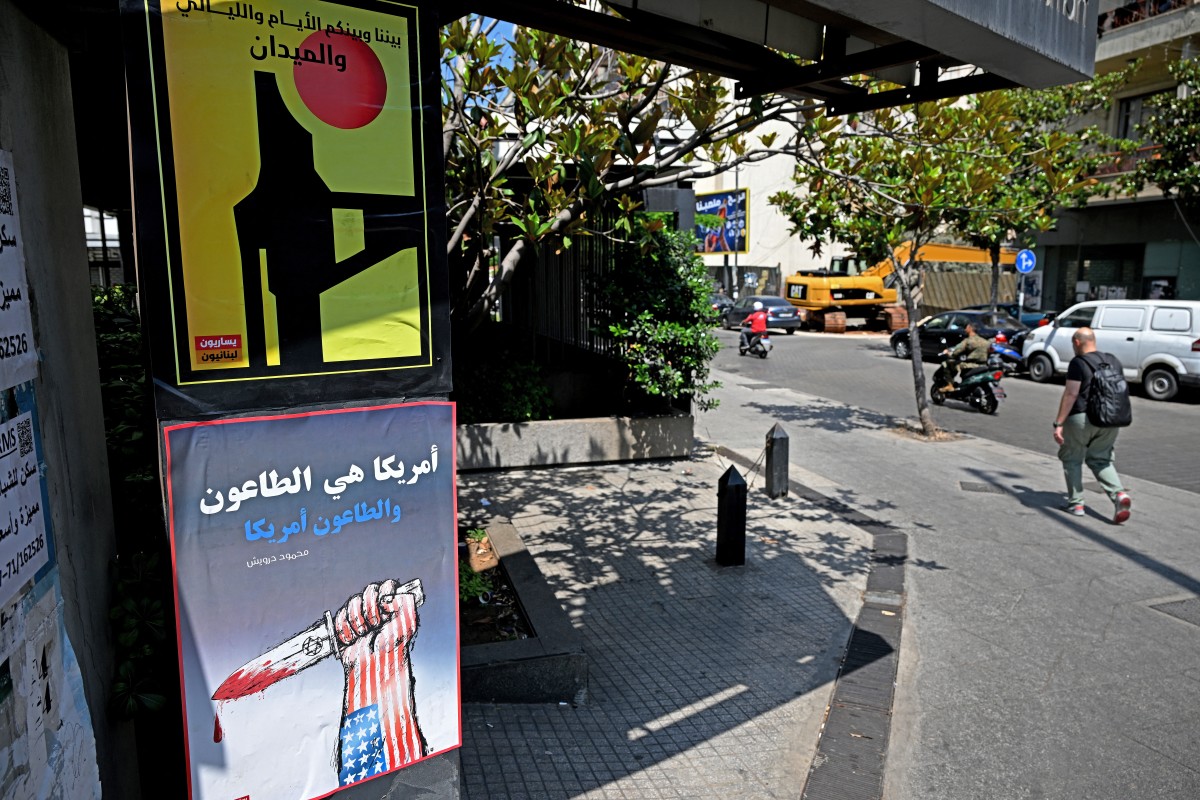
The question, phrased this way, may come somewhat late in the day. Yet it has the merit of being asked in explicit terms. Under what rule of law or international convention does Iran interfere in Lebanese affairs? And how has it managed to do so with complete impunity for more than forty years? Taking advantage of the collapse of the state, this interference has taken the form of military, political, and financial support provided to Hezbollah, to the point of involving our country in conflicts and confrontations that were never on the agenda of its legitimate government. How does one flirt with a diplomatic incident without actually causing one?

At Baysarieh and the Palais Bourbon, a Wind of Revolt…
Par
Youssef Mouawad
Publié
Jun 13, 2026 - 00:26

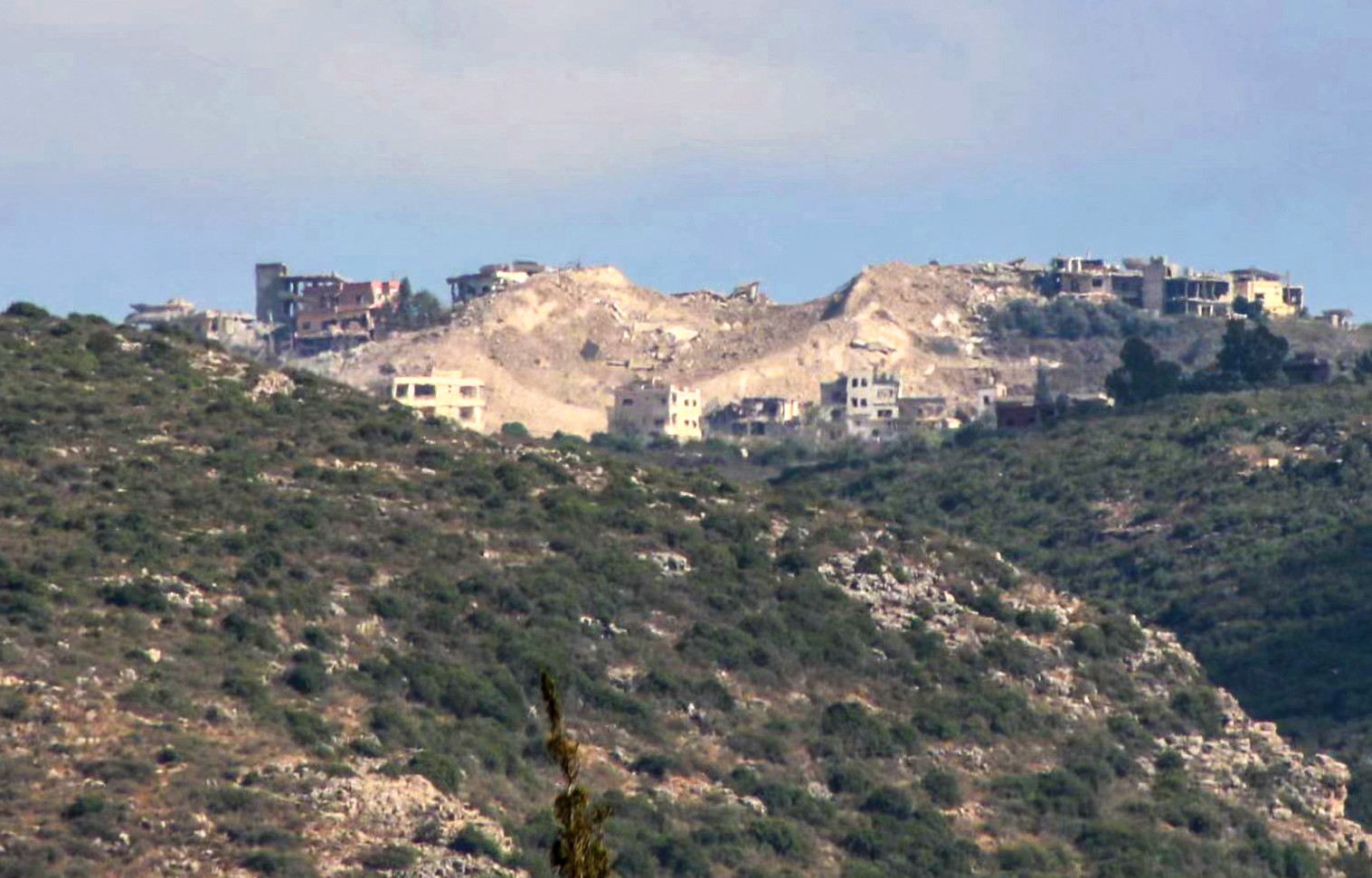
At the very moment that a conference was being held in Paris at the French National Assembly, giving a voice to our free Shiite fellow citizens*, a village in southern Lebanon, perched 180 meters above sea level, was making itself remembered. On Friday, June 5, a spirit of defiance arose in Baysarieh: a scuffle broke out between local residents - mostly Twelver Shiites and supporters of Nabih Berri - and Hezbollah militants who wanted to install rocket launchers in the middle of the village. The Lebanese Army had to intervene to separate the opposing sides and restore order. A video captured the collective clash which, in a supreme irony, took place in a street adorned with pistachio-green banners bearing the colors of the Amal Movement!

Syrian Crimes and the Yamashita Standard
Par
Youssef Mouawad
Publié
Jun 6, 2026 - 13:23

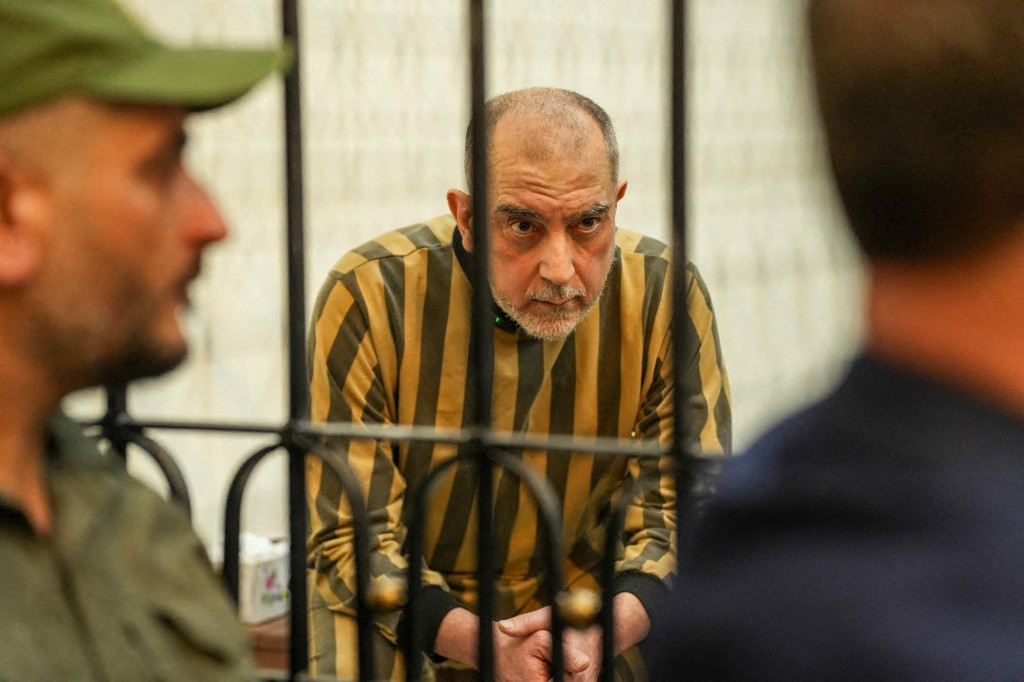
What would an indicted or accused person not do to save his own skin? Brought before a court of law for crimes against humanity or war crimes, what would a former Syrian mukhabarat officer not say if called upon to answer for his misdeeds? The Fingernails Torn from the Children of Daraa The first defendant to appear before the “Damascus Trials” was Atef Najib. We followed his testimony on social media: he answered the Criminal Court’s questions in a cold and detached tone, as though he had no concern for the fate of the teenagers whom he had consigned to the worst forms of torment. To be sure, he acknowledged the facts for what they were: around fifteen schoolboys who had scribbled anti-Assad slogans on the walls of their school had been detained for more than a month and subjected to severe abuse, including beatings and the tearing out of their fingernails.

Will Bashar Be Extradited from Russia?
Par
Youssef Mouawad
Publié
May 30, 2026 - 12:57

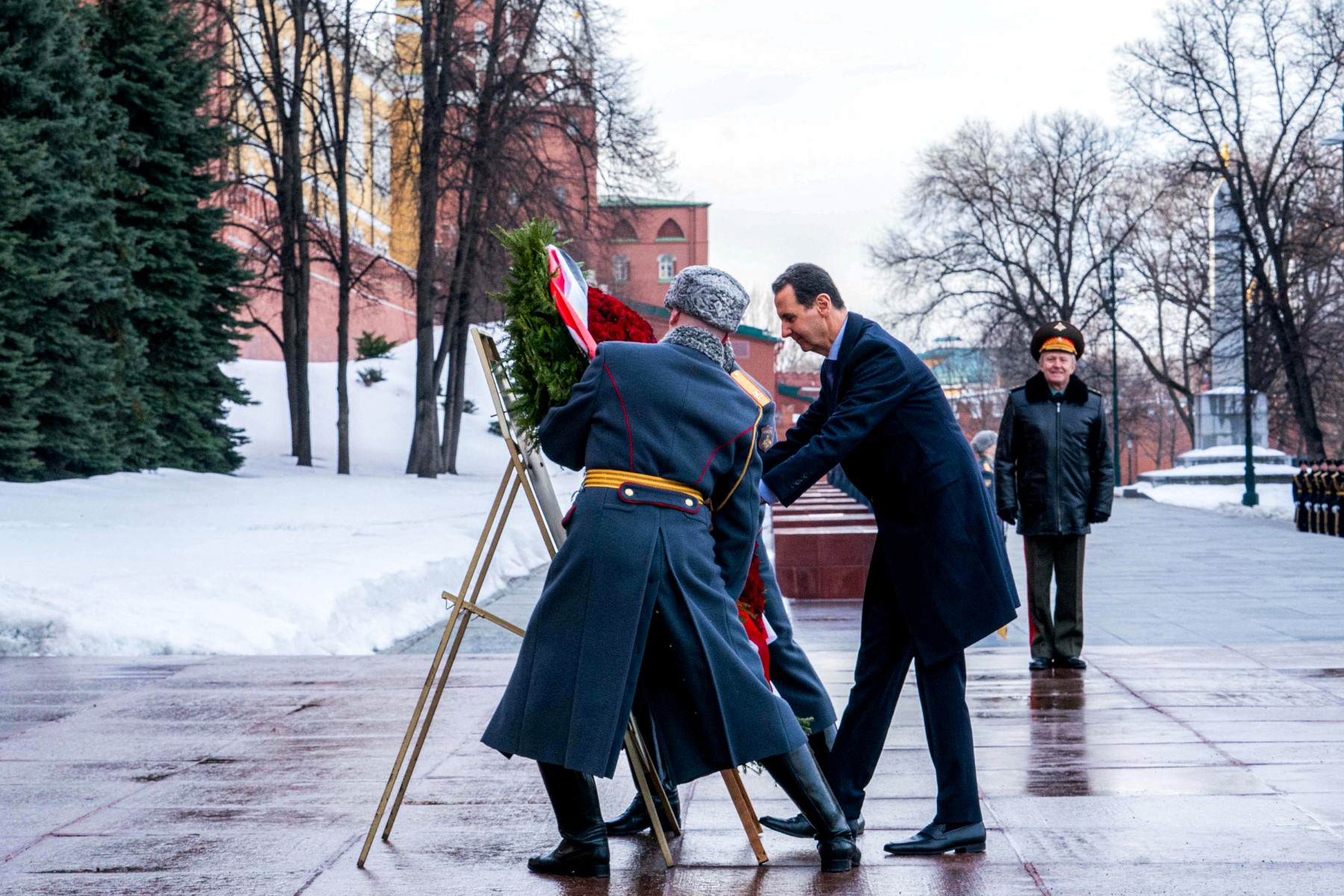
It is dishonorable to hand over a fugitive to his enemies! In our region, the “duty of asylum,” an unavoidable obligation, dates back to the pre-Islamic Jahiliyyah era. No “noble man” would surrender a person to those pursuing him, for the disgrace would stain his entire lineage. But what, then, should be said of judicial extradition in our contemporary world? Is it acceptable merely because international conventions have laid down its conditions and procedures? Bashar al-Assad and his camarilla, whose members number in the dozens, found refuge as early as December 2024 in the Russian Federation, as well as in Iran, Iraq, and Lebanon. Is there any chance that all these people will one day stand trial, in Damascus or elsewhere?