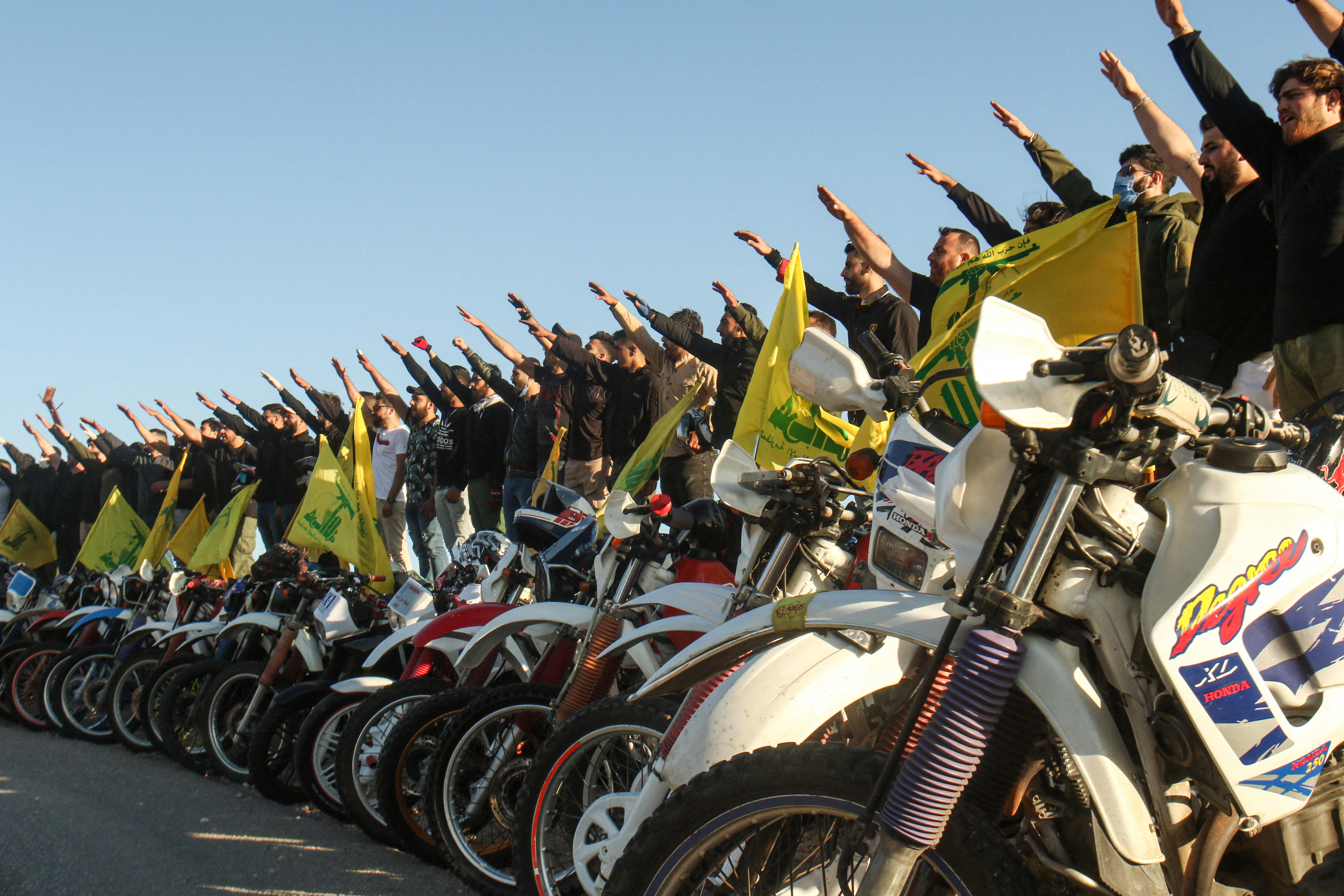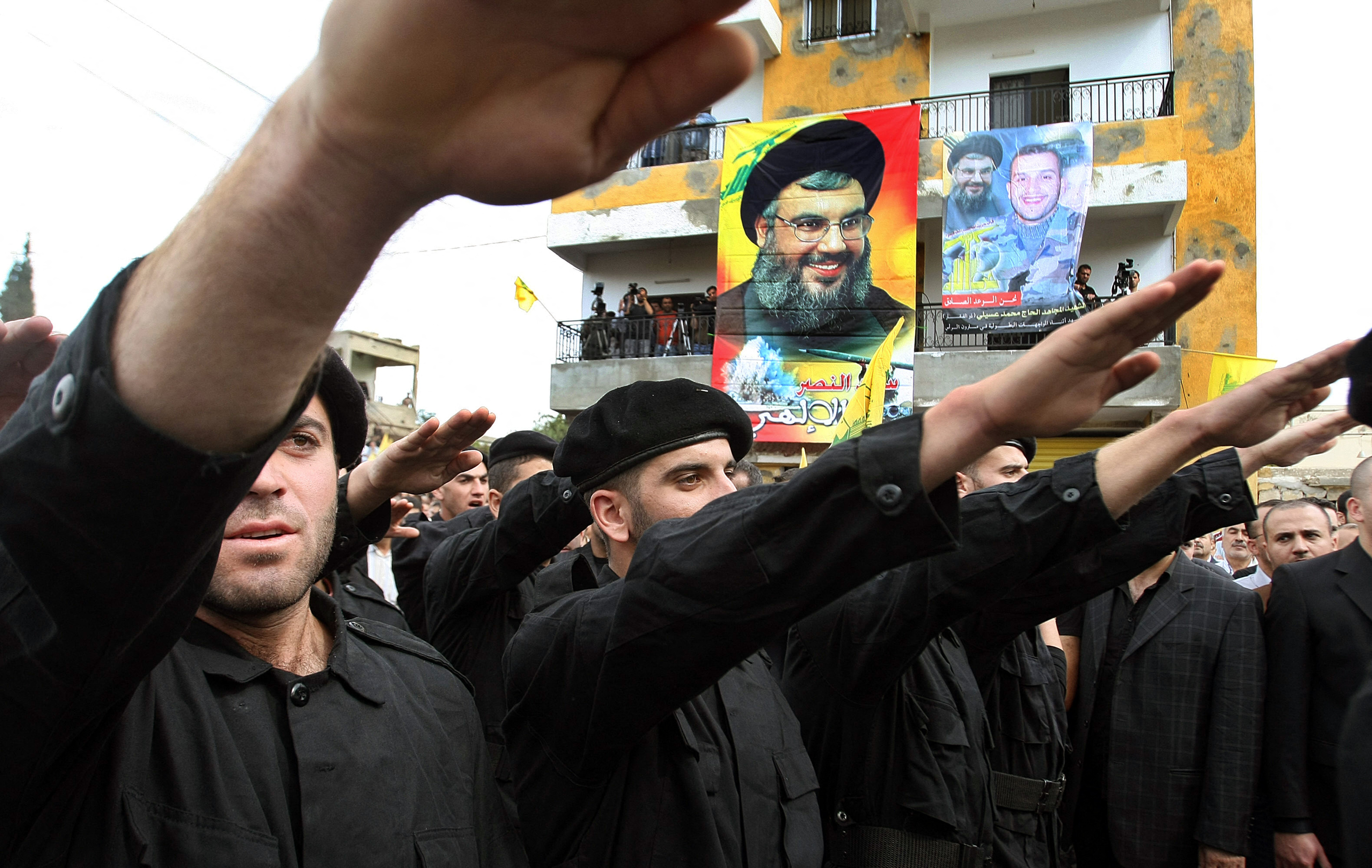
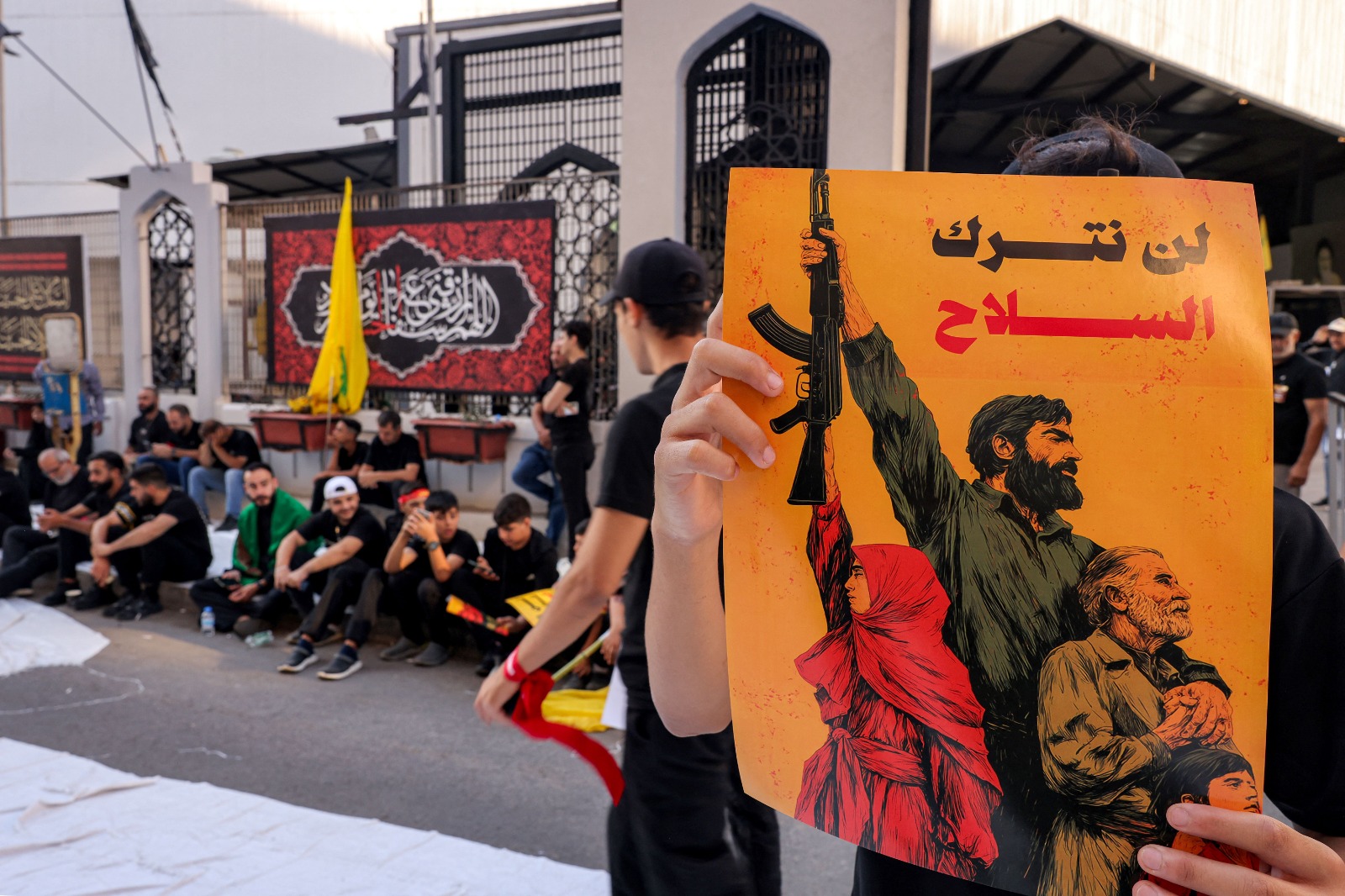
Who ever said Hezbollah thrived only on skirmishes and armed conflict? Since the 1990s, it has been steadily “Lebanonizing” itself—smoothing its rough edges, choosing the language of compromise. Or at least pretending to, simply to muddy the waters. At the outset—at the moment of its creation—Hezbollah made no effort to hide its hand. It openly proclaimed its ambition to establish a regime modeled word for word on Khomeini’s. From there, it distanced itself entirely from the Lebanese political sphere, dismissing it as an unworthy arena fit only for unbelievers. But then, reconsidering its approach, it embarked—cleverly and deliberately—on a long-term project to burrow into the Lebanese state apparatus. So much so that by 2005 it had secured a fatwa from Sheikh Afif al-Nabulsi legitimizing its participation in government.