Logo Levant Time
Jean-Patrick Dayras

Jean-Patrick Dayras

Mediterranean Union: What Became of the Barcelona process? (1/5)
Par
Jean-Patrick Dayras
Publié
Jan 16, 2026 - 12:39

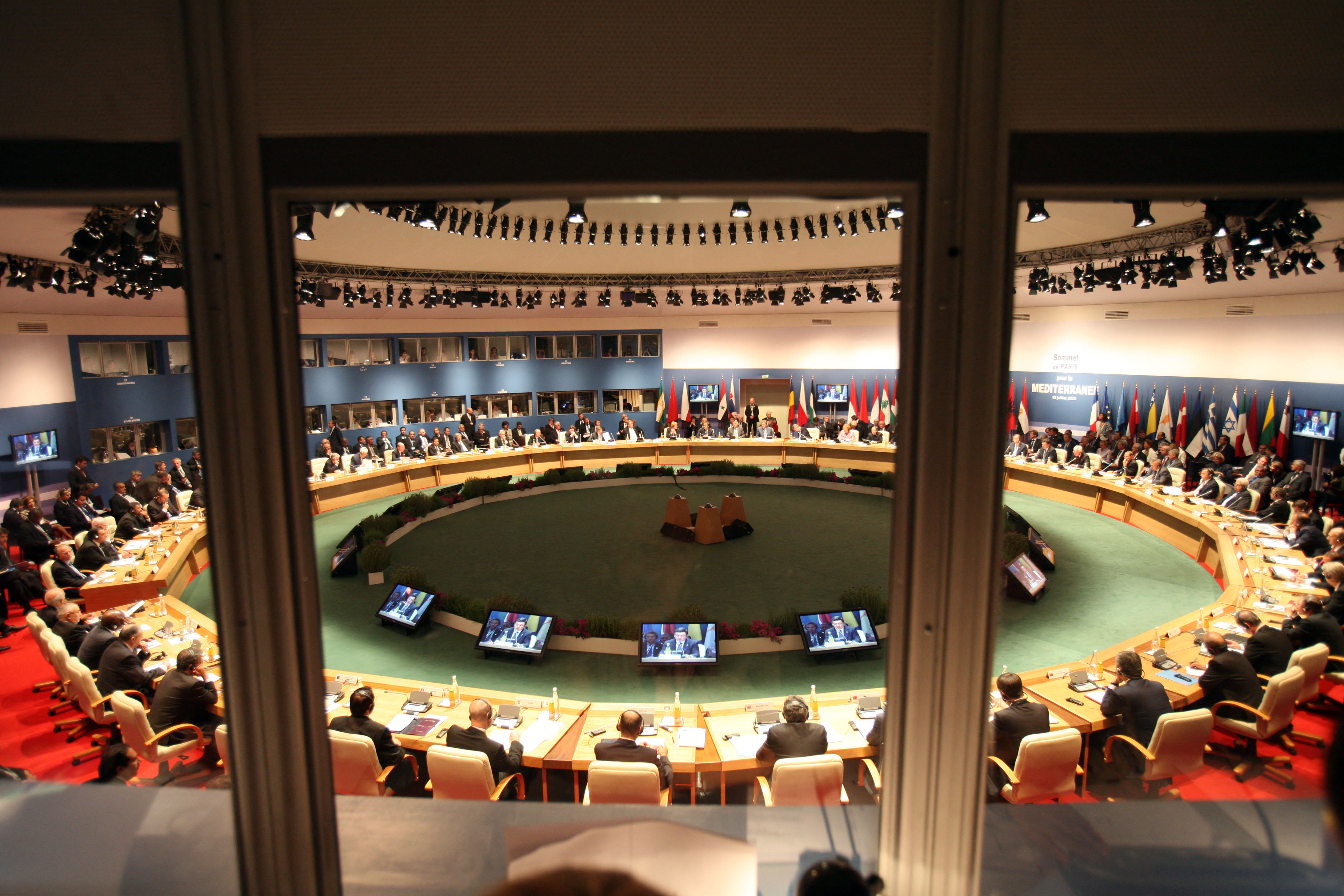
In this series of articles, Levant Time traces the genesis, creation, and current operation of the Union for the Mediterranean (UfM), of which Lebanon is a member. A prospective approach on what the Land of the Cedars could undertake, and the role it can play within this Union, will conclude the series. The Union for the Mediterranean (UfM) is the direct heir to the Barcelona Process, and then to the project launched in 2008 by French President Nicolas Sarkozy under the title of “Mediterranean Union.” This initiative, approved by a large number of actors but rejected, or even criticized, by others – notably the countries of Northern Europe, led by German Chancellor Angela Merkel, who were wary of its outlines and implications – nevertheless presented two essential merits. The first was to allow the completion of a project, albeit under another name and in another form, but concretizing the creation of a “Union for the Mediterranean.” The second was to revive, by replacing it, a Barcelona process that was losing momentum, but by reversing its construction logic.
The Gulf States: Seeking a very specific power (3/3)
Par
Jean-Patrick Dayras
Publié
Dec 29, 2025 - 15:41

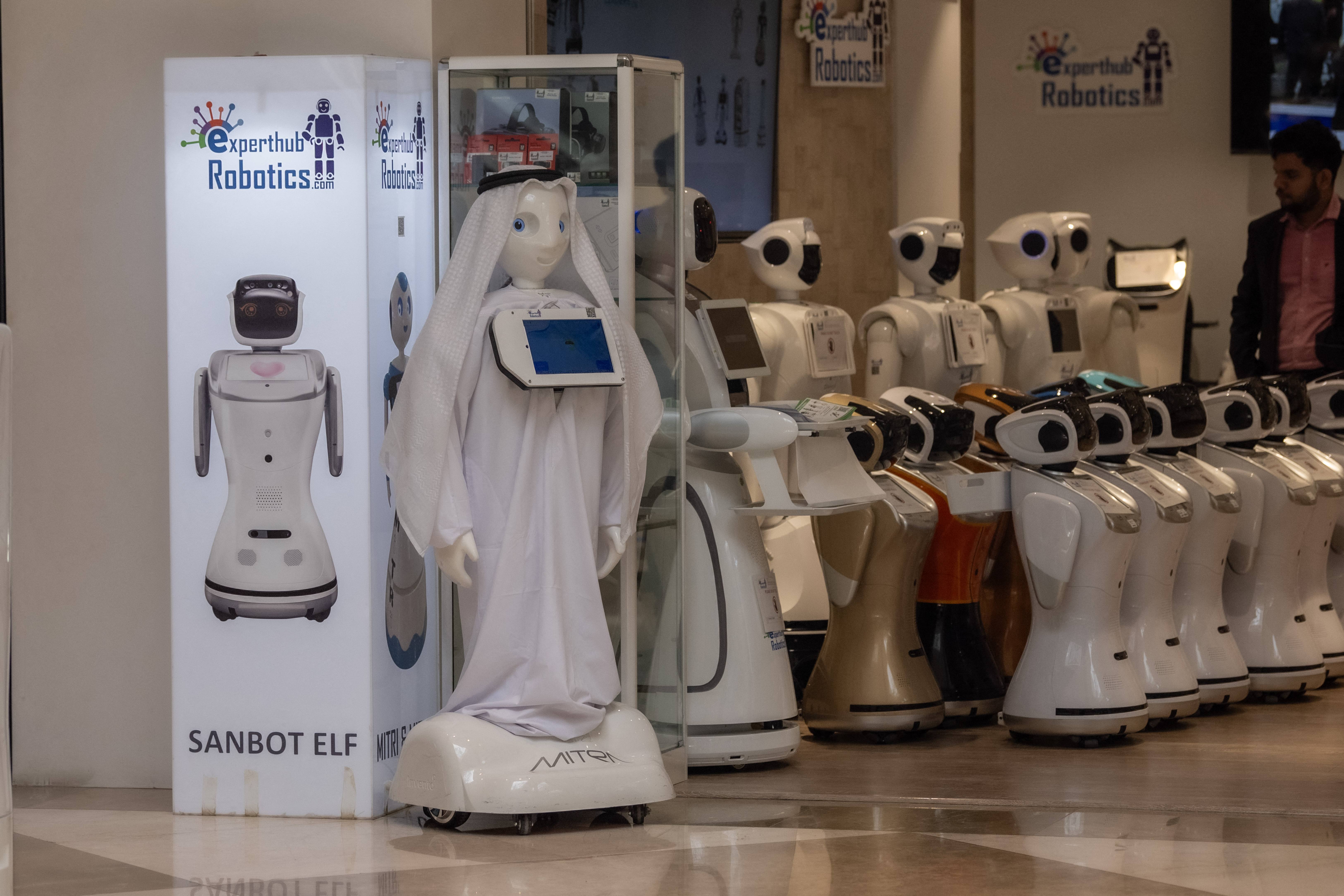
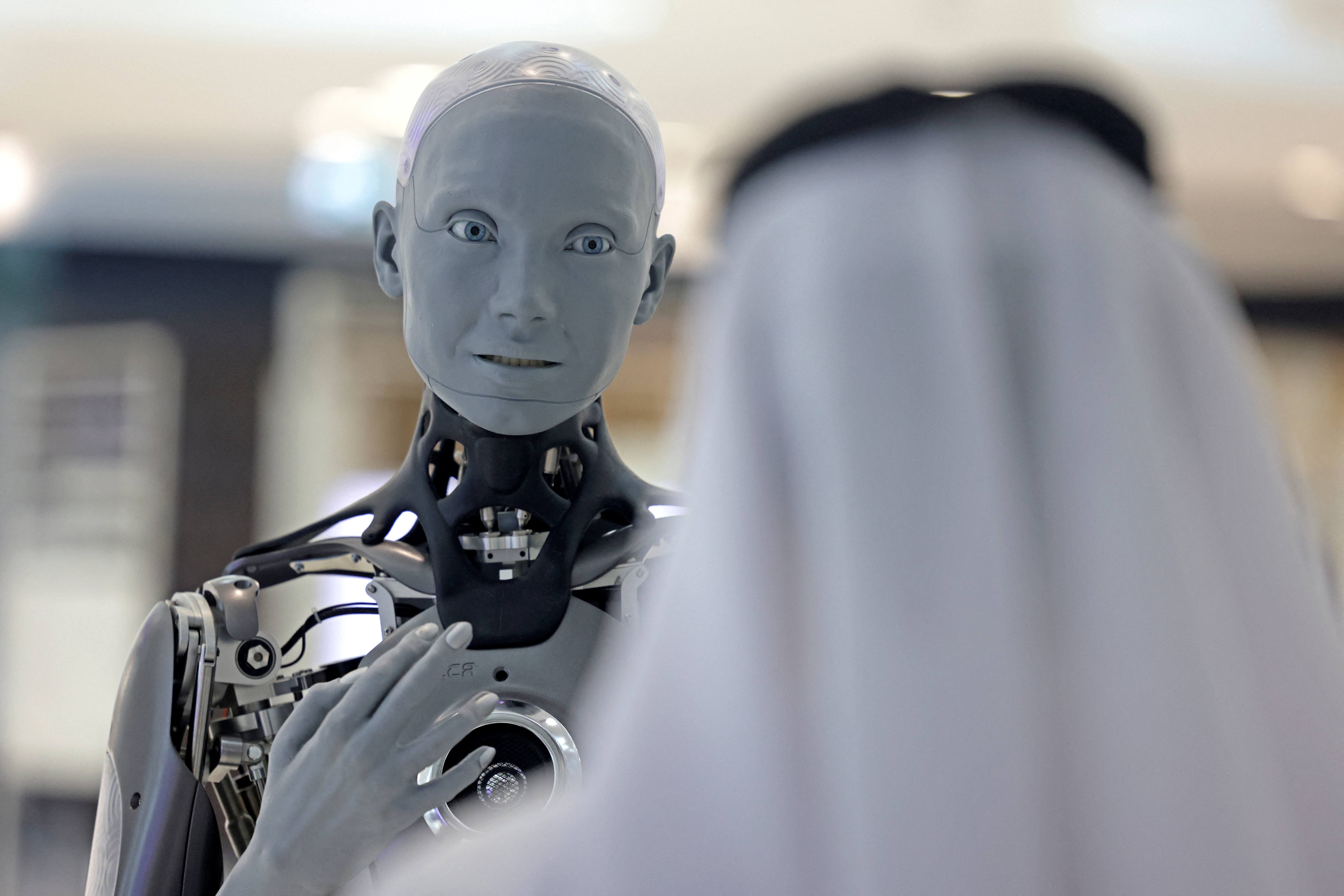
The Gulf States have emerged and become rich, certainly, thanks to the exploitation of their resources, but they have carried out, through rapidly crossed stages, a true cybernetic conversion that amounts to a revolution in the proper sense. The era of soft power in which they engaged was achieved through reorientations, observations, transformations, and adaptations, thanks to which they became a regional power. They subsequently expanded their capabilities and developed their multi-service area of action, which conferred upon them a global status. But these states did not want to stop there. The dynamism that allowed them to achieve their sought-after goals did not stop at this stage. The will and energy that characterized all these existential transformations led them to board the train configuring a new world, that of networks, data, their processing and management: the world of flows, connectivity, and also of space. They are becoming important actors in the new globalization scheme; they are at the « smart power » stage.

The Gulf States, from the regional to the international stage (2/3)
Par
Jean-Patrick Dayras
Publié
Dec 16, 2025 - 10:47

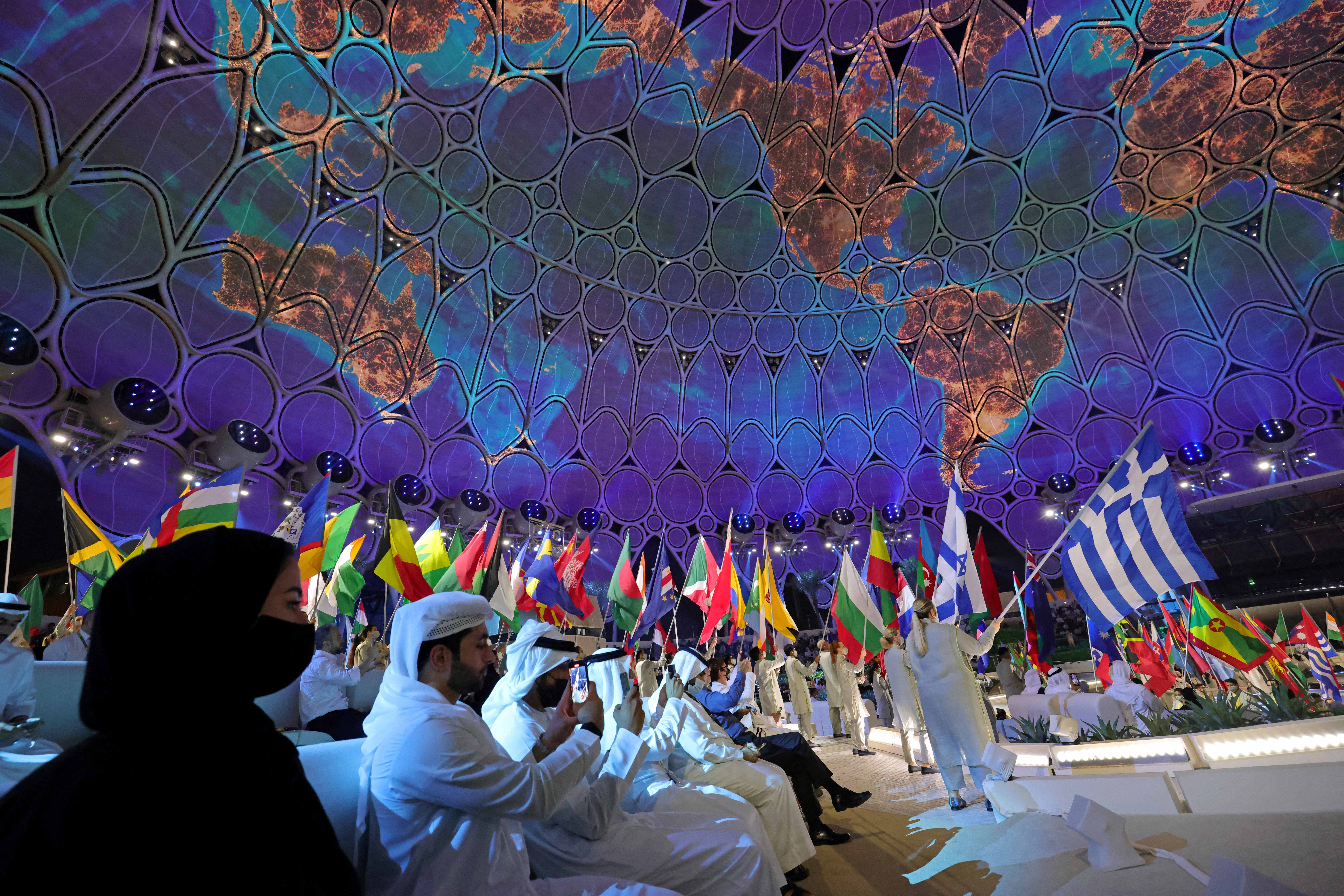
The Gulf States emerged and accumulated wealth through the exploitation of their energy resources, but they have also undergone, in rapidly successive stages, a profound transformation that has enabled them to assert themselves on the international stage. Eager not to remain merely “the Gulf States,” Saudi Arabia, Bahrain, the United Arab Emirates, Kuwait, Oman and Qatar sought to move beyond a purely regional status by building on the assets they had acquired, while multiplying and developing them through a process resembling a forced march—sometimes judged excessive or unrestrained, yet reflecting a determination that has allowed them to pursue their ambitions and achieve global recognition.

The Gulf States: From Oil to Power (1/3)
Par
Jean-Patrick Dayras
Publié
Dec 14, 2025 - 23:50

Power is imposing one's will: to do, to make others do, to prevent doing, to compel others to do (Raymond Aron). The Gulf States emerged and grew wealthy thanks to the exploitation of their natural resources—oil and gas—particularly since what was later called the first oil shock of 1973. This shock was significant for what is commonly referred to as the West, namely North America and Europe, even though at that time in the 1970s a large part of Europe was not, by any means, part of the European Union and was still subject to the Soviet yoke and, equally, to that of communism for nearly another twenty years.

The Levant in Turmoil: Iran Caught in the Tornado (3/3)
Par
Jean-Patrick Dayras
Publié
Dec 9, 2025 - 10:51

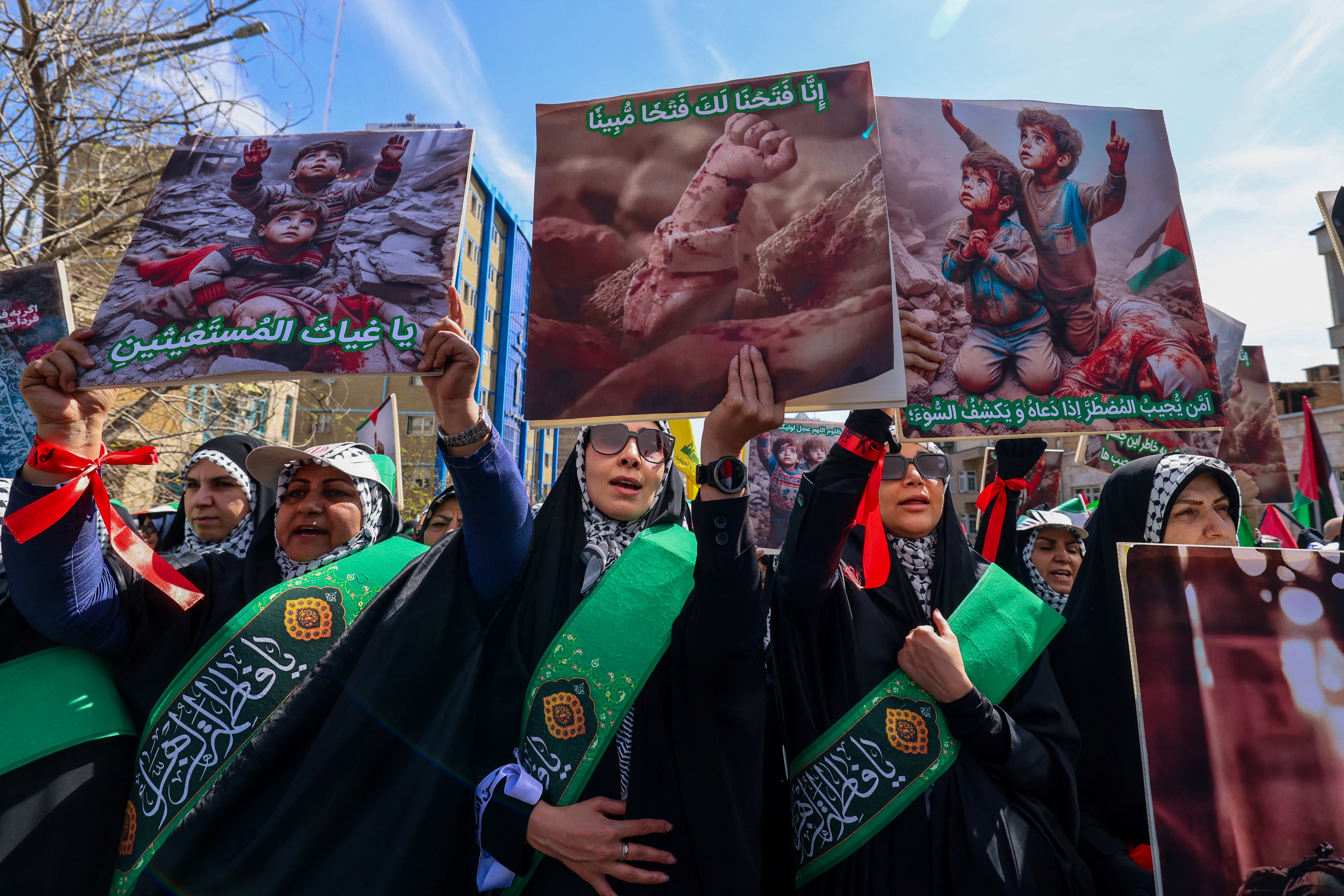
The two years following Hamas’s 7 October 2023 attack on Israel have marked a decisive turning point not only for the Levant region but for the entire Middle East. In this ongoing regional upheaval, Iran has not escaped unscathed; indeed, it has been severely affected. In a context of heightened geopolitical turbulence, the Islamic Republic of Iran now faces a dual challenge: to regain its prestige on an international level, and, simultaneously, to restructure itself internally so as to be prepared for the various scenarios that could rapidly emerge on the horizon. Bluster on the international stage is no longer an option. Iran’s dual support for the Houthis and Hezbollah, in particular, must be carefully weighed in light of the risks involved, foremost among them those posed by President Donald Trump, who, for the time being, remains the most powerful figure on the international stage. Should China – his main competitor – force him into a direct, fierce confrontation with them, one could then expect President Trump to settle any dispute in a manner that safeguards his reputation and almost unassailable position. China has no desire to intervene in a Middle Eastern powder keg; it prefers to wait for the right moment to exploit the situation to its advantage.

The Levant in Turmoil: Lebanese and Syrian Perspectives (2/3)
Par
Jean-Patrick Dayras
Publié
Dec 6, 2025 - 12:40

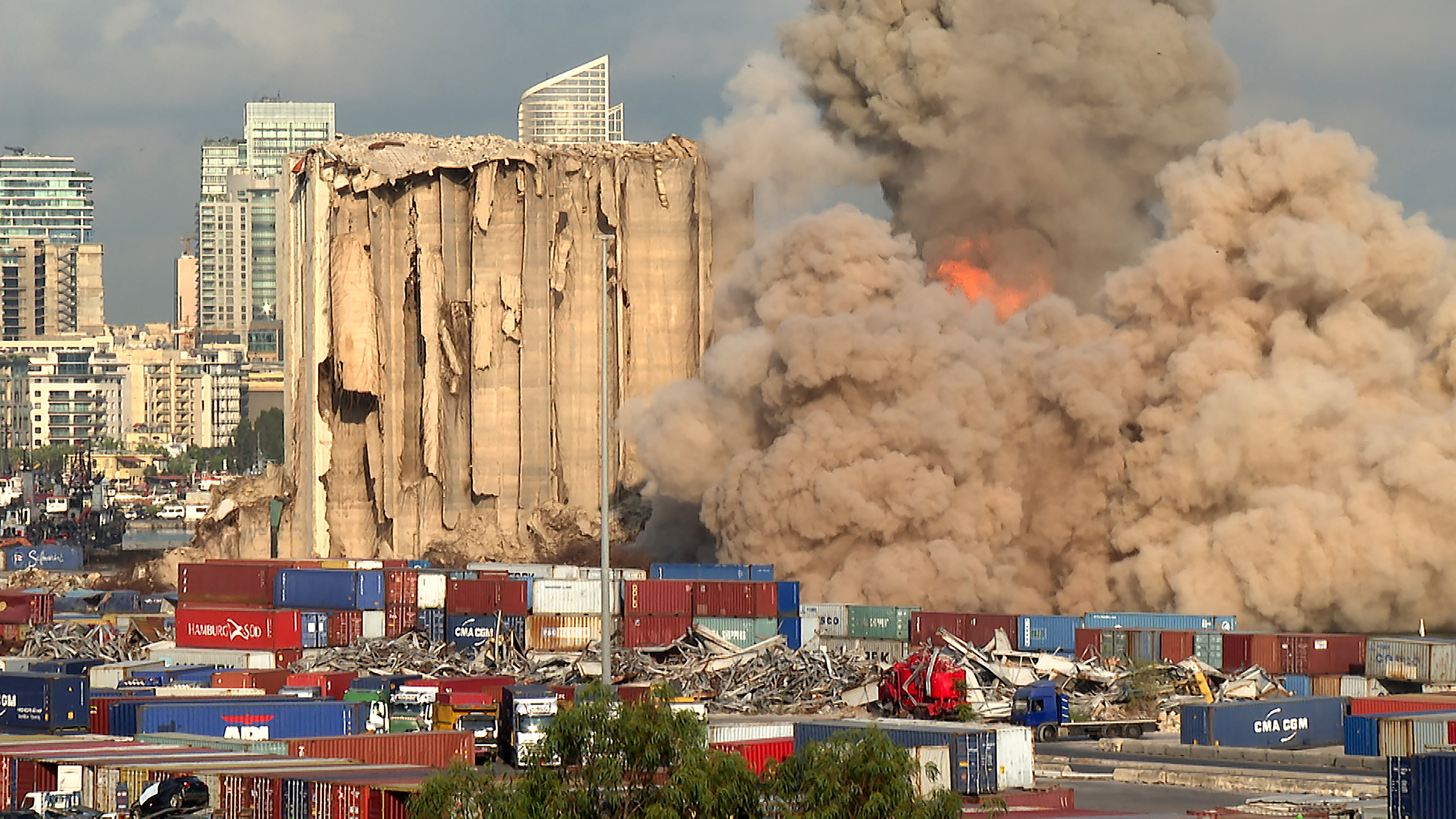
The Levant has, over the past two years, witnessed profound and dramatic upheavals that have reshaped the region’s geopolitical landscape. The chain of events set in motion since Hamas’s deadly attack on Israel from the Gaza Strip on 7 October 2023 seems to have paved the way for the emergence of a new Middle East, as Israel’s Prime Minister, Benjamin Netanyahu, repeatedly asserts. As 2025 draws to a close, what overall picture, what prospects, and what political and security assessment can be made of this region? By stepping back and looking at the wider picture, it becomes easier to examine closely the developments under way and the sweeping changes that have unfolded across Lebanon, Syria, Israel, Gaza (and the Palestinian territories), as well as Iran.

The Levant in Turmoil: An Elusive Peace (1/3)
Par
Jean-Patrick Dayras
Publié
Dec 1, 2025 - 10:52

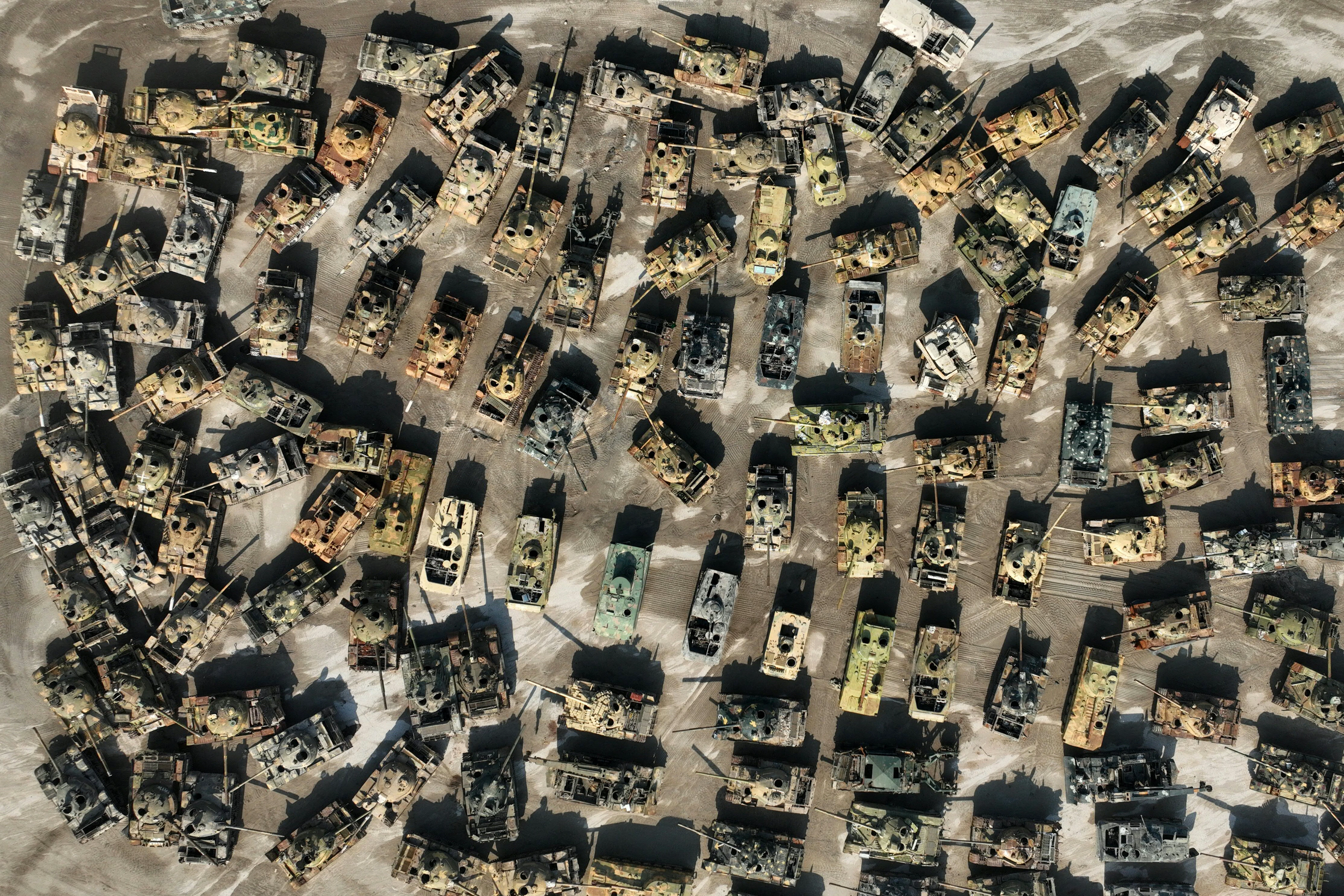
The Levant unmistakably reached a crucial tipping point on 7 October 2023, as Hamas launched a deadly attack on Israeli territory from the Gaza Strip. The circumstances and repercussions of this swift and bloody offensive sent a seismic shock through Gaza and Israel, of course, but also across other key centers of the Levant, notably Lebanon and Syria, and, by extension, Iran and Yemen. The devastating impact of Hamas’s attack on Gaza and its population has once again brought the entire Israeli-Palestinian conflict to the forefront. Some had hoped that the events of 7 October 2023 might lead to a breakthrough in the longstanding Middle Eastern conflict, which has blighted the region for over seven decades. At this stage, this is far from being the case, at least in appearance. It is particularly regrettable that the Palestinian Authority has been unable to regain the initiative and embark on a swift and promising dialogue with Israel.

/