Logotipo da Levant Time
Jean-Patrick Dayras

Jean-Patrick Dayras

Beijing: the fallout from the summit of two 'emperors'
Por
Jean-Patrick Dayras
Publicado
May 15, 2026 - 01:18

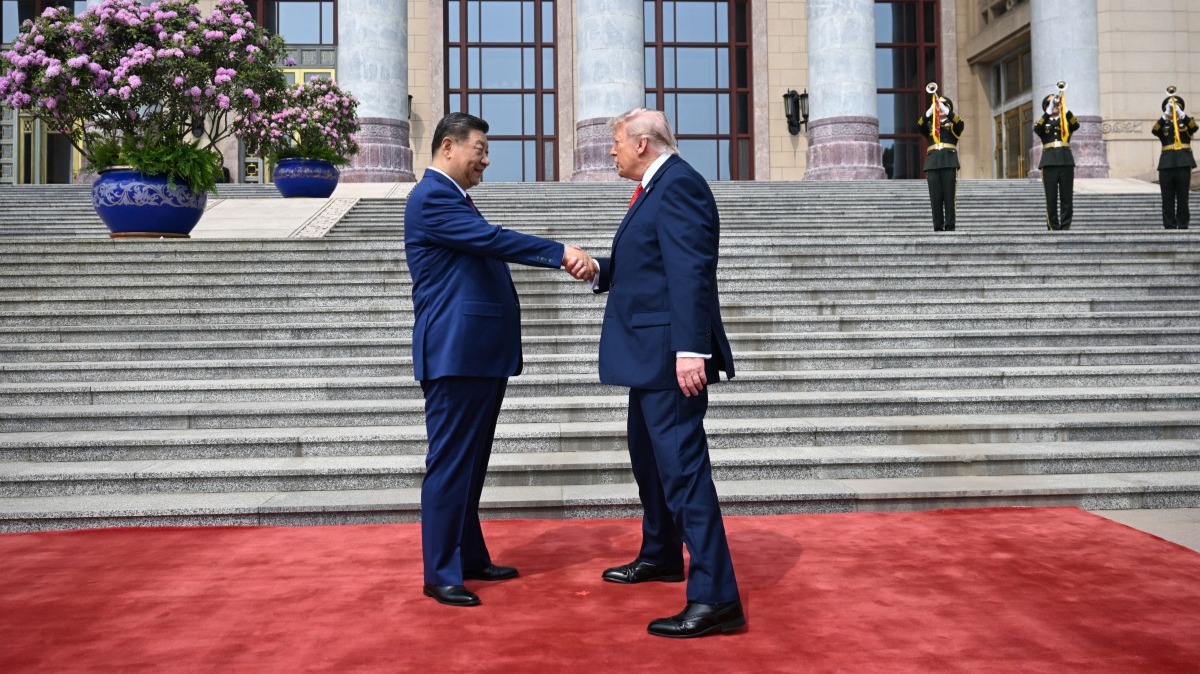
On Thursday, May 14, the world's attention was focused on Beijing, where a meeting between the President of the United States, who still sees himself as a major power, and President Xi Jinping, who aspires to be even greater, could have significant consequences for many countries, both in the short and long term. For some—likely many—these consequences could be dramatic. What will become of the state of the world after this? No one could say for certain yet. President Trump likely spoke first about trade. President Xi did as well. The former will quickly tout his victories—a word he cherishes—on his site, as is his custom.
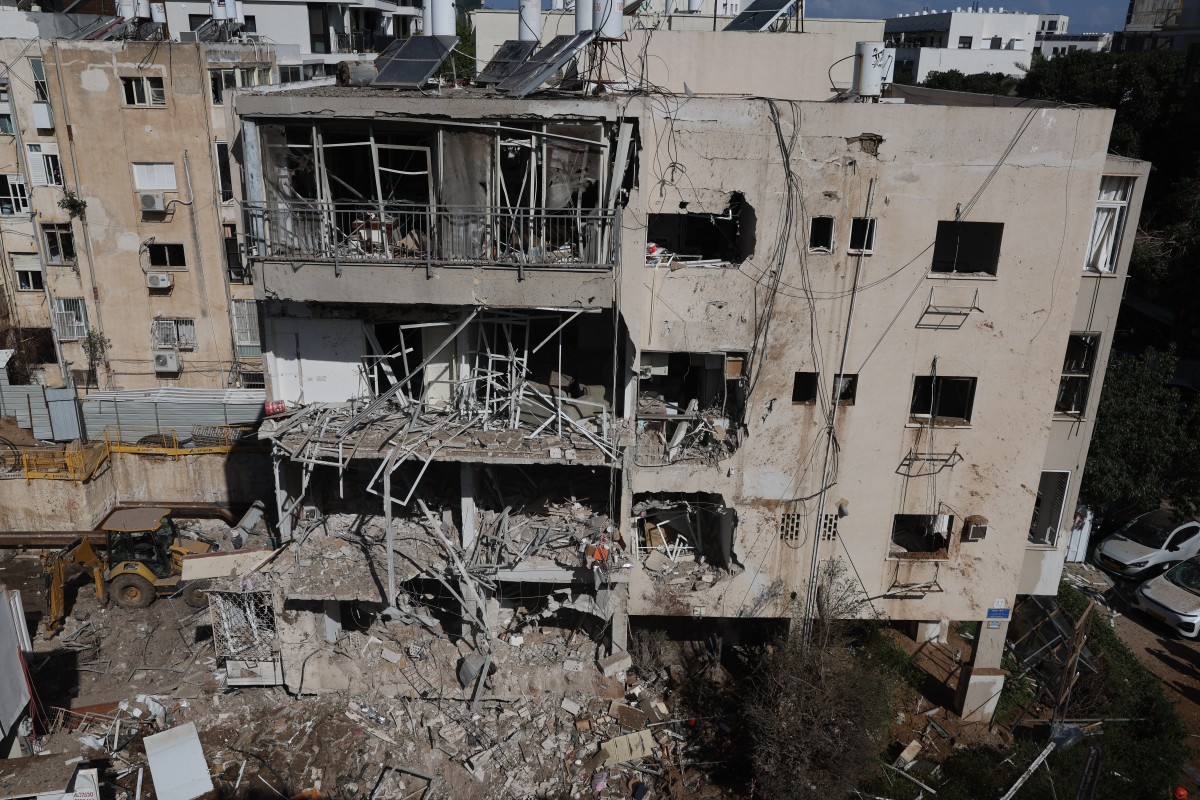
Iran and Lebanon: two theaters, the same war?
Por
Jean-Patrick Dayras
Publicado
Apr 27, 2026 - 11:21

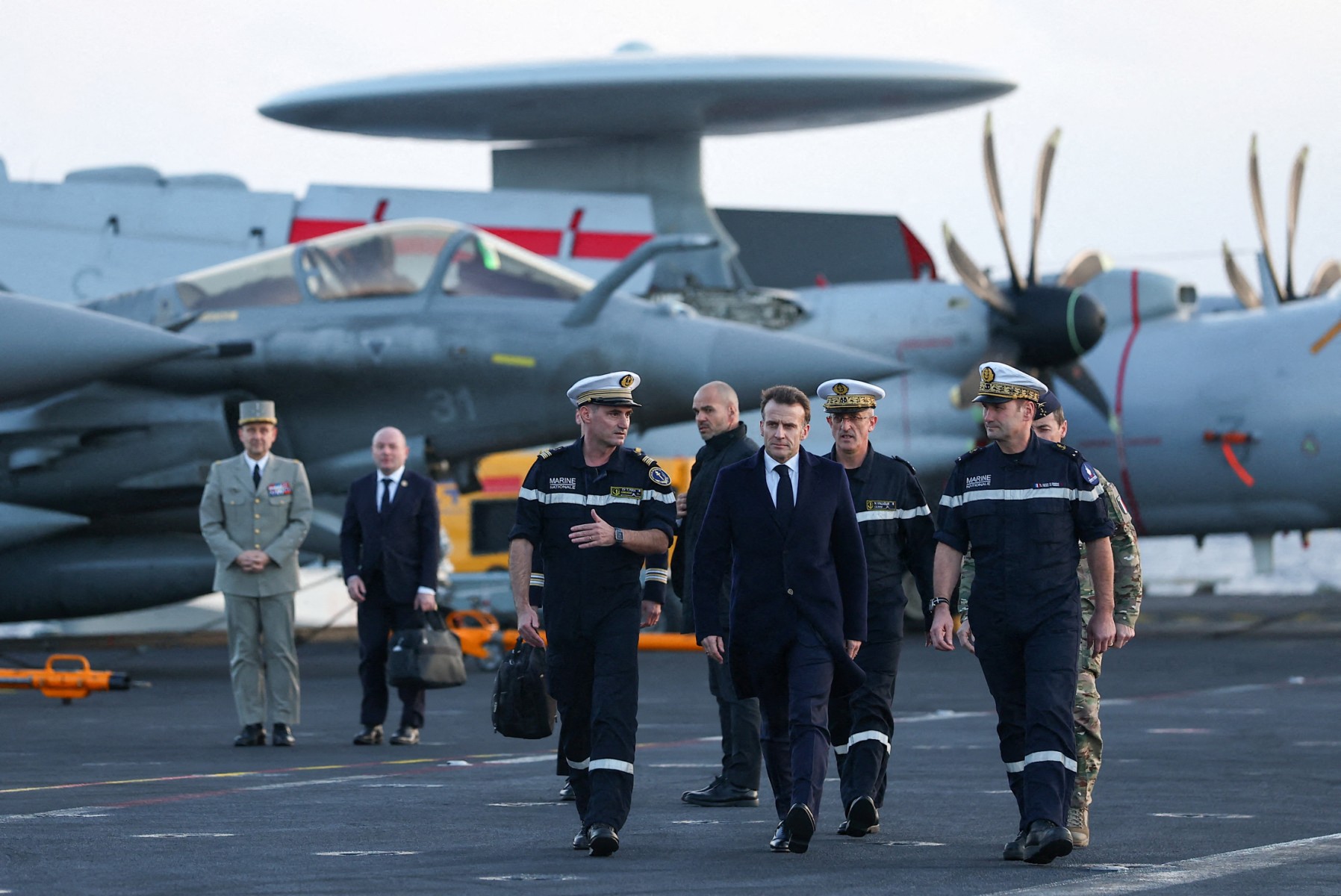
President Donald Trump's various statements and U-turns will alter relations with the Europeans, NATO, and US allies. They will trigger reactions from Pacific and Middle Eastern countries. Westerners are advocating moderation and want to assume a role in securing the Strait of Hormuz after the cessation of hostilities. Will the United States be sidelined in the region? On February 28, 2026, the United States and Israel launched a military operation against Iran without prior notification to the heads of state and government of Western countries and NATO members. In the aftermath, however, US President Donald Trump requested their support, notably for securing the Strait of Hormuz, but also to provide direct backing to American operations.

The Strait of Hormuz and the Convention of Montego Bay
Por
Jean-Patrick Dayras
Publicado
Apr 10, 2026 - 13:15

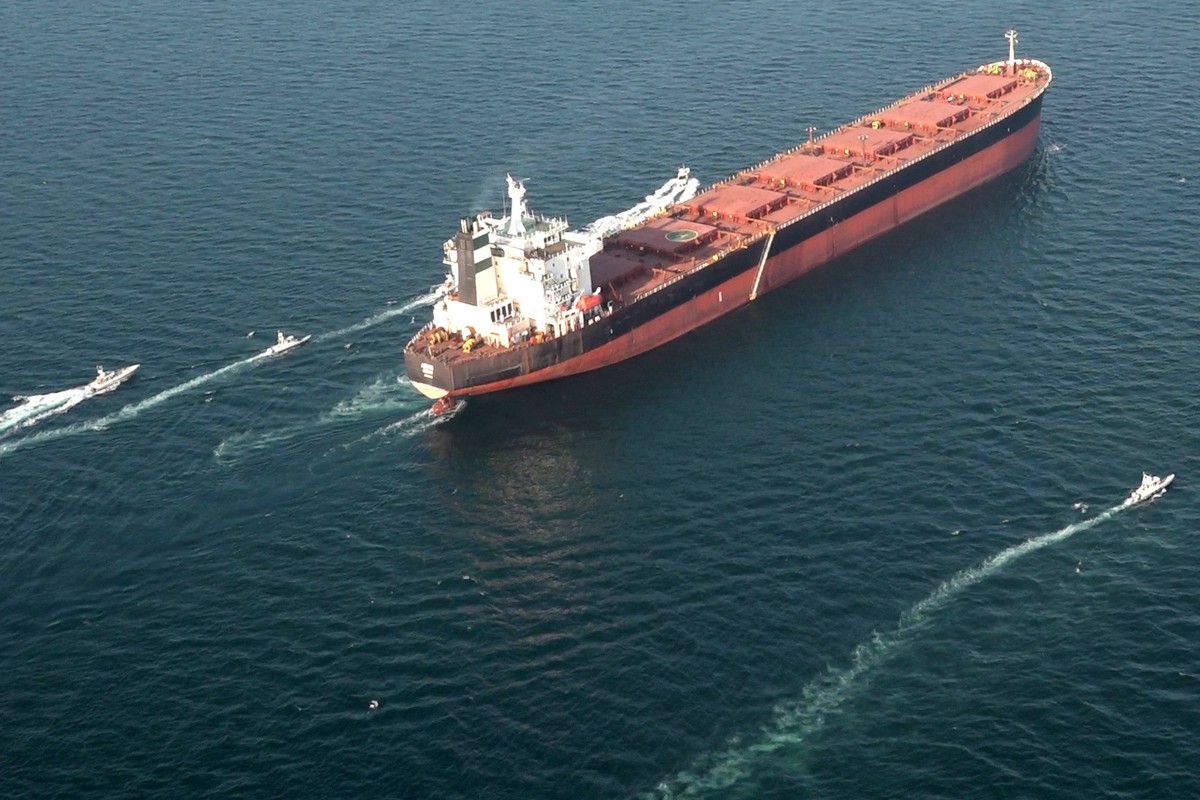
The terms of the ceasefire agreement – set to last for a limited period of two weeks – remain, as presented unofficially, ambiguous. Iran is reported to have agreed to reopen the Strait of Hormuz, described as a major concession in exchange for the ceasefire. The strait meets the criteria defined by the 1982 United Nations Convention on the Law of the Sea as an international strait. Section 2 of the Convention outlines the definition of an international strait and sets out the rules governing the passage of ships through its waters and the overflight of aircraft above it. Article 37 “This section applies to straits which are used for international navigation between one part of the high seas or an exclusive economic zone and another part of the high seas or an exclusive economic zone.”

The War in Iran: Positioning of the Key Players
Por
Jean-Patrick Dayras
Publicado
Mar 24, 2026 - 13:53

On 28 February, thunder rolled across the world – an abrupt and violent movement. Brutal, certainly. Unexpected? Not quite. The event had long been anticipated – yet its timing, scale and objectives remained unknown. The date is now clear. The scale, however, is still uncertain. As for the objectives – what do they mean for Israel and for the United States? Given the stance of the mollah regime toward Israel – and the foundations of power it has built at great expense to pursuit the goal of eradicating the country and paralyzing Lebanon – Israel is fighting for its survival. So, too, does Benjamin Netanyahu. The objective that follows is stark: eradication.

The Broad Outlines of a Possible Maritime Policy in Lebanon (2)
Por
Jean-Patrick Dayras
Publicado
Feb 18, 2026 - 20:04

What maritime policy could – or should – Lebanon pursue as part of its development efforts? And what role might the Union for the Mediterranean (UfM), which succeeded the Euro-Mediterranean Partnership initiated in Barcelona, play in this context? The Union for the Mediterranean has essentially adopted a “land-based” framework. Whether through political and security cooperation aimed at establishing a common area of peace and stability, economic and financial collaboration to build a zone of shared prosperity, or cultural and social initiatives to foster understanding between cultures and exchanges among civil societies, the ultimate goal remains the creation of a shared prosperity area within a Euro-Mediterranean Free Trade Area (EMFTA). All of this unites the land.

A Maritime Future for Lebanon? (1)
Por
Jean-Patrick Dayras
Publicado
Feb 16, 2026 - 11:41

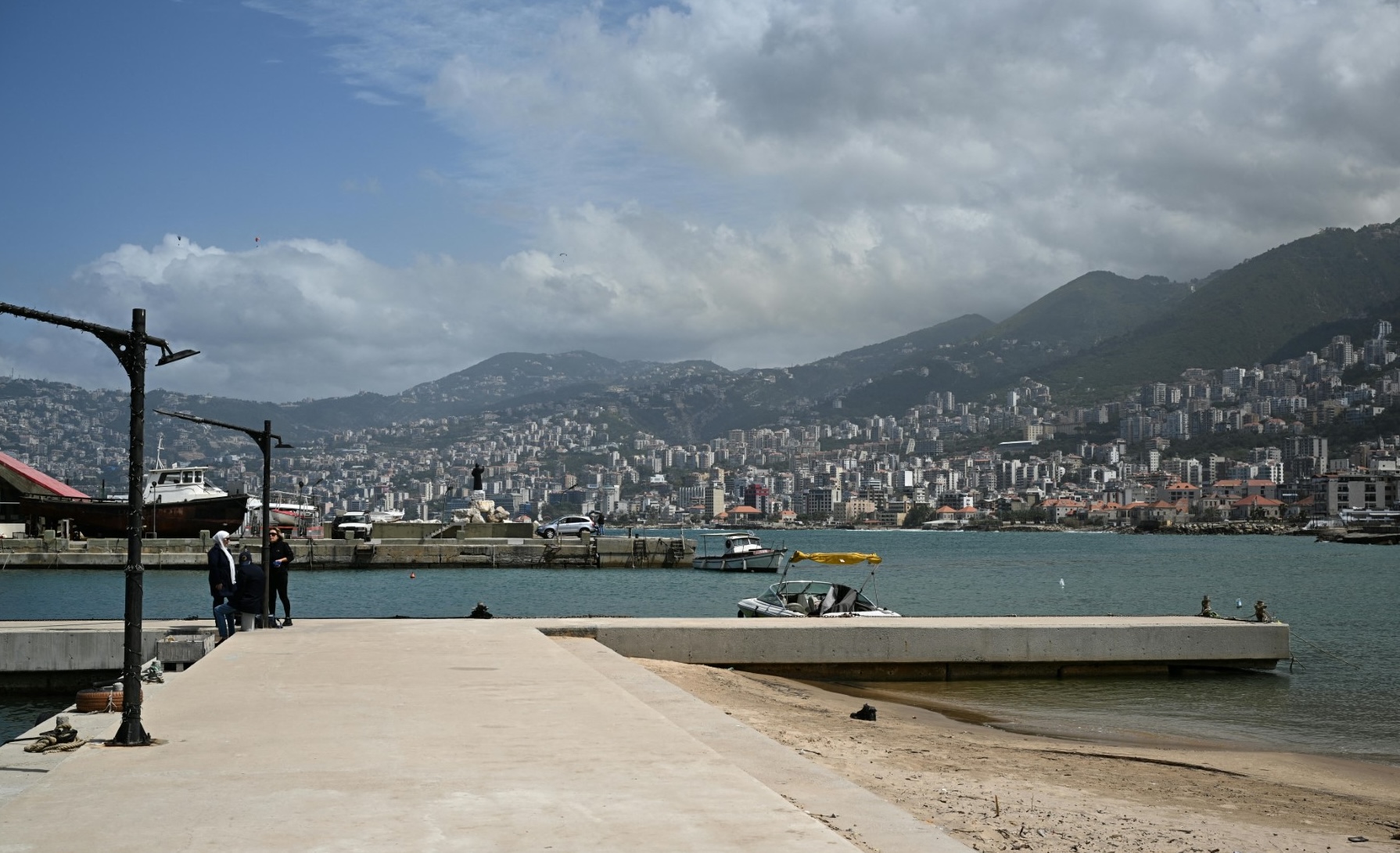
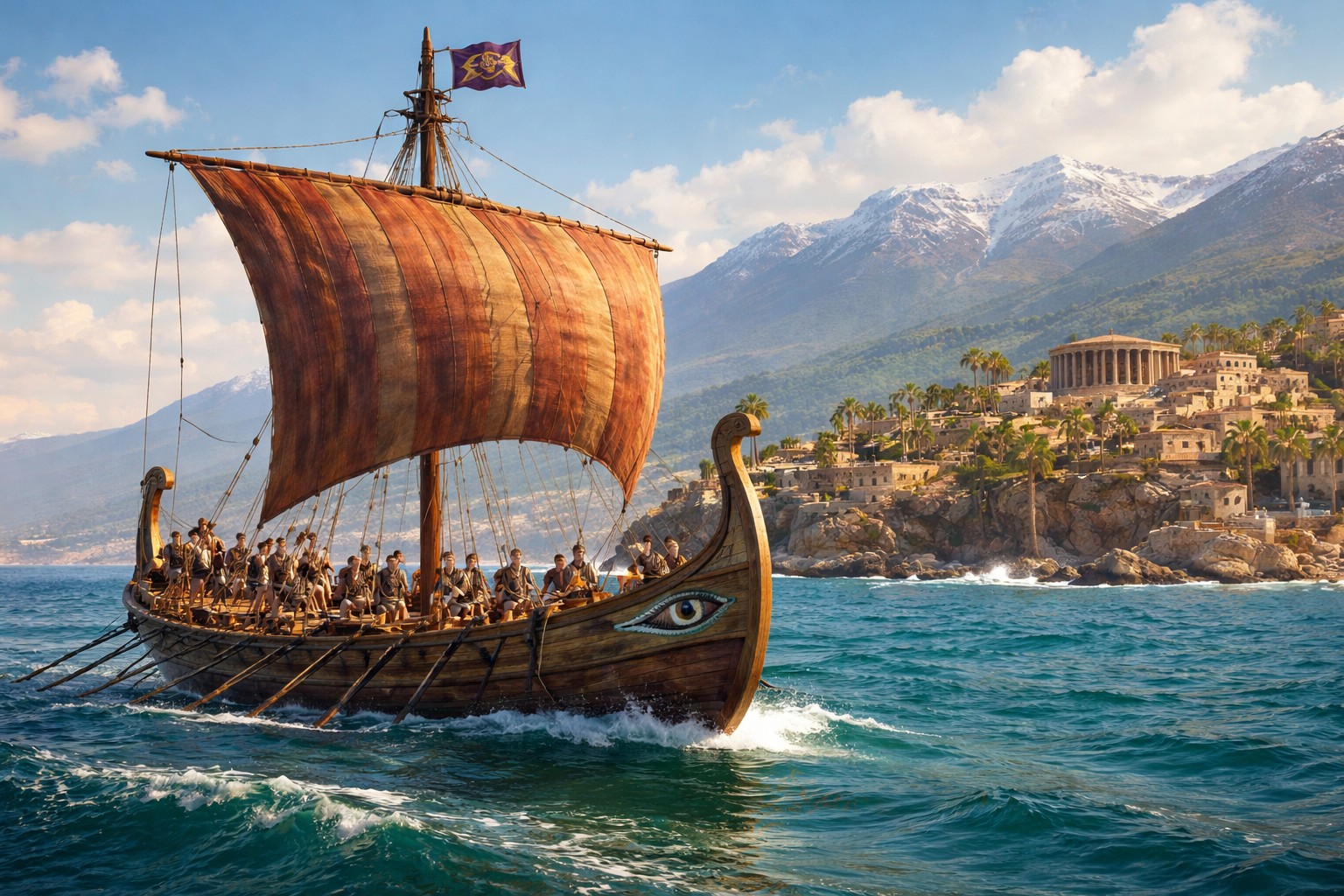
Thanks to multilateral cooperation projects initiated within the global framework of the Union for the Mediterranean, could Lebanon become what it deserves to be, a maritime Lebanon? The question requires deep reflection and an exhaustive vision of the situation in which the country struggles in this regard… « For the French, the sea is what they have at their backs when they look at the beach » (Eric Tabarly). France is a maritime state that it misunderstands. The translation of this specificity into a political and budgetary reality is weak. Replace France with Lebanon. It is a maritime state - its history is there - which has not yet made the necessary political and institutional choice. Unifying maritime projects would sustainably bring together all communities. It has the assets. The « common good » would be « the » beneficiary.

Union for the Mediterranean: What Has Lebanon Gained?
Por
Jean-Patrick Dayras
Publicado
Jan 23, 2026 - 15:22

The latest article in our analysis of the evolution of the Euro-Mediterranean partnership of Barcelona (Euromed), then of the Union for the Mediterranean (UfM), draws an unvarnished assessment of the achievements and shortcomings that have marked, for Lebanon, the two phases 1995-2008 and 2008-2025 of this dual European strategic initiative. The Euro-Mediterranean Barcelona Process (Euromed), then the Union for the Mediterranean (UfM), have brought political, economic, and institutional achievements to Lebanon. However, these remain limited due to the chronic instability that has plagued the country since 1995, and more particularly since 2008.

Union for the Mediterranean: an incomplete relaunch of the Barcelona dream (4/5)
Por
Jean-Patrick Dayras
Publicado
Jan 21, 2026 - 14:04

Having covered the birth of the Barcelona Process and its development into the Union for the Mediterranean, which marked its expansion, it is worth asking: where does the Union stand today? What has it achieved, and what challenges remain? This article takes stock and offers a snapshot of the situation, along with prospects for 2026. The Barcelona Process is known by three main terms: “process,” “partnership,” and the “Med” in Euromed. These labels reflect the initiative’s goal of fostering cooperation, dialogue, and exchanges between countries forming a Mediterranean community, as well as those closely connected geographically. Later, neighboring countries joined, along with organizations representing sub-regions, such as the EU and the Arab Maghreb Union. Thirty years on, the initiative is far from defunct. Yet, tested by time and events, it had to evolve within a new framework: less ambitious, but more pragmatic and realistic.

A cooperation rich in promises, the Barcelona Process (3/5)
Por
Jean-Patrick Dayras
Publicado
Jan 20, 2026 - 13:29

Third article in our series of articles on the Euro-Mediterranean partnership: the Barcelona Process, its evolutions, its funding, and its replacement from 2008 by the Mediterranean Union, which became the Union for the Mediterranean The Mediterranean, rich in cultures, an space of interconnection, a crossroads of civilizations, is a group of countries sharing a heritage, in which their different cultures have enriched each other. Relations have extended to economic and scientific exchanges. This unique identity has fostered the creation of networks that endure against a backdrop of a feeling of regional unity.

From Mediterranean Ambition to European Compromise (2/5)
Por
Jean-Patrick Dayras
Publicado
Jan 17, 2026 - 10:27

After defining the geographical scope of the Mediterranean Union and explaining why adjacent seas and non-Mediterranean riparian countries were excluded, the Baltic and Nordic Councils and their objectives will be presented in order to identify what brings them closer to this Union and the differences in their respective goals. The geographical boundaries of the Mediterranean Union were precisely defined: the Mediterranean Sea, delimited by the Straits of Gibraltar and the Dardanelles, as well as the Suez Canal. The countries concerned included those forming what may be called the European Mediterranean arc (including Portugal, by virtue of its language, history, and culture), as well as the southern and eastern riparian countries, numbering sixteen: Morocco, Algeria, Tunisia, Libya, Egypt, Israel, Jordan, Lebanon, Palestine, Syria, Turkey; for the Adriatic: Bosnia and Herzegovina, Croatia, Albania, and Montenegro; and finally Mauritania, for a reason similar—though not identical—to that justifying Portugal’s inclusion.