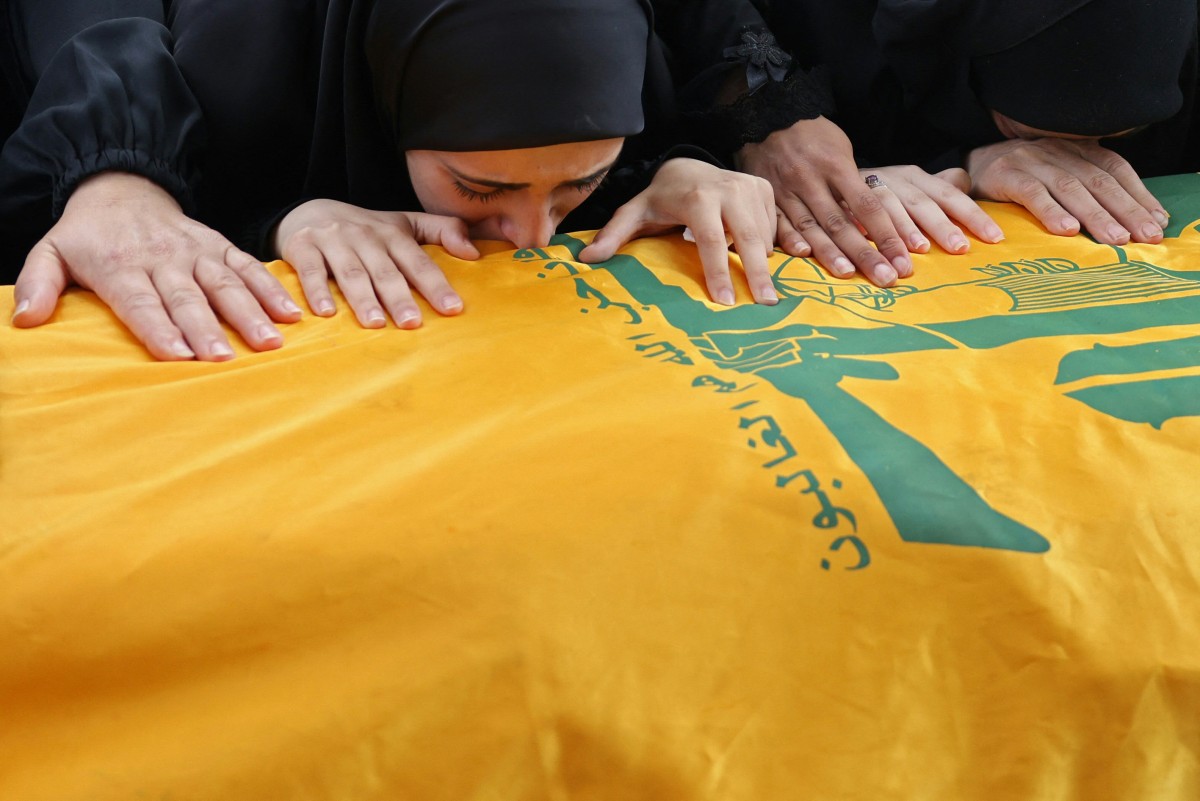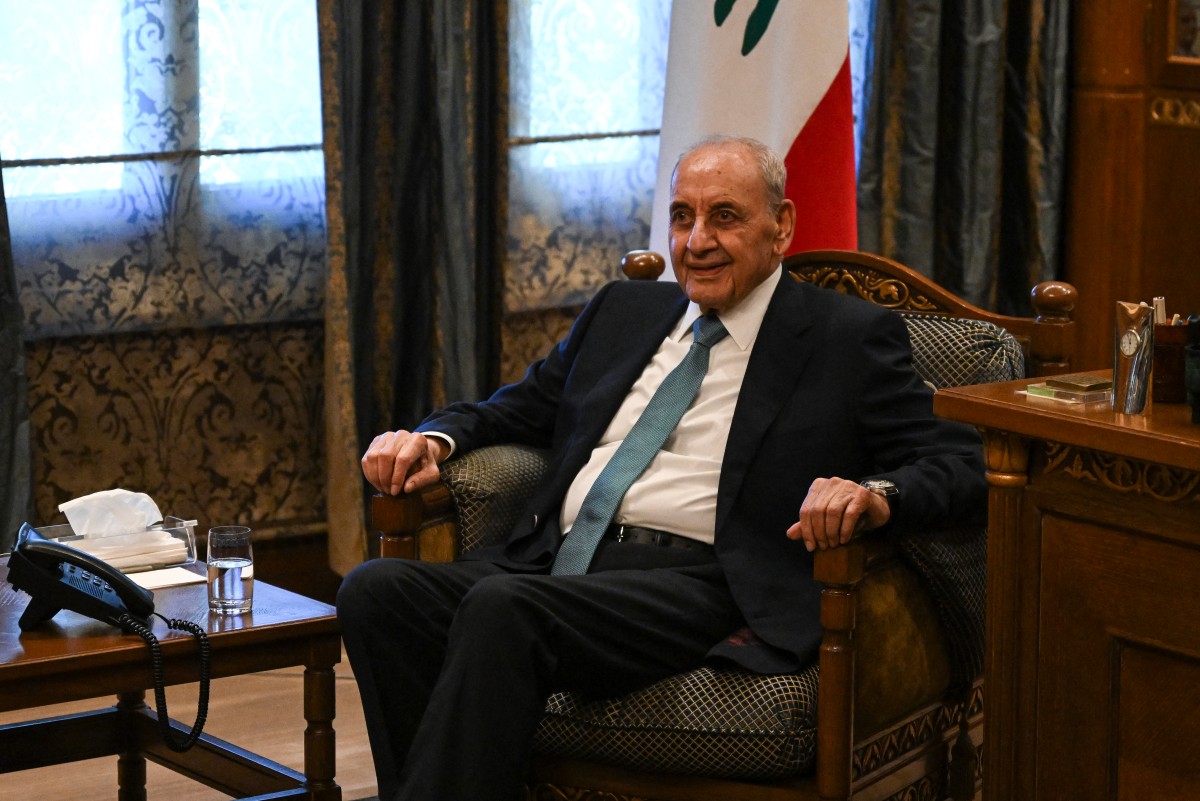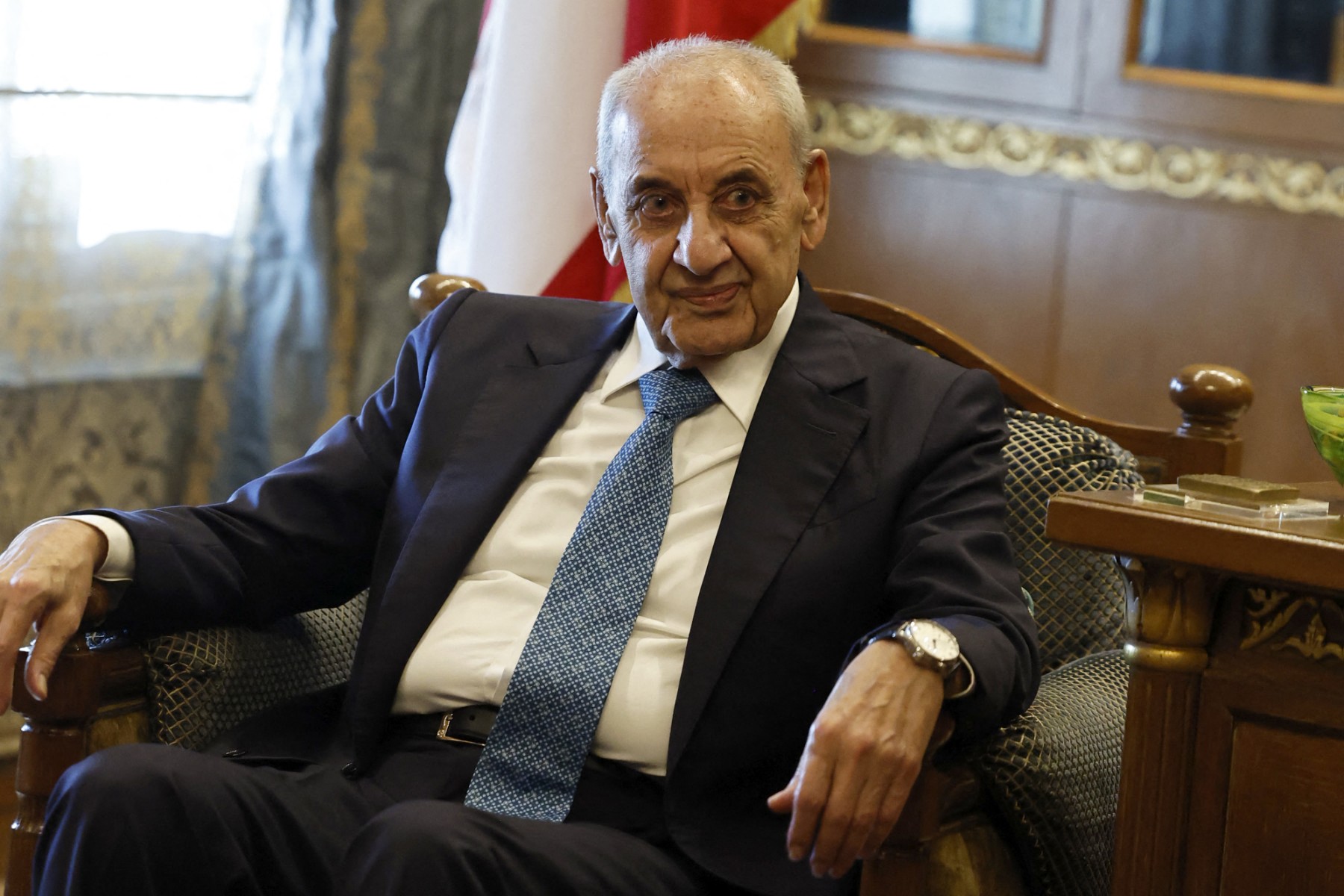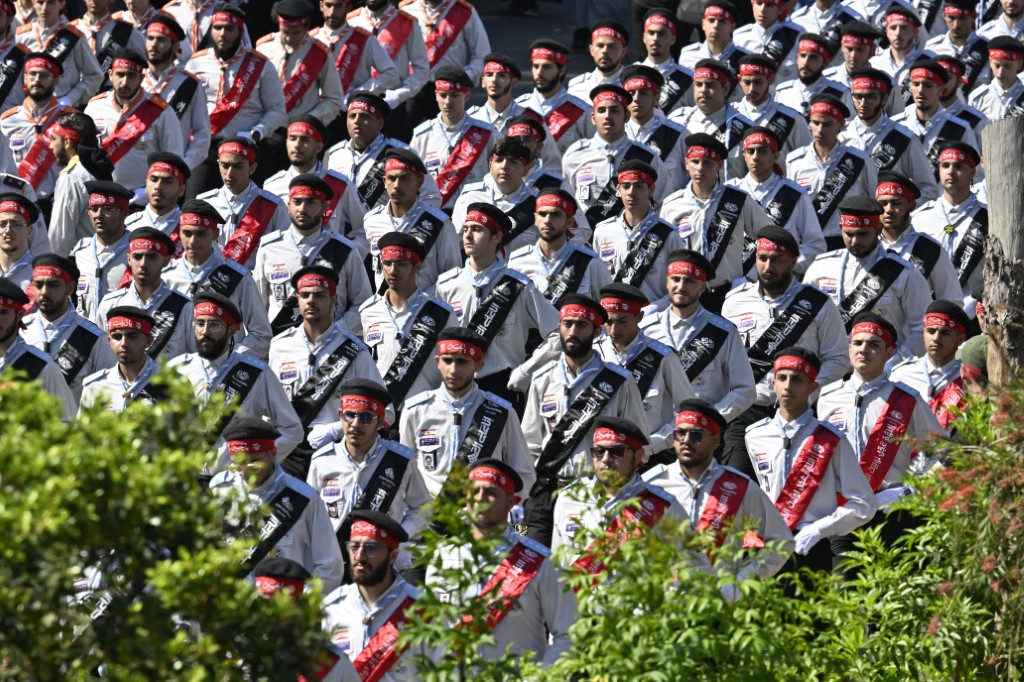
History does not remember only the cities where wars came to an end. It remembers the cities where new political orders were born. That is why Rome may one day be remembered not merely as the city that hosted another round of negotiations between Lebanon and Israel, but as the place where the process of reshaping Lebanon’s political and security architecture began after a war that profoundly altered the regional balance of power. The meetings scheduled in Rome are about far more than a ceasefire, an Israeli withdrawal, or a prisoner exchange, important as those issues undoubtedly are. They form part of a broader process aimed at translating the outcome of the war into a new political reality capable of preventing any return to the pre-war status quo.