Levant Time logo
Jad Akhawi

Jad Akhawi

Maliki's False Return to Iraq: Soudani Seeks a Scapegoat
By
Jad Akhawi
Published
Jan 29, 2026 - 00:17

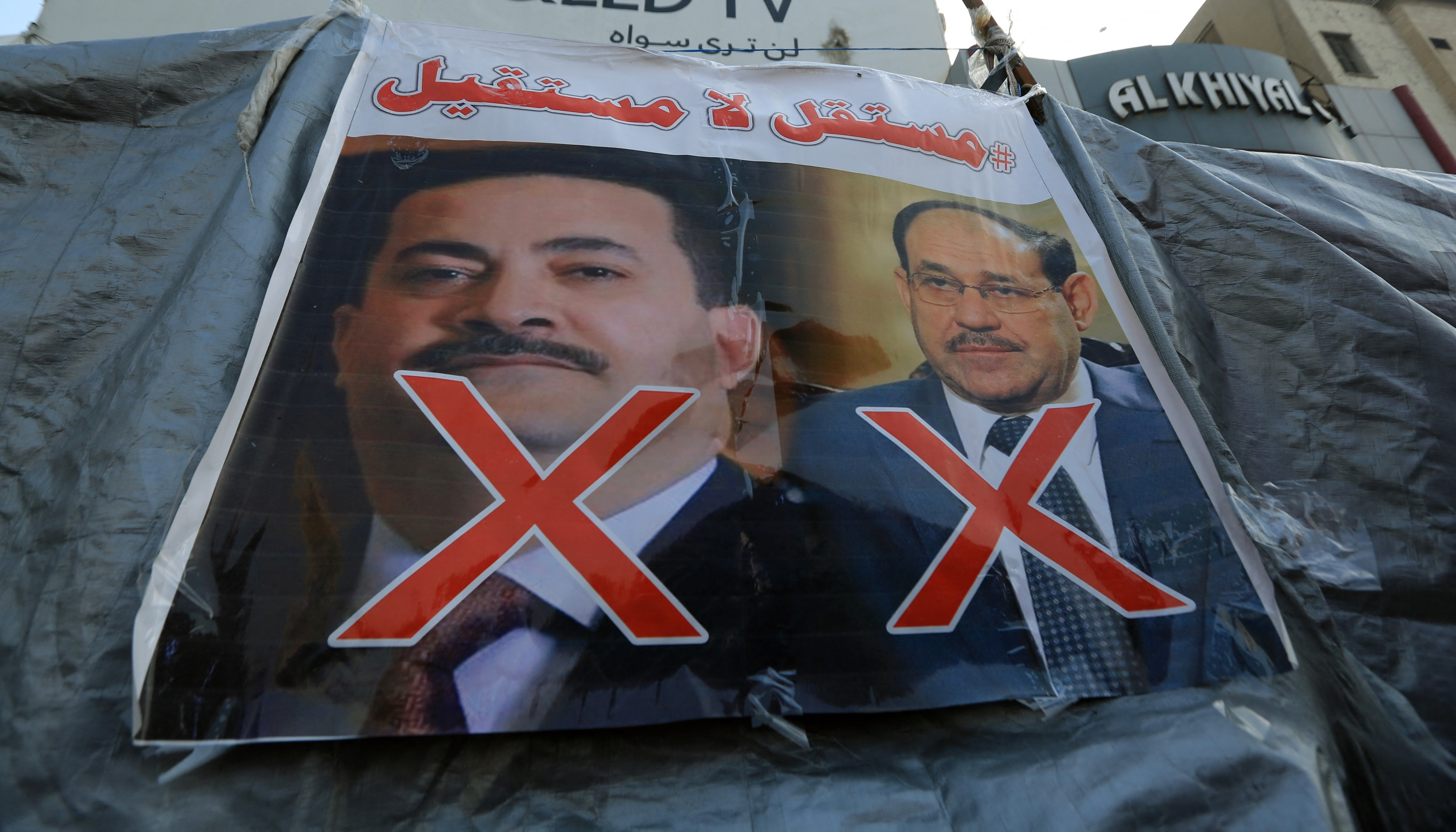
Mohammed Shia al-Sudani's game in Iraq was not a mere clever political maneuver or a misjudgment, but a meticulously planned political conspiracy, orchestrated from within a corrupt system, to reproduce power by causing failure and profiting from it. Sudani is not external to the system that destroyed the state, nor above it, but rather at its very heart, benefiting from its mechanisms and mastering its methods. What distinguishes him from others is not integrity, but his ability to manage corruption discreetly and without fuss. Nouri al-Maliki's return to the forefront of power was neither a coincidence nor a forced compromise. It was a carefully calculated maneuver. Maliki, with his heavy legacy, unresolved files, and widespread popular rejection, was the ideal candidate to bear the burden of the imminent collapse. He was not called to succeed, but to perish. He was not recalled to lead, but to serve as a scapegoat, to bear responsibility for the failures, thereby preparing the ground for his downfall and the dismantling of the entire coordination mechanism.
Nouri al-Maliki: return of a man or regression of a project?
By
Jad Akhawi
Published
Jan 26, 2026 - 06:49

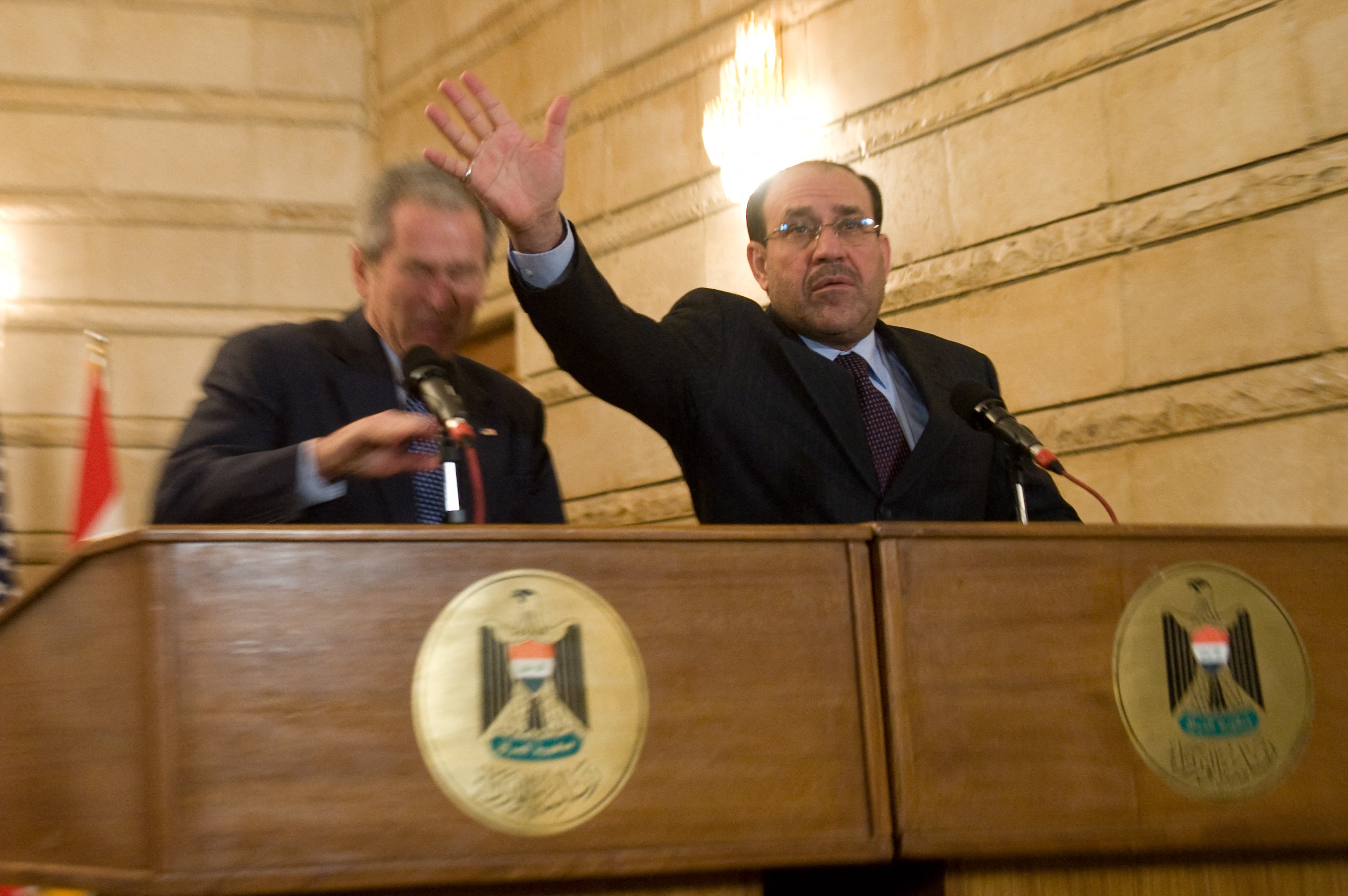
Nouri al-Maliki's return to power — or even to a key position within the Iraqi decision-making center — cannot be perceived as a mere political event, nor as the rehabilitation of a figure from the past. Due to what he embodies and the record of his actions, the man has become the symbol of an exhaustive governance model in its own right, associated with a pivotal phase in Iraq's post-2003 history, with its share of failures, divisions, and structural transformations of the state. Therefore, any eventual reappearance of Mr. al-Maliki effectively means the return of a global political orientation — on domestic, regional, and international levels — with all the repercussions this implies.

Syria: From the Risk of Partition to the Challenge of the New State
By
Jad Akhawi
Published
Jan 22, 2026 - 19:42

In Syria, the question is no longer whether Bashar al-Assad’s regime could endure. That chapter is now closed. The real issue lies elsewhere. Can Syria, in the aftermath of the old regime’s collapse, rebuild a unified and viable state, or does the risk of disintegration and partition linger, merely taking on new forms? The fall of Assad’s regime at the end of 2024, followed by Ahmad al-Chareh’s rise to power during the transitional period, marked a major turning point in the Syrian landscape. While this upheaval did not, in itself, bring an end to the crisis, it profoundly reshaped its political contours. The debate has shifted from the fate of a regime to the very future of the state itself.

The Fall of the Iranian Regime: Managing the Aftermath
By
Jad Akhawi
Published
Jan 13, 2026 - 12:46

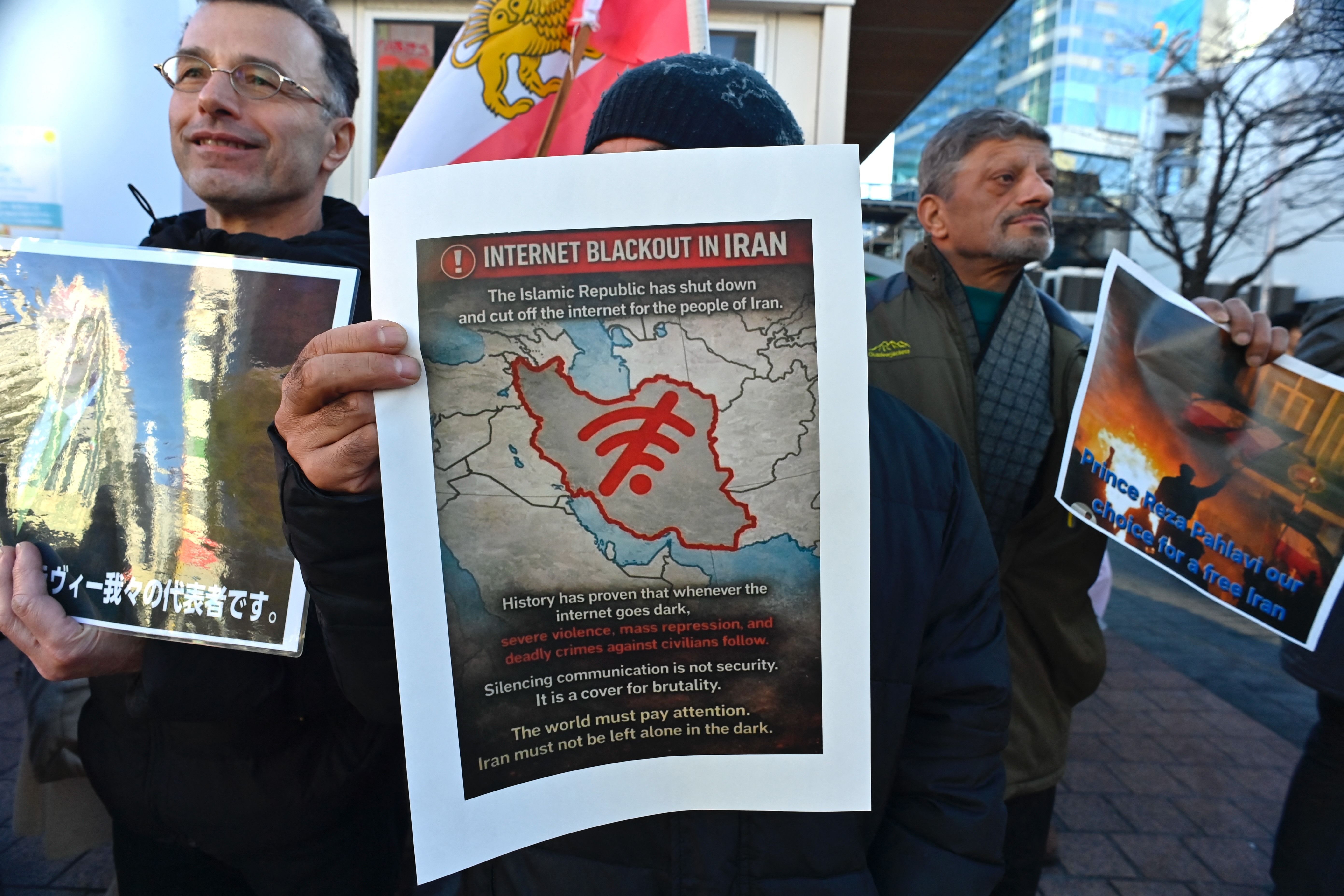
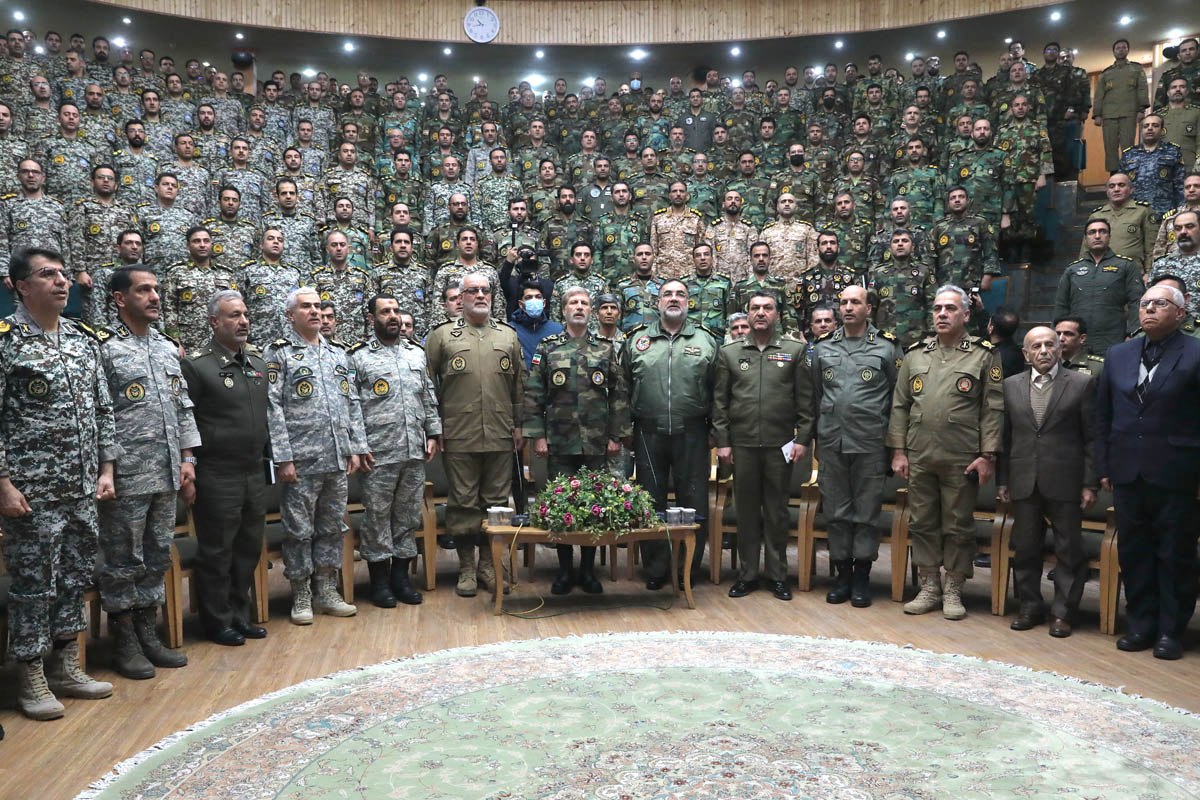
In Iran, two parallel scenes are unfolding today. Two scenes that do not cancel each other out, but rather exacerbate the critical situation: streets seething with sporadic but persistent protests, and an authority that responds with increasingly brutal repression, carried out jointly by the Revolutionary Guards and the Supreme Leader. This parallel does not reflect balance, but rather fear. Regimes confident in their power do not need such a level of sustained violence, while regimes in crisis know that any security breach could lead to their collapse. However, the most serious question concerns not only the Iranian regime's ability to withstand internal pressures, but also the repercussions of any instability or potential collapse on the entire region. Iran has never been a country isolated from its crises, but rather the center of a transnational network of influence, carefully constructed over more than four decades. Any crack at the center will inevitably have repercussions on the periphery.

The Risk of Instability of the Iranian Regime and its Repercussions on Hezbollah and Lebanon

The question of the Iranian regime's future today arises not as a theoretical question, but as a consequence of the unprecedented accumulation of internal crises and external pressures since the establishment of the Islamic Republic in 1979. However, the importance of this question lies not only in the fate of Tehran, but also in the repercussions of any change within the Iranian decision-making center on its regional structures, notably Hezbollah in Lebanon, considered the most successful model of a 'functional weapon' beyond Iranian borders. First: The nature of the relationship between Iran and Hezbollah

The new factors of American and Israeli power
By
Jad Akhawi
Published
Jan 2, 2026 - 11:05

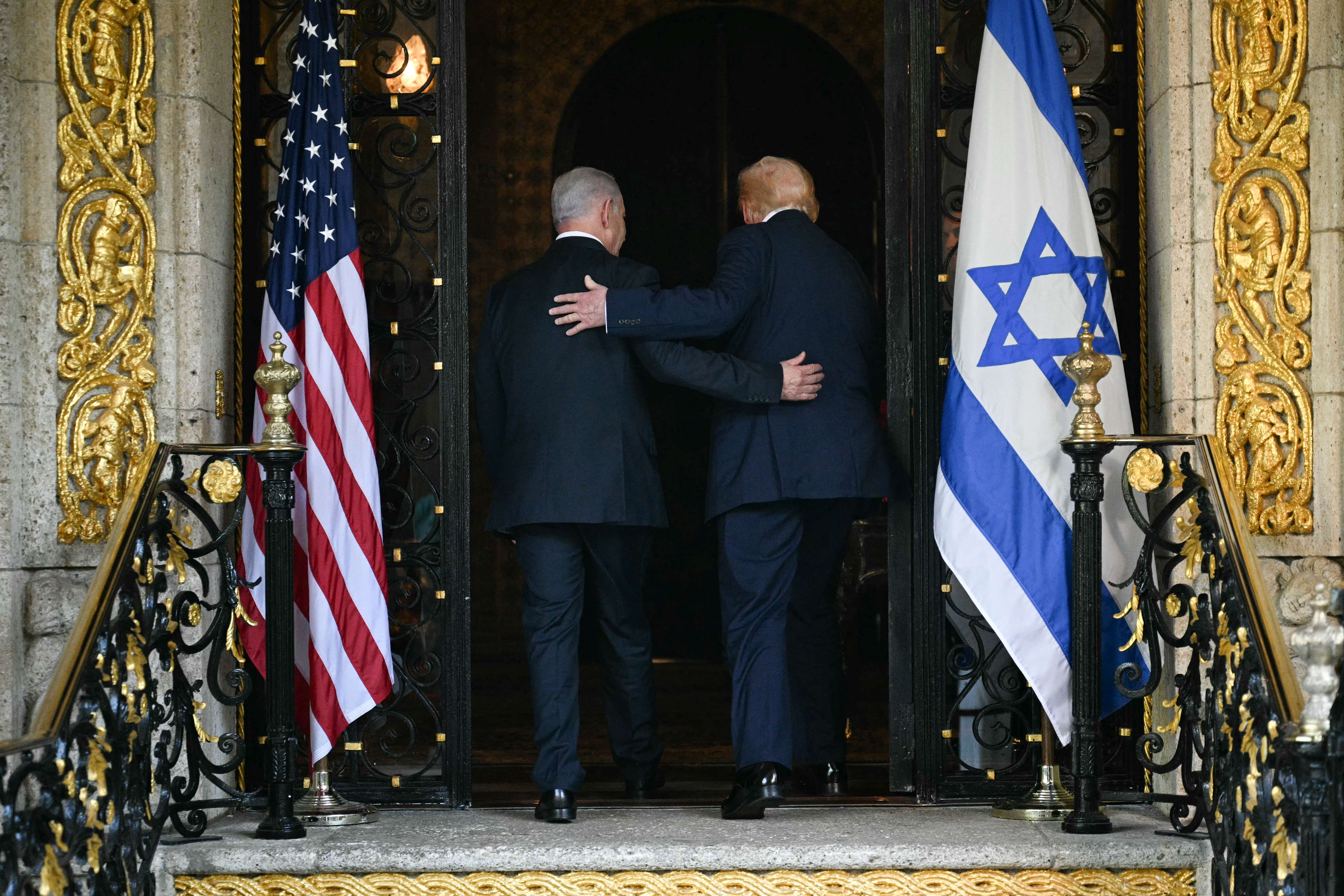
It is a grave mistake to approach American and Israeli expansionism through the same lens, despite the apparent convergence of their projects at pivotal regional moments. Conflating them not only obscures the fundamental structural differences but also misleads us into understanding the nature of today's conflicts and the forms of control now exercised in the name of security, deterrence, or “stability.” Expansion, as a political-strategic concept, is not singular in its motives or tools, even when it leads to similar outcomes. What unites the United States and Israel today is not a unified project, but rather an overlap of interests and a shared set of tools, at a transitional moment in which the meaning of control and influence is being redefined.

Lebanon after the holidays: a postponed war or a suspended peace?
By
Jad Akhawi
Published
Dec 27, 2025 - 19:23

As the holidays come to an end, anxiety once again settles over the Lebanese, crystallizing around a question that has become existential: is Lebanon heading toward a new war, or will the country remain trapped in a fragile truce, liable to collapse at any moment? Yet this question, as crucial as it is, no longer suffices on its own. Behind it looms a deeper, more perilous one: if military initiative comes from the Israeli side, and Hezbollah has refrained from responding since the ceasefire, is this a sign of incapacity or of choice? And who, in the first place, holds the right to decide matters of war and peace in Lebanon?

When a Sovereign Minister is Condemned and Populist Outbursts are Rewarded

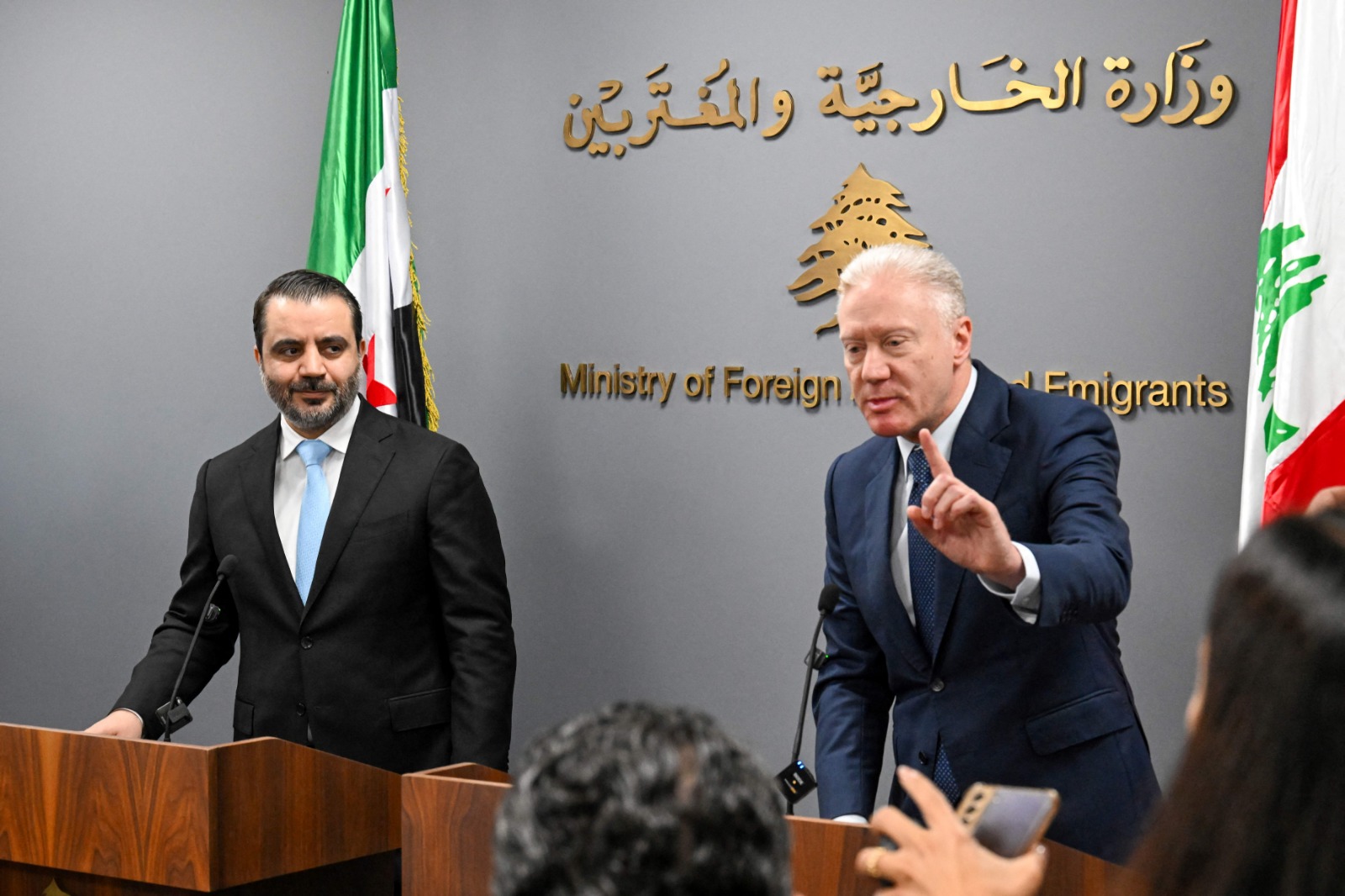
In Lebanon, politics is no longer measured by results or the extent to which national interests are protected, but rather by the loudness of one's voice, the intensity of one's rhetoric, and the ability of an official to appease the instincts of a divided and exhausted public. In this climate, any minister who chooses calm, cool-headed thinking, and working without grandstanding becomes a potential target of constant accusation. This is precisely what Foreign Minister Youssef Raggi is facing, as he is subjected to a campaign of criticism inseparable from a deeper crisis afflicting the very concept of the state.

The Papal Visit and the Israeli Threat: Between Symbolism and Realities
By
Jad Akhawi
Published
Dec 10, 2025 - 22:20

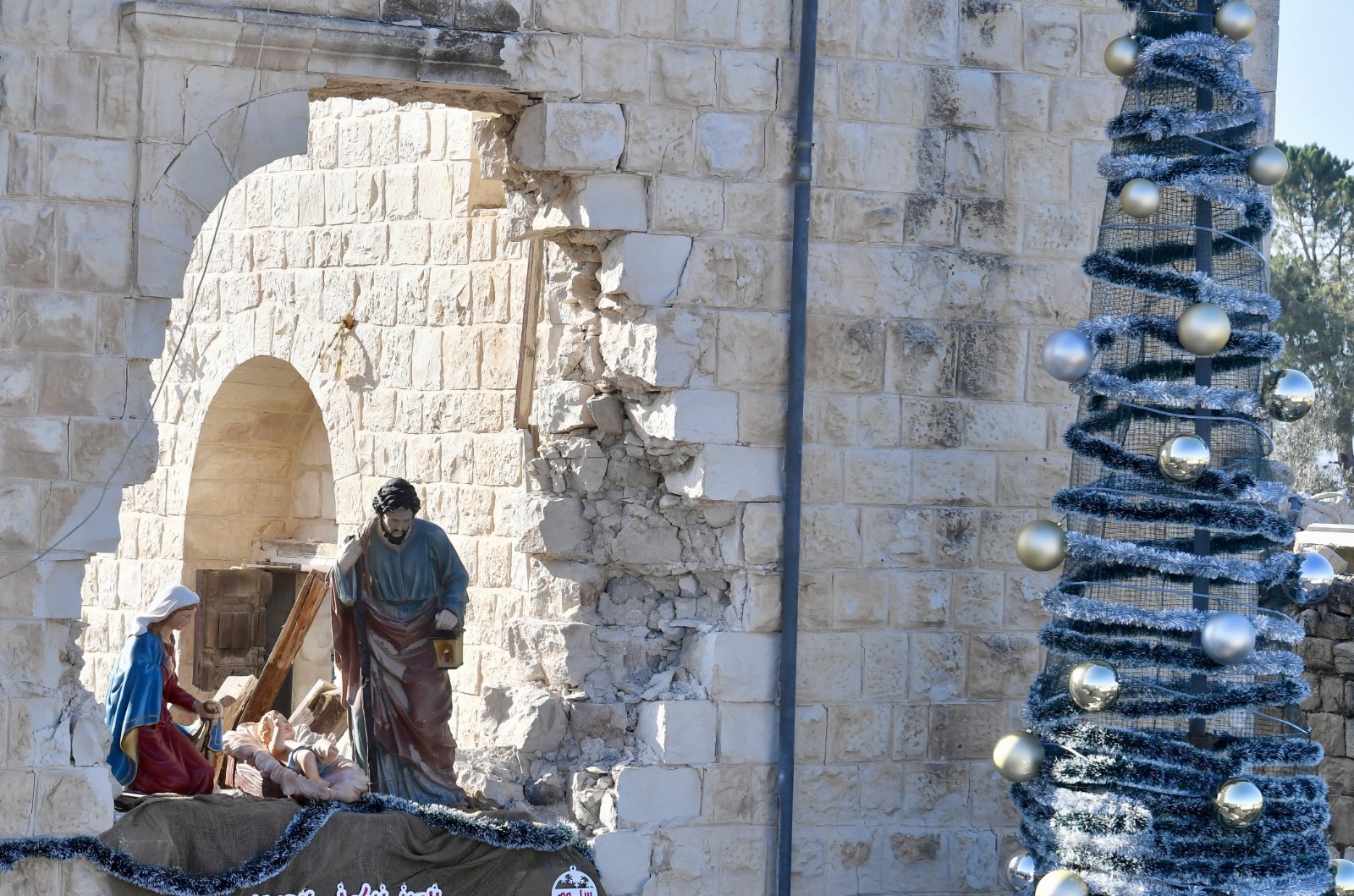
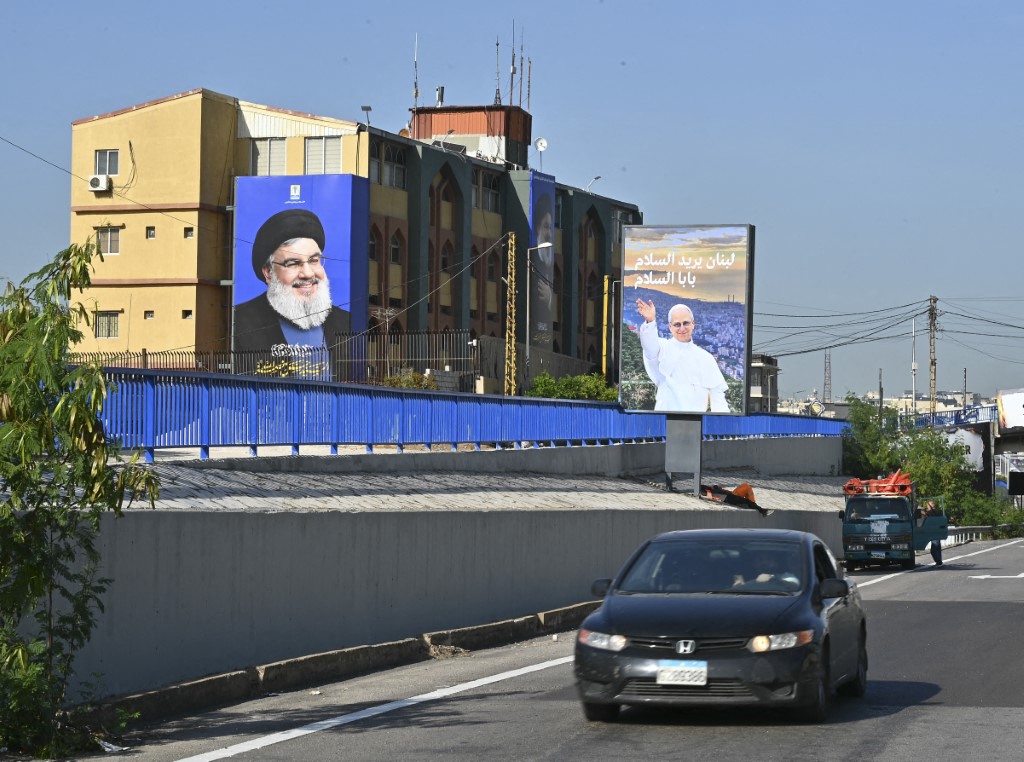
The visit of Pope Leo XIV to Lebanon was not merely a passing religious or pastoral stop; it was a profoundly political moment in one of the region’s most sensitive phases. A visit that carried messages to Lebanon’s domestic scene as much as it carried messages outward — specifically to Israel, and to the international powers holding the threads of the regional game. Yet the question that resonated strongly after the Pope’s departure was this: Did the visit put an end to the idea of an Israeli attack on Lebanon? The answer is not simple. Between the immense symbolic value of the visit and the cold strategic calculations along the southern border, one clear truth emerges: the visit granted Lebanon a temporary psychological and political breathing space, but it did not erase the logic of war. Still, together with the escalating French diplomatic activity and the President’s visit to the Sultanate of Oman, it helped create a new political and diplomatic deterrence network — one that may slow down a decision for war, and perhaps even redraw its terms.

/