Logo Levant Time
Jad Akhawi

Jad Akhawi

Lebanon Between Arms and Negotiations
Par
Jad Akhawi
Publié
May 10, 2026 - 16:02

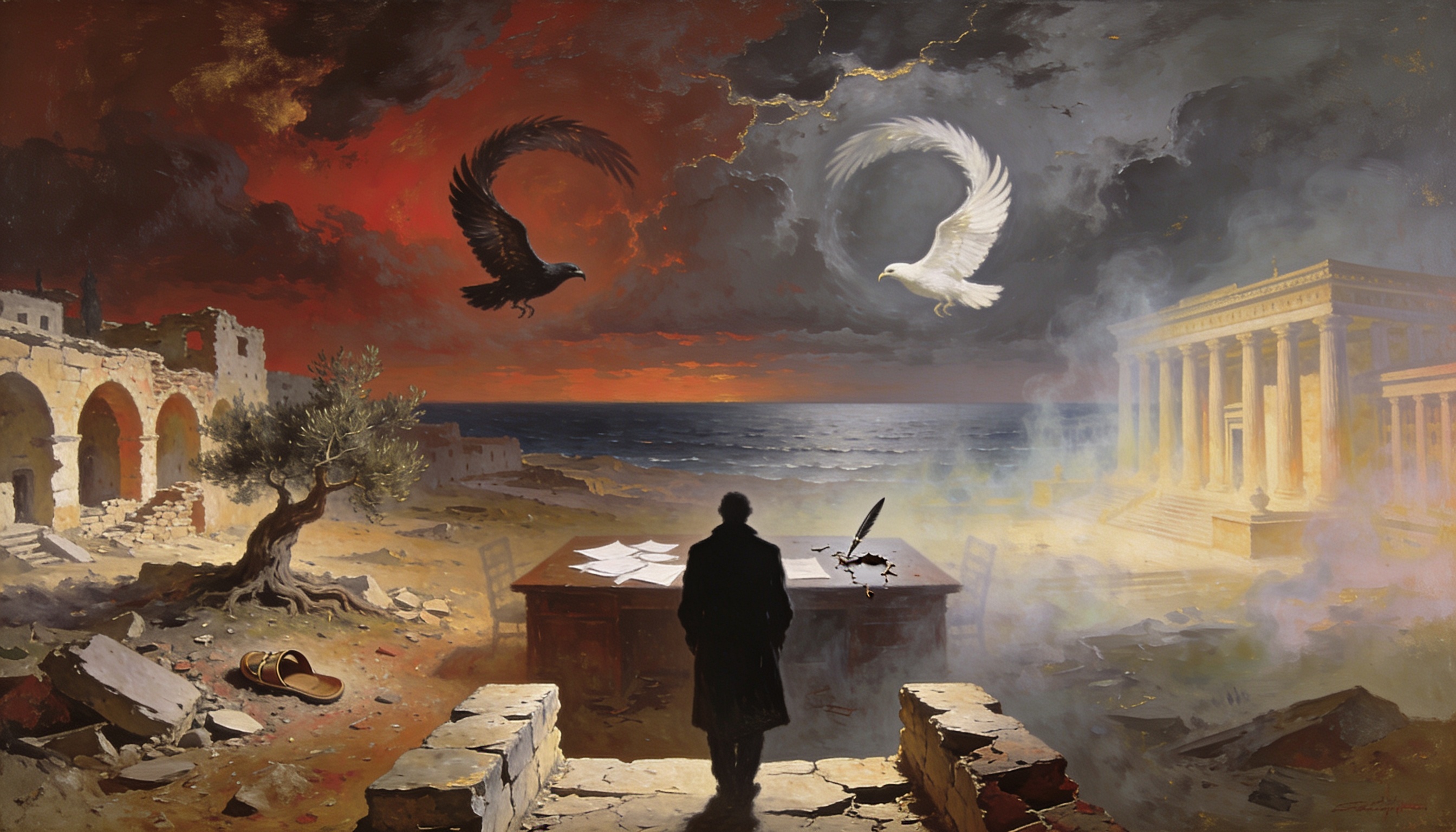
In a moment of extreme regional complexity, Lebanon finds itself confronted with an existential question that goes far beyond the daily calculations of politics and the country's traditional fault lines: what does it seek to obtain from any eventual negotiations with Israel, what can it offer, and does it even possess, internally, the capacity to honour whatever commitments might emerge? These questions have long ceased to be theoretical. They are now directly bound up with the fate of the Lebanese state, with the prospect of hundreds of thousands of its citizens returning to their villages, and with the country's ability to emerge from its condition as an "open theatre of war" and accede at last to the rank of an ordinary state, sovereign over its borders and its decisions.

Lebanon and the Triple Grip
Par
Jad Akhawi
Publié
Apr 27, 2026 - 20:34

Lebanese people often repeat a formula that has become almost axiomatic in describing their crisis: Lebanon is trapped between an "extremist" triad, doctrinal and religious in nature, embodied by Israel, Iran and the United States of America. This expression condenses a profound sense of siege and pressure, and reflects a popular awareness that the country's fate is no longer shaped from within alone. Yet the strength of this narrative lies in its simplicity, while its weakness lies in the risk of concealing the complexity of reality and the multiplicity of its layers. In practice, these three powers cannot be placed in the same category under the heading of "religious extremism" without falling into oversimplification. Religion does play a varying role in the policies of these actors, but it is neither the sole factor nor, in some cases, even the primary one. The more appropriate approach is to understand each party within its own structure, and then to read how these structures intersect on the Lebanese scene.

Birth of a State Decision or Overreach Without Means?
Par
Jad Akhawi
Publié
Apr 18, 2026 - 14:15

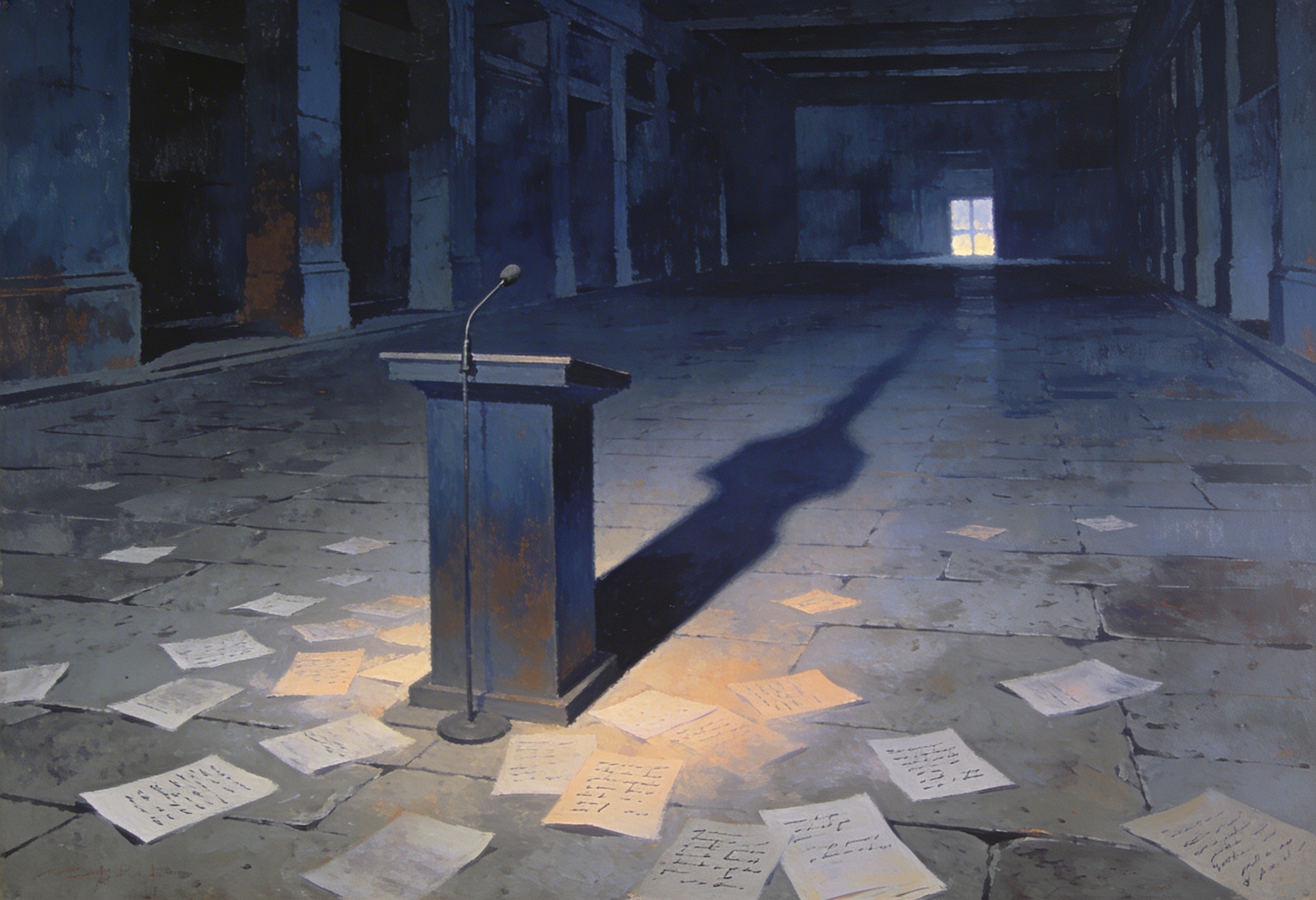
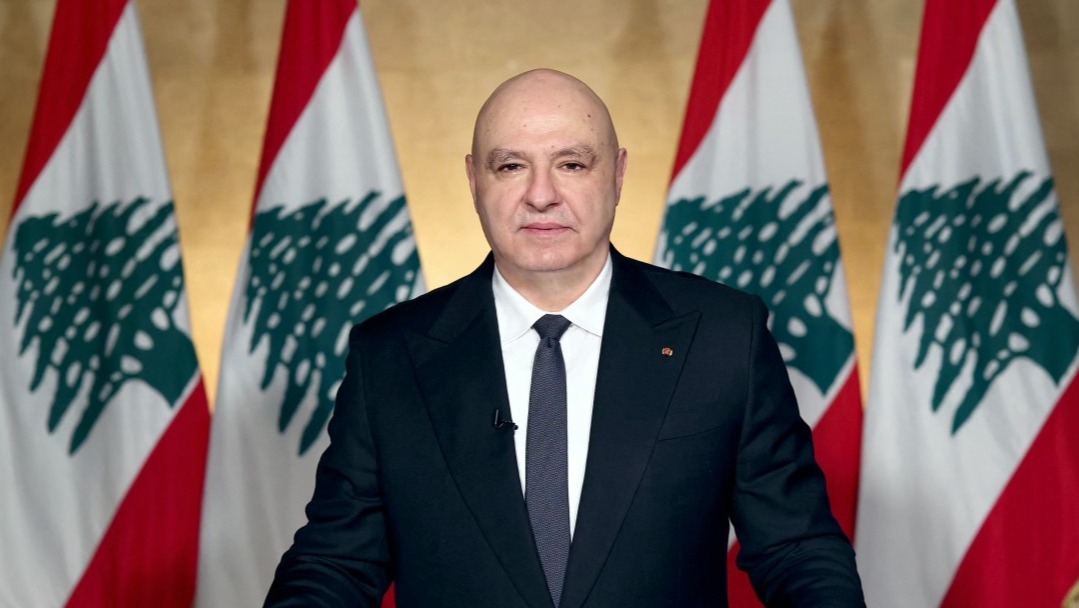
Delivered at a critical moment, following the entry into force of the ceasefire with Israel, the speech by Lebanese President Joseph Aoun stands out as one of the clearest in tone and most ambitious in its political aspirations. Neither an ordinary speech of appeasement nor a ceremonial statement of thanks, it amounted rather to a sweeping declaration of intent: to redefine Lebanon’s position, recover the State’s decision-making authority, and engage in a negotiation process supposedly different from everything that has come before. But between the force of the speech and the reality of the balance of power, the real questions arise: are we witnessing a genuine turning point, or a speech that runs ahead of the State’s actual capabilities?

When Victory Becomes Noise
Par
Jad Akhawi
Publié
Apr 1, 2026 - 09:45

In moments of major crisis, confrontations are not confined to the military field alone; they extend to another arena no less decisive, that of narrative. In the current Lebanese situation, Hezbollah’s behavior is marked by an intensification of its internal threats and a saturation of the media space with a torrent of communiqués sometimes reaching dozens per day. This phenomenon deserves careful reading, free from emotional reflexes, in order to understand its motivations, objectives and consequences. What strikes one immediately is the unprecedented volume of communiqués referring to “special operations” and “battlefield heroics” in the south. This sustained rhythm cannot be explained by purely military facts; it belongs to what is known as “morale management.” Modern wars are not waged with weapons alone, but also through image, information and impression. When any party feels itself under pressure, whether militarily or politically, it resorts to amplifying its achievements in order to preserve the cohesion of its support base and prevent doubt from seeping into it.

For a New March 14
Par
Jad Akhawi
Publié
Mar 14, 2026 - 16:06

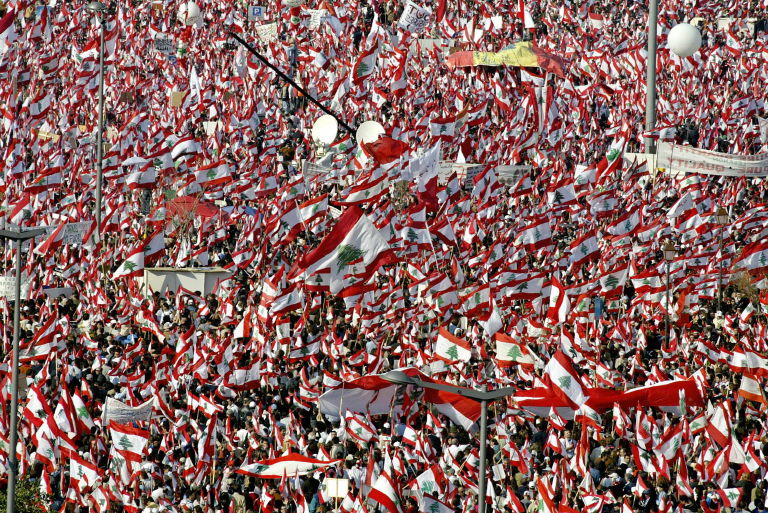
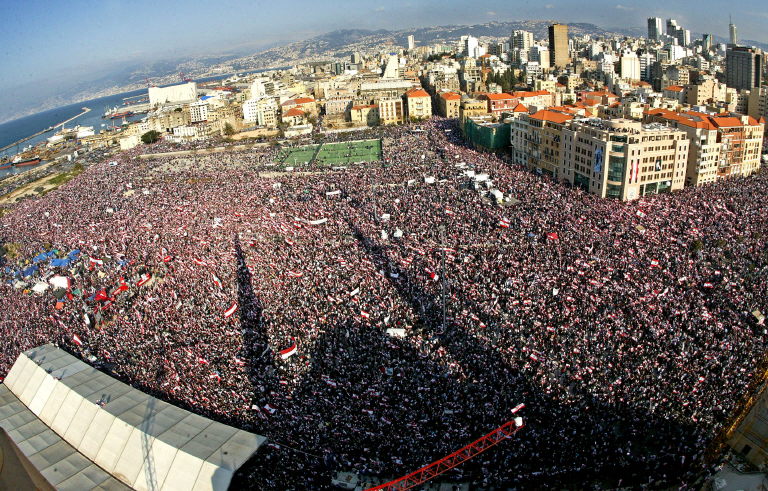
Lebanese memory is punctuated by significant moments, but rare are those that truly constituted a turning point in the country's history like the March 14, 2005 demonstration. That day, it was not merely a massive demonstration in the heart of Beirut, but a rare moment when Lebanese united around a common idea: the restoration of the state. This moment occurred after the assassination of former Prime Minister Rafik Hariri, a crime that not only shook Lebanon but also disrupted the course of its political life. The assassination of a figure of Hariri's stature was not a mere security incident, but a true political earthquake that revealed the extent of the crisis Lebanon was experiencing, under the security and political yoke of Damascus since the end of the civil war.

The Strait of Hormuz Between the Iranian-Israeli Tension and the Fate of Global Trade

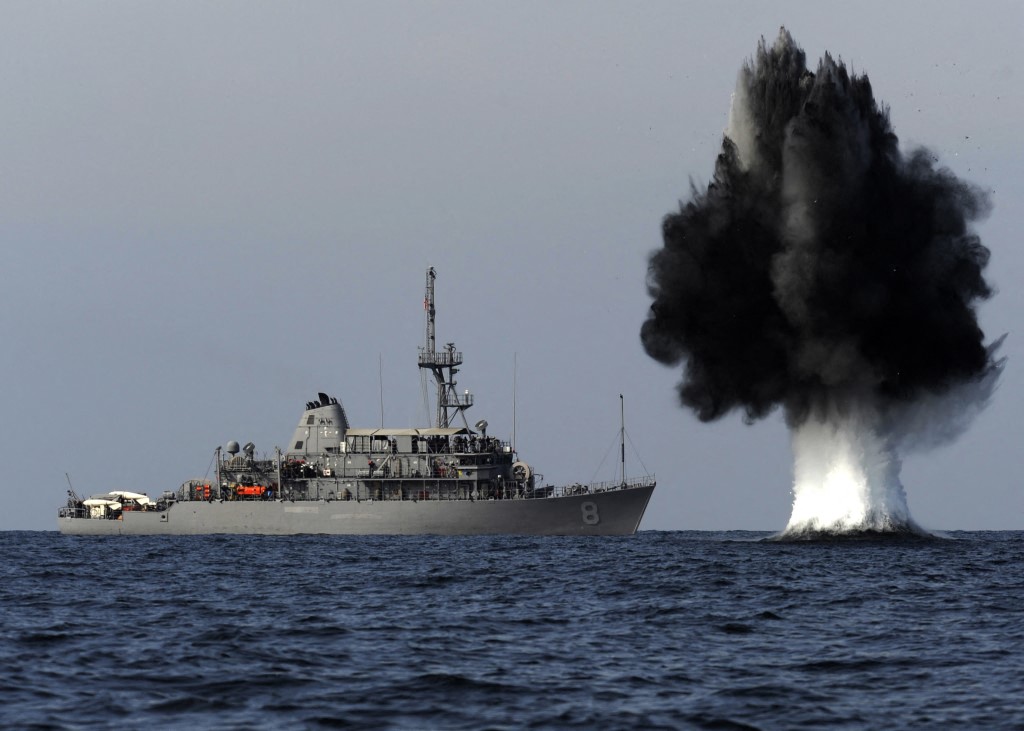
In contemporary geopolitics, there are few points on the map capable of altering the course of the world economy in a matter of moments. The Strait of Hormuz is among the most consequential of them. This narrow maritime passage, separating Iran from the Sultanate of Oman, forms the vital artery through which oil and gas are exported from the Gulf to the rest of the world. Any military tension in the region — particularly given the persistent escalation between Iran and Israel — places this strait at the very heart of the international equation. This is no longer merely a regional dispute or a limited military confrontation. What is at stake is the potential destabilization of one of the main pillars of the global economy.

What Would Be The Fallout for Lebanon in the Event of an Iran-US Conflict?

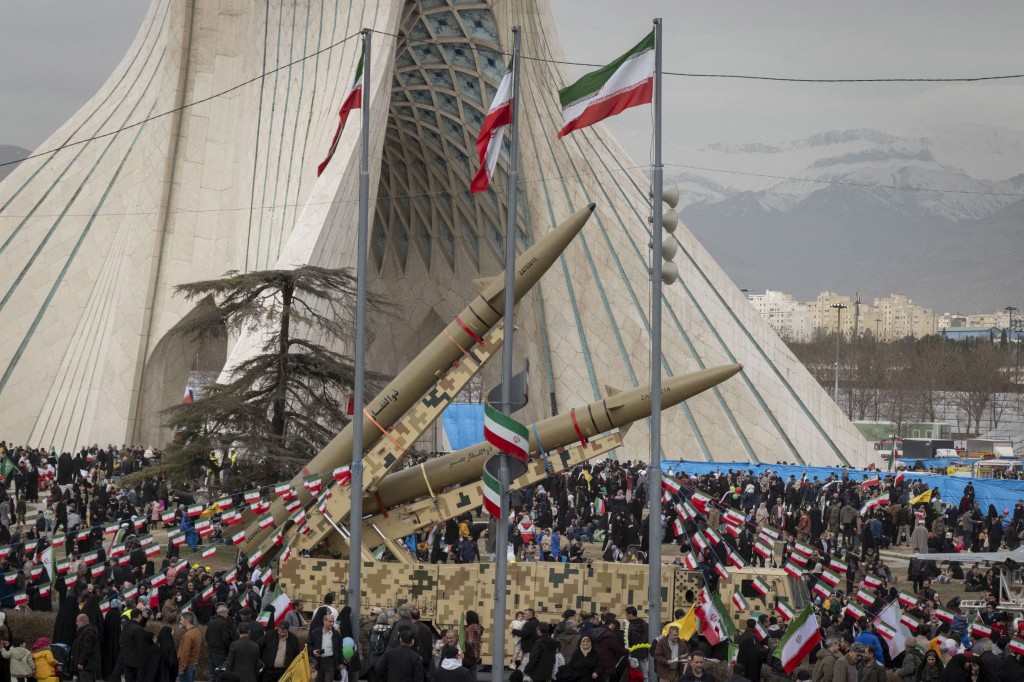
With every rise in tensions between the United States and Iran, the same question hangs over Beirut: are we facing a delayed war or an inevitable confrontation? Will Lebanon be the battlefield or simply an anxious spectator, witnessing the events? The reality is that the region has been living for years in a state of 'neither war nor peace'. Calculated escalations, localized strikes, inflammatory statements, and movements of military assets by sea and air provoke responses through indirect negotiations and regional and international mediations. This is a delicate strategy of managing relations, taking one step forward and two steps back, but the situation has not yet degenerated into open warfare.

Rafic Hariri, 21 Years Later: How Has Lebanon Changed?… and If He Were Still Among Us?

On February 14, 2005, it was not only a man who was assassinated, but an entire balance that shifted. The assassination of Rafic Hariri marked a turning point in Lebanon's modern history: the moment the country moved from direct tutelage to an internal conflict open to all eventualities. Twenty-one years later, the question seems to go beyond mere remembrance: what has changed? Where is Lebanon today? And if Hariri were still among us, how would he have managed this upheaval? From Earthquake to Division The assassination pushed hundreds of thousands of people into the streets, Syrian forces withdrew, and a deep division emerged between the March 14 and March 8 camps. But the liberation from tutelage did not lead to stability, but rather a long period of polarization around sovereignty, Hezbollah's weapons, and Lebanon's regional role.

Nassib Lahoud… Remains the Ideal President
Par
Jad Akhawi
Publié
Feb 10, 2026 - 15:51

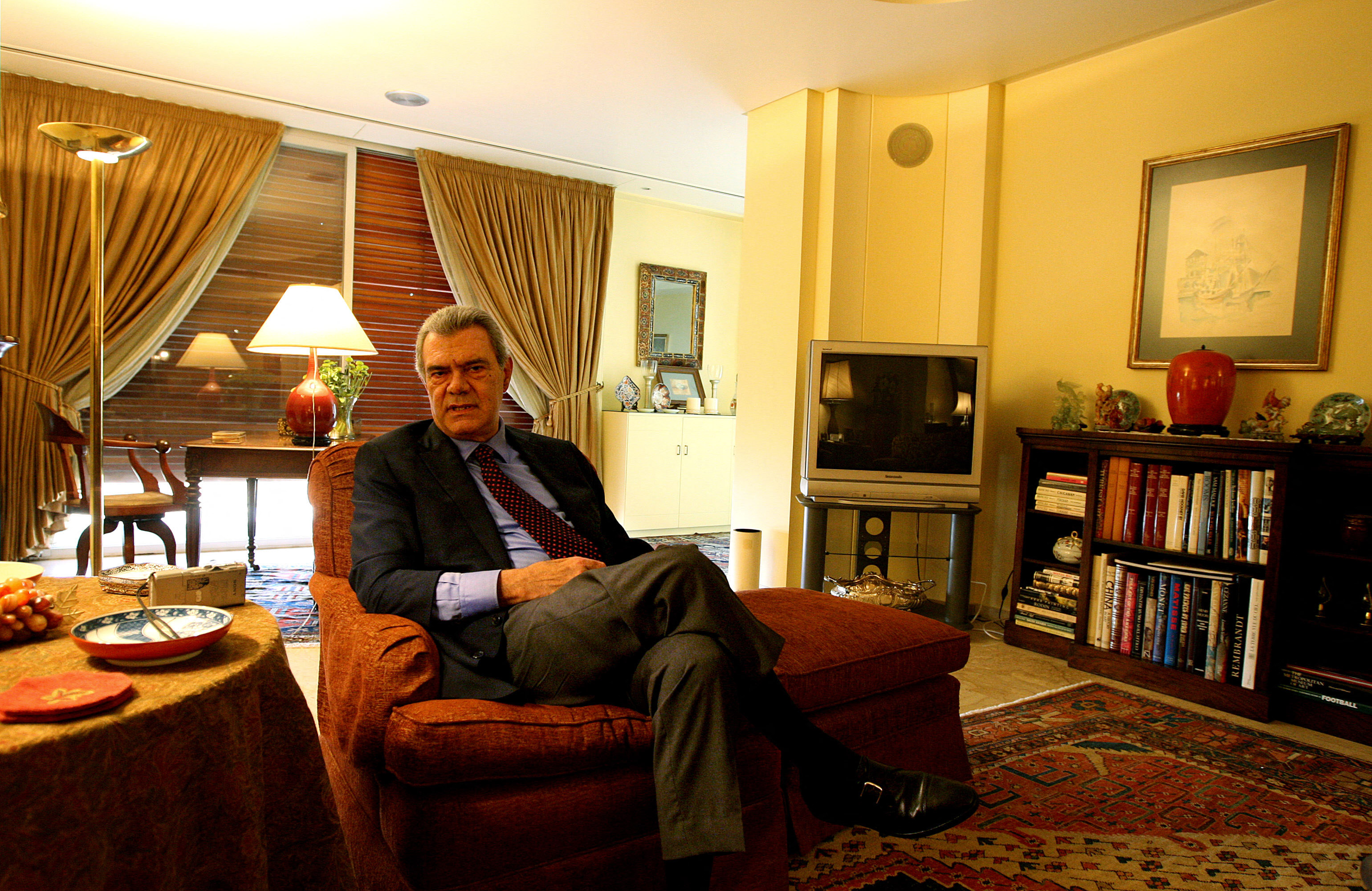
On the anniversary of Nassib Lahoud's passing, in a country accustomed to consuming its presidents even before putting them to the test, and lowering expectations before raising them, Nassib Lahoud's name remains outside this game of consumption. Not because he disappeared from political life, but because he was present in another way: the presence of an idea, not an agreement; the presence of a project, not a power-sharing arrangement. Thus, every time Lebanon goes through a new presidential crisis, Nassib Lahoud's name resurfaces as that of the “ideal president”; not as a romantic nostalgia, but as a moral and political benchmark, a symbol of what could have been.

Lokman Slim: When Words Defy Weapons
Par
Jad Akhawi
Publié
Feb 2, 2026 - 18:51

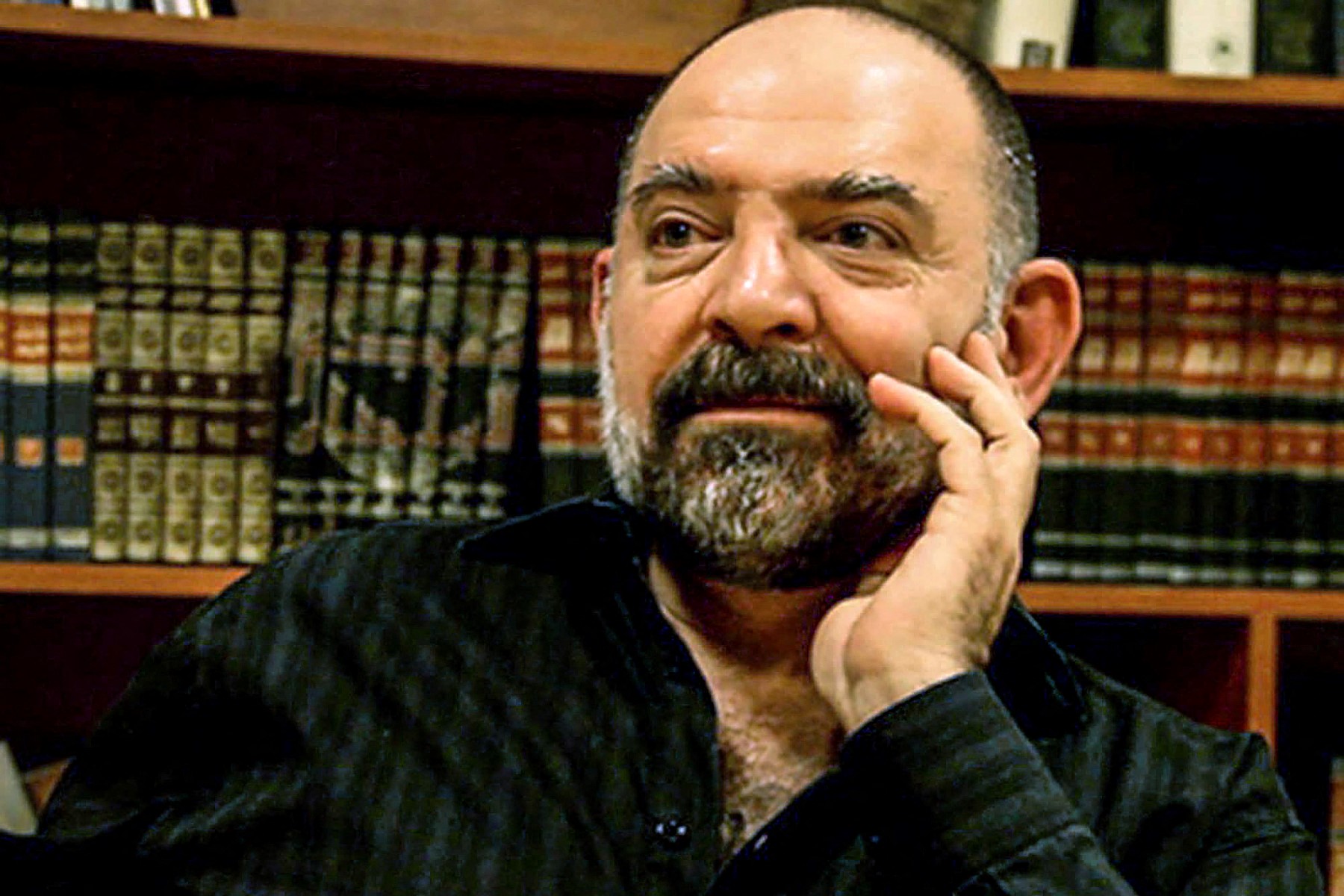
Lokman Slim was not an opponent in the conventional sense, nor a partisan activist seeking power or position. At the core of his experience, he was an intellectual who chose to pay the full price for his convictions, confronting the system of oppression not from outside, but from within its social environment, through its prevailing narratives and the rhetoric it sought to claim as its own. His assassination thus appeared, from the very first moment, as a symbolic killing before it was a classic crime, a political message before it became a personal liquidation. Lokman Slim was born into a Shia environment from which he never detached himself. Yet he refused to allow it to become an ideological prison or a reductive identity. Early on, he understood that the true danger to a community does not come so much from outside as from the suppression of its right to critique, and the transformation of that community into a closed bloc governed by fear and enforced loyalty. His conflict with Hezbollah, therefore, was not a mere political disagreement, but an existential clash between those who see politics as an open space for debate and accountability, and those who regard it as a closed doctrine, protected by arms.