

Mohammed Hussein Shamseddine, that Unknown Soldier

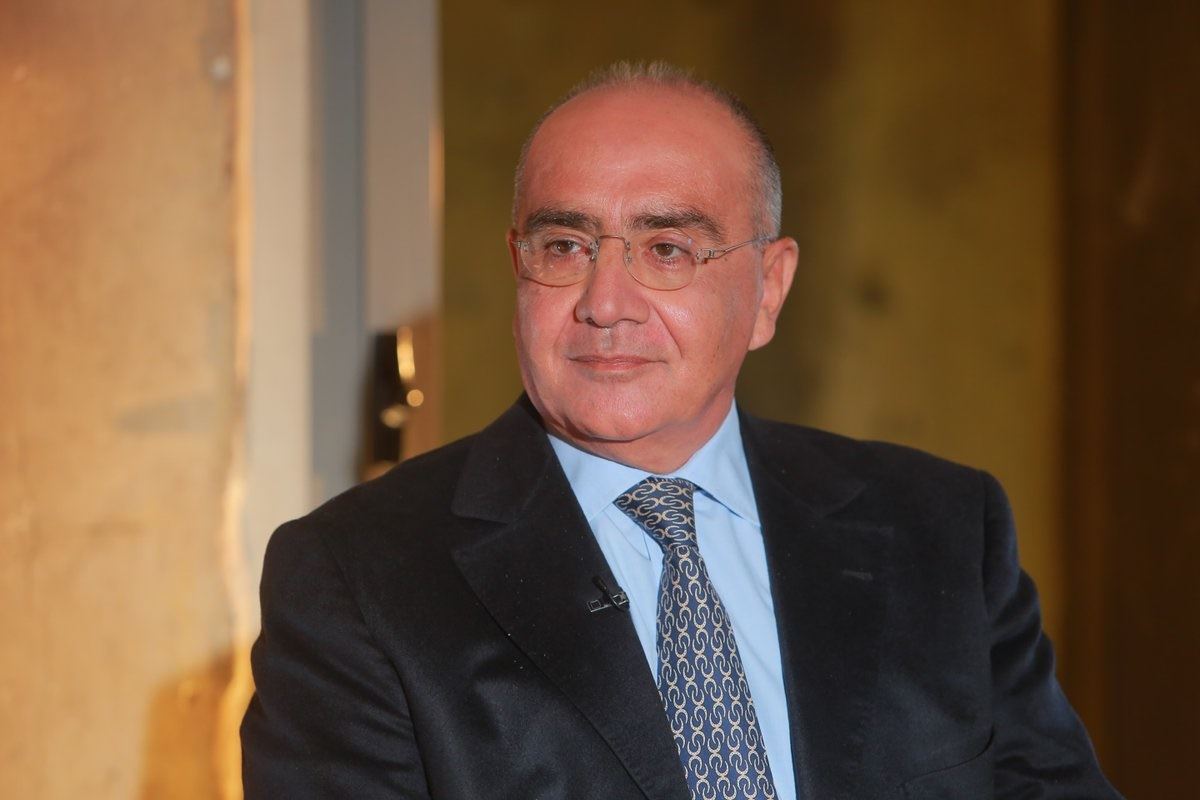
If I write these words today, it is not out of ethics, friendship, or politeness, but out of the immense respect I hold for a man who gave so much to Lebanon and who remained an unknown soldier.
This man's name is Mohammed Hussein Shamseddine, and from 1992 to 2026 he thought and drafted the majority of the political literature that formed the cornerstone upon which we built the narrative of this country's sovereignty and independence.
For Mohammed Hussein Shamseddine, sovereignty and independence were always bound to national unity, upon which they directly depended. And whenever that national unity was broken, whatever the reason, it inevitably brought with it a rupture in the country's independence and sovereignty.
He would say that the majority of Lebanese — communities and parties alike — had chosen, in order to settle scores with other communities and parties, to forge a partnership with a regional or foreign power, ceding to it a portion of the country's sovereignty in exchange for auxiliary force to be used internally against the differing other.
For him, independence and sovereignty were indivisible, and no benefit could be created at the expense of partnership with the other communities, whether different or not.
Chamseddine was an unknown soldier because the credit for drafting, for instance, the literature of the Permanent Congress of Dialogue had been attributed to great thinkers. The credit for drafting the entire literature of Qornet Chehwan, of March 14, of the general secretariat, of the political manifestos drawn up each year, of the letters addressed abroad, to Arab decision-making centers, and so on, had all been attributed to great thinkers.
All of that national and political heritage was, in truth, owed to the thinking of Mohammed Hussein Shamseddine.
It was around him that we would gather at the general secretariat, cigarette in hand, with a river of coffee served by Antoinette. Around this sage, this profoundly modest man who had never, unlike so many politicians and political thinkers, sought to make a display of what he knew at another's expense.
On the contrary, he taught, calmly, as a sage does. Around him, everyone — everyone — listened, seeing in him a source of kindness, courage, common sense, intelligence, and above all a deep understanding of the complexity of Lebanese society.
Mohammad, you will remain for me, always, as Sami Frangieh or Nassir al-Assad were before you, a man of learning from whom I learned to stay modest, to read intensely, and to see and know Lebanon in a different way.
Lebanon, as you always said, cannot be built on a balance of power, but on the power of balance.
May you be heard, especially in these terrible moments we are living through, and may your words and your thought become the philosophical pillar of the Lebanon of tomorrow.
Michel el-Khoury, or the Nobility of Effacement
The Sayyed Who Showed the Way
Mohammad Hussein Shamseddine, a Shia mind behind March 14
Salma Merchak, Resistance Through the Enlightenment
The story of Salma Mershak, who waited 5 years for justice for her son Lokman
Mais de Fares Souaid
Ver tudo
O mais recente do Levant Time
Ver tudo


