Levant Time logo
Khairallah Khairallah

Khairallah Khairallah

October 7: The Question That Cannot Be Answered
By
Khairallah Khairallah
Published
Oct 9, 2026 - 06:32

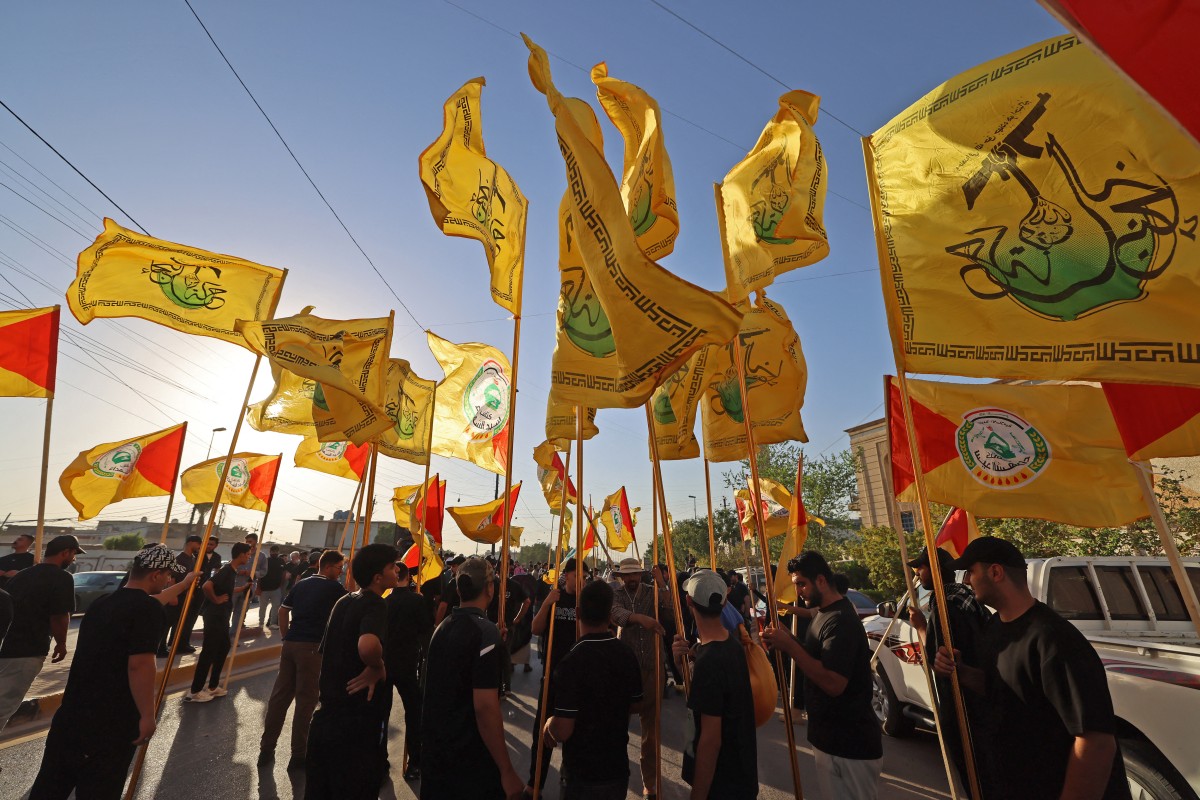
On the third anniversary of the “Al-Aqsa Flood” and the tragedy in Gaza caused by Hamas, it seems legitimate to ask: Where are the Arabs? Indeed, where is Iran? And where is Israel heading? For the time being, this has become a question that cannot be answered. This is because the problems afflicting the Arab world, or rather the Arab worlds, appear unlikely to be resolved in the foreseeable future, for the simple reason that the key to a solution most often lies in Tehran, not in one Arab capital or another, and certainly not with the Arab League. The Arab League is experiencing a structural crisis that reflects the Arab world’s state of decay. I believe “decay” is a rather gentle word.
Yemen: For the “Islamic Republic”, the Worst Possible News
By
Khairallah Khairallah
Published
Oct 1, 2026 - 03:44

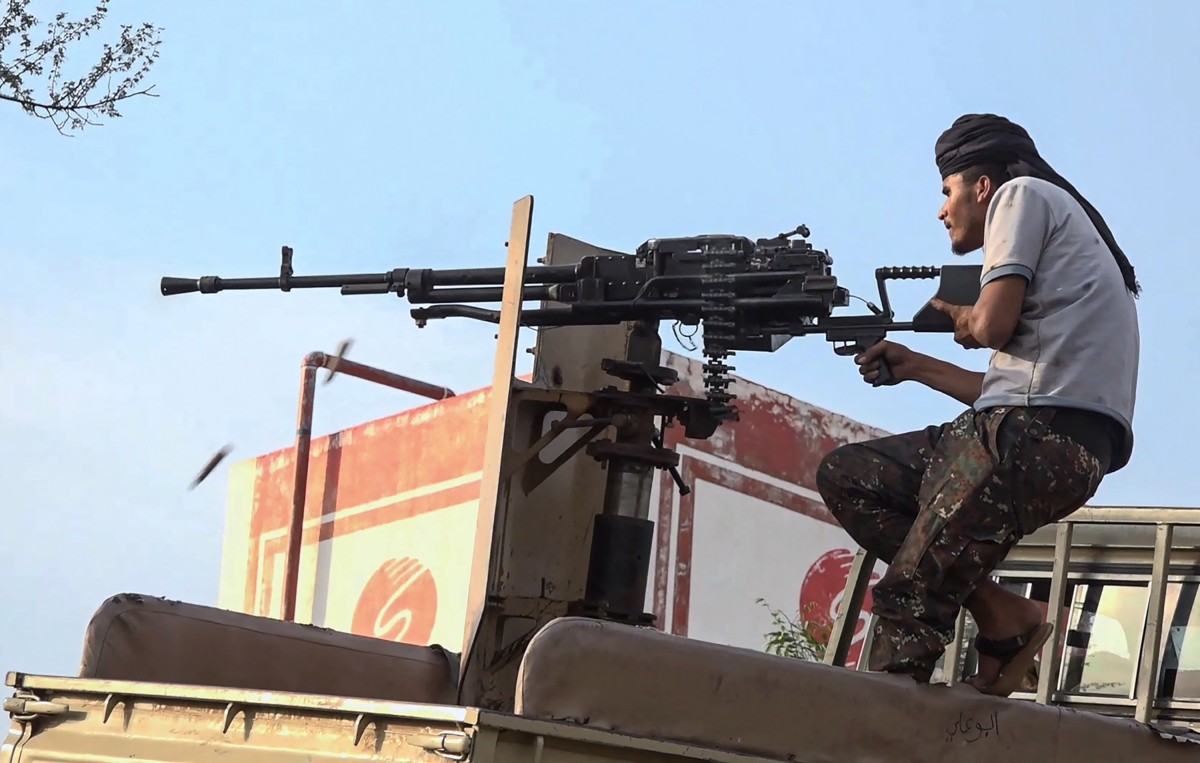
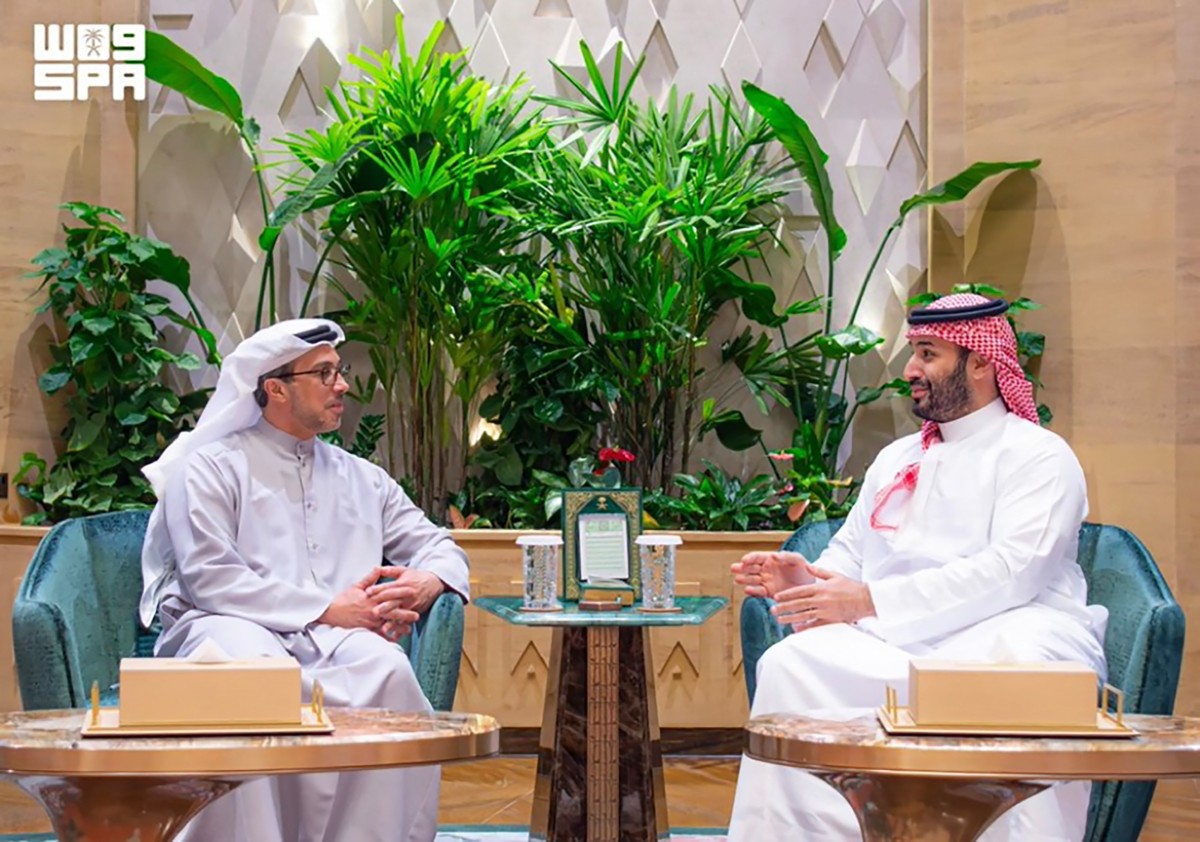
The return of Saudi-Emirati coordination in Yemen would constitute a development of immense regional importance, in addition to being the worst possible news that could reach the ear of the “Islamic Republic.” It is no secret that Iran is prepared to go far in exploiting Yemen, part of which has become, thanks to the Houthis (the Ansar Allah group), a military base affiliated with it in the Arabian Peninsula. The Houthis’ return to the port of Mokha, threatening navigation through the Bab el-Mandeb Strait, along with the attacks against the Kingdom of Saudi Arabia launched from Yemeni territory, indicate that confronting the Houthis has become unavoidable. Indeed, they must be reduced to their natural size in northern Yemen. Such a confrontation is in the interest of every Arab state in the region, not Saudi Arabia alone.

What the Sahrawi Turnout in Morocco’s Elections Means
By
Khairallah Khairallah
Published
Sep 25, 2026 - 22:31

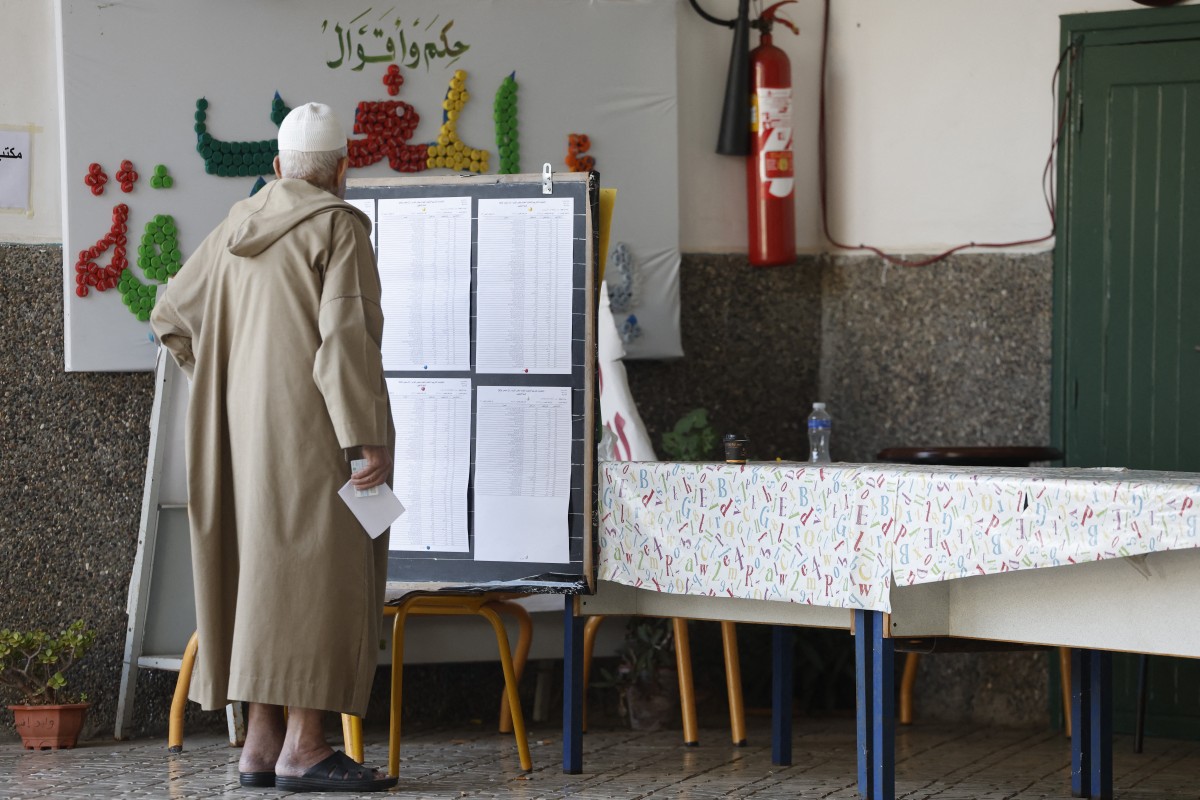
In light of the legislative elections held a few days ago, one can speak of a certain regularity in Morocco’s political life. The elections were calm and normal across the Kingdom. The results were perfectly clear and showed that the biggest winner was Morocco itself, under the leadership of King Mohammed VI, who laid the foundations of a modern state. They also revealed the extent to which the inhabitants of the Sahara provinces are attached to their Moroccan identity. This was clearly reflected in voter turnout in the Saharan provinces. In modern Morocco, elections are held on schedule and governments do not fall in the street. Change comes through the ballot box. Ultimately, the political system that emerged from the 2011 Constitution places the parties before their responsibilities, namely the obligation to fulfill the promises they made during election campaigns.

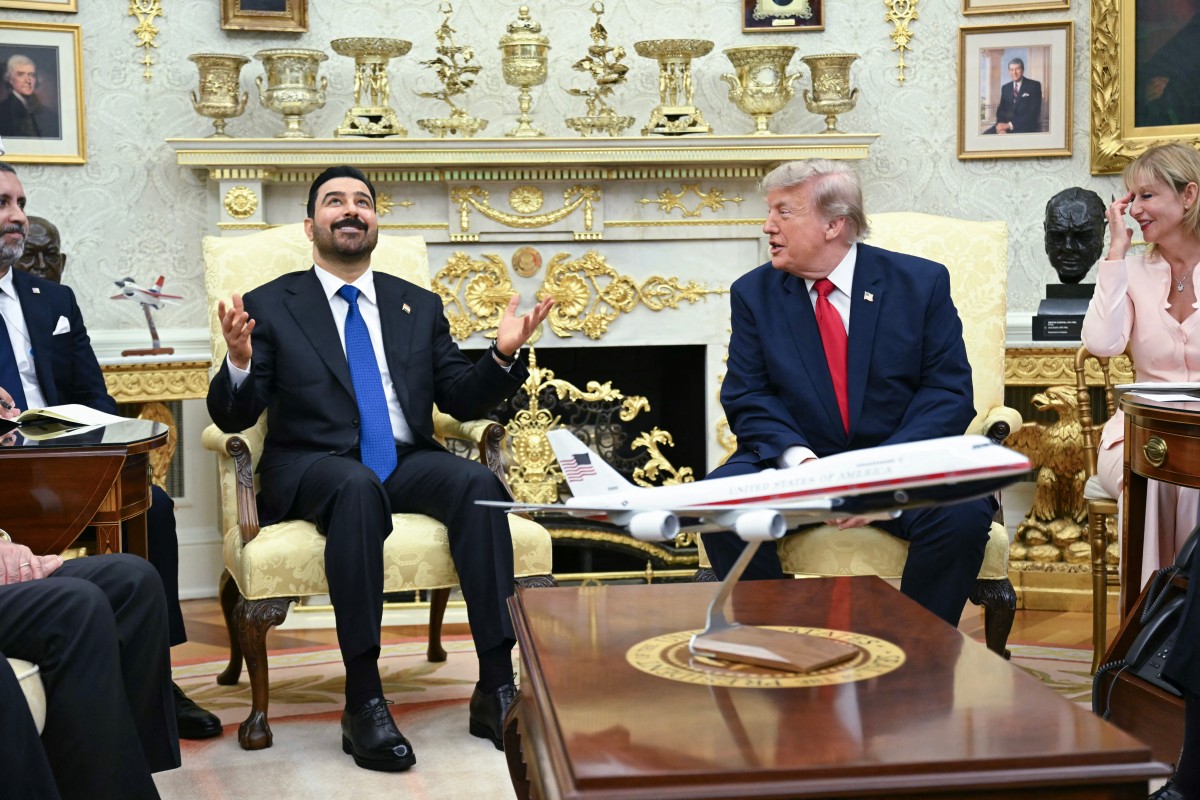
Iraq: The Collapse of the US Bet on the Al-Zaidi Government
By
Khairallah Khairallah
Published
Sep 19, 2026 - 14:09

With each passing day, it becomes clearer just how vital Iraq once was to the security of the Gulf as a whole, and how severe the regional imbalance created by the George W. Bush administration in 2003 truly was. That year, the United States handed Iraq to Iran on a silver platter. American tanks rolled into Baghdad without fully grasping the consequences of a transformation that would reshape the regional balance. That balance had been an integral part of the regional order since the creation of the Iraqi state following the collapse of the Ottoman Empire in the early 1920s. Iraq, from which drones were launched toward Saudi Arabia in an attempt to disable the oil pipeline terminating at Yanbu on the Red Sea, is not simply another country sharing a long border with Iran.

One War, from Yemen to Iraq
By
Khairallah Khairallah
Published
Sep 14, 2026 - 00:49

By taking control of the port of Mokha, the Houthis have enabled Iran to take a major step toward controlling the Bab el-Mandeb Strait. The strait is the essential gateway to the Red Sea and the Suez Canal. The “Islamic Republic” has used the Houthis as part of the war it is waging against the United States and Israel, a war it has also extended to the Arab Gulf states and Jordan. Foremost among these countries is Saudi Arabia, which now considers itself to be fighting a war along its long border with Yemen while simultaneously coming under attack from Iraq. This is no longer merely a test for Yemen’s “legitimacy,” whose very fate is now in question. It is also a test for the Arab world and the Gulf, especially since the “Islamic Republic” has not hesitated to use Yemen to pressure every state in the region.

Ceuta: Morocco Puts the Record Straight with Spain
By
Khairallah Khairallah
Published
Sep 12, 2026 - 03:49

It was time to put the record straight on relations between Morocco and its Spanish neighbor, with which it has traditionally maintained good ties that have deepened significantly over the past four years. The Moroccan Ministry of Foreign Affairs was keen to recall the key stages in Moroccan-Spanish relations and the positive turning point reached in 2022. That year, King Mohammed VI received Spanish Prime Minister Pedro Sánchez. It is worth recalling that Spain, after the United States, played a pivotal role in affirming Moroccan sovereignty over the Sahara and in supporting the view that the only viable option is broad autonomy within the framework of Moroccan sovereignty.

Bankrupt Hezbollah Seeks Cover
By
Khairallah Khairallah
Published
Sep 3, 2026 - 19:58

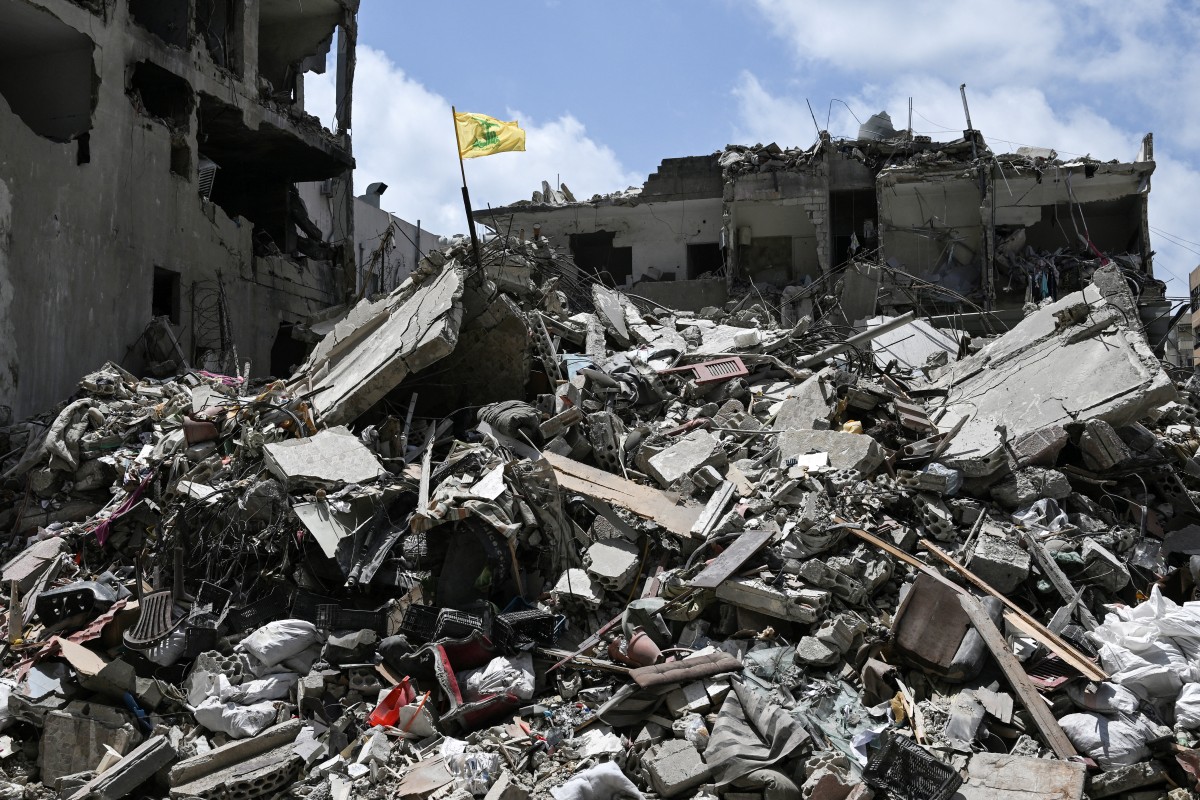
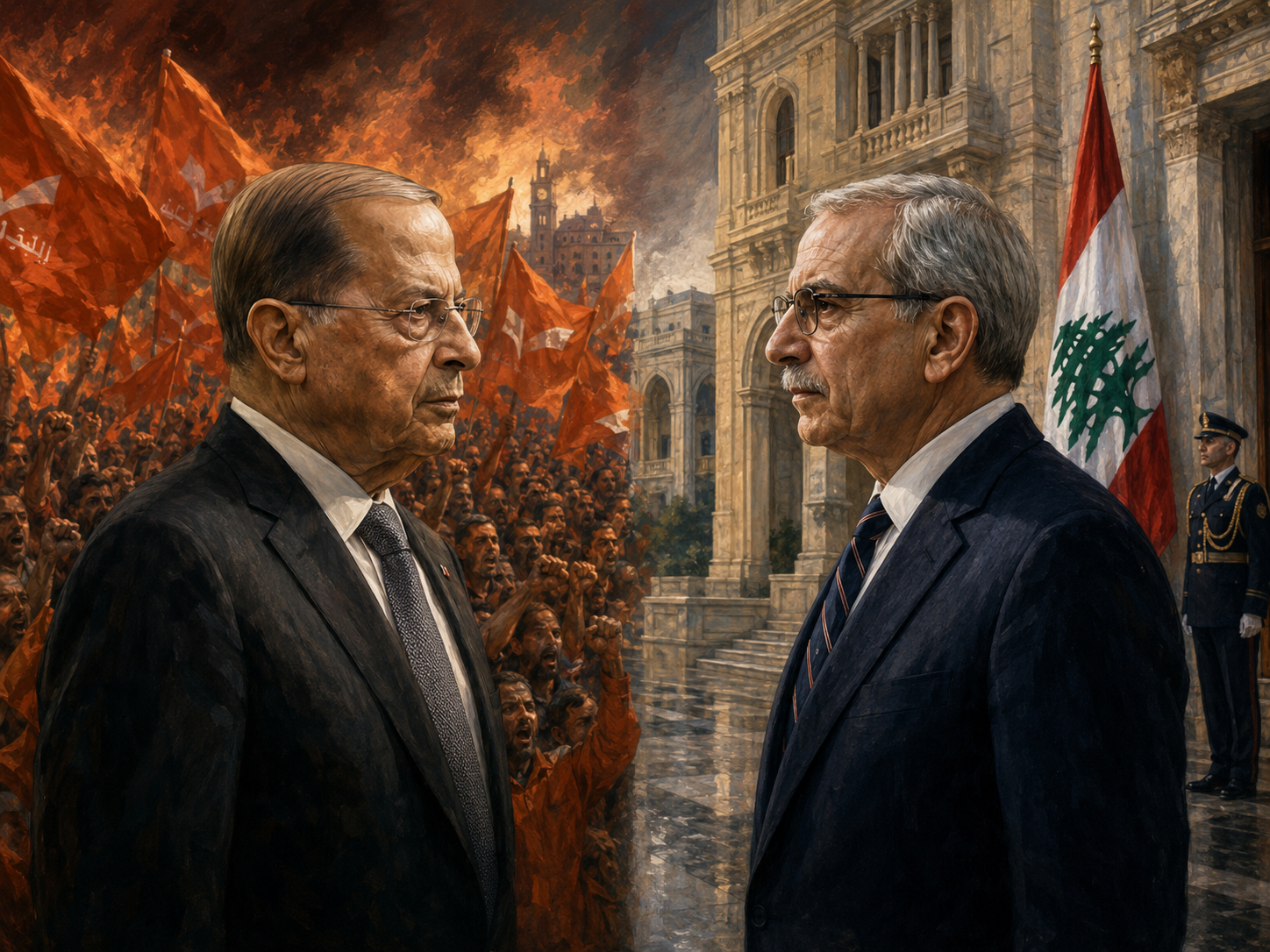
Hezbollah’s search for Christian political cover for its weapons and for its rejection of direct negotiations with Israel speaks volumes about the depth of the crisis facing a party that is, in essence, little more than a sectarian militia serving Iran’s Revolutionary Guards. The Hezbollah we once knew, with all its power, its arsenal and its financial resources, is gone. In reality, a party that once believed it could project power far beyond Lebanon, in Syria, Yemen and, at one point, Bahrain, to name only a few examples, has gone bankrupt. Nothing illustrates that bankruptcy more clearly than its decision to reopen old account books, beginning with its relationship with the Aounist Current and Michel Aoun, whose overriding ambition was to reach the presidency of the Republic at any cost.

Morocco: Why the Next Legislative Election Matters
By
Khairallah Khairallah
Published
Aug 29, 2026 - 03:36

The holding of Morocco’s legislative elections on September 23, as scheduled, reflects the regularity of political life in a kingdom more than twelve centuries old. At every stage of its long history, Morocco has managed to overcome difficulties, obstacles and challenges of various kinds, leading up to the reign of Mohammed VI, who ascended the throne a little over twenty-seven years ago, succeeding his father Hassan II. The development of political life has been one of the defining features of Mohammed VI’s reign. It has gone hand in hand with the construction of modern infrastructure of such a standard that someone arriving in Morocco from Spain or Portugal hardly feels they have left two European countries for a different world…

Iraq, Iran’s Grand Prize
By
Khairallah Khairallah
Published
Aug 20, 2026 - 17:26

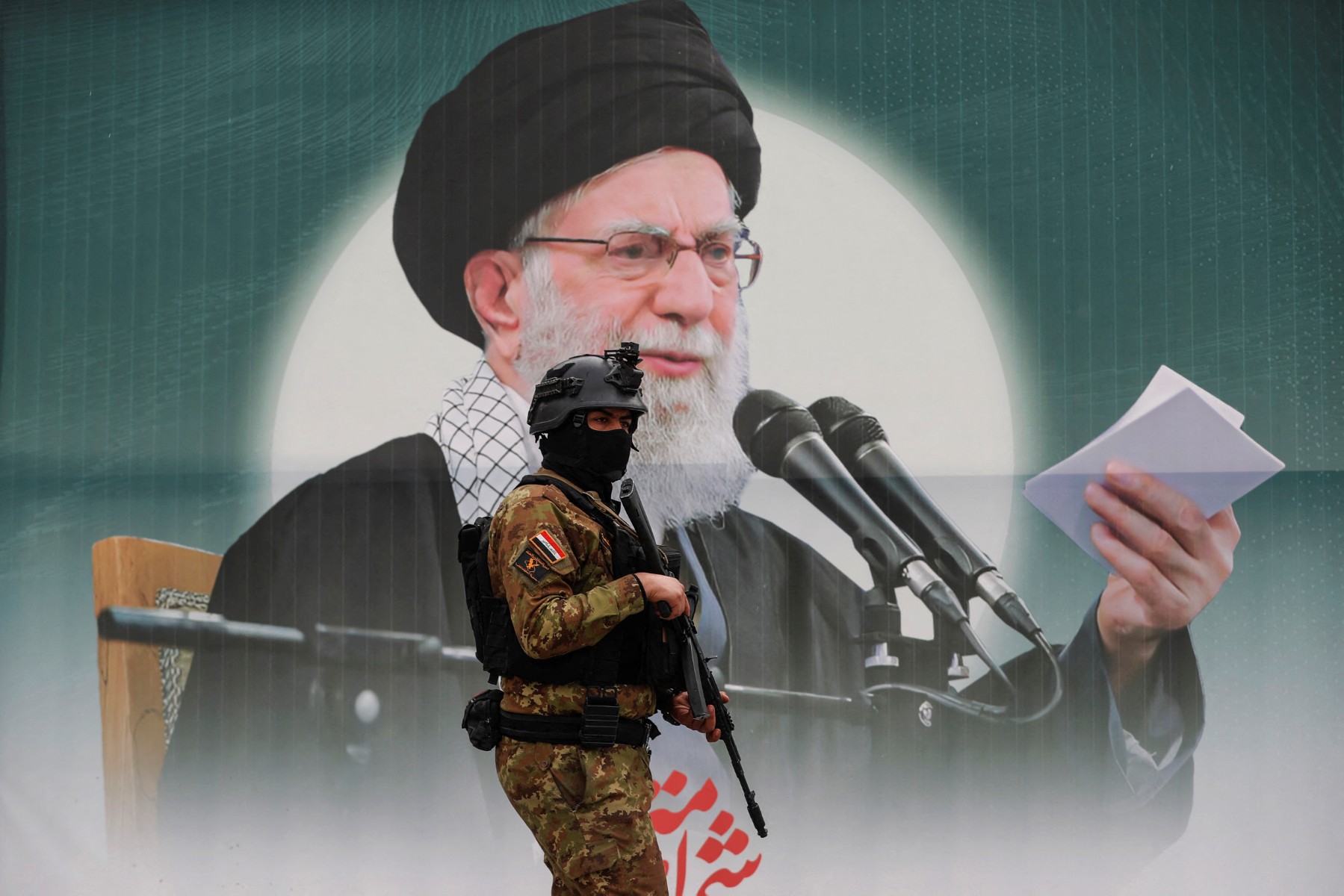
One does not have to look far to see that several wars are being waged, with Iran’s blessing, across the Arab world and beyond. In Yemen, the Houthis are trying to close the Bab el-Mandeb Strait by seeking to retake the Yemeni port of Mokha, from which they were driven in 2014 by local Yemeni forces backed by the United Arab Emirates. Will Iran manage to control both the Strait of Hormuz in the Gulf and the Bab el-Mandeb Strait, the gateway to the Red Sea and the Suez Canal, through the Houthis in Yemen? Iran has made no secret of its decision to pursue an offensive policy on several fronts. But for the Revolutionary Guards, the priority today remains maintaining Iran’s grip on Iraq. A genuine struggle is underway there, centered on the weapons held by sectarian militias affiliated with the Revolutionary Guards. These militias were brought together under the banner of the “Popular Mobilization Forces,” which receive funding from the Iraqi state budget and seek to exercise over the state the same dominant role played by the Revolutionary Guards in Iran.

Does Lebanon Have One Government?
By
Khairallah Khairallah
Published
Aug 14, 2026 - 16:15

The question could hardly be simpler. Does Lebanon have one government headed by Nawaf Salam, or several governments, each with its own agenda and controlled by one minister or another? It was only natural for Nawaf Salam to settle the matter and prevent Defense Minister Michel Menassa from speaking during the parliamentary session that saw the passage of the amnesty law, with all its merits and flaws, a law that reflects better than anything else the state of Lebanon, with all its decay and tensions. Nothing illustrates this Lebanese decay more clearly than the alliance between Hezbollah and the Free Patriotic Movement, led by Gebran Bassil, the son-in-law of former president Michel Aoun. This alliance opposed the amnesty law and sided with the defense minister, who intended to express before Parliament the Lebanese army’s position on the law. This would have meant undermining the existing system at its very foundations by portraying the army as an entity autonomous from the Council of Ministers. In other words, the army would have a position of its own, alongside that of the Council of Ministers, which represents the executive authority… or so it is supposed to.

/