Levant Time logo
Khairallah Khairallah

Khairallah Khairallah

Trump, Obama… and the Iranian Trap
By
Khairallah Khairallah
Published
Jun 4, 2026 - 03:59

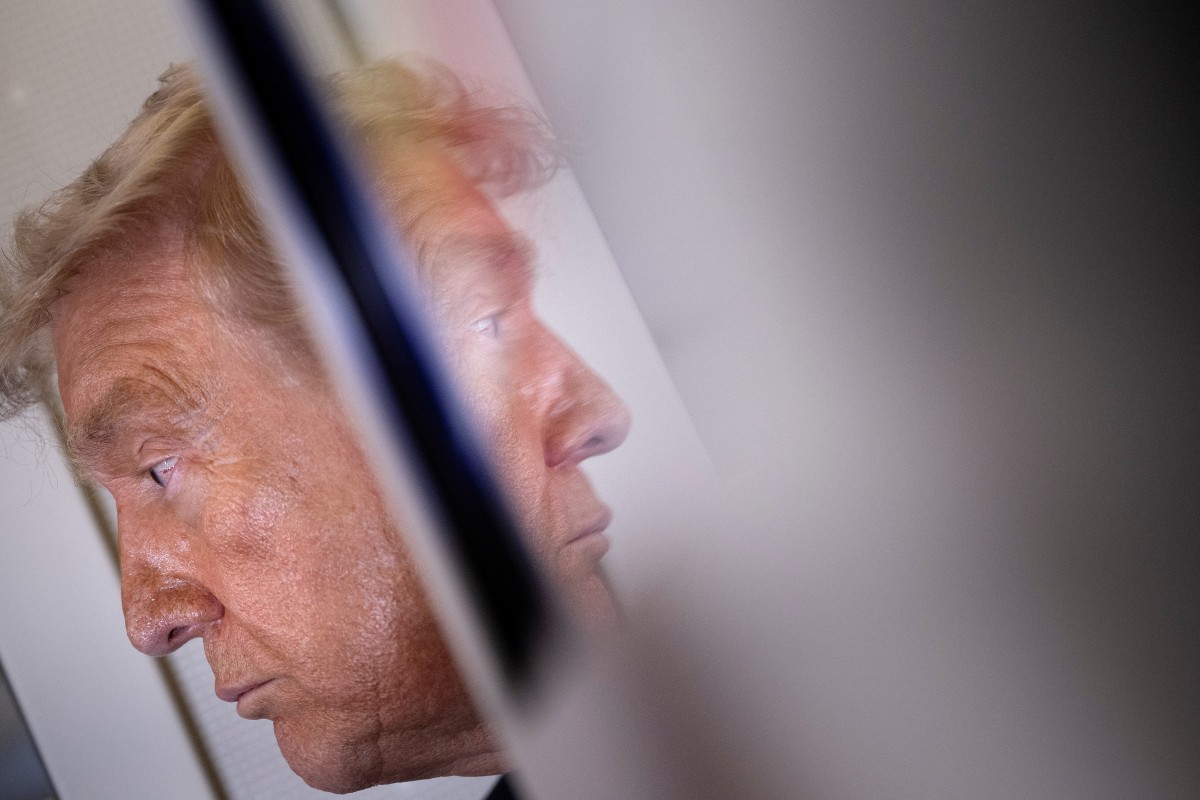
Which Donald Trump are we to believe, the one who understands, in his bones, what Iran represents under the regime established in 1979, or the one who seems to have drifted toward the illusions of Barack Obama, who was convinced that Tehran held the keys to every regional crisis and that its nuclear file contained them all? Obama went so far as to persuade himself that radical Shia Islam, embodied by the Revolutionary Guards and their proxies across the region, was fundamentally different from radical Sunni Islam, as represented by Al-Qaeda, ISIS, and before as after them, the Muslim Brotherhood. He never grasped that religious fanaticism, in whatever form it takes, Christian, Islamic, Jewish, or Hindu, amounts to nothing more than different faces of the same coin.
Abd Rabbuh Mansour… a Chapter of Yemen's tragedy
By
Khairallah Khairallah
Published
Jun 3, 2026 - 00:57

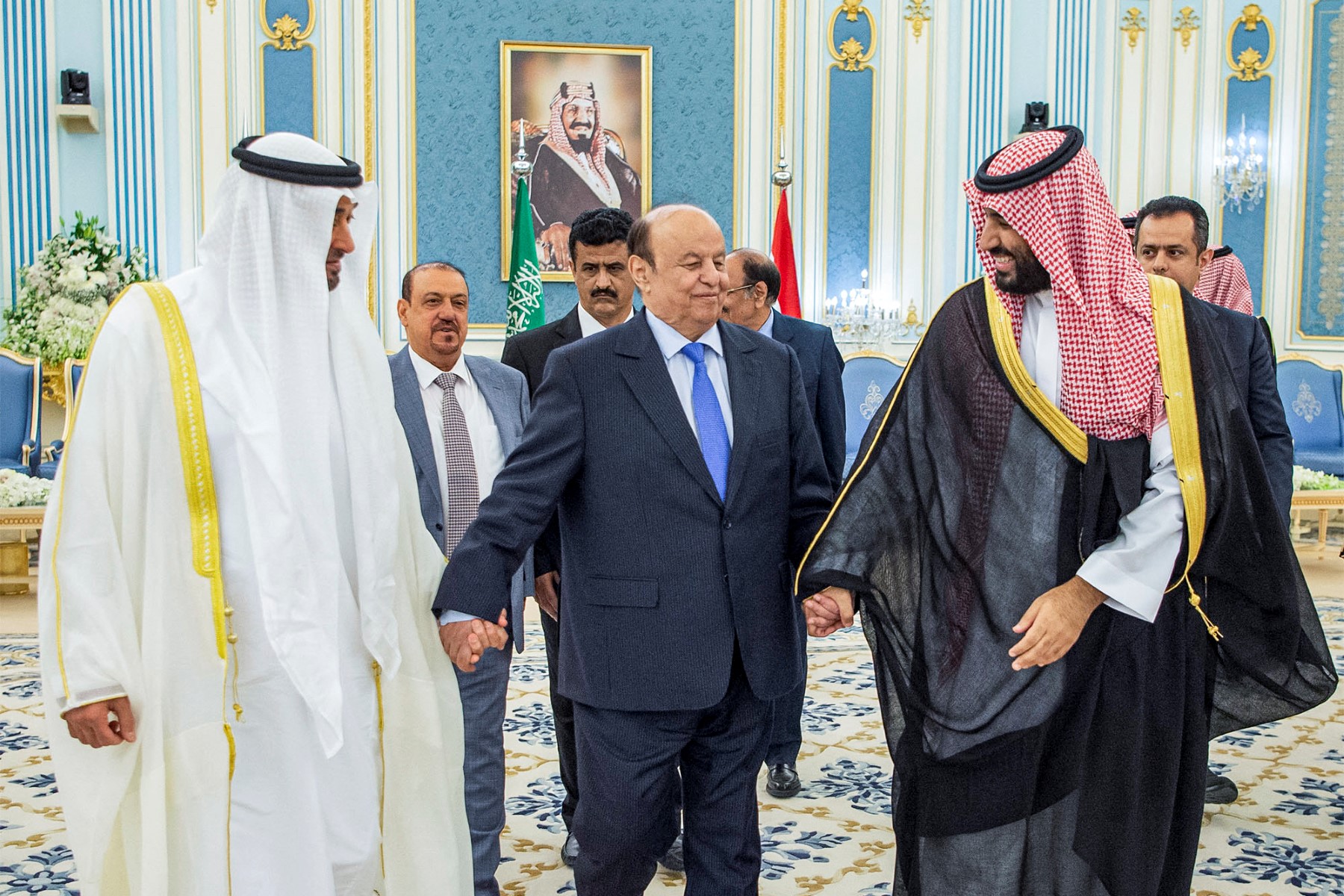
The tragedy of Yemen derives, in part at least, from the rise to power of a figure such as Abd Rabbuh Mansour Hadi at a particular juncture in history, and from the errors committed by men of his kind both before and after unification. In the present moment, it has become possible to speak of a country shattered into fragments, searching for some formula by which to reconstitute itself, that is, if reconstitution remains possible at all for a state of considerable strategic significance, a portion of which Iran now holds under its sway. Abd Rabbuh Mansour, whom death claimed just a few days ago, was ultimately nothing more than the expression of a certain political type: the man who arrives from the military apparatus carrying a culture so meager as to disqualify him entirely from governing a country as singularly complex as Yemen. He came to the presidency after spending fourteen years as the shadow of Ali Abdallah Saleh, serving as vice-president, the same Saleh whom the Houthis would later murder, once he had ceased to be head of state.

Why Jordan’s Confidence in the Future?
By
Khairallah Khairallah
Published
May 31, 2026 - 02:37

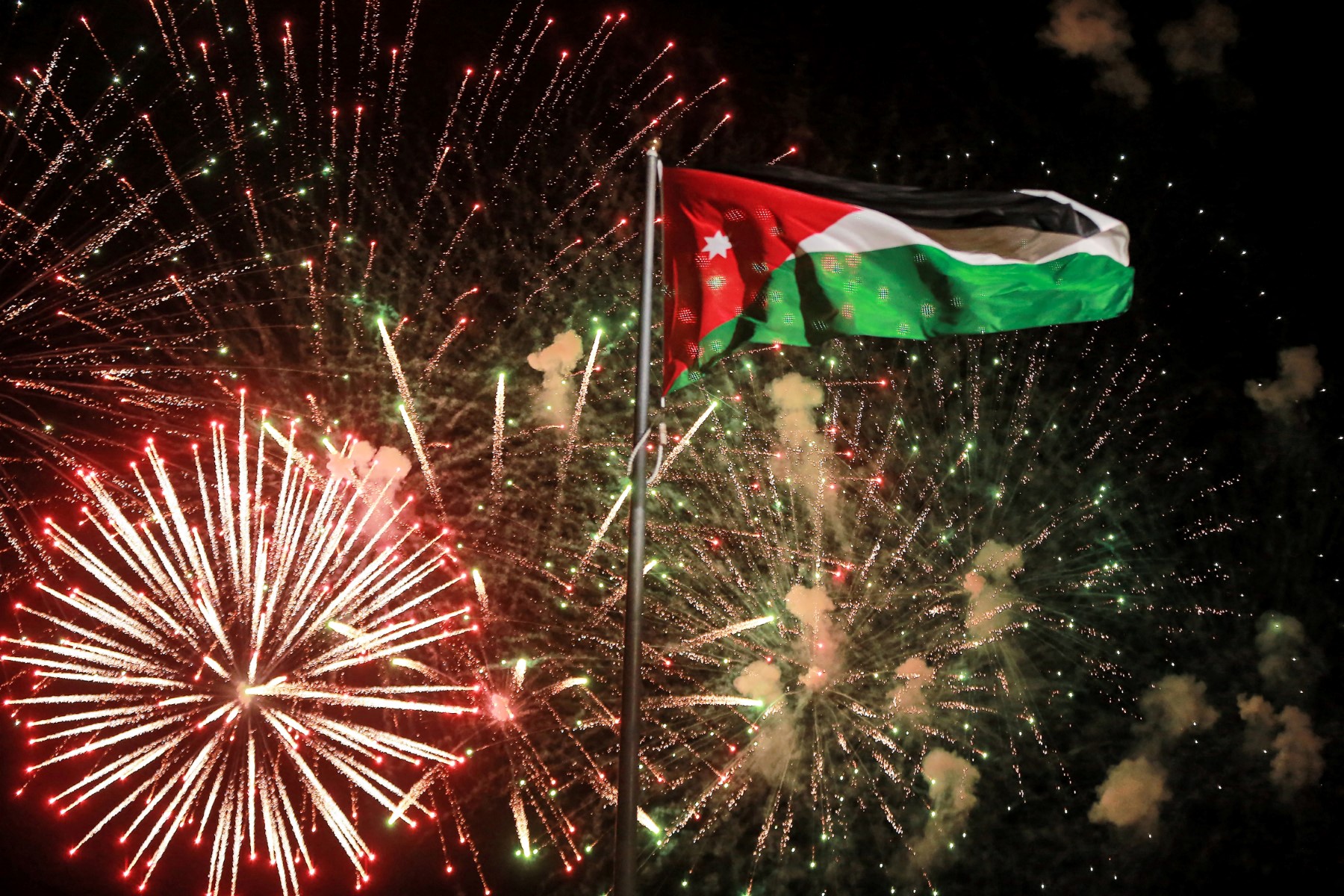
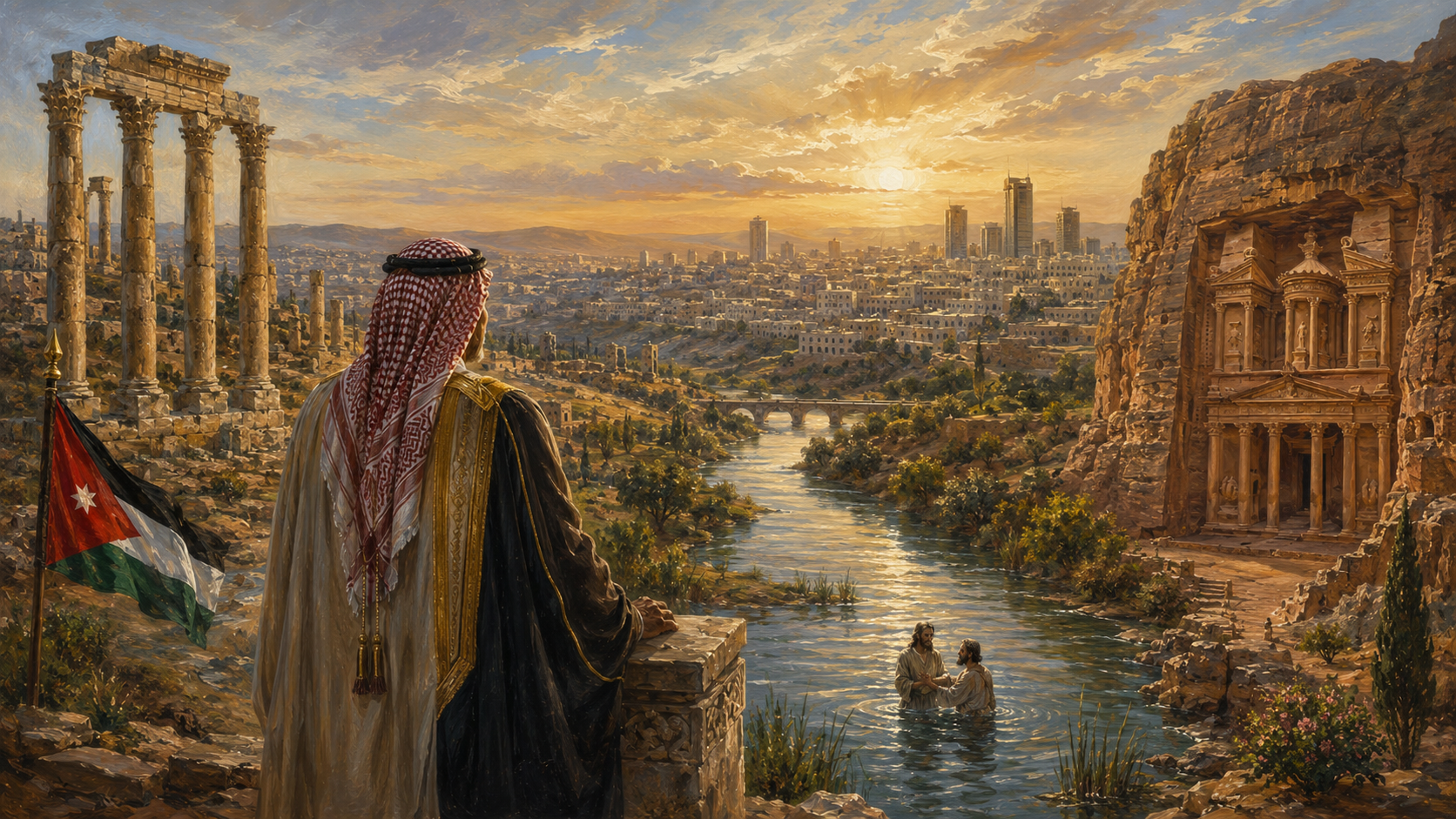
The address that King Abdullah II delivered to Jordanians on the eightieth anniversary of independence was nothing less than an expression of confidence in the future and in the capacity to confront the challenges of a region that, to put it mildly, is adrift in turbulent winds. More important than anything else, the Jordanian sovereign sketched the image of the future to which Jordan aspires as a modern state — one that possesses few natural resources but has succeeded in developing its own distinctive wealth: the wealth of the human being. Abdullah II’s address was brief, yet it contained enough courage to affirm that Jordan genuinely practices tolerance on the ground, in a region saturated with contradictions and extremists from every direction. It is no ordinary thing for the Jordanian monarch to speak of his country’s nature while addressing both the “sons” and “daughters” of Jordan, declaring: “Jordan has never been a margin in the narrative of humanity, but a homeland of nations and a land of harmony. On the bank of its river, Christ was baptized; within its bounds, the Companions and the Followers lived. Civilizations flourished on its soil and offered the world lessons in resilience and steadfastness, teaching us to persevere and to turn hardship into opportunity. The present bears the best witness to this. For despite all circumstances, Jordan has preserved its borders and its security, continued its democratic path, and shielded its economy from the effects of crises.”

The True "Humiliation"…
By
Khairallah Khairallah
Published
May 24, 2026 - 04:29

Lebanon is witnessing today a farce that has turned, in reality, into a tragedy. At the heart of this farce lies the insistence of a Lebanese faction organically linked to the "Islamic Republic" of Iran on presenting negotiation with Israel as "humiliation," while the real humiliation consists in doing everything possible to entrench Israeli occupation and serve it. All that the legitimate authority in Lebanon — represented by President of the Republic Joseph Aoun and Prime Minister Nawaf Salam — has sought to convey is that the "humiliation" of negotiations is in fact an act of honour and patriotism, whereas the "humiliation" of occupation is nothing more than a service rendered to Israel and to its enterprise of occupation.

Jordan, Eighty Years After Independence
By
Khairallah Khairallah
Published
May 21, 2026 - 14:55

It is no coincidence that the Hashemite Kingdom of Jordan, which celebrates on this twenty-fifth of May the eightieth anniversary of its independence, has become one of the cornerstones of Arab security, or of what remains of it. All the theories that had underestimated Jordan have ended up in the dustbin of history, for it has become clear that this country has never lost its regional role. Jordan has held firm despite all the internal tremors and storms it has weathered, and despite the profound upheavals the region has undergone. In 1921, the very year in which the Emirate of Transjordan was proclaimed, a conference was convened in Cairo bringing together the foremost figures of British policy under the chairmanship of Winston Churchill. Lawrence of Arabia was among those present, as were most of the British experts on Arab and Iraqi affairs and regional matters generally, Palestine above all. Foremost among these was Lady Gertrude Bell, then regarded as the most influential British figure in Iraq and the one who wielded the greatest sway over that country. It was Bell who drew the current map of Iraq and played a decisive role in bringing the Hashemites to Baghdad and crowning Faysal ibn Hussein as king.

Lebanon: acknowledging the cost of defeat…
By
Khairallah Khairallah
Published
May 16, 2026 - 18:08

In a world where only self-interest holds sway, what can a country like Lebanon do when an internal faction works directly in the service of Iran and wages war against the Lebanese State and its institutions? Lebanon can do nothing so long as there is no national consensus on how to conduct the direct negotiations with Israel in Washington. More importantly, it can do nothing without acknowledging that a price is owed if it wishes to free itself from the Israeli occupation that Hezbollah, and behind it the Islamic Republic of Iran, has brought about. What we have here is nothing more than Lebanese impotence, born of the inability to affirm that Lebanon is a free and independent state, master of its own decisions on war and peace within its own territory. It is in 2026, once again, that Lebanon must establish that its State is the genuine State, that it is not the state of Hezbollah, which is itself nothing more than a brigade of the Iranian Revolutionary Guards, nothing else.

Algeria’s Return to Failed Bets
By
Khairallah Khairallah
Published
May 11, 2026 - 11:16

The condemnation by the United States Mission to the United Nations of the attack carried out by the Polisario Front against the city of Smara, in the Moroccan Sahara, is no trivial event. The American mission deemed that such acts threaten regional stability and undermine the progress made on the path to peace. Equally significant is the American mission’s insistence that the time has come to put an end to this conflict, which has dragged on for nearly fifty years, with a reminder that UN Security Council Resolution 2797 considers Morocco’s autonomy proposal the framework tracing the path toward peace in the Sahara.

The Inescapable Price of Lebanese Errors
By
Khairallah Khairallah
Published
May 7, 2026 - 15:39

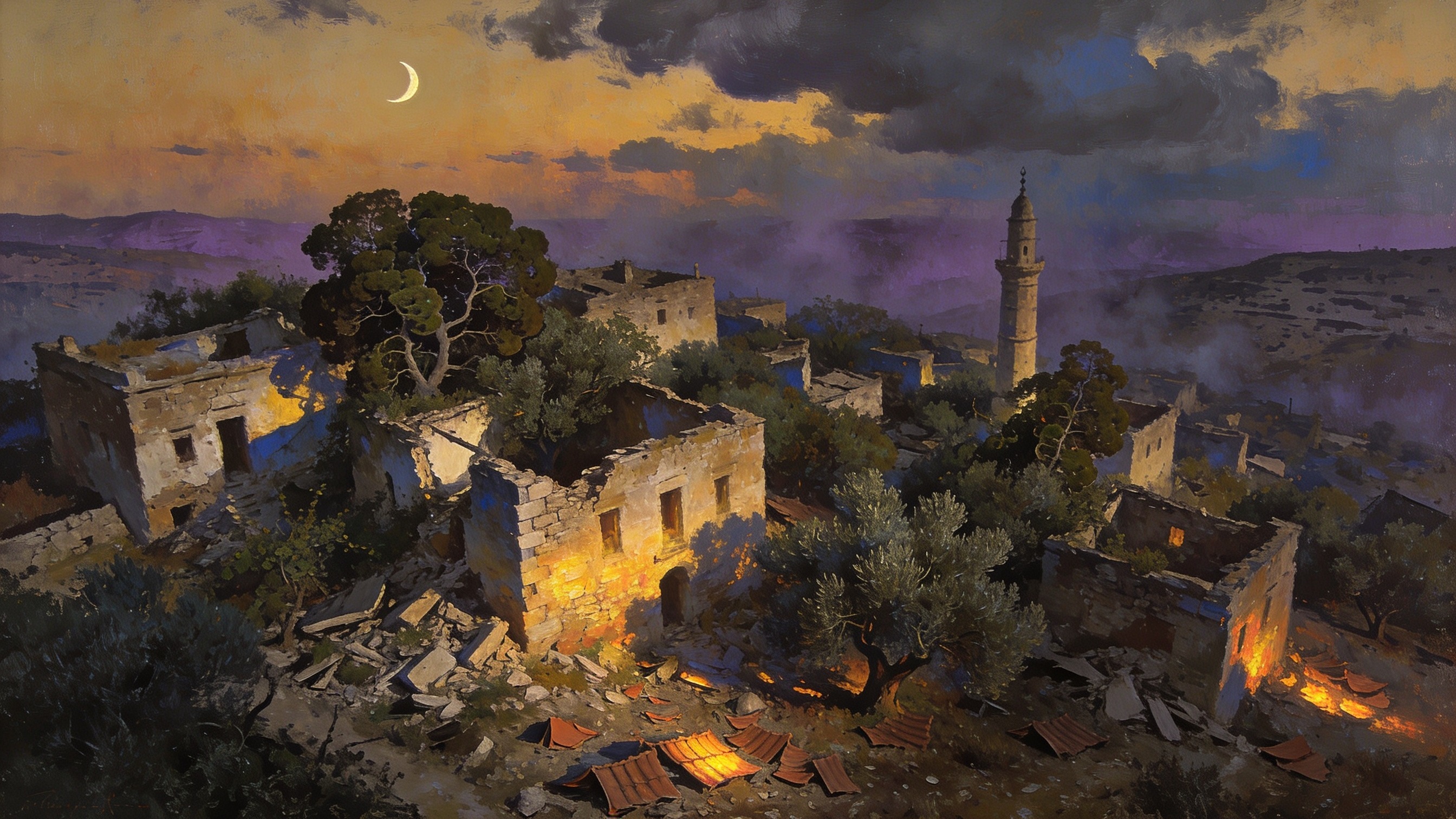
A thick cord binds together all the Lebanese errors whose price will inevitably be paid in 2026 — those errors that ultimately led to the return of the Israeli occupation. What we are witnessing today is the natural consequence of an accumulation that began even before the Cairo Agreement of November 1969, that ill-fated pact concluded between Lebanon and the Palestine Liberation Organization. The agreement consecrated the collapse of the Lebanese state by leading it to abdicate its sovereignty over a portion of its territory. Whoever abandons part of his land abandons, in practice, sovereignty over the whole of it. No Lebanese politician spoke at the time about the catastrophe that the Cairo Agreement represented, with the sole exception of the Amid Raymond Eddé, who grasped the danger of the event and its full implications.

Iran’s Focus on Nabih Berri
By
Khairallah Khairallah
Published
May 1, 2026 - 11:30

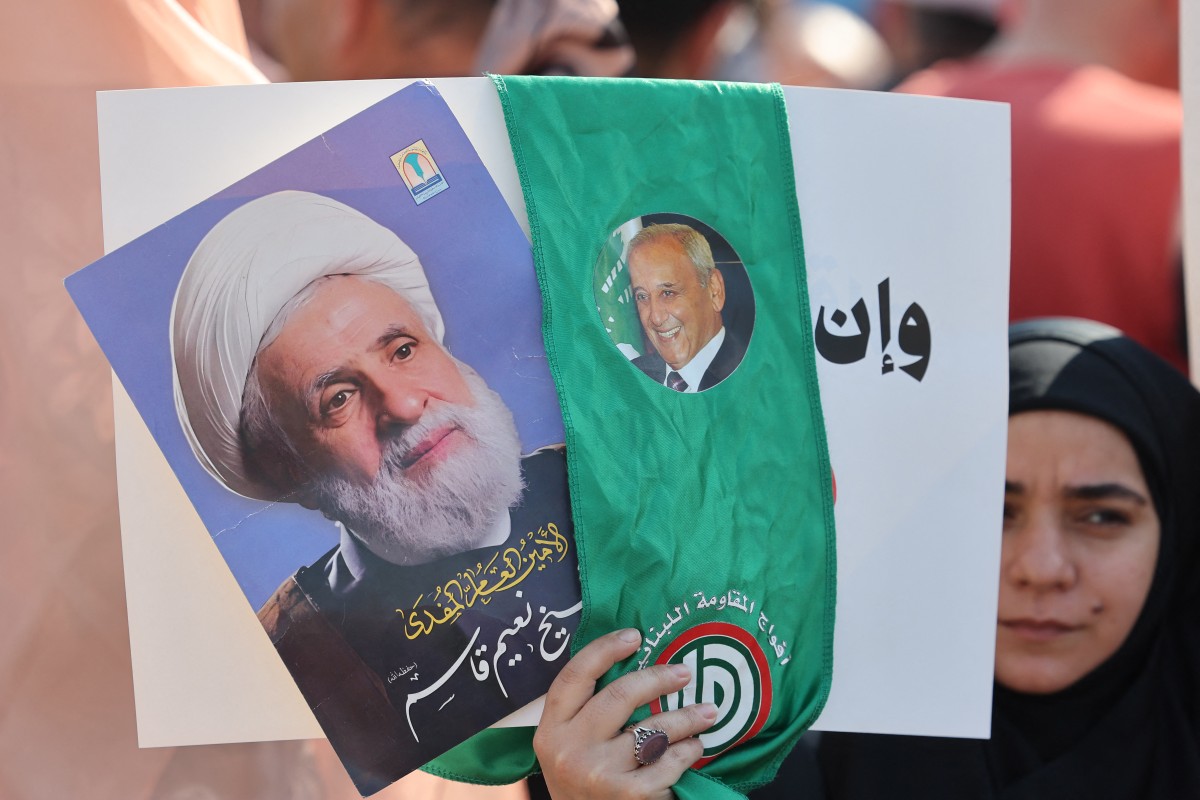
It is striking to observe the persistence with which the “Islamic Republic” insists that it negotiates on Lebanon’s behalf and claims credit for the ceasefire in that country. This is attested by the declaration of Iranian Foreign Minister Abbas Araghchi who, in a phone call to President Nabih Berri, stated that “the cessation of Israeli aggressions against Lebanon is covered by our agreement with the Americans.” It is no coincidence that Araghchi chose to call Berri specifically, as if to signal that the Speaker of Parliament has become Iran’s last remaining refuge in Lebanon. This Iranian stance toward Lebanon reveals a bankruptcy without precedent, all the more so since there is in reality no genuine ceasefire. All that is happening is that Israel continues its war against Lebanon, a war that Hezbollah itself originally provoked. In this phase, Israel is concentrating its operations on territories south of the Litani River, occasionally extending them to the western Bekaa with targeted strikes. In short, what exists is not a ceasefire but the ongoing prosecution of a war that the Hebrew State is conducting while accommodating certain American demands.

A Lebanese Image Encapsulating Iranian Impudence
By
Khairallah Khairallah
Published
Apr 24, 2026 - 04:29

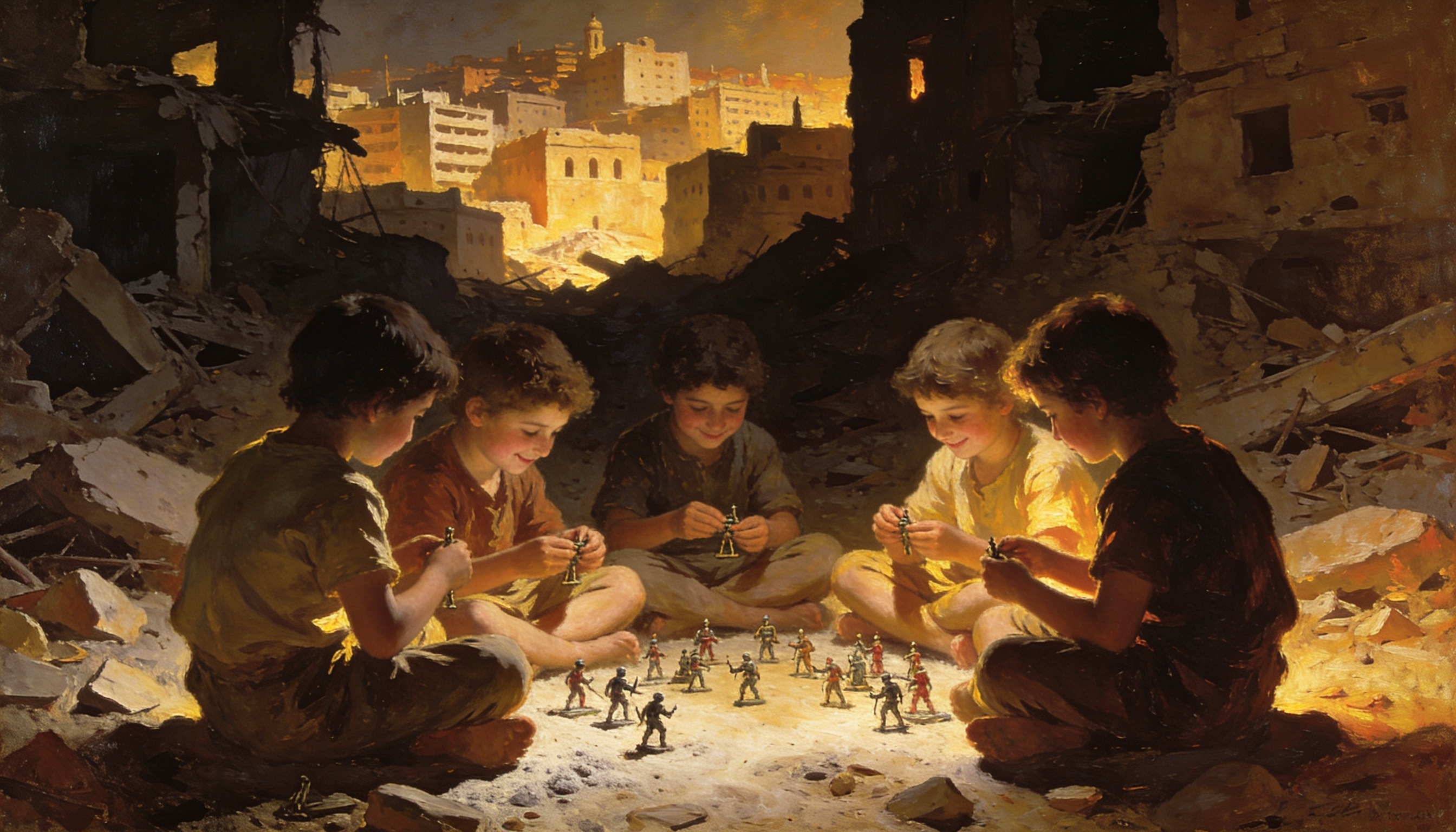
Against a backdrop of more than a million displaced persons and the rubble of over fifty-five Lebanese villages and towns in the South, the "Islamic Republic" held a commemoration in Beirut — Lebanon's capital — to mark the fortieth day of mourning for Iranian Supreme Leader Ali Khamenei, assassinated by America and Israel on 28 February last. The spectacle of this commemoration betrays an impudence with few equivalents, not least because the Iranian ambassador Mohammad Reza Shibani — declared persona non grata by the Lebanese government — occupied the front row, though he has never once presented his credentials. His continued presence in Beirut is nothing but further proof of the contempt with which Iran regards Lebanon and the Lebanese, a contempt that is, at its root, of Persian character, grounded in a sense of superiority towards everything Arab in the region.