Levant Time logo
Khairallah Khairallah

Khairallah Khairallah

Iraq Exposes Iran
By
Khairallah Khairallah
Published
Feb 24, 2026 - 22:56

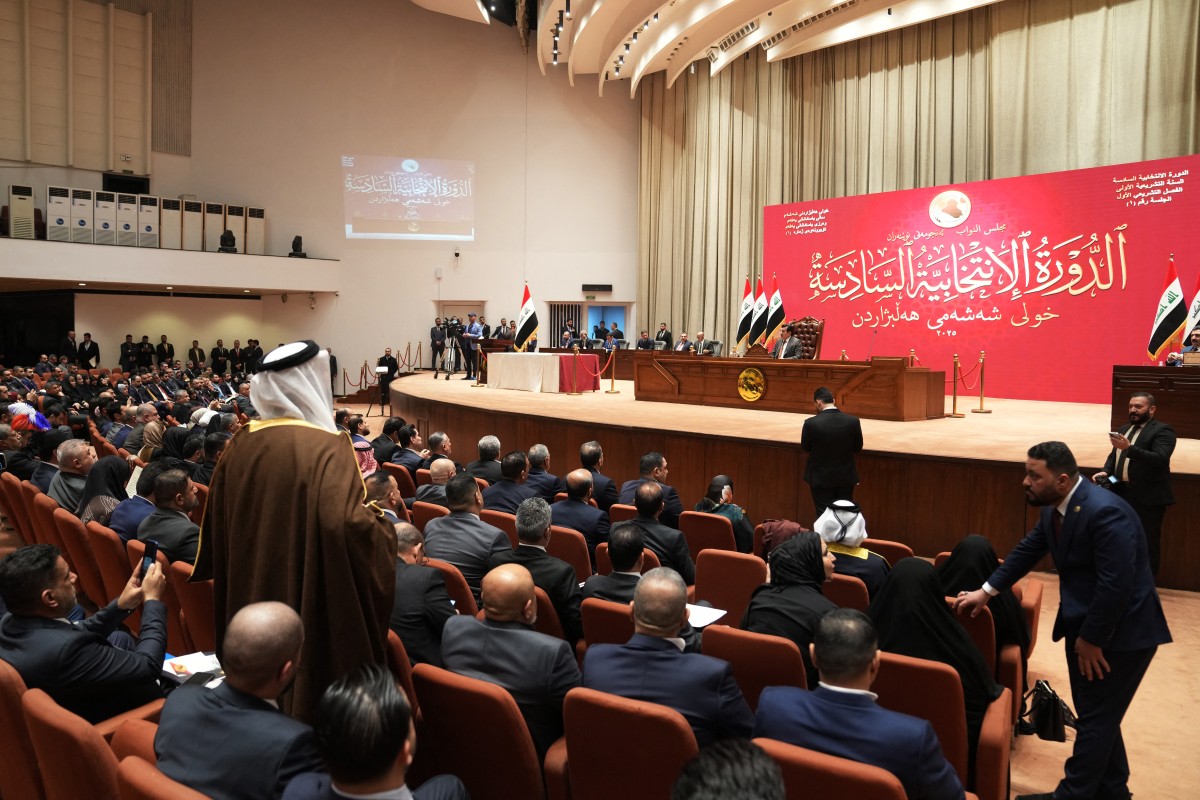
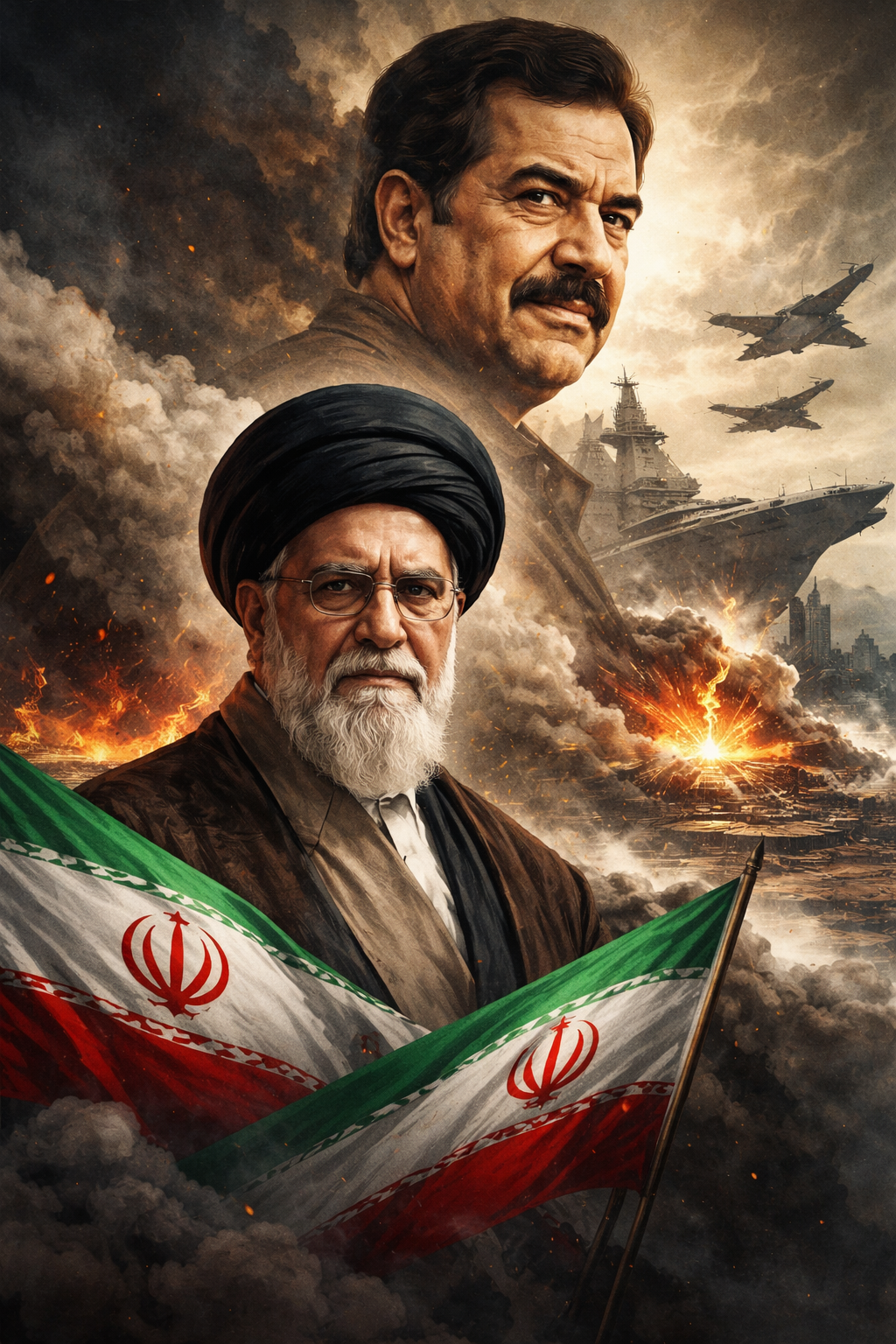
Nothing reveals the beginning of the end of the regime in Iran more clearly than the situation in Iraq. In Iraq, the “Islamic Republic” has failed to impose a loyal figure in the position of Prime Minister. It was enough for President Donald Trump to place a veto on Nouri al-Maliki’s return to office for Maliki’s fate to become suspended. It was from Iraq that Iran’s expansionist project found new momentum after the administration of George W. Bush overthrew Saddam Hussein’s Baathist, family-based regime. And it is from Iraq that this same project now appears to be nearing its end. More importantly, Iran’s inability to reinstall Maliki as Prime Minister exposes the deep crisis afflicting the Iraqi system established after 2003.
Trump and the Iraq Complex
By
Khairallah Khairallah
Published
Feb 19, 2026 - 05:22

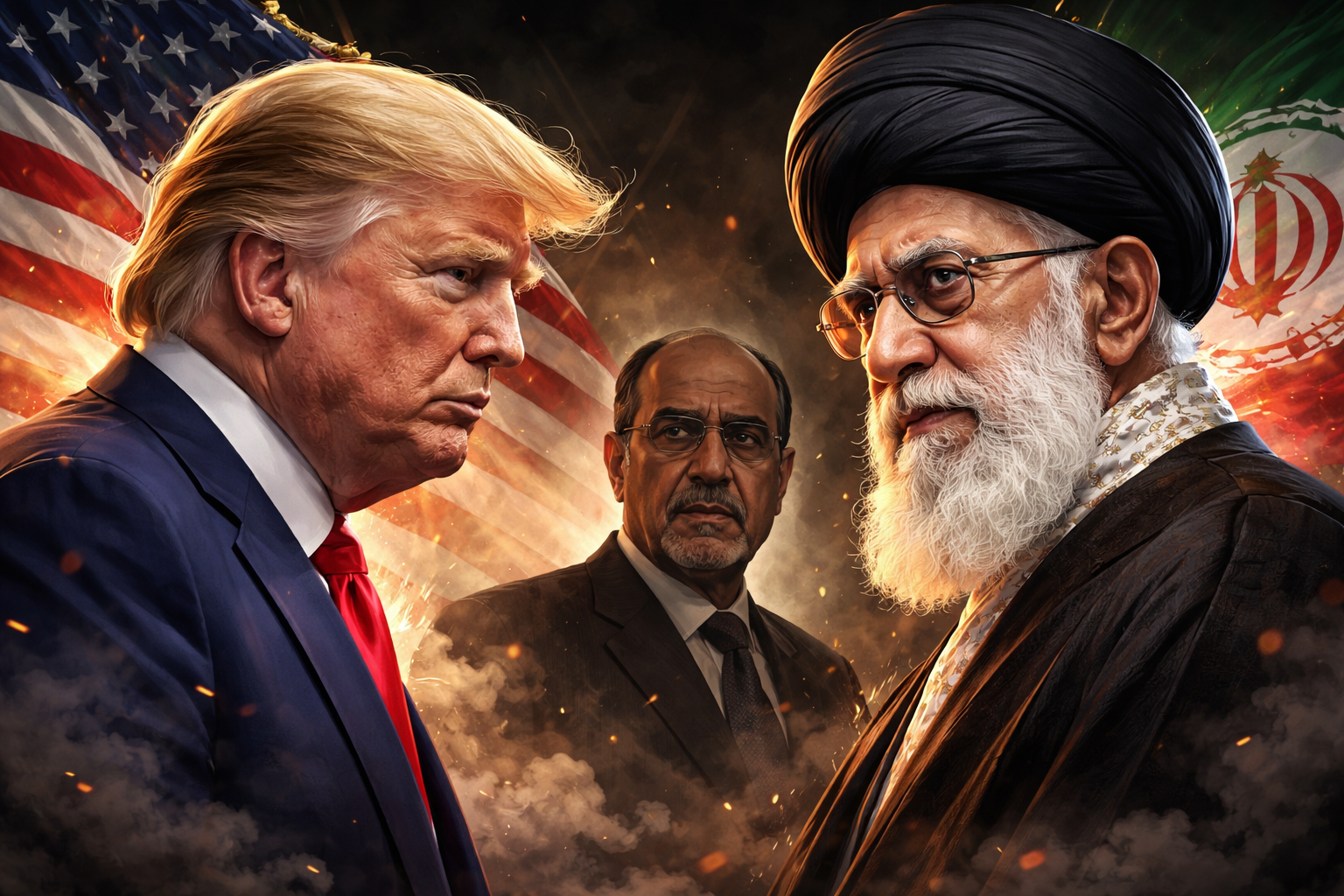
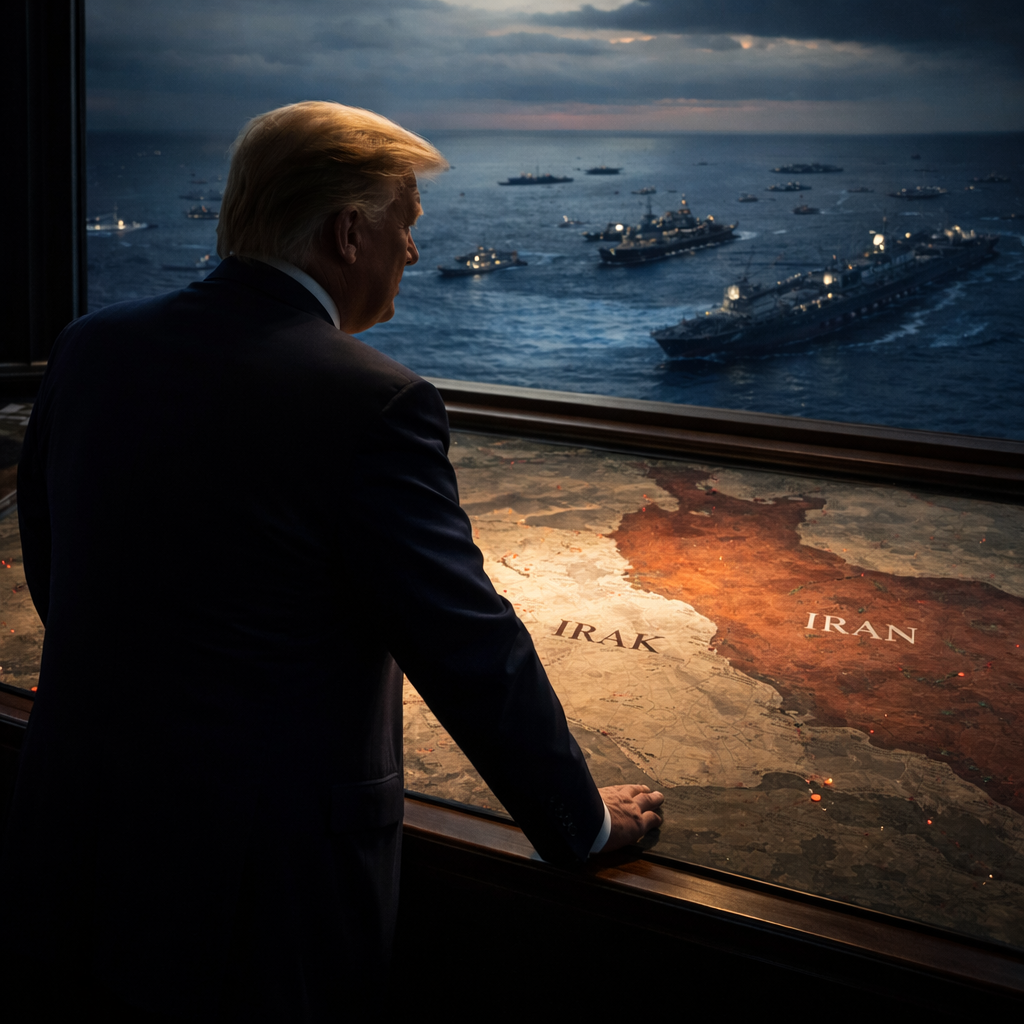
There was no objective behind the negotiations conducted by the American administration with the Iranian side in Muscat and Geneva other than conveying a single message. The substance of that message is that the “Islamic Republic” must change. Change must occur, whether peacefully or by force. President Donald Trump did not hesitate to declare recently that the fall of the Iranian regime would be “the best thing that could happen.” From this perspective, one can understand the repeated insistence of the American president on rejecting the return of Nouri al-Maliki to the post of Prime Minister in Iraq. From the same perspective, one can also understand the abduction of Venezuelan President Nicolás Maduro and his transfer to New York along with his wife.

Iranian Arrogance or the Saddam Syndrome
By
Khairallah Khairallah
Published
Feb 15, 2026 - 10:36

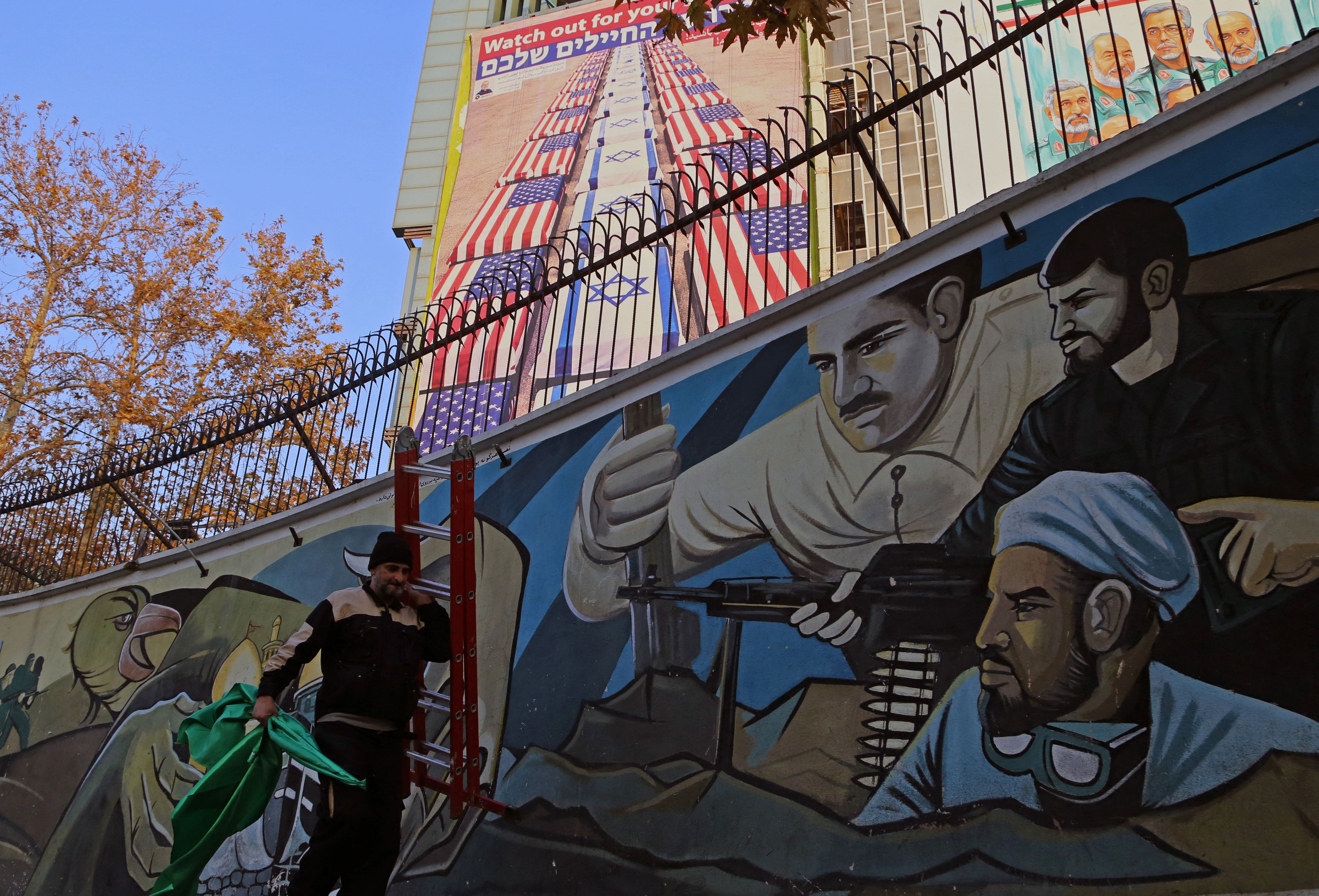
With each passing day, it becomes increasingly clear that the Iranian regime, now forty-seven years old, is currently facing only two options, with no third alternative available. Either it surrenders to American conditions, which do not differ significantly from Israeli conditions, or it faces a war with the United States from which Iran would not emerge unscathed. Is the “Islamic Republic” capable of acknowledging that there is no escape from dealing with the new reality in the region, instead of persisting in arrogance in the manner of Saddam Hussein? At the beginning of 1991, Saddam, the ruler of Iraq, believed that he would be able to negotiate with the United States on equal footing, despite the fact that the position of the administration of George H. W. Bush was perfectly clear. He was left with only two choices: withdraw from Kuwait unconditionally, or expose Iraq to a war that would return it to the Stone Age. The late Iraqi ruler did not understand the region, the world, or the meaning of balances of power.

Algeria at the Sahara Crossroads
By
Khairallah Khairallah
Published
Feb 11, 2026 - 13:30

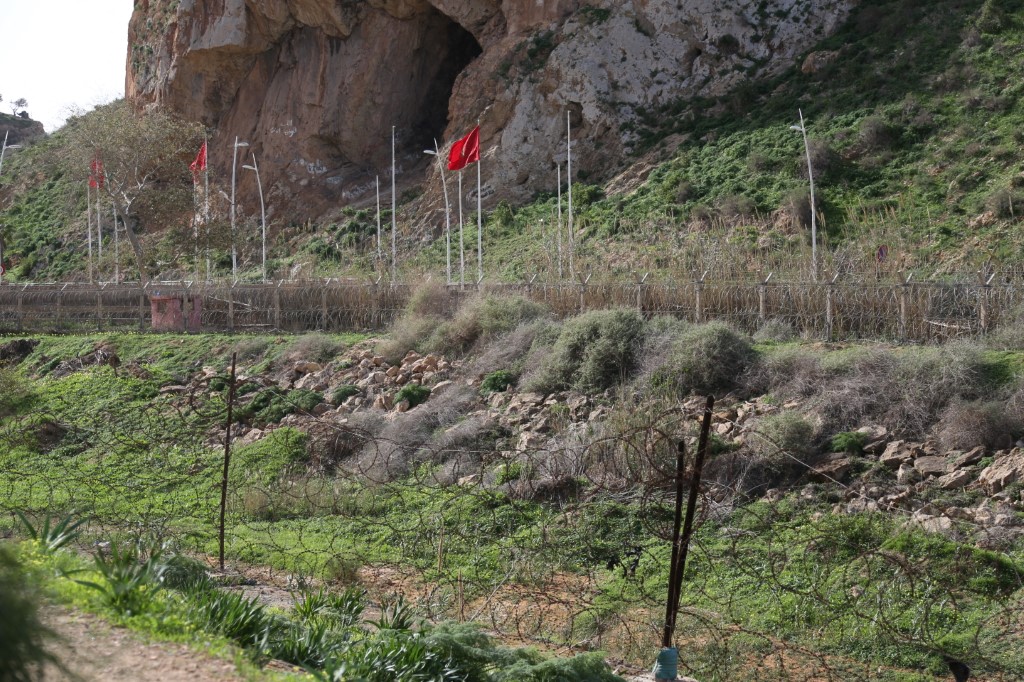
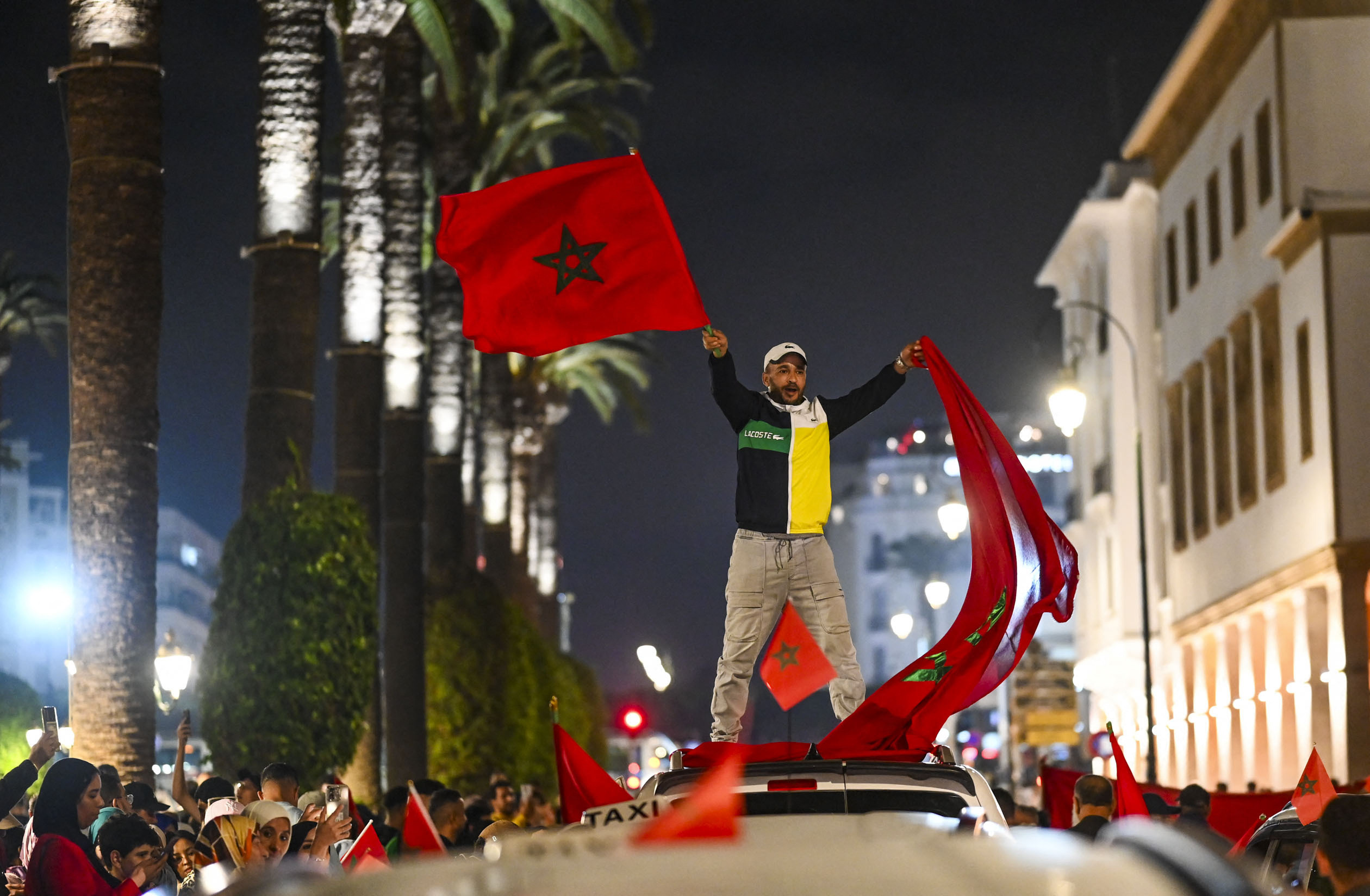
The recent meeting held at the United States Embassy in Madrid, centered on the implementation of Security Council Resolution 2797 adopted last October 31 regarding the Moroccan Sahara, was no ordinary diplomatic encounter. Algeria’s presence, represented by its Foreign Minister Ahmed Attaf, was particularly significant, as it restored matters to their proper context: the dispute over the Sahara is, at its core, a Moroccan-Algerian conflict, while the Polisario Front serves merely as an instrument employed by the Algerian regime to justify a war of attrition waged against Morocco for nearly half a century, ever since Rabat recovered its Saharan provinces following Spain’s withdrawal in November 1975.

Saif al-Islam Gaddafi: Anatomy of a Betrayal
By
Khairallah Khairallah
Published
Feb 5, 2026 - 13:35

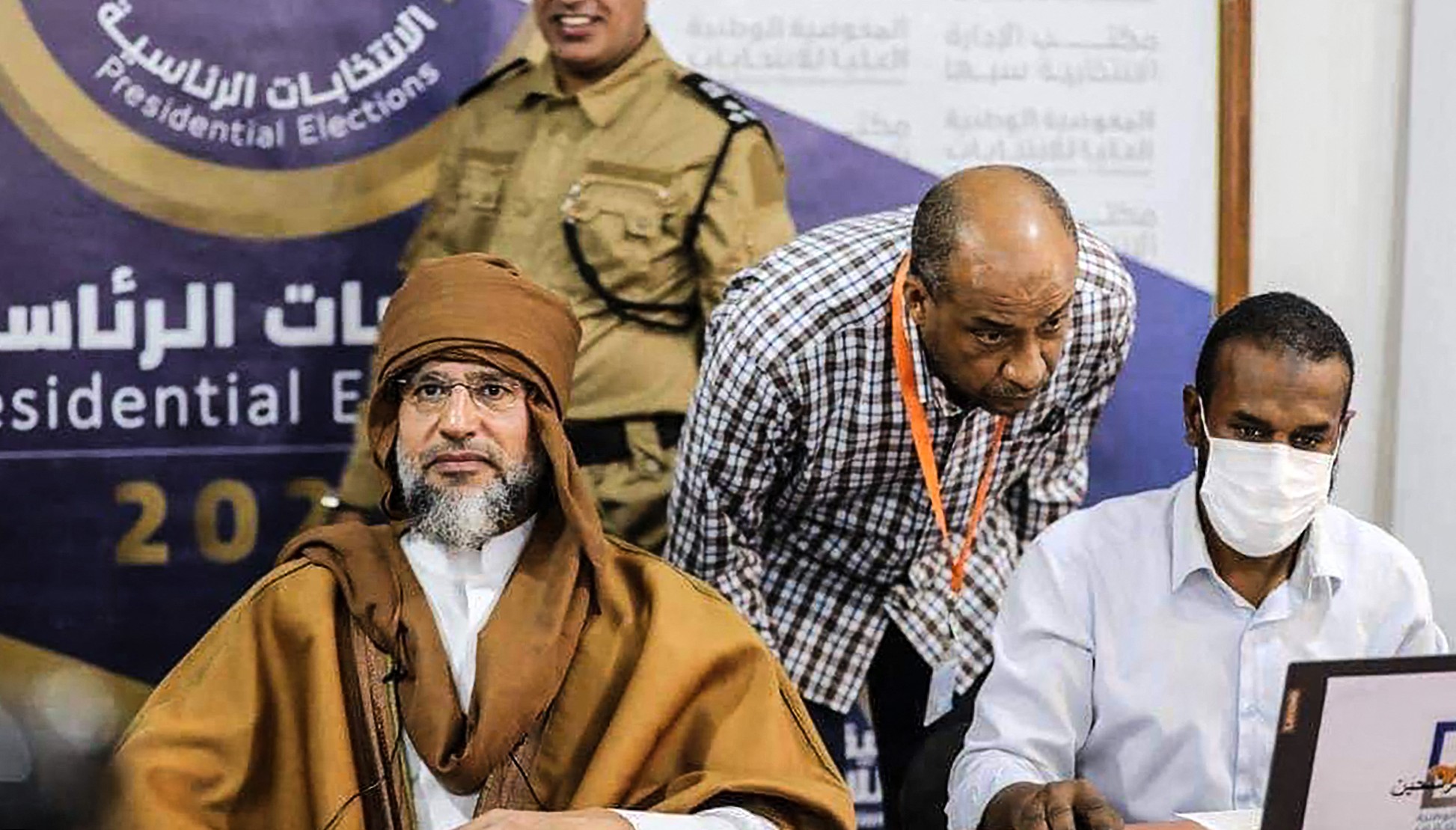
A single question imposes itself on anyone attempting to unravel the mystery surrounding the assassination of Saif al-Islam, the most prominent of Muammar Gaddafi’s sons, a man of singular ideas and conduct, and the presumed heir of a ruler who governed Libya from 1969 to 2011. The question is simple yet decisive: who lifted the protection from Saif al-Islam, at a time when he was living in a house in Zintan under tight security provided by local forces? One thing is certain: Saif al-Islam was betrayed. A betrayal that enabled an armed group to enter the place where he resided, with the explicit aim of assassinating him.

Trump Reclaims Iraq from Iran
By
Khairallah Khairallah
Published
Feb 3, 2026 - 12:59

When one delves into the evolution of the Iraqi situation since the spring of 2003, the date marking the fall of Saddam Hussein’s Baathist family regime as a result of an American war waged by the United States, one can then understand a specific stance adopted by President Donald Trump. It is a negative stance toward the return of Nouri al-Maliki to the post of prime minister, a position he was forced to relinquish in 2014. The issue is less about an Iraqi politician as such than about, on the one hand, the symbolism embodied by Nouri al-Maliki and, on the other, an American decision to reclaim Iraq from Iran.

Barbarism Mourns Rifaat al-Assad
By
Khairallah Khairallah
Published
Jan 23, 2026 - 17:04

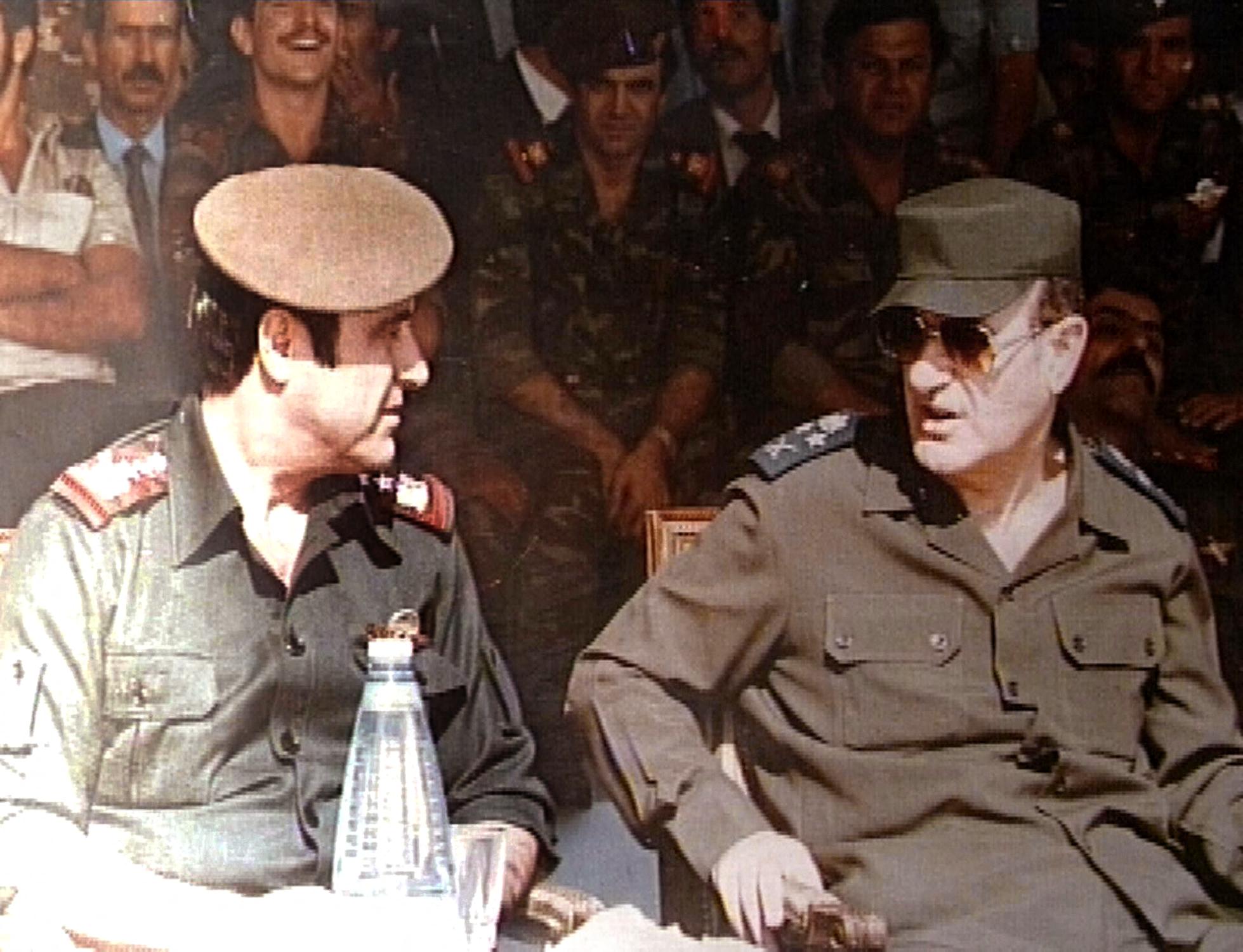
Rifaat al-Assad, who passed away a few days ago, on January 20, 2026, embodied one of the most revealing faces of Syria’s great transformation toward what may rightly be called a “State of Barbarism”: a state whose claimed legitimacy rested on repression, enforced communal ʿasabiyya , and the relentless pursuit of an “alliance of minorities.” This transformation effectively began with the Syrian-Egyptian union of 1958, a fleeting experiment that survived barely three years and a few months. At heart, Rifaat al-Assad was no more than one cog among others within that Syrian State of Barbarism which he defended without reservation, long before the Hama massacre of February 1982 and through the invasion of the countryside into the cities. This enterprise sought to impose archaic values upon urban populations, in retaliation against everything Damascus, Aleppo, Homs, Hama, and Latakia embodied as civilizational values.

Iran’s Crises Raise the Question of the Regime’s Fate
By
Khairallah Khairallah
Published
Jan 5, 2026 - 17:25

The year 2025 was Syria’s year, as the country lived for the first time in half a century without Hafez al-Assad or Bashar al-Assad, that is, without a minority regime, sponsored by Israel, which had controlled the fate of Syrians first through its repressive apparatus and later by relying on external powers to prevail over its own people. For the first time as well, Iran’s “Islamic Republic” withdrew from Syria, a development that carries major implications for the regional balance, especially since Syria under the Assads had come to resemble an Iranian colony implanted at the heart of the Arab world.

2025… A Distinctly Moroccan Year
By
Khairallah Khairallah
Published
Dec 27, 2025 - 18:11

The year 2025 was distinctly Moroccan. It marked Morocco’s victory in the war it had endured for half a century, ever since it peacefully recovered its Saharan provinces from the former Spanish colonizer. Why did that war occur? And why did it continue for half a century? Why was the Algerian regime never able to acknowledge that the war of attrition it waged against Morocco, using an instrument called the Polisario, was nothing more than an overt war that would sooner or later turn against it? A series of questions reveals, among other things, Morocco’s resilience in the face of the challenges it confronted, as well as the fact that the Sahara issue has always been a national cause, one that touches every citizen of the Kingdom at the core.

/