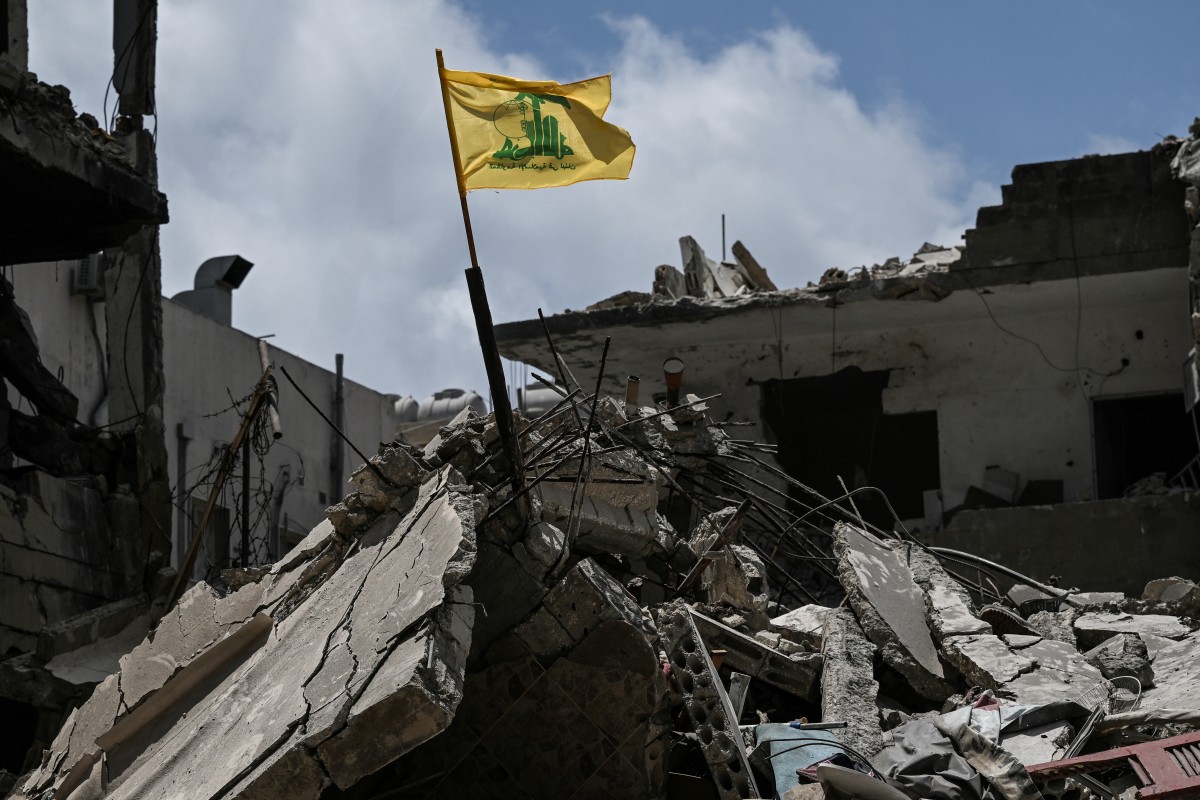
Six years after the catastrophic explosion at the Port of Beirut, at a time when it is more than likely that Hezbollah, with the complicity of others, shielded the stockpiling of ammonium nitrate, Lebanon is still struggling against its internal enemy. That enemy is embodied by Hezbollah’s weapons, which have been used both inside Lebanon and beyond its borders, particularly in Syria, long before the so-called “war in support of Gaza”, a war that ultimately brought disaster upon Lebanon’s Shiite community and, above all, a national calamity for the country itself. The latest remarks by Hezbollah Secretary General Naim Qassem are further proof of this reality. He accused the Lebanese authorities of having “helped Israel instead of helping Lebanon,” adding that “President Joseph Aoun has become a party to the conflict and a source of division, which is incompatible with the role he is supposed to play.”