شعار Levant Time
Michel Hajji Georgiou

Michel Hajji Georgiou

Political analyst

Writer, political analyst, and journalist, Michel Hajji Georgiou was director of programs for Voice of Lebanon – Achrafieh (radio and webTV) in 2023, co-founder and former editorial director of Ici Beyrouth (2021-2022), head of the local political desk at L’Orient-Le Jour for five years (2015-2019), a columnist, former editor-in-chief of its annual political supplement (2005-2011), as well as a senior journalist for twenty years (1999-2019) at this daily newspaper. Awarded the Collège Notre-Dame de Jamhour Philosophy Honor Prize in 1998, he received the Gebran Tueni / WAN Prize in 2007 and the Foundation for Human and Humanitarian Rights Prize in 2008 for his work in favor of freedom of expression and opinion. A founding member of several human rights associations and cultural foundations, including Media Against Violence and ALEF, he is notably the author of The Quiet Revolution, a collection of political texts by the late Samir Frangieh, as well as a collection of poetry, From This Broken Hill, dedicated to the memory of the Canadian poet and singer Leonard Cohen, and a forthcoming biography of the late Hassan Rifaï. He currently collaborates as a columnist and political analyst at Levant Time and maintains the blog BeirutUnbound.com.

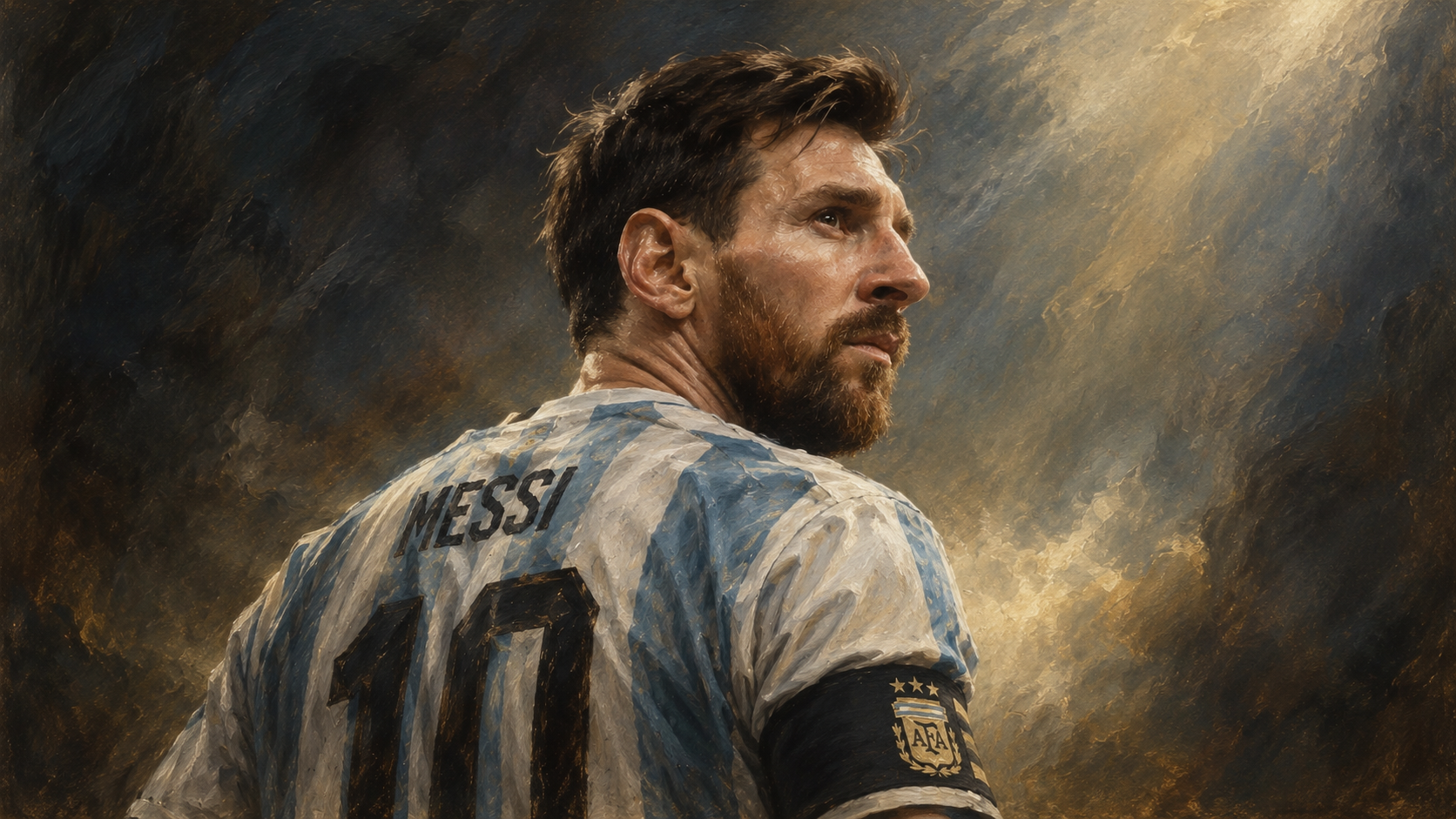
Lionel Messi or the Re-enchantment of the World
بقلم
Michel Hajji Georgiou
نُشر
Sep 6, 2026 - 13:31

The Argentine player, who brought his international career to an end on August 31, 2026, was nothing less than a magician of the stadiums. His journey, made of wonders, falls and redemption, may tell us something about our undiminished need for enchantment in a world that nevertheless claims to have rid itself of it. Announced a few weeks after the 2026 World Cup final lost to Spain, Lionel Messi’s international retirement inevitably stirred an emotion for which it is difficult to find many equivalents in the recent history of football. One would probably have to go back to Maradona, or perhaps to Cruyff or Pelé, to recover that sense that, with the retirement of a player, something disappears that extends far beyond the sport itself, as though a certain way of inhabiting football, perhaps even of believing in it, were also coming to an end.
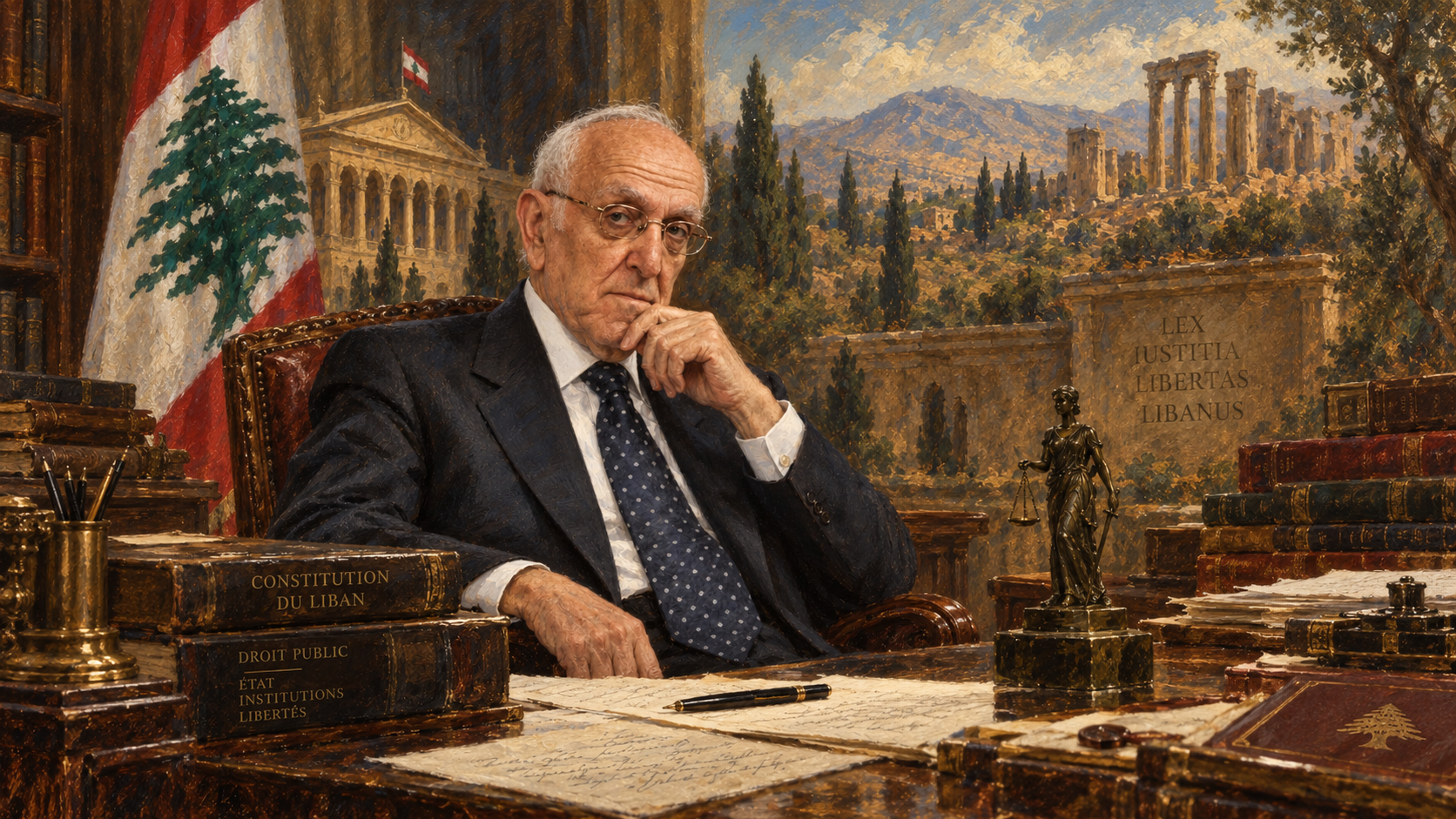
Hassan Rifai, the Wise Rebel
بقلم
Michel Hajji Georgiou
نُشر
Sep 4, 2026 - 23:28

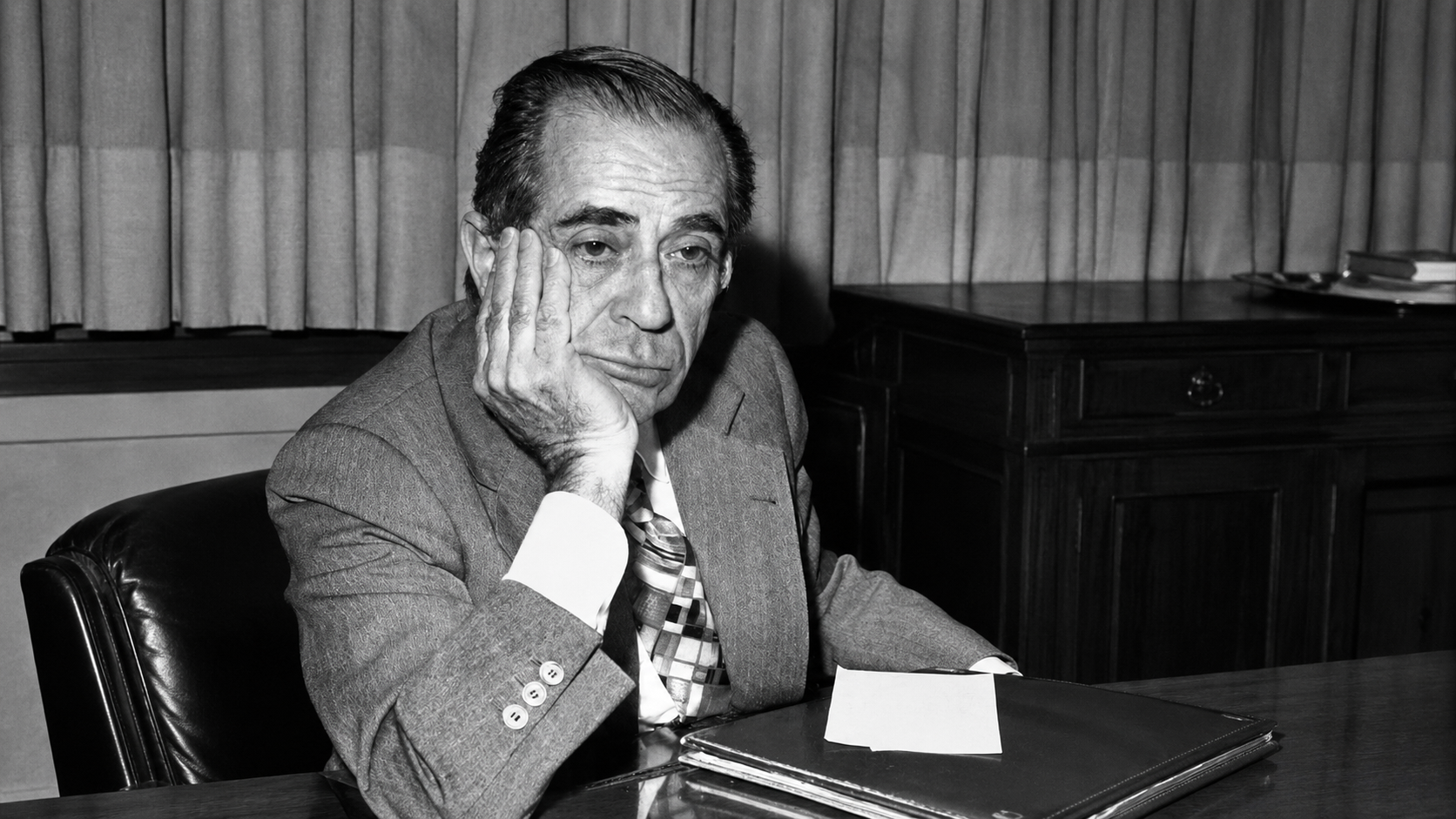
What remains of Hassan Rifai is the image of a respected, composed jurist, an authority on administrative and constitutional law, arguing in a calm, quavering voice as he pointed out the deviations and failings of politicians in relation to the parliamentary democratic system and the Constitution. And yet, the former MP and minister, who died on September 3, 2025, was also a man in revolt. A dissenter. Even at one hundred. Especially at one hundred! He had been one as a child, haranguing crowds in Baalbeck against the Mandate, and remained one throughout his career as a lawyer and parliamentarian.

Michel el-Khoury, or the Nobility of Effacement
بقلم
Michel Hajji Georgiou
نُشر
Aug 27, 2026 - 01:34

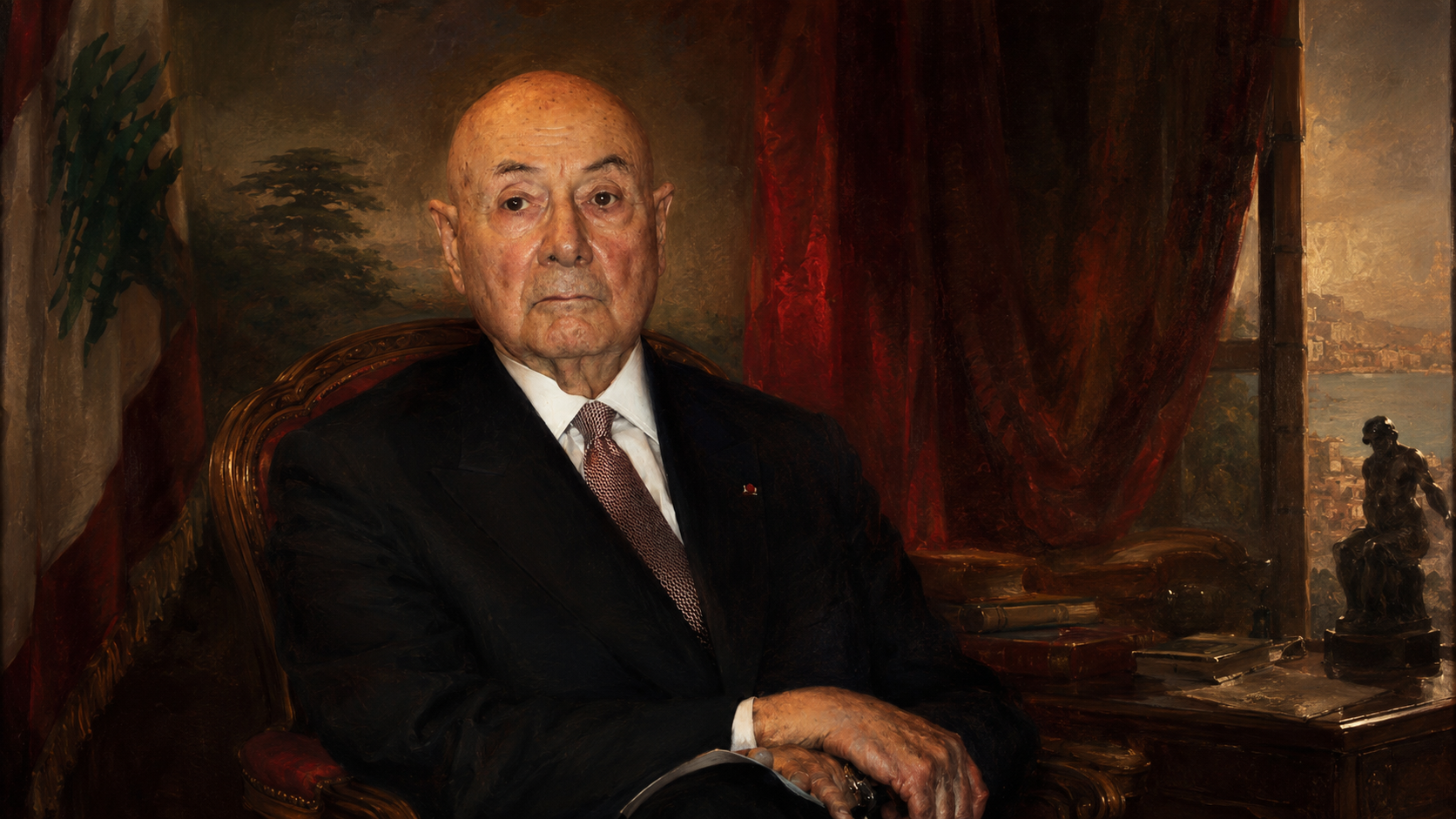
How does one speak of a man who loathed making noise? Who shunned grand gestures and every form of display, even though his brilliance and nobility, much to his own chagrin, were locked in thoroughly unfair competition with his extreme modesty? The task is particularly difficult. All the more so because the man himself, never fond of the media, interviews, honors or public exposure, would have disapproved of the rather perilous exercise undertaken by the author of these lines. And yet it is precisely because Sheikh Michel el-Khoury, who passed away on July 4, 2026, just shy of one hundred, had chosen the path of silence and discretion, faithful to his leitmotif that “one must serve rather than serve oneself,” with the state and its primacy taking precedence over everything else, that speaking of him now seems absolutely necessary, at a time when Lebanon is undergoing such profound decay. All the more so because his vision of Lebanon and of its role remains more relevant than ever.

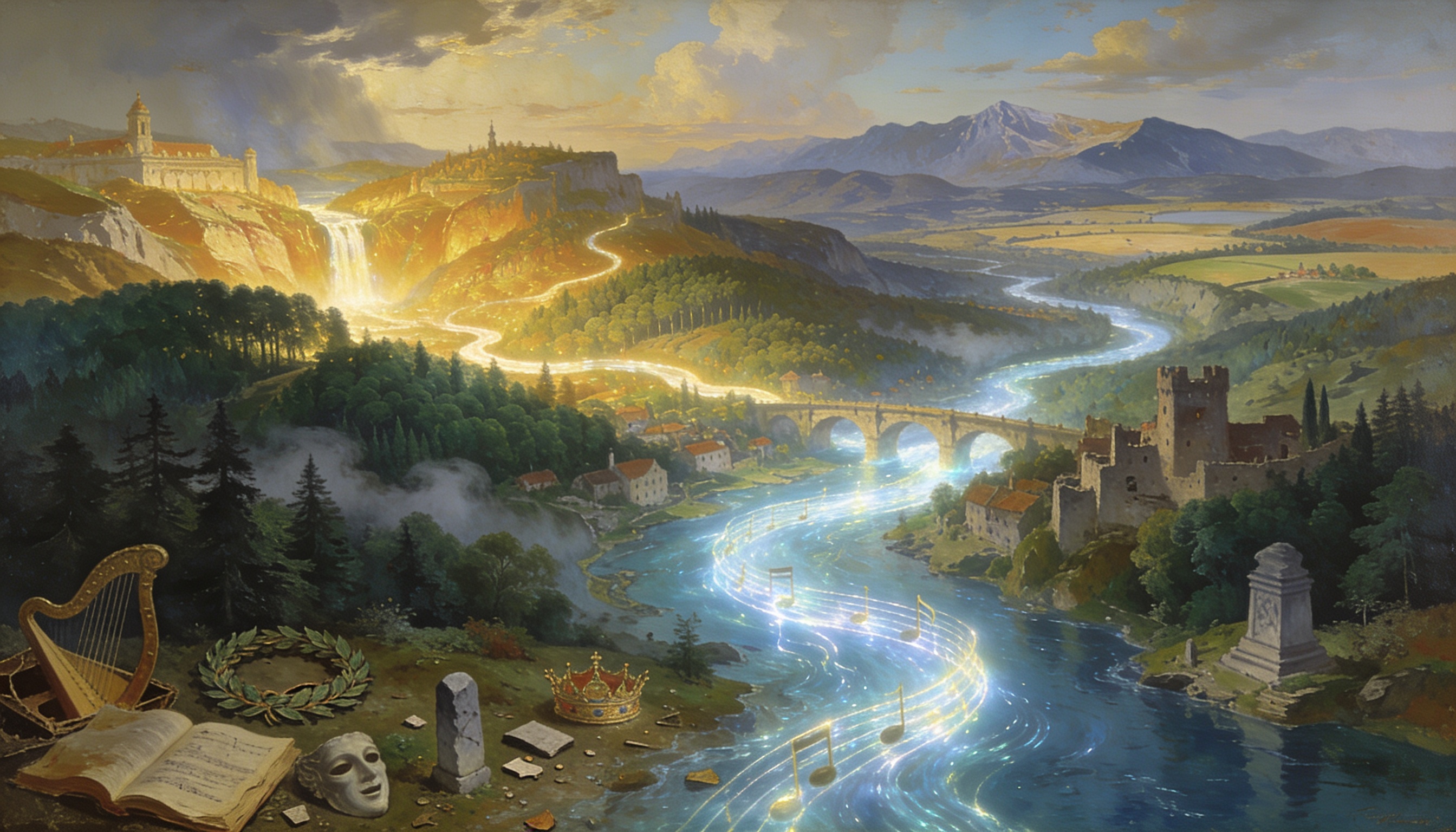
Music and Politics, an Ancient Union: The Origins (3/3)
بقلم
Michel Hajji Georgiou
نُشر
Jul 12, 2026 - 05:14

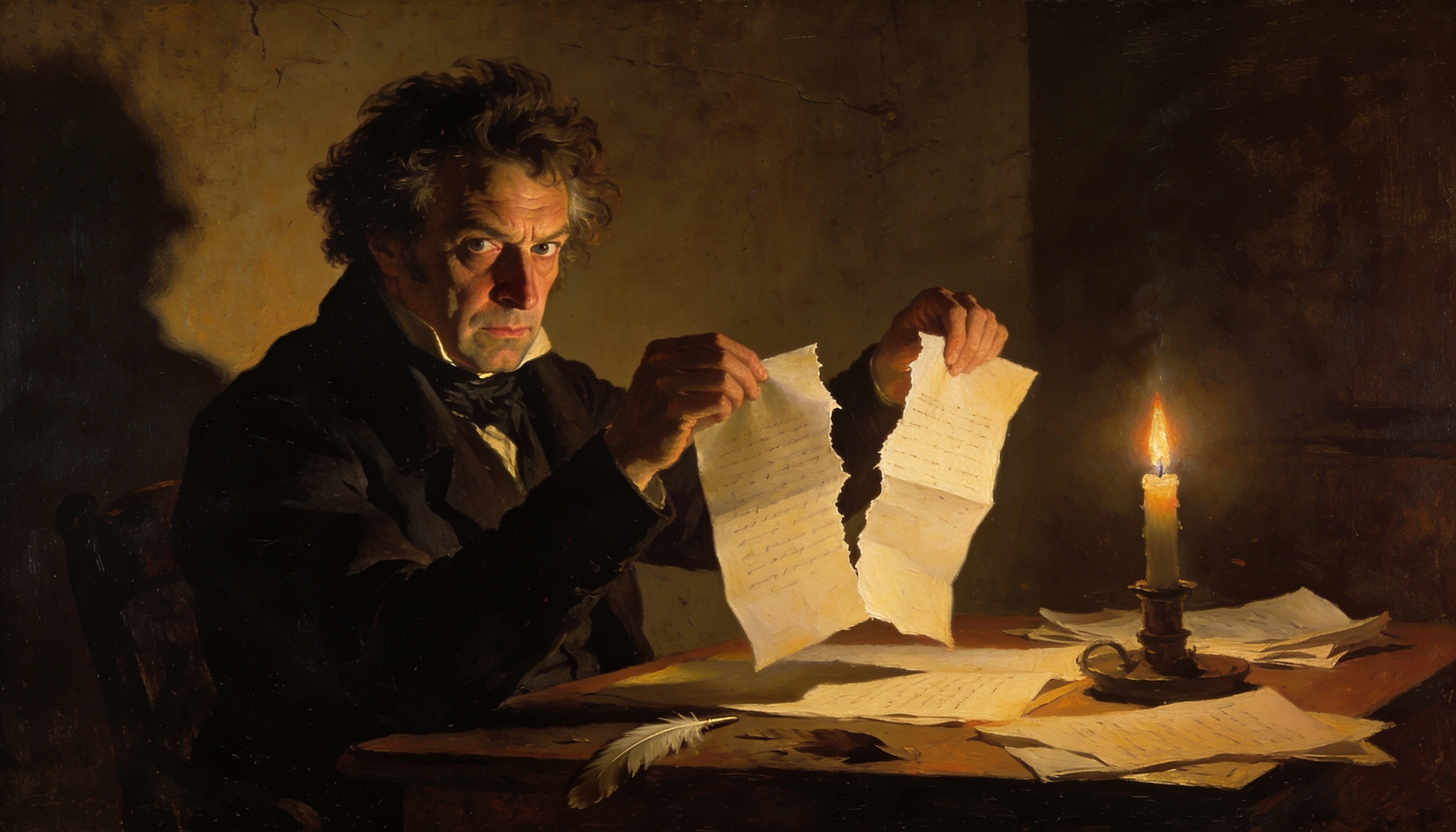
This third installment introduces a series of essays offering a broad survey, both thematic and chronological, of the many ways in which music has interacted with the political sphere throughout history. If Beethoven’s rebellion against Napoleon may be seen as something of a founding moment in the tension between music and political commitment, it does not, for all that, redefine the older and more ambiguous relationship between melody and power, whereby an ideology can carry entire masses of people along in its wake. Nineteenth-century Europe illustrates with particular clarity how music can simultaneously build nations and become an instrument in their service. In this respect, Giuseppe Verdi offers a revealing example of music’s ability to carry entire peoples by giving musical form to collective trauma. In 1842, he composed the opera Nabucco , which recounts the destruction of the First Temple of Jerusalem by Nebuchadnezzar II and the captivity of its surviving inhabitants in Babylon.

Music and Politics, an Ancient Marriage: Origins (2)
بقلم
Michel Hajji Georgiou
نُشر
May 23, 2026 - 03:30

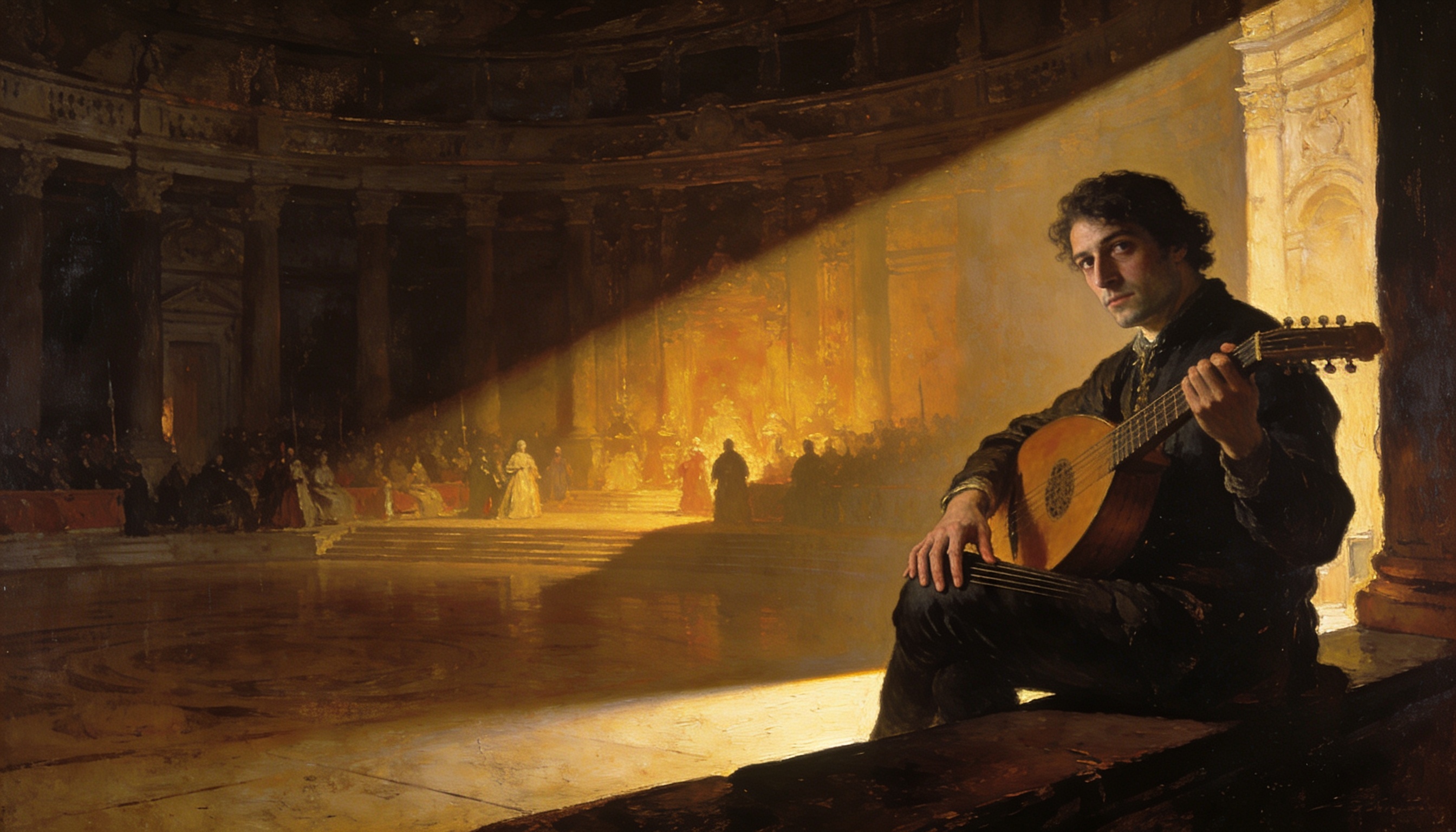
This series of articles offers a wide-ranging overview — both thematic and chronological — of the various relationships between music and the space of the City across the ages. The first in the series, divided into three parts, examines the origins of the bond between music and 'the' political — both as concept and as practice. It is in eighteenth-century Europe that the debate on music and freedom steps briefly outside its relationship with the sacred to resume an explicitly philosophical form, as it had in the time of ancient Greece. And the credit belongs essentially to Jean-Jacques Rousseau. History has certainly retained him as one of the pillars of Enlightenment political philosophy, but his dual condition as composer and musicologist remains largely overshadowed by his philosophical legacy.

Music and Politics, an Ancient Marriage: Origins (1)
بقلم
Michel Hajji Georgiou
نُشر
May 17, 2026 - 19:53

This series of articles offers a wide-ranging overview — both thematic and chronological — of the various relationships between music and the space of the City across the ages. The first in the series, divided into three parts, examines the origins of the bond between music and 'the' political — both as concept and as practice. It is somewhat perilous to attempt to date with precision the beginnings of politically engaged music. What is certain, however, is that it did not begin with Bob Dylan, nor with the Negro spirituals , nor even with La Marseillaise … but with music itself — that is to say, in fact, with the very beginnings of the organisation of society and its relationship with the notion and practice of power. It is possible to say, without too much risk of error, that music has constituted, in this sense, one of the means available to men seeking both to govern and to escape that governance.

Mohammad Hussein Shamseddine, the Amelit who laboured for "another Lebanon”
بقلم
Michel Hajji Georgiou
نُشر
May 16, 2026 - 11:11

The following text is a translation of the speech delivered in Arabic by our colleague Michel Hajji Georgiou during a panel discussion organized on Friday, May 15, in Beirut by the news and analysis website Janoubiya , in tribute to the memory of the writer and political scientist Mohammad Hussein Shamseddine. The event featured the participation of our colleague Ali Mohammad Hassan al-Amine, director of Janoubiya , former minister Ibrahim Mohammad Mahdi Shamseddine, our contributor and political scientist Hisham Dibsi, and the writer and political scientist Hassan Bazih. The objective of the text is to place Shamseddine's thought and work within the continuity of the historical, political, and moral Libanist and statist heritage of the ulema of Jabal Amel.

Raymond Eddé, in Praise of "Defeat"
بقلم
Michel Hajji Georgiou
نُشر
May 14, 2026 - 03:29

On 10 May 2000, Raymond Eddé passed away, at the end of an exile of more than two decades in Paris. Eddé was, in the Lebanese political landscape, a wholly atypical figure. A certain reading of history retains of him today the image of an idealist and stubborn man, cut off from reality – since he refused all political compromises that sought to plug temporary gaps in the dyke by reflex of immediate survival, at the expense of the fundamental values of the Republic and the elementary foundations of the State, from the Cairo Agreement to the Taif Agreement. Unbending, the Amid? And yet, paradox of anachronism, it was the opposite that his own community reproached him for: his refusal to be swept along by currents of identitarian testosterone, and his rejection of the sweet songs of the sirens and the machine guns, unlike the popular parties and armed organizations of the era.

Saving Integral Humanism
بقلم
Michel Hajji Georgiou
نُشر
May 14, 2026 - 00:33

We keep talking about “globalization” as though the word still had a shared meaning. It no longer does. Or rather: all that remains of it is its economic shell—globalization as such: capital flows, supply chains, digital platforms—while its soul has vanished. Globalization as openness, as the promise of a world made more habitable for all, as the search for a shared language among cultures, is in the process of dying. And yet that form of globalization was never merely a material reality; it was a moral horizon. It rested on a simple, almost naïve idea: that repeated contact among peoples, cultures, imaginaries would eventually disarm the temptation of war. Distances reduced by technology, by transportation, by the abolition of customs borders… People would meet at universities, festivals, NGOs, international institutions; they would build compromises, treaties, exchange programs. They would learn to live together, for lack of a better option.

Torn Asunder
بقلم
Michel Hajji Georgiou
نُشر
May 8, 2026 - 21:28

That the various factions in Lebanon should be directly concerned by the existential battle currently unfolding there is entirely natural. The contrary would be unhealthy. Yet between apathy and unbridled enthusiasm, or even blind enlistment, there lies a whole emotional spectrum which, as usual, is obscured in favour of alignments that are deadly for the country — alignments with a conflict that inhabits it, but that utterly surpasses it. As has always been the case, for that matter. The Lebanese body is immunodeficient. It attracts every virus, every disease. Hence its propensity to flirt permanently with death.

/